







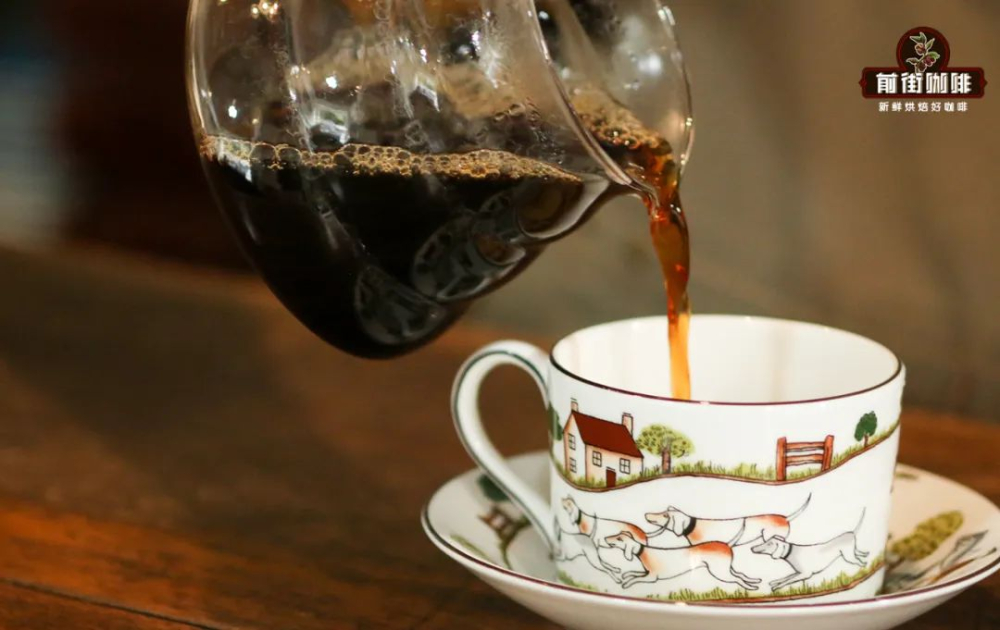
Why are we so obsessed with brewing coffee to be sweet? Probably because sweetness can trigger the release of dopamine, making us feel pleasure!
If you want to brew coffee sweet, you first need to understand the sweetness in coffee. The sweetness of coffee does not exist independently; it is highlighted through the balance between acidity and bitterness. For example, light-roasted coffee has fewer bitter compounds, so its sweetness is expressed as a sweet-and-sour profile supported by high acidity and low bitterness, which is why it has various fruity notes. Dark-roasted coffee has more bitter compounds, so its sweetness is expressed as a bitter-sweet profile supported by low acidity and high bitterness, such as caramel and maple syrup notes. The following four coffee beans are recommended for their strong sweetness:
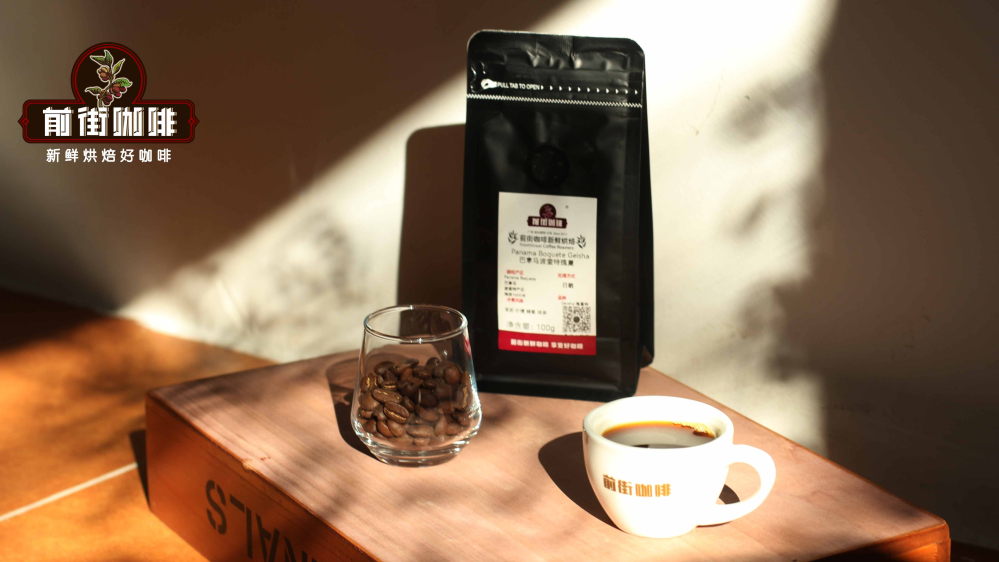
1. Front Street Coffee Panama Boquete Geisha
Flavor: jasmine, honey, orange, peach, tea aroma, with a clean, sweet, and soft mouthfeel

2. Front Street Coffee Mozart Coffee Beans
Flavor: raisins, osmanthus, orange, cream, fermented aroma, with the sweet fragrance of ripe fruit
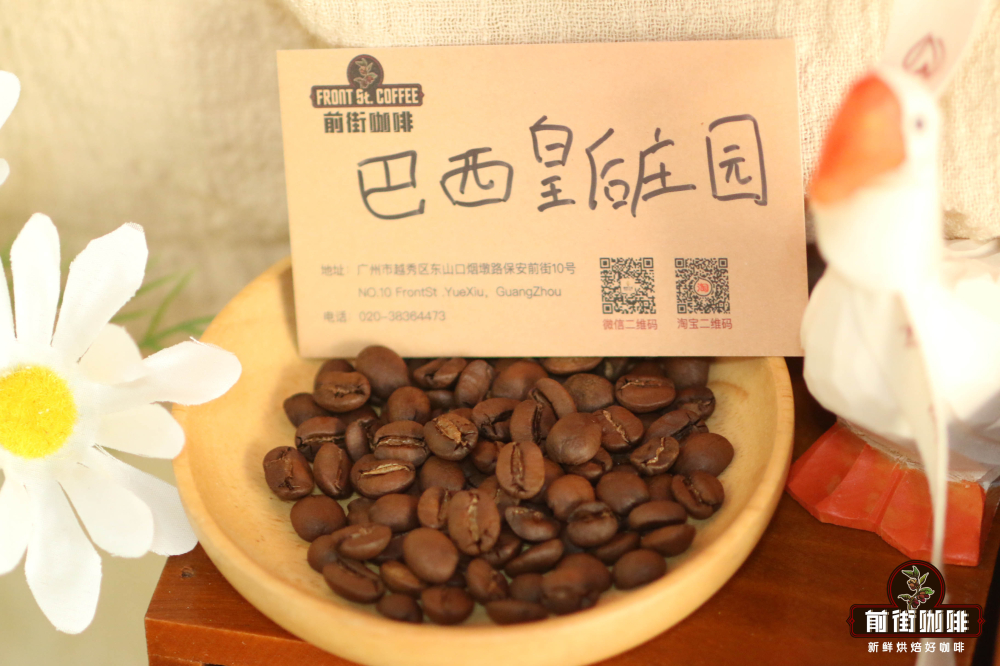
3. Front Street Coffee Queen's Estate Coffee Beans
Flavor: chocolate, creamy peanut, cane sugar, nuts, with a clear sweet aftertaste
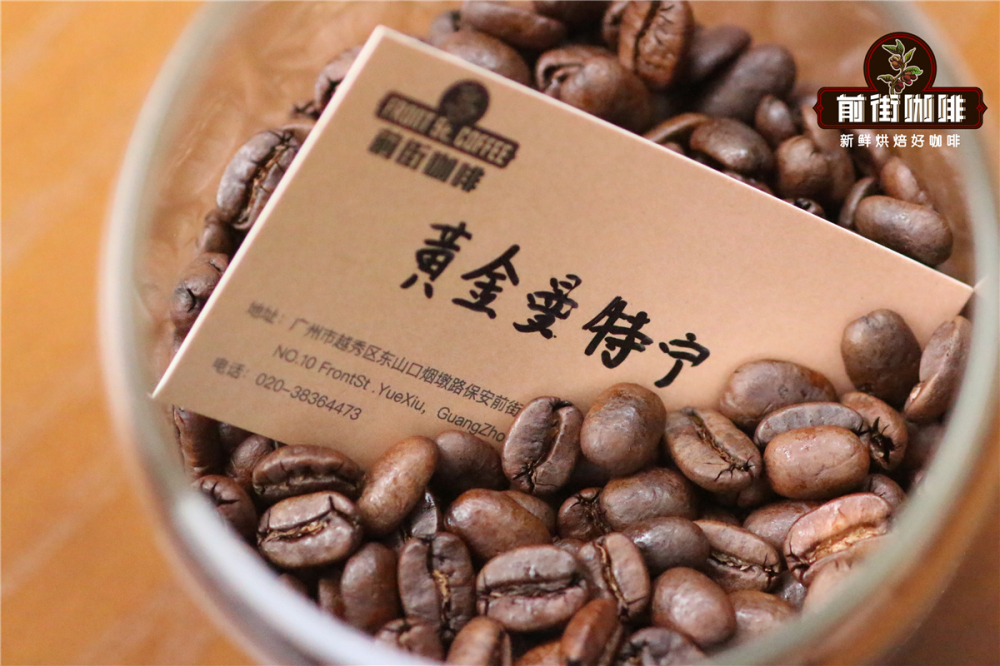
4. Front Street Coffee Golden Mandheling Coffee Beans
Flavor: caramel, spices, dark chocolate, pine, herbs, full-bodied and rich with a long-lasting finish
Brewing Sweetness in Medium-Light Roasted Coffee Beans
Medium-light roasted coffee beans generally exhibit fruity acidity. As long as you don't extract the bitterness from the later stages, the coffee's flavor will basically not be bad. Therefore, there are many safe brewing methods, all roughly aimed at avoiding the bitterness that easily occurs by using low extraction, which makes it harder to produce off-putting defective flavors and ensures the fruity character of the main body.
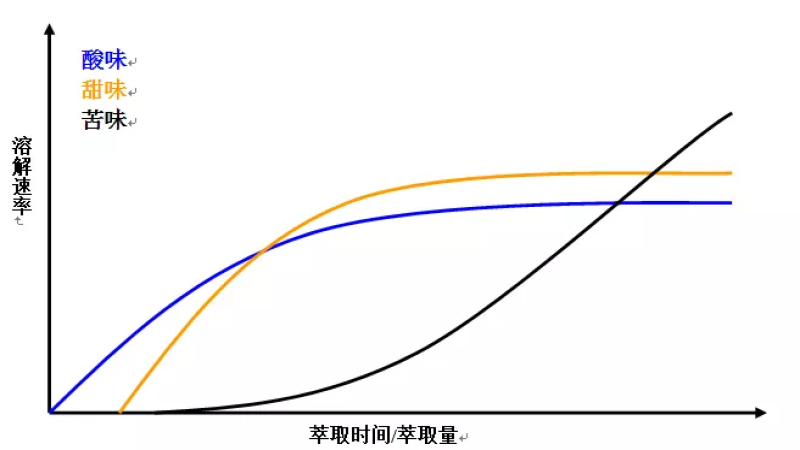
However, if you want to express the sweetness of coffee to the fullest, you also need to take on the risk of over-extraction. I believe everyone has some understanding of the sweet-sour-bitter extraction model of coffee.

From this ideal model, to brew sweetness, you must release the high sweetness of the middle stage.
So, if you feel that the sweetness is insufficient when brewing medium-light roasted coffee beans with your current method, you might as well try Front Street's suggestions:
① Increase the water temperature by 2°C;
Water temperature is an intuitive factor affecting extraction efficiency. Increasing the water temperature can increase the extraction rate per unit of time. In simple terms, if you decide a cup of coffee is too sour, you can choose to moderately increase the water temperature the next time you brew.
② Try sifting out the coarse grounds;
In the past, we often struggled with the issue of fine particles, but if you decide a cup of coffee is too sour, it is definitely not the fault of fine particles. Front Street often says that the grinding pass rate for pour-over coffee is 80% through a 0.85mm sieve; coffee grounds with a particle size larger than 0.85mm are considered coarse grounds.
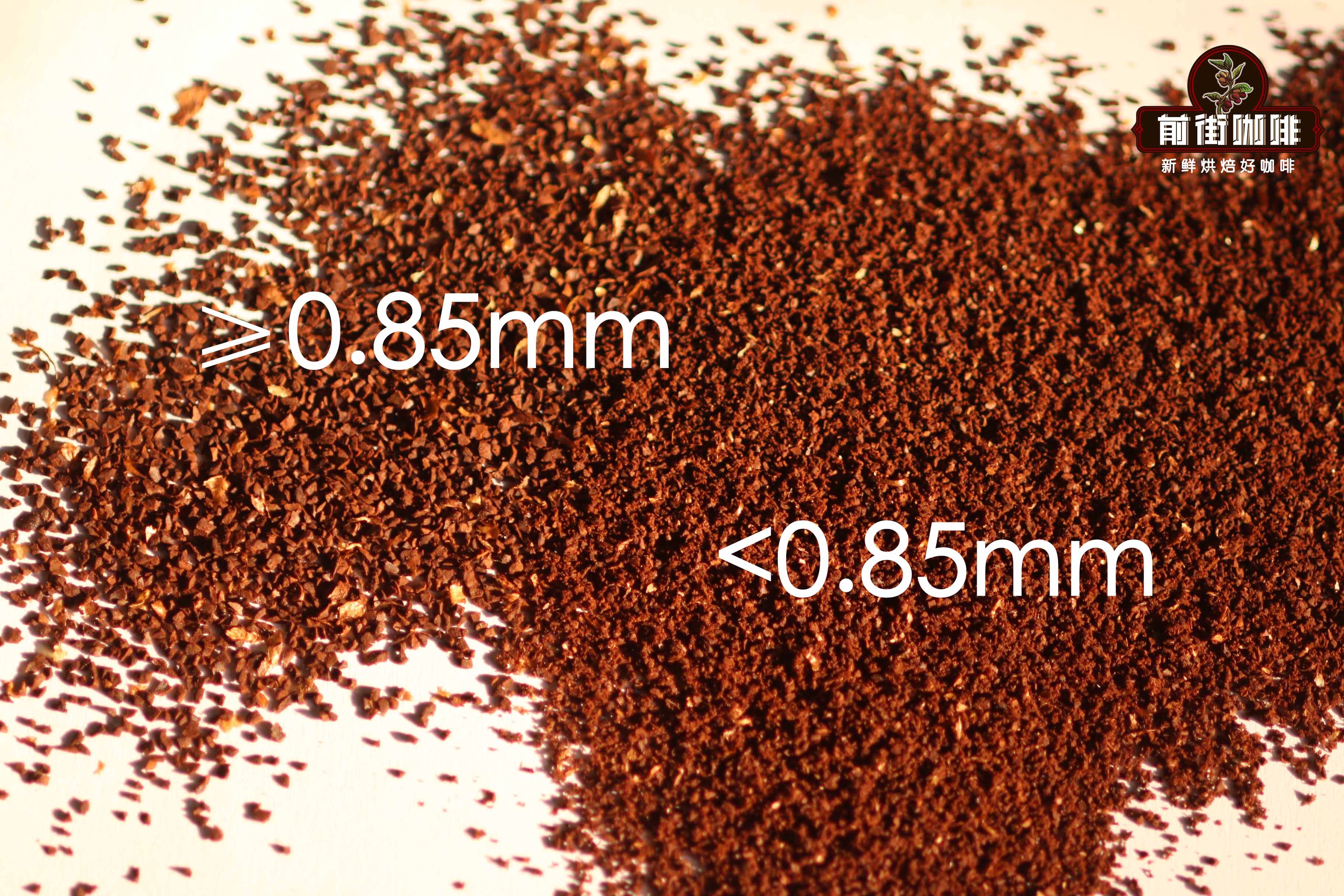
Coarse grounds release substances relatively slowly, and sifting them out helps highlight the sweetness of the coffee.
③ Avoid risks in your technique;
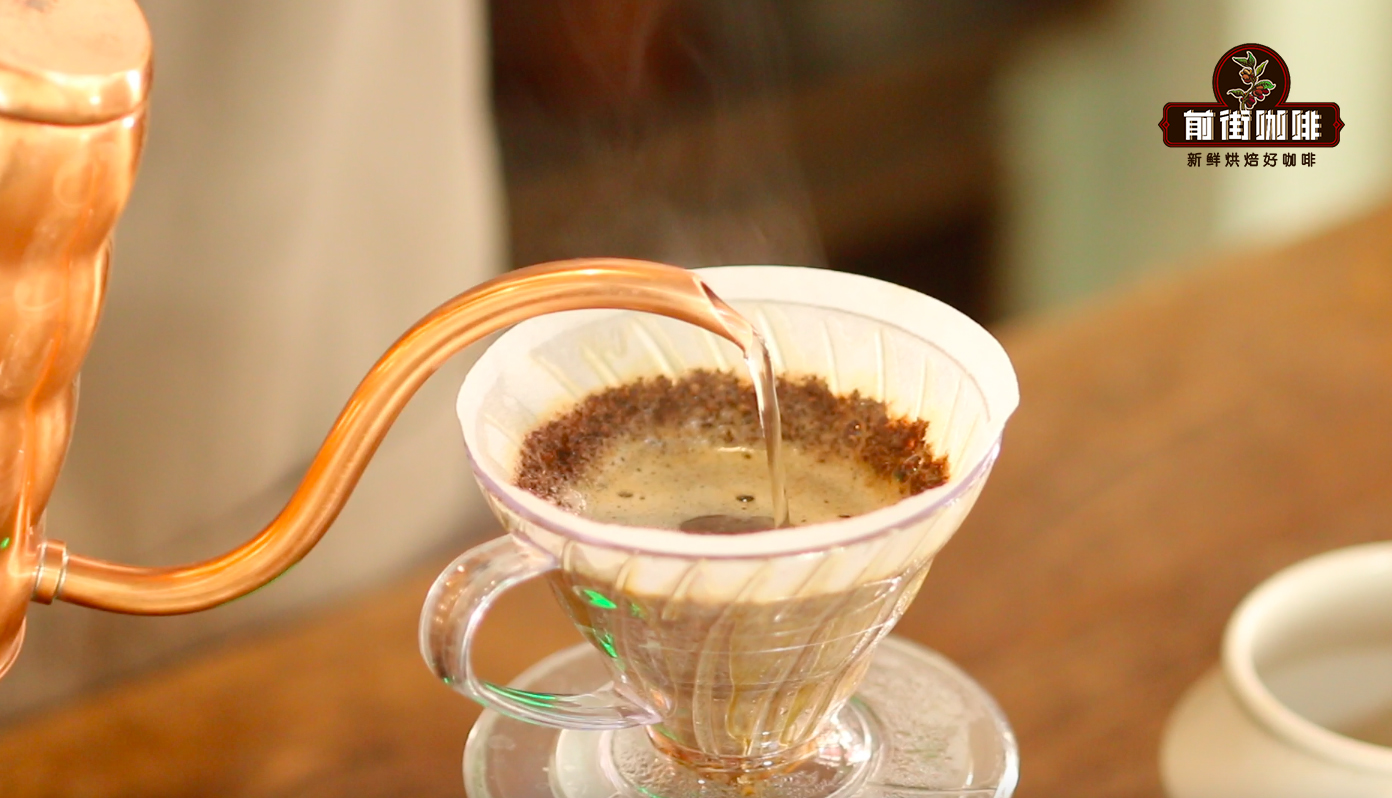
Choose one of the above two options according to the situation, and when pouring water, pay more attention to controlling the water flow and circling. The pouring stages can be divided into three stages (including blooming), and the water amounts (for 15g of coffee grounds) are 25ml/125ml/90ml respectively.
Brewing Sweetness in Medium-Dark Roasted Coffee Beans
Medium-dark roasted coffee beans generally have a flavor profile dominated by the bitter notes of nuts and dark chocolate, with prominent sweetness appearing as caramel, maple syrup, and fructose. Poorly brewed coffee will taste bitter from start to finish, even bitter down to the throat, with an extremely long bitter aftertaste.
Therefore, many people take brewing dark-roasted coffee "sweet" as their practice on the path of coffee brewing.
The brewing suggestion Front Street shares with everyone is high concentration and low extraction, reducing the release of bitterness without losing mouthfeel.For the dripper, you can choose one with a relatively slow flow rate; here at Front Street, we choose the Kono dripper. The grind size is 68% passing through a 0.85mm sieve, the coffee-to-water ratio is 1:13, and the water temperature is 88°C.
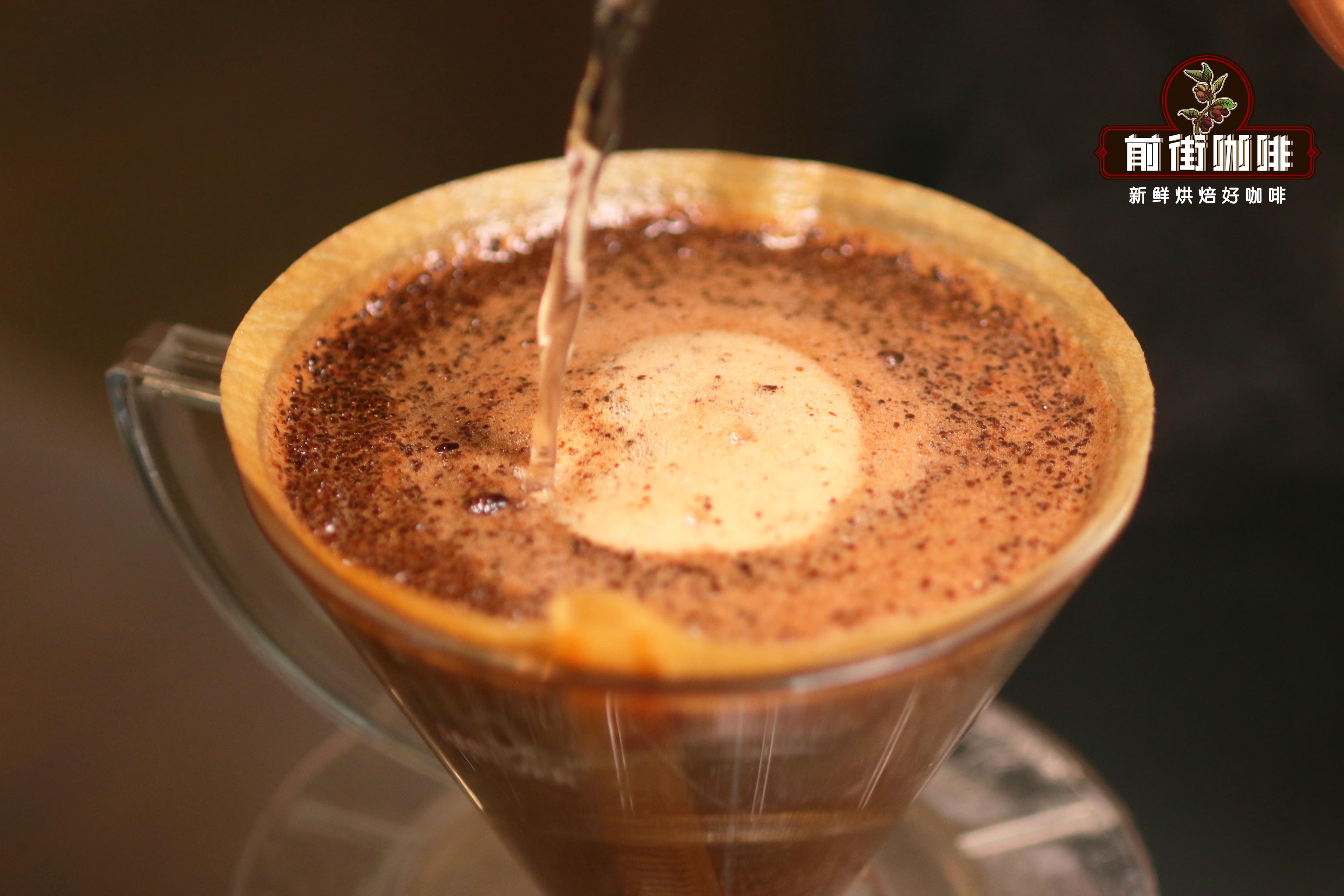
The brewing method is also very simple, revolving around the word "gentle." First pour in 30ml of water and bloom for 30 seconds, then gently pour in a small circular motion directly to 195ml, raising the coffee bed, and leave the rest to immersion extraction. If the general parameters are not off, it will basically be very sweet.
The above content is compiled by CoffeeHunters, a coffee news website.

