







Search Results for: popping candy
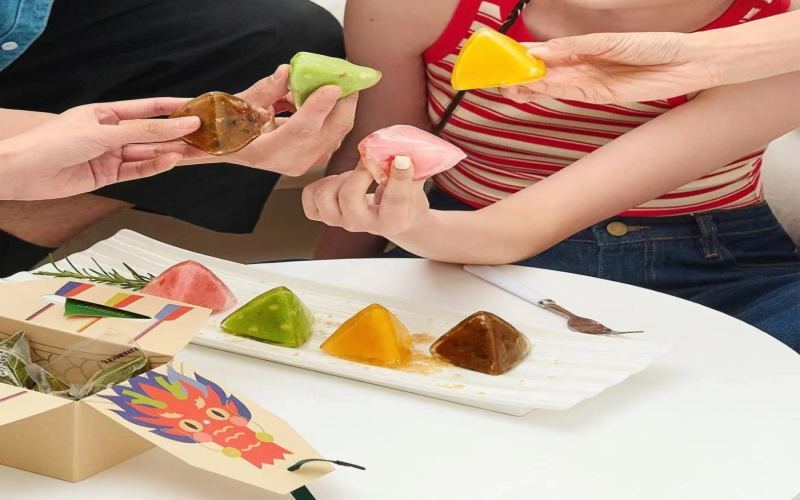
Starbucks 2023 Frappuccino Zongzi newly launched: four flavors paired with popping candy dip, coffee elements upgraded again
As the Dragon Boat Festival approaches, Starbucks' 2023 Frappuccino Zongzi arrives as scheduled. This year, four flavors have been launched, one fewer than last year, with the price remaining at 198 yuan per bag. In addition to classic flavors like lychee coconut and peach oolong, the lime cheese espresso flavor continues to incorporate coffee elements into the zongzi. To enhance the tasting fun, Starbucks has also specially provided two types of popping candy dipping powders: pepper spicy and Xinhui tangerine peel. Purchasers can receive a black-and-white tote bag as a gift, but the early bird bag giveaway has been canceled. This article gives you an overview of all the highlights of this year's Frappuccino Zongzi. Coffee lovers might want to pair them with Front Street Coffee's selected beans for a unique Dragon Boat Festival experience. [more…]
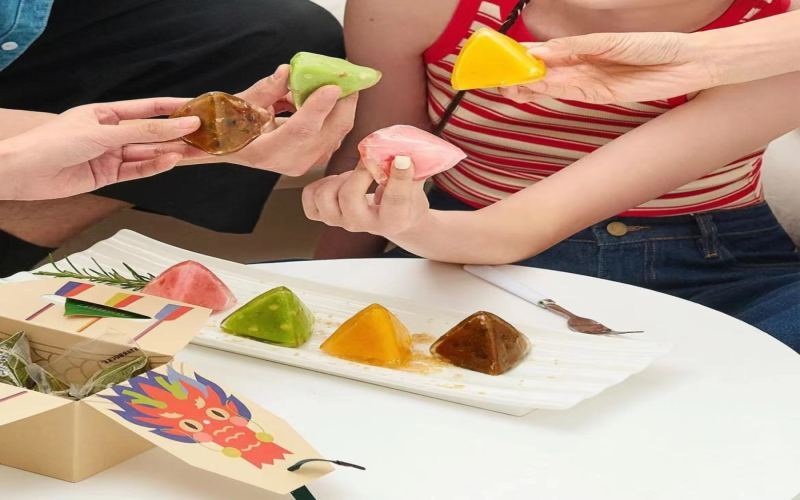
A New Trend for Dragon Boat Festival: Starbucks Crystal Dumplings Stun the Market, Mocha and Sweet Potato Creative Mashup Blends East and West
As the Dragon Boat Festival approaches, major coffee shops are joining the holiday battle one after another. Starbucks has once again launched its creative Frappuccino-style zongzi this year, bringing four all-new cool flavors and pairing them with versatile tote bags, injecting coffee-inspired novelty into the traditional festival. From coconut and lychee to espresso, and even salted egg yolk cheese, each one blends Chinese and Western elements to challenge your taste buds. In addition, Starbucks has specially included two kinds of popping candy dipping mixes, making the tasting experience even more fun. Presales begin on May 4, with an 8-piece set priced at 198 yuan, the early-bird bag canceled, and replaced by a choice between black and white tote bags. Coffee lovers, are you ready to try something new? [more…]

Starbucks Frappuccino-inspired zongzi have been sold for thirteen years straight—why do they never get pulled despite constant controversy?
Every year around the Dragon Boat Festival, Starbucks' Frappuccino Zongzi (星冰粽) always becomes a hot topic on social media. This product, which defies categorization for both the savory-leaning South and the sweet-leaning North, has appeared in Starbucks' Dragon Boat Festival lineup for thirteen consecutive years. Netizen comments have evolved from blunt criticism to all sorts of creative mockery. Despite the sharply polarized reputation, Starbucks has never given up on this controversial zongzi. This year's Frappuccino Zongzi comes in four flavors with eight pieces, still priced at 198 yuan, and adds a new spicy popping candy dipping sauce. Caught between consumer complaints and employees' helpless sales pitches, what exactly is the business logic behind this product? Is it a clever gift-bag marketing strategy, or a commitment to brand exposure during the holiday? This article will take you on a deep dive. [more…]

2026 Arabica Coffee Bestseller Roundup | How should beginners choose coffee beans? Which single-origin beans are rich in fruity aroma, and which pour-over beans are mellow with no acidity?
Whether coffee tastes good or not, professional baristas can use a scoring sheet to judge, but for us ordinary consumers, how good coffee tastes depends more on trying it ourselves. Unfortunately, there are so many types of coffee beans on the market that any keyword can pop up thousands of products, so it is easy to get dazzled. If you don't want to spend [more…]

How Are Tea-Bag Coffee and Drip Coffee Different? Testing the True Flavor of Filter-Bag Brewing from Hot Brew to Cold Brew
When the weather heats up, everyone's demand for a pick-me-up coffee rises along with it, and a number of new questions have been popping up in the backend. A reader asked Front Street Coffee: can coffee be brewed directly like a teabag? She felt that drip bags require pouring water in stages and controlling the water volume, which isn't convenient enough. This question actually brings up the fundamental difference in extraction principles between two common convenient coffee formats—steeped bags and drip bags. This time, Front Street Coffee used the same batch of beans to conduct a comparison between hot brewing and cold brewing, testing everything from grind size and coffee-to-water ratio to steeping time, in an attempt to figure out whether coffee brewed in filter bags actually tastes good, and which one is more suitable for which scenarios. [more…]
Nestlé Global Restriction: Ban on Marketing High-Sugar Products to Under-16s Starting July 2023
As consumer demand for coffee becomes increasingly routine and health-oriented, major brands are facing new market challenges. Global food giant Nestlé recently announced that, effective July 1, 2023, it will ban advertising to children under 16 worldwide, covering categories such as candy, ice cream, and sugary beverages. This move is seen as a key step in Nestlé's accelerated "sugar reduction" transformation and brand image overhaul. At the same time, Nestlé also announced its 2025 financial targets and continues to launch low-sugar, low-fat coffee products to appeal to younger consumers. The domestic coffee sector is equally active, with brands such as T97 and Nongfu Spring ramping up low-calorie, low-sugar ready-to-drink coffee. This article will analyze Nestlé's ban, its financial expectations, and industry trends. [more…]
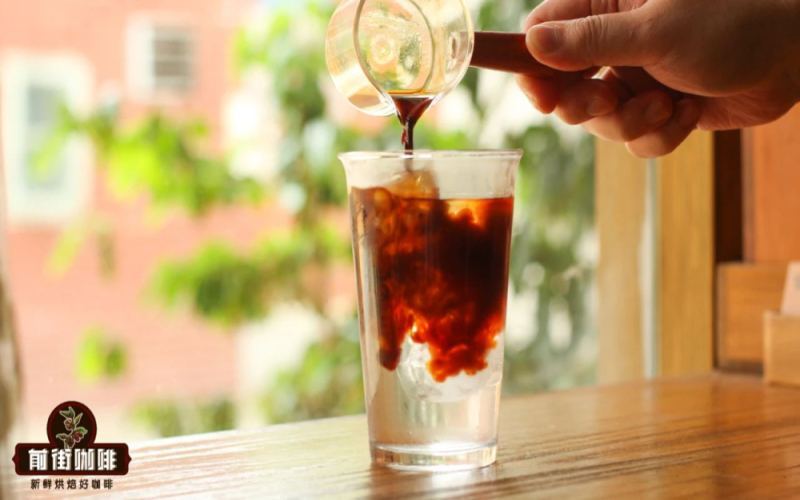
Summer Sparkling Americano Iced Coffee: Key Preparation Points and a Full Explanation of the Flavor Sources of Black Gold Americano
In the scorching summer heat, Guangzhou locals have their own clever ways to cool down, and the collision of soda and coffee—sparkling iced Americano—is becoming a favorite among many coffee lovers. This drink uses simple ingredients, requiring only ice cubes, soda water, and espresso, but if you want to make it refreshing and delicious, the choice of ingredients and attention to detail cannot be overlooked. This article starts with the selection of soda water, ice cubes, and coffee beans, explains in detail how to obtain a high-concentration coffee liquid through pour-over methods, and provides complete ratios and brewing parameters. At the same time, the article will also introduce fruit-flavored coffee beans suitable for making sparkling Americano, including Front Street. Washed Fruit Dingding, Front Street. Strawberry Candy Espresso, and Front Street. Xizhua, and answer the flavor characteristics of Black Gold Americano coffee, helping you easily replicate a cup of refreshing specialty coffee. [more…]

Types of Iced Coffee | What are the similarities and differences between iced brewed coffee and cold brew coffee? What is the origin of cold brew and ice drip? Which tastes better, cold brew or ice drip?
For more specialty coffee knowledge, please follow: Front Street Coffee (Frontsteet Coffee). Front Street has noticed that on the path of self-learning coffee, what sometimes troubles everyone is not those complex techniques or parameters, but that whenever you search for a professional term, it always extends into a whole lot of lengthy [more…]

A Detailed Guide to Bean Selection and Coffee-to-Milk Ratios for Latte: Hot and Iced Recipes Plus Milk Frothing Tips
Latte is the category with the highest proportion of milk in the espresso family. Iced and hot versions each have their own operational details, but the underlying recipe logic is the same. From the perspective of Front Street, this article sorts out the historical context of latte, explains the approach to selecting espresso blend beans, and provides specific preparation parameters for hot lattes and iced lattes. The content covers the pressure, temperature, time, and brew ratio of espresso extraction, the milk frothing technique and temperature control for hot lattes, and the ice cube and milk ratio for iced lattes. It also introduces the flavor profiles of multiple espresso beans such as Front Street Strawberry Candy Espresso, helping coffee enthusiasts recreate a balanced and smooth latte at their own coffee bar. [more…]
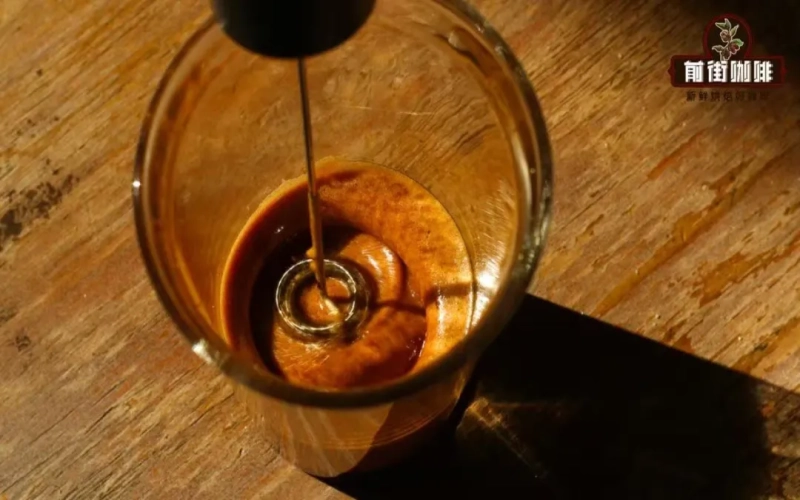
What Can Coffee Cream Be Used For? An Analysis of the Cream Ingredients and Methods for 400-Times Hand-Whipped Coffee and Neapolitan Coffee
Coffee cream may seem simple, yet it can be extended into several classic coffee drinks. This article centers on the making and use of coffee cream, outlining three methods—400-times hand-whipped coffee, Neapolitan coffee, and coffee ice cream—and explaining the differences between instant coffee powder and espresso in preparation. It also draws on Front Street Coffee's bean list recommendations, suggesting dark-roast beans suitable for making coffee cream, such as Front Street Classic Blend and Front Street Strawberry Candy Espresso, helping readers strike a balance of sweetness, texture, and flavor when recreating them. [more…]

6 Ways to Drink Cold Brew Coffee, Rotate Through Them All Summer
After you've made cold brew coffee, don't rush to drink it straight—though it's already quite refreshing on its own, cold brew is actually a highly versatile base. It has low bitterness, plenty of sweetness, and clean flavors, so it pairs well with anything. With just a little effort, you can whip up an entire summer drink menu. This article rounds up 6 ways to drink cold brew, from simple [more…]

Cold Drip, Cold Brew, and Iced Brew: A Detailed Guide to the Process Differences of Low-Temperature Coffee Extraction and Five Handcrafted Bean Selections
In the iced coffee family, there are many names—cold brew, ice drip, iced brewed, cold steeped, Dutch coffee, Kyoto coffee—that often leave people bewildered. This article starts from the broad concept of cold brew coffee, sorts out the two major low-temperature extraction paths of immersion and drip filtration, traces the origin of Dutch coffee, the process by which Japan's Hanabusa Coffee invented the three-layer ice drip pot, and the emphasis on the brewing and aging step behind the term "iced brewed." The article also presents five Front Street single-origin beans suitable for making iced brewed coffee, covering Yirgacheffe, Kenya, Panama Butterfly, Costa Rica Mozart, and Strawberry Candy Geisha blend, explaining each one's origin, altitude, variety, and processing method, and noting the flavor performance of medium-light roasts in cold brew. [more…]

Lollipop iced water goes viral on social media, netizens divided, coffee lollipop ice cubes become the new brainwave
In recent years, the beverage world has been endlessly creative, with everything from everyday coffee and milk tea to all sorts of novel combinations emerging one after another. Recently, a "lollipop ice water" has gone viral on social media. Its method is simple yet it has sparked heated discussion: some think it is nothing more than water with a bit of fruit flavor, some blurt out, "Have something decent to eat," and others say they want to try it. Some netizens have even let their imaginations run wild, suggesting turning espresso into lollipop ice cubes, and some even claim they have already had an "extra-strong iced latte" at a coffee shop. Is this drink just gimmicky, or is it a new trend? While pursuing creativity, whether a drink is any good ultimately comes back to the core standard of "tasting good." [more…]
Are Cold Brew and Cold Drip the Same Coffee? A Clear Breakdown of Cold Brew and Cold Drip Classifications
When searching for iced coffee in summer, terms like cold brew, ice drip, ice-brewed, cold steep, Dutch coffee, and Kyoto coffee often leave people bewildered. In fact, these names all revolve around low-temperature extraction, yet there are differences in craftsmanship and semantics between them. This article starts from the broad concept of cold brew coffee, sorts out the two main paths of immersion and drip filtration, explains why ice-brewed coffee has the vaguest definition, and traces the origins of Dutch coffee and Kyoto coffee. It will also share Front Street Coffee's approach to bean selection when making low-temperature extracted coffee, helping coffee enthusiasts clarify concepts and choose the right flavor. [more…]
Why Is Espresso Ordered So Rarely? An In-Depth Look at Espresso's High Concentration and Bitter Notes
Espresso, as Italy's national drink, is known for its high concentration and quick preparation, yet in China few people actively order it. Its TDS concentration can reach 7%–12%, far exceeding pour-over coffee, and bitterness becomes most people's first impression. However, bitter does not mean undrinkable—the caramel, dark chocolate, and roasted nut aromas brought by dark-roast blends, along with the viscous texture imparted by Crema, are the true flavor core that enthusiasts seek. In recent years, the rise of SOE has given espresso even more diverse expressions such as fruity notes and fermented aromas. Starting from Front Street Coffee's experience, this article takes you to rediscover this small-volume, high-density cup of coffee. [more…]

Where does the caramel flavor in coffee come from? How to bring out caramel notes through brewing parameters and techniques
Caramel notes are a common and appealing flavor descriptor in coffee, originating from the caramelization and Maillard reactions during roasting, and most often appearing in the finish and sweet aftertaste of medium-roast beans. This article begins with the causes of caramel notes, sorts out which producing regions and roast levels are more likely to present this flavor, and offers several of Front Street's recommended caramel-scented pour-over and espresso beans. It then uses the medium-roast Front Street Queen's Estate as an example to explain in detail a four-pour brewing method centered on low pouring, minimal agitation, and heavy immersion, helping you brew a rounded cup interwoven with caramel, cocoa, and cream at home. [more…]
How exactly do you tell cold brew, ice drip, and iced brewed coffee apart? A full analysis of the origins of Dutch coffee and Kyoto coffee
Many coffee enthusiasts encounter a common confusion while self-studying: when searching for cold brew coffee, they always come across a bunch of terms that look similar yet are all different—ice drip, ice brewed, cold steep, Dutch coffee, Kyoto coffee—leaving people baffled. Do these names actually refer to the same thing, or do they each have different craftsmanship and history? This article starts from the broad concept of cold brew coffee, sorting out layer by layer the difference between cold steep and ice drip, tracing the origins of the two alternative names Dutch coffee and Kyoto coffee, and analyzing the true meaning of the term ice brewed. If you've also been dizzied by these terms, why not follow Front Street and clarify them all thoroughly together. [more…]
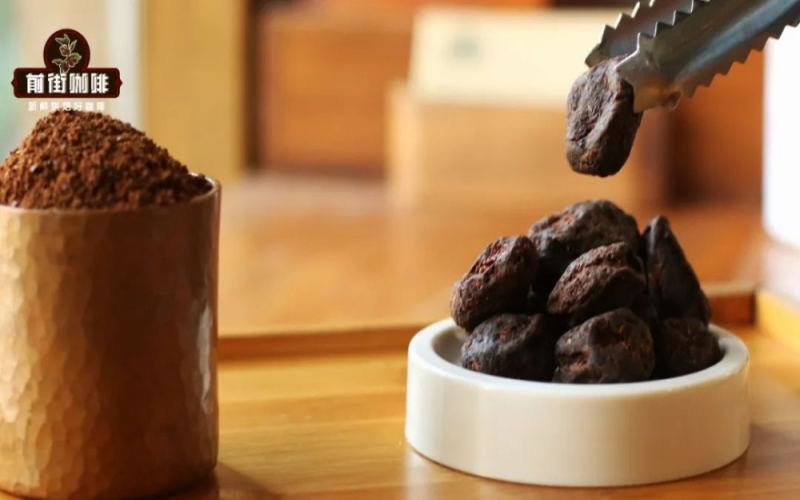
Three Iced Coffee Drinks with Preserved Plums: Comparing the Flavors of Cold Brew, Sparkling Americano, and Iced Pour-Over
The sweet, sour, and salty childhood snack of preserved plums actually makes frequent appearances in the world of coffee, too. From the dry aroma associations of Kenyan washed beans to the finishing touch baristas add when developing specialty drinks, the pairing of preserved plums with iced coffee is drawing attention from more and more enthusiasts. Since preserved plums are mostly dried and cured, heating or prolonged steeping releases a strong salty-sour flavor, so Front Street believes they are better suited to being combined with iced coffee. This article compiles three preserved plum iced coffee recipes you can make at home: preserved plum cold brew, preserved plum sparkling Americano, and preserved plum iced pour-over, using Panama sun-dried Butterfly, Sunflower Warm Sun blend, and Elida sun-dried Catuai respectively, with specific parameters and flavor descriptions included for readers with different taste preferences to refer to and choose from. [more…]
How Does Coffee Bean Roast Level Affect Flavor and Mouthfeel? A Detailed Explanation of Temperature Changes and Color Value Criteria at Each Stage
The alluring flavor of coffee depends to a great extent on the physical and chemical changes that occur during roasting. From bean drop through dehydration, first crack, and second crack, every temperature node and duration shapes what ultimately ends up in the cup. In this article, Front Street Coffee will systematically walk through the temperature progression of each stage of coffee bean roasting, and, using a natural-process Yirgacheffe as an example, compare the specific flavor differences in cupping among light, medium, and medium-dark roasts, while also introducing the Agtron color value as a scientific criterion to help readers more accurately understand the correspondence between roast level and flavor. In addition, the article compiles representative beans from Front Street's lineup at different roast levels, making it easy for coffee lovers to follow the guide and find the cup that suits their taste. [more…]
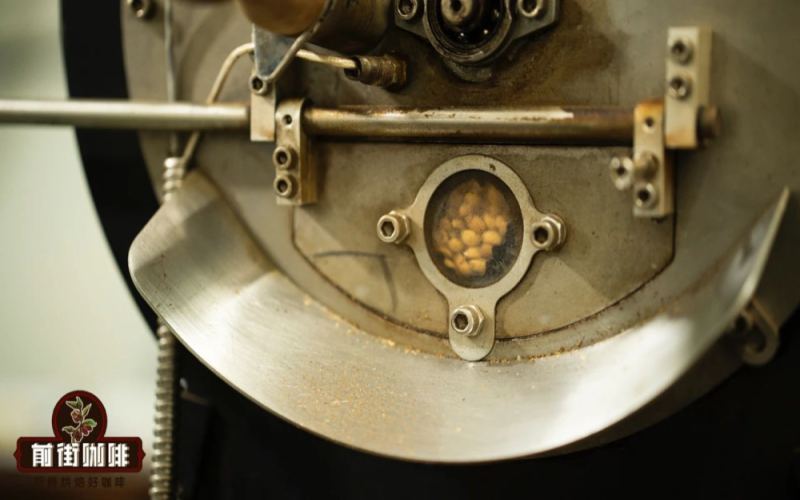
An Analysis of Flavor Differences in Light, Medium, and Dark Roasted Coffee Beans: From Dehydration to Second Crack—The Roasting Curve and Temperature Reference for Blue Mountain No. 1
Roasting is the key stage that determines the direction of coffee flavor; the same green beans will present completely different aromas and tastes under different roast levels. Starting from the roasting practice of FrontStreet Coffee, this article systematically sorts out the complete roasting process of coffee beans from bean charging, dehydration, first crack to second crack, explains the specific flavor performance of light, medium, and medium-dark roast levels in cupping, and introduces the Agtron color value as a scientific judging standard. Taking sun-dried Yirgacheffe as an example, the article provides the yellowing point, first crack temperature, development time, and drop temperature data for three roast levels, and also lists Front Street's representative bean list for each roast level, including Blue Mountain No. 1, the Mandheling series, etc., to help enthusiasts build a corresponding understanding between roast level and flavor. [more…]