








Why Does Espresso Taste So Bitter and Concentrated?
Espresso carries a TDS of 7 to 12 percent, far above pour-over, which is why bitterness dominates the first impression for many drinkers. In Italy it is a national beverage built for speed, while in China most people order milk drinks instead. The caramel, dark chocolate and roasted nut notes only appear when extraction is dialed in correctly.
Dark roast blends typically supply those notes, and the viscous texture comes from Crema, the layer produced when an espresso machine forces hot water through compacted grounds at pressure. In recent years SOE has widened the range further, letting single-origin espresso show fruity and fermented profiles rather than only roast-driven bitterness.
Espresso, as Italy's national drink, is known for its high concentration and quick preparation, yet in China few people actively order it. Its TDS concentration can reach 7%–12%, far exceeding pour-over coffee, and bitterness becomes most people's first impression. However, bitter does not equal undrinkable—the caramel, dark chocolate, and roasted nut aromas brought by dark roast blends, along with the viscous texture imparted by Crema, are the true flavor core that enthusiasts seek. In recent years, the rise of SOE has further allowed espresso to present diverse profiles such as fruity notes and fermented aromas. Starting from Front Street Coffee's experience, this article takes you to rediscover this small-volume, high-density cup of coffee.
Recently, a friend of mine rushes to Front Street Coffee for an espresso whenever he feels sleepy. After tilting his head back and downing it in one gulp, he first furrows his brow into a knot, then takes a sip of water and waits for the bitterness to slowly fade. In the blink of an eye, he is fully energized again. In the end, he couldn't help but sigh:
"The energizing effect is truly beyond words, but this taste is also really bitter!"
In Italy, Espresso is a national-level beverage. Locals' understanding of coffee is that only a rich, roasted aroma—even with a hint of bitterness—counts as authentic. In China, by contrast, apart from baristas who need to repeatedly dial in extraction every day, or a minority of enthusiasts pursuing intense sensory stimulation, the vast majority of people, upon hearing "espresso," have the same first word pop into their minds: "bitter." As for whether this bitterness is a layered bitterness or a soul-piercing bitterness, it depends on the extraction level and each person's tolerance for bitterness.
Front Street Coffee previously said when discussing Italian coffee culture that a cup of espresso, from preparation to finishing, has an extremely fast rhythm. What it emphasizes is efficiency and saving time, making it especially suitable for office workers who need a quick caffeine boost. It is completely different from the slow, leisurely extraction style of pour-over. Therefore, the core reason espresso can become the best-selling category in European coffee shops has never been its taste, but its speed.

Besides speed, another notable feature of espresso is its extremely high concentration. Compared with the 1.15%~1.35% required by the SCA Golden Cup extraction standard, the TDS value of espresso can generally reach 7%~12%, placing it in the category with the heaviest flavor and strongest bitterness among all coffee types. But one point needs to be clear: bitter coffee does not mean it tastes bad.
In the article "Light Roasts Are for Fruit Acidity—So What Are Dark Roasts For?", Front Street Coffee once wrote that compared with coffees known for floral aromas and fruity acidity, bitter coffee has its own deep aroma system, such as caramel, dark chocolate, butter cookies, roasted nuts, toasted bread, spices, and so on. These aromas are both the reason people are obsessed with coffee and an important basis for judging the quality of a cup of espresso.
For example, Front Street Coffee extracts a classic dark-roast espresso blend composed of Brazilian, Mandheling, and Robusta beans at a 1:2 coffee-to-liquid ratio into espresso. Relying on the three key elements of fresh roasting, fresh grinding, and pressurized extraction, the coffee surface not only has a thick layer of Crema floating on top, but also continuously releases various volatile aromas. Bring the freshly made espresso close to your nose and smell it, and you can immediately catch roasting-type notes of caramel cookies, roasted spices, and dark chocolate, as if you were standing in a bakery.
Even if, when you take the first sip, the tip of your tongue is sharply stimulated by the bitterness inherent in the upper layer of Crema and its overly strong impact, as long as you close your mouth and breathe back immediately after swallowing, the bitterness will gradually fade. Right after that, a faint coffee aroma and a pleasant hint of sweetness will rise again in your mouth.
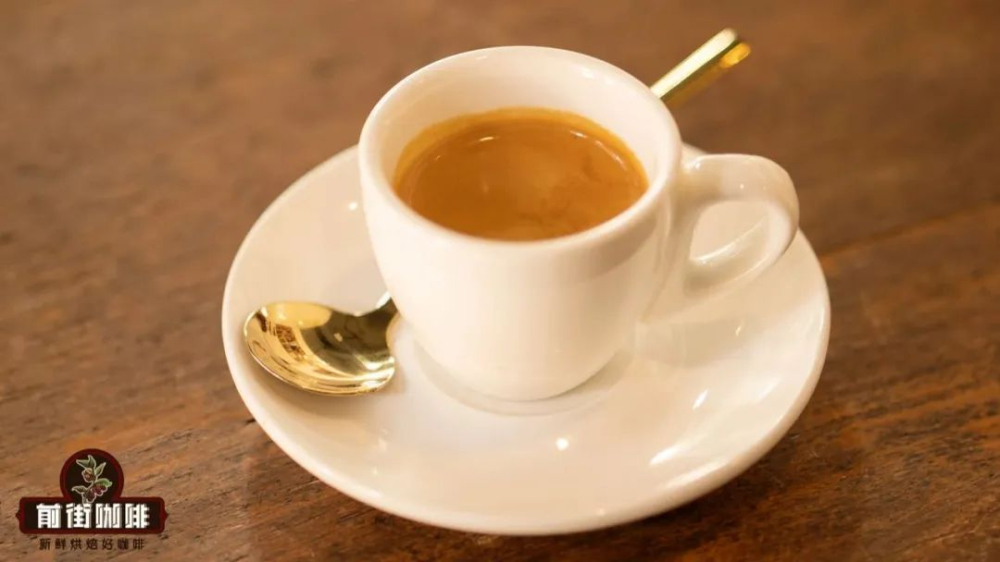
For this reason, people who love drinking espresso are not actually just pursuing that extreme, stimulating, intense bitterness. They hope even more to taste, in this small cup of highly concentrated liquid, the coffee aroma hidden behind the bitter notes, as well as the viscous mouthfeel brought by the high concentration and Crema together.
Although for most Chinese people, the impression left by espresso is always that bitterness comes first, no less than drinking Chinese herbal medicine. But in recent years, with the continuous development and innovation of specialty coffee, more and more high-quality coffee beans have been applied to espresso machines. Under the coordination of conditions such as high temperature, high pressure, and fine grinding, they display flavor expressions completely different from traditional bitterness, the most representative of which is SOE.
It is not hard to see that SOE, which focuses on a single origin, usually selects fruit-acidity-type beans with a lighter roast level, with the aim of making a cup of espresso with a lifted aroma and higher flavor distinctiveness. To achieve a more ideal extraction effect, we will combine experience and adjust parameters according to the actual situation, but under the combined action of factors such as high temperature, high pressure, fine grinding, rapid extraction, Crema, and high concentration, some characteristics that are vivid in pour-over (delicate floral aromas, refreshing juiciness, bright fruity acidity, rich layers) when they reach es pres so coffee will produce varying degrees of mouthfeel differences .
For example, Milasu Strawberry Candy, which Front Street Coffee usually brews by pour-over, presents obvious raisin, strawberry gummy, and elegant floral notes, while after being made into espresso, it transforms into rich red berry jam and orange chocolate tones;
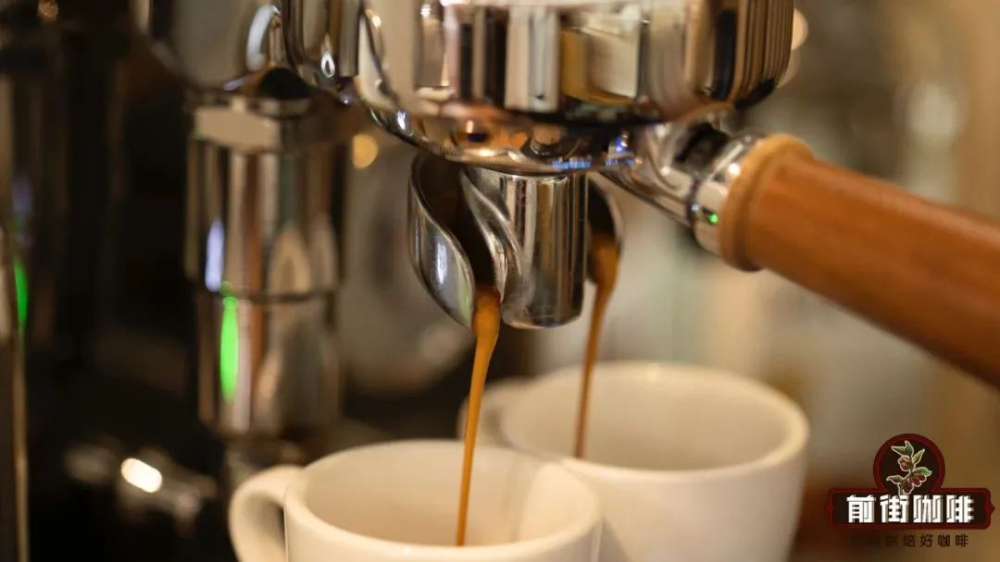
Another example is Finca Diviso Sidra, whose main notes in pour-over are passion fruit, grape juice, and almond. When extracted with an espresso machine instead, the originally refreshing juiciness surprisingly evolves into a fermented flavor similar to fruit wine, with a mellow, sweet dried apricot finish.
- END -
The above content is compiled by CoffeeHunters, a coffee news website.


