







Search Results for: persimmon daifuku
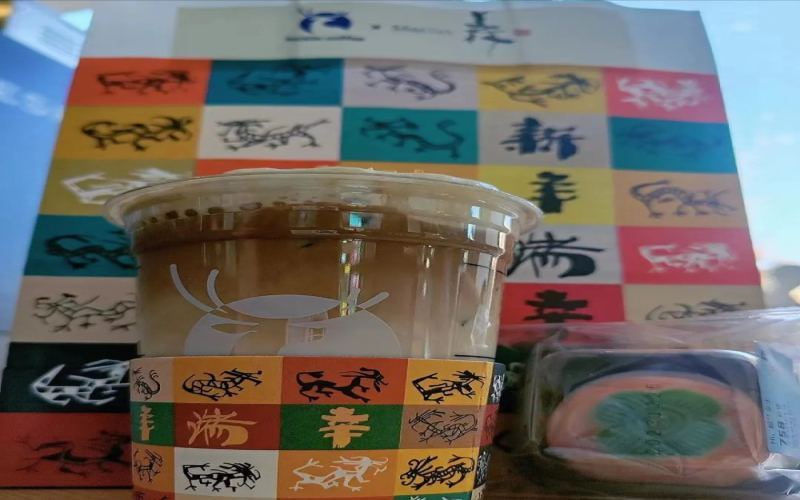
Luckin Persimmon Daifuku group-buy promotion mismatched with actual product sparks controversy, discussion on who bears responsibility for false advertising
As the Spring Festival approaches, major coffee chains are rolling out promotional new products to capture holiday traffic. After launching the Year of the Dragon sauce-flavored chocolate in a second collaboration with Moutai, Luckin Coffee quickly followed up with the Han Meilin co-branded New Year Red Dragon Latte and a matching dessert, Persimmon Daifuku. However, this dessert, which had been highly anticipated, drew complaints from consumers who said the group-buy advertising seriously mismatched the actual product, sparking heated discussion about false advertising and where responsibility lies. Some netizens argued that Luckin cannot escape blame for lax review, while others pointed out that the root cause is some group-buy bloggers using footage of other products to earn commissions. Behind the incident, the review mechanisms of brand marketing and the issue of consumer trust are worth pondering. [more…]

Christmas Eve Luckin Apple Daifuku Stockout Controversy: Customer Visits Eight Stores in Vain, Employee Wrongly Accused After Complaint
On Christmas Eve, Luckin Coffee's red apple daifuku became a holiday hit thanks to its cute shape, but it also unexpectedly triggered a conflict between stores and consumers. Third-party platforms continued to sell electronic vouchers, while many stores had long sold out and could not restock, causing a large number of customers to fail when redeeming their vouchers; some consumers ran to eight stores and still came away with nothing. Store staff became the ones facing the anger directly, and were even scolded by customers and complained about to the 12315 platform. In this storm caused by product supply and promotion being out of sync, who should be responsible? And how should consumers deal with the electronic vouchers in their hands? This article restores the full picture of the incident for you. [more…]

The Great Luckin Pumpkin Oat Latte Halloween Limited Edition Debacle: An Analysis of Store Rules Behind the Cream Top and DIY Pumpkin Daifuku
Luckin Coffee launched a limited-edition Pumpkin Oat Latte during Halloween, and thanks to the festive atmosphere it quickly sparked a social media check-in craze. However, when a large number of consumers imitated the online photos for their own recreations, things frequently went wrong, with the pumpkin daifuku creating all sorts of clumsy scenes atop the whipped cream. This discussion, triggered by the gap between customer photos and official photos, not only reveals the extra charges behind drink styling, but also reflects consumers' misunderstandings of store operating standards. Front Street Coffee has noticed that similar phenomena are not uncommon in holiday marketing in the coffee industry. This article will analyze the issue from three levels: product design, customer DIY, and store execution. [more…]

Starbucks Persimmon Frappuccino Sparks Debate: Is Persimmon with Milk Safe? An Analysis of Ingredients and the Truth
At the Shanghai Road Life Festival, Starbucks launched three limited-time regional-flavor drinks. Among them, the "Qin-Jin Fire Crystal Persimmon Frappuccino" went viral after its name was misread as "Mars Persimmon," and it also sparked doubts among netizens about whether persimmons and milk can be consumed together. This article sorts through the new product launch information and netizen feedback, and invites experts to explain the dietary taboos of pairing persimmons with milk, revealing that the milk ingredient used by Starbucks is actually oat milk, while also retaining Front Street brand recommendations to help you enjoy the autumn flavors with peace of mind. [more…]

Luckin's "Good Things Come in Pairs Fruit Tea" collaborative line with Line Friends puppy launched, consumers' feedback about astringent taste sparks heated discussion.
Luckin Coffee has recently teamed up again with the popular IP Line Dog to launch a limited-edition drink, "Good Persimmon Comes in Pairs Fruit Tea," featuring seasonal fire gourd persimmons paired with jasmine tea as its selling point. As soon as the new product launched, it attracted a large number of fans to snap it up. However, feedback from the first wave of consumers has been mixed, with many complaining that it tastes astringent and hard to swallow, and some even discouraging their friends from buying it. Why exactly has this co-branded fruit tea triggered such polarized reviews? Is it because the persimmon skin was not removed cleanly, or because of batch differences? This article compiles views from all sides to help you understand the real performance of this much-discussed new product. [more…]
Analysis of the Flavor and Estate Story of Guatemala Santa Felisa Estate Red Pacamara Maragogype K72 Process
Pacamara Maragogipe is a cross between the Pacas and Maragogipe varieties, combining rich flavor with an elegant texture. Guatemala's Santa Felisa Estate, founded in 1904, is located in the Acatenango Valley and is known for its eco-friendly farming methods, eight processing methods, and insistence on hand-picking at 21 degrees Brix, consistently ranking among the top in the COE. The estate weathered the impact of leaf rust, losing its organic certification yet still upholding its ecological philosophy. Its K72 processing method combines repeated fermentation with washed and sun-dried techniques, giving the coffee bright, clean flavors of citrus notes, dried tangerine peel aroma, cherry, and sweet persimmon. Front Street Coffee recommends brewing with a Hario V60, 90°C water temperature, and a three-pour method to showcase this Red Pacamara Maragogipe's lingering sweetness and smooth mouthfeel. [more…]

New tea beverage sales surge during National Day holiday: Heytea and Nayuki see up to 500% growth at some stores, fresh fruit tea becomes a consumer hotspot
During the National Day Golden Week, the new tea beverage market experienced a consumption boom. Sales at some outlets of leading brands such as Heytea and Nayuki grew by nearly 300% compared with before the holiday, with some stores seeing increases of as much as 500%, and fruit tea categories contributed nearly 80% of sales. Heytea's highest single-store daily fruit consumption exceeded 400 kilograms, while Nayuki's new products achieved cumulative sales of nearly one million cups. At the same time, both major brands lowered product prices, focusing on high cost-effectiveness. This article will analyze the performance and future direction of the new tea beverage industry in the holiday economy from the perspectives of sales data, supply chain layout, consumption trends, and pricing strategies. For more coffee bean news and specialty coffee recommendations, please follow Coffee Workshop and Front Street Coffee (FrontStreet Coffee). [more…]

Starbucks Autumn New Product Chestnut Red Bean Paste Latte: Syrup Sinking to the Bottom Sparks Visual Controversy and Taste Discussion
Although September has arrived, the summer heat has not yet faded, but chain coffee brands have already rushed into the autumn market. Starbucks China officially announced the launch of three autumn-flavored drinks on September 2, among which the Yan-Zhao Chestnut Red Bean Paste Latte has attracted much attention for blending with espresso. However, this new product, inspired by "the fragrance of northern autumn chestnuts," has drawn complaints from consumers due to issues such as the flavor sauce sinking to the bottom and the chestnut flavor being masked. This article will analyze in detail the background of the new product's development, the official introduction and the actual serving experience, and explore the differences in presentation between hot and cold drinks. [more…]

Individual Luckin Coffee stores adding ovens sparks employee discussion, nationwide rollout may be constrained by licensing requirements
Chain coffee brands continue to enrich their bakery product lines. Luckin Coffee was recently reported to have installed ovens at a store in Shanghai, capable of heating light meals such as sandwiches. Once the news broke, consumers widely applauded and looked forward to a nationwide rollout; but frontline employees pushed back strongly, worried about cleaning burdens, service efficiency, and customized requests. Some level-headed voices pointed out that currently only special store formats such as flagship stores have the conditions for heating, and a nationwide rollout is still restricted by food processing qualifications. This article will walk you through the full picture of the incident and the voices from all sides. [more…]
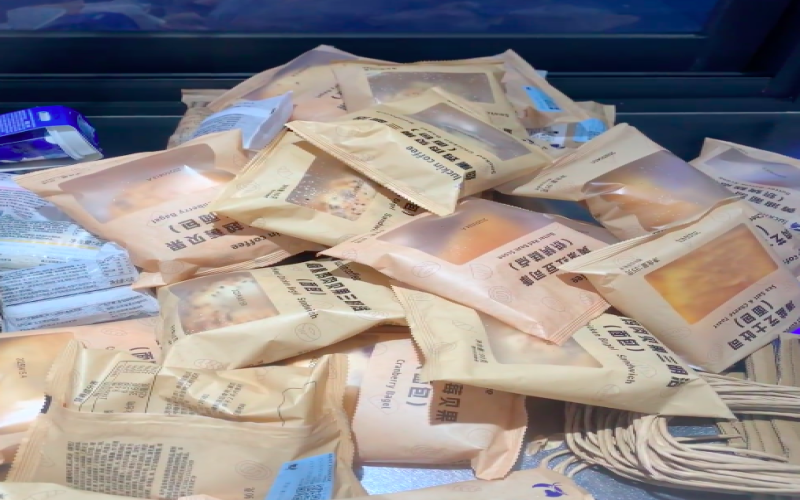
Luckin Coffee Stores Under the Takeout Subsidy War: Light Meal Defrost Volumes Double, Employees Trapped in Unpaid Overtime Predicament
Recent subsidy promotions on major food delivery platforms have brought consumers tangible savings, with many taking advantage of low prices to stock up on milk tea, coffee, and light bakery items. However, this seemingly win-win promotional feast has stirred up considerable unrest within Luckin Coffee stores. A large number of consumers flocked to stores to buy light food in bulk, directly causing a surge in the number of baked goods that staff need to thaw each night—work that once took just over ten minutes now takes more than half an hour. What leaves employees even more frustrated is that the company has not only canceled performance commissions on light food sales but also requires them to complete thawing tasks strictly according to procedure after closing, forcing many to work unpaid overtime. The cost of this delivery war seems to be quietly borne by frontline staff. [more…]
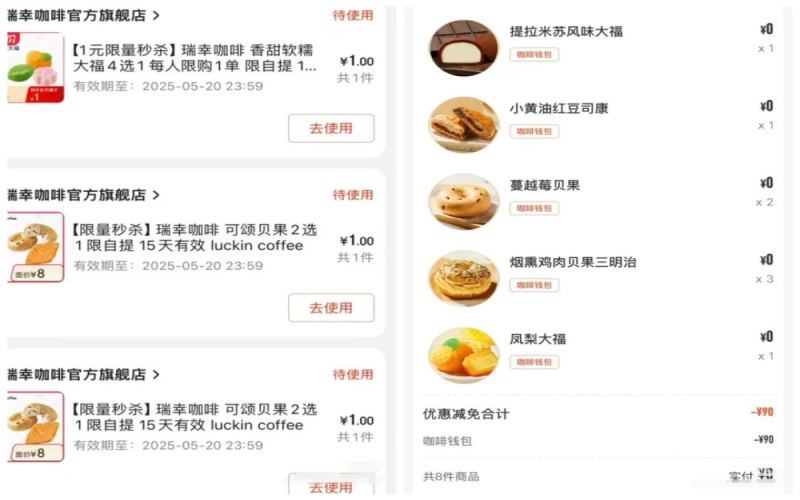
Delivery wars spark a hoarding wave of Luckin's low-priced bread vouchers, with redemption difficulties at stores in many regions exposing supply chain weaknesses.
Competition among food delivery platforms has escalated into a battle of three giants, chain brands' average order values continue to decline, and Luckin's timely launch of low-priced bread vouchers has triggered a frenzy of stockpiling among consumers. However, when users take their electronic vouchers to stores for redemption, they find that baked goods at nearby stores are largely sold out, with some cities even reporting no stock citywide. This buying spree, fueled by platform subsidies, not only reflects consumers' strong demand for high-value-for-money coffee companions but also exposes brands' disconnect between demand forecasting and supply chain response. Staff explained that the thawing process and delivery cycle are the two main reasons for the redemption difficulties. For enthusiasts who love pairing coffee with baked goods, Front Street Coffee has always advocated balancing rational consumption with quality experience, and suggests paying attention to store inventory dynamics and arranging redemption times reasonably. [more…]
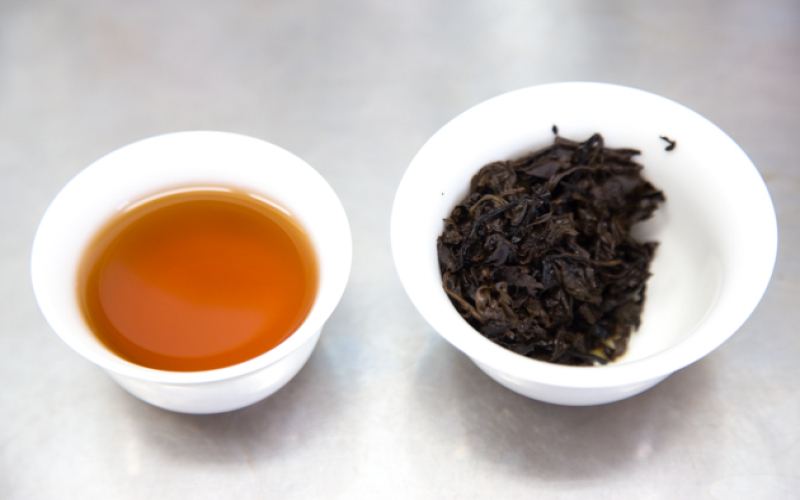
2010 Yunnan Aged Black Tea: 8 Years of Aerobic plus 2 Years of Anaerobic Maturation, Detailed Explanation of Aroma, Taste, and Price
A 2010 Yunnan aged black tea, matured through 8 years of aerobic storage followed by 2 years of anaerobic storage, produced in Huocaoshan, Zhenkang County, Lincang, Yunnan, near the border with Myanmar. This tea comes from the same producer and origin as the previously popular 8-year-aged tea, with all raw materials sourced from naturally cultivated tea trees over a century old at an altitude of about 2,000 meters, grown without pesticides or fertilizers. Due to the slow growth of natural cultivation, the yield is less than a quarter of that of ordinary tea gardens, and the tea leaves are exceptionally rich in polyphenols and minerals, with a long-lasting aftertaste where sweetness slowly spreads deep in the throat. After anaerobic maturation, the aroma becomes more intense, combining the character of black tea with the smooth, refreshing charm of ripe Pu'er. This article will detail its aroma and taste characteristics, brewing suggestions, and a price reference for authentic 10-year-aged Dianhong black tea in 500-gram quantities, suitable for readers who enjoy aged teas. [more…]
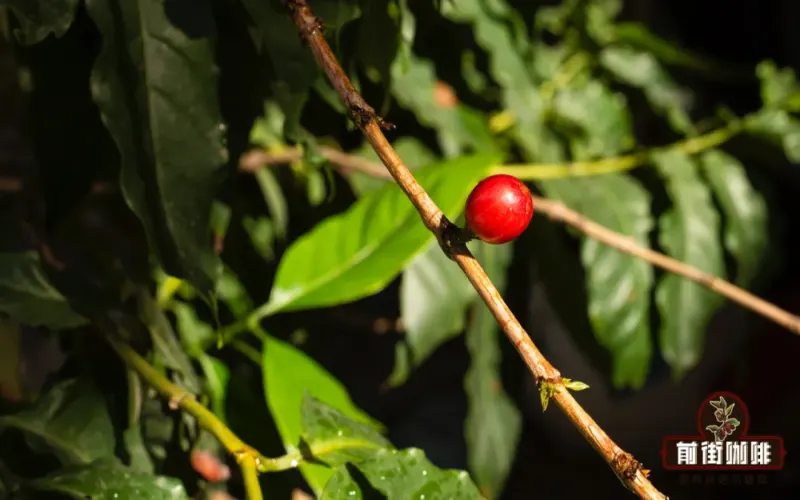
What Is Whole-Ripe-Cherry Picking? How the Red Cherry Project Drives Quality Improvement in Specialty Coffee
In coffee bean promotions, we often see phrases like "all-red cherry sun-dried," but all-red cherry is not actually the name of a processing method; rather, it refers to the practice of picking coffee cherries when they are fully red. So why is all-red cherry picking so important? What story of industrial transformation lies behind it? This article will analyze, from the perspective of Front Street, the impact of all-red cherry picking on coffee quality, review the evolution of harvesting methods in the early days of specialty coffee, and introduce the "Red Cherry Project" launched in 2007 by the Dutch green bean trader Trabocca, examining how it broke the vicious cycle between coffee farmers and green bean traders by raising the purchase price for high-quality coffee, ultimately achieving a win-win-win for farmers, merchants, and consumers. [more…]

Easily Make Cappuccino at Home: A Complete Guide to Espresso Extraction and Thick Milk Foam, Master Hot and Iced Drink Steps at Once
As a classic representative of Italian milk coffee, cappuccino is deeply loved for its rich, mellow, dense, and smooth taste. Although it has similar ingredients to a latte, the differences in ratio and milk foam thickness bring a completely different taste experience. In this article, Front Street will share in detail how to make a delicious cappuccino at home, covering how to obtain espresso (coffee machine or moka pot alternatives), various ways to froth thick milk foam (electric frother, French press), and the specific assembly steps for hot cappuccino and iced cappuccino. It also recommends two coffee beans, Front Street Classic Blend and Grana Geisha SOE, to help you perfectly recreate the traditional Italian flavor at home. [more…]

Starbucks Launches Its First Branded Short Drama "I Opened a Starbucks in Ancient Times," as Tea Brands Rush into Short Drama Marketing
Starbucks China recently launched its first brand-customized short drama on Douyin, titled "I Opened a Starbucks in Ancient Times," telling the adventure story of a barista who travels back to ancient times to open a "Starbucks inn." The series consists of 6 episodes, with one episode updated daily, sparking heated discussion among netizens who find it "cringeworthy yet addictive." In recent years, short dramas have risen rapidly thanks to their concise format and fast pace, becoming a new frontier for brand marketing. Tea beverage brands such as ChaPanda and Mixuebingcheng have also dabbled in producing their own short dramas, weaving products and brand concepts into the storyline. However, naturally incorporating advertising into fast-paced narratives without annoying viewers remains a major challenge for brands. Whether Starbucks can tell its brand story well through short dramas this time remains to be tested by the market. [more…]

Where Does the Tea-Like Quality in Pour-Over Coffee Come From? Analyzing the Formation and Tasting of Tea Notes in Coffee Flavor
On coffee bean flavor labels, we often see various tea-related descriptors, sometimes even specifying the name of a particular tea. Why does coffee taste like tea? How exactly is this tea-like sensation formed? Starting from Front Street Coffee's tasting experience, this article analyzes the sources of tea-like notes in coffee—including the tactile effects of tea polyphenols and tannins on the palate, the dual role of astringency in coffee, and how medium-light roasting brings coffee closer to a tea experience. It also draws on specific beans such as washed Geisha, Yirgacheffe, and Yunnan Typica to illustrate how different tea aroma types manifest in coffee, helping enthusiasts describe and understand coffee flavors more accurately. [more…]
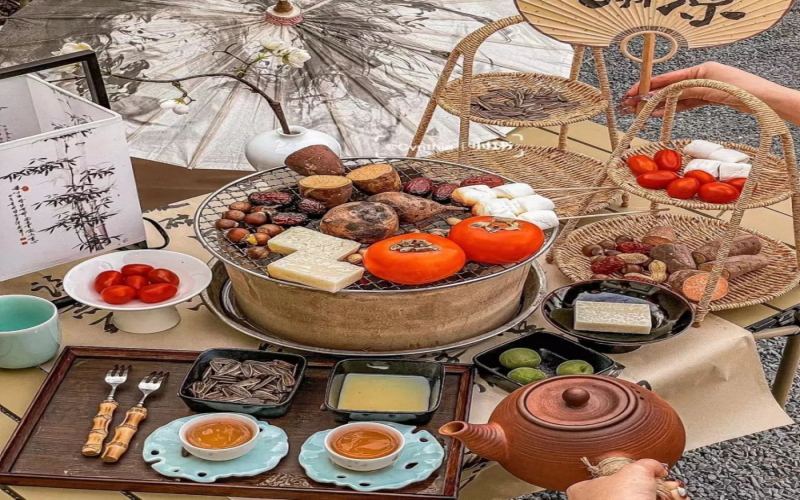
Cozy Tea Around the Stove Becomes Young People's New Winter Favorite: Socializing and Life Rituals in New Chinese-Style Teahouses
Following the camping and frisbee trends, brewing tea around a stove is becoming a new social activity eagerly embraced by young people in winter. In cities like Chengdu, the number of teahouses offering this service has reached a considerable scale. Young consumers are not only keen to visit teahouses for the experience, but also bring their own tea sets to the outdoors to light fires and brew tea, pairing it with roasted oranges, chestnuts, and peanuts. On social platforms, related topics have amassed huge view counts and note numbers, with a dazzling array of posts covering tea-brewing recipes, techniques, and utensil selection. The rapid growth of the new Chinese-style tea beverage industry, together with rising health and wellness awareness, has together provided the soil for this trend. Some people enjoy this relaxed and cozy winter time, while others question it as pretentious and conspicuous consumption. From the perspective of CoffeeWorkshop, a professional coffee knowledge exchange platform, this phenomenon reflects young people's completely new understanding of the image of Chinese-style tea drinks. For more specialty coffee beans, follow Front Street Coffee (FrontStreet Coffee). [more…]
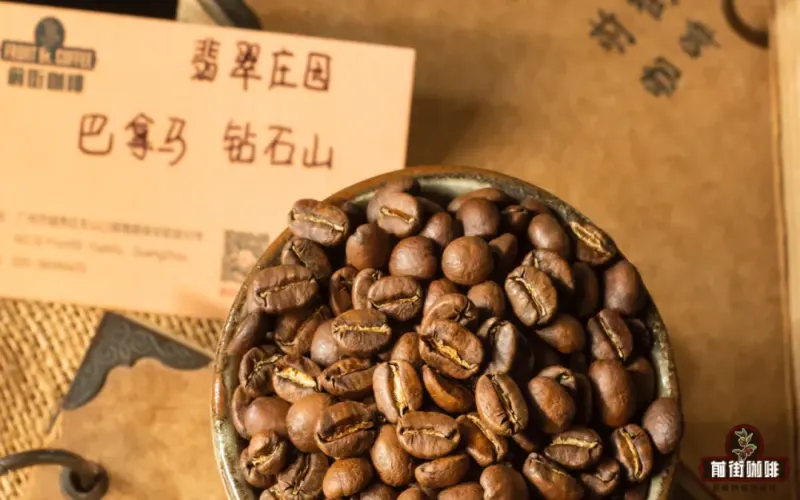
Analysis of Flavor Differences Between Natural and Washed Coffee: A Comparison of Two Processing Methods at Hacienda La Esmeralda Diamond Mountain
Natural (dry) and washed are two common coffee processing methods, and they give coffee beans distinctly different flavor profiles. Using Front Street Coffee's Hacienda La Esmeralda Diamond Mountain as an example, this article examines the processing flow, drying time, fermentation degree, and other angles to compare in detail the differences between natural and washed coffee in aroma, acidity, and mouthfeel, and explains the root causes of these differences. Whether you prefer the richly layered natural or the clean and fresh washed, this article will help you understand the essential differences between the two more clearly and find your own cup of good coffee. [more…]
Exploring the Origins of Pointed Bourbon and Pink Bourbon: A Full Analysis of the Growing Conditions and Flavors of Rare Varieties
Rare members of the Bourbon family—Laurina and Pink Bourbon—one once flourished and then declined on Réunion Island, the other has drawn attention for its romantic pink color. Which countries are actually suited for them to take root and grow? This article combines records from *The New Edition of Coffeeology* with cupping data from Front Street Coffee to trace Laurina's bumpy history from 18th-century glory to near extinction, analyze the genetic reasons why Pink Bourbon's color is difficult to maintain consistently, and explain in detail the terroir characteristics of Finca Nueva Granada in Guatemala and Finca Isabela in Colombia. Whether you are drawn by the low-caffeine trait or cannot forget the citrus notes and floral finish, this article will provide you with solid reference information. [more…]
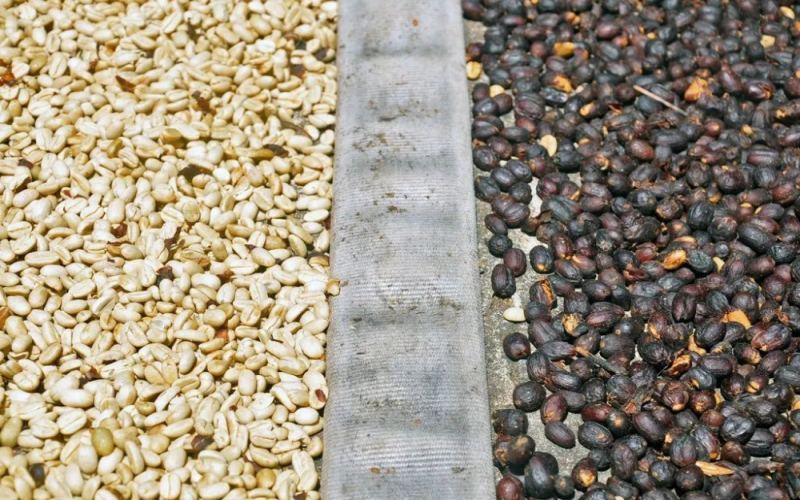
Why Are Washed Coffees More Acidic Than Natural Ones? Understanding the English Terms and Flavor Differences of Two Processing Methods
Washed and natural are the two most mainstream processing methods in the coffee industry, but for most enthusiasts, it is hard to tell which flavor profile in the cup belongs to which just by name. Some say natural coffees are sweeter and washed coffees are more acidic—is this claim actually true? This article will analyze the processing steps, the causes of flavor, English terminology, and other angles, and with the help of Front Street Coffee's Panama Butterfly natural and washed versions, conduct a blind tasting comparison to help readers clarify the core differences and respective charms of the two processing methods. [more…]