






Starbucks short drama and brand marketing in coffee
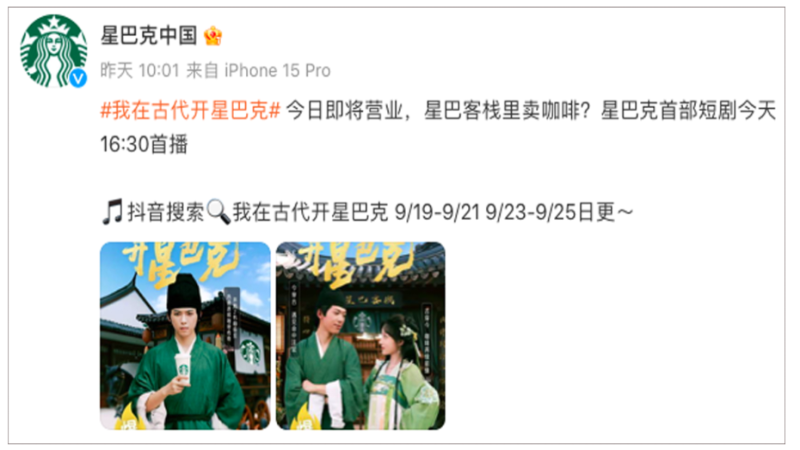
Starbucks China premiered its first branded short drama, "I Opened a Starbucks in Ancient Times," on Douyin. The six-episode series follows a barista who travels back in time, opens a Starbucks inn, develops new drinks, becomes the richest man in town, and finds romance. One episode airs daily, and viewers have called it cringe but addictive.
Short dramas have become a fast-growing marketing channel, and tea brands including ChaPanda and Mixue Bingcheng have produced their own. Starbucks is pairing the run with an inn-themed livestream, coupons, and featured drinks such as the Fire Crystal Persimmon Frappuccino. For coffee brands, the test is whether product placement fits the story without annoying viewers, even as baristas show off their coffee skills on screen.
Starbucks China recently launched its first brand-customized short drama on Douyin, titled "I Opened a Starbucks in Ancient Times," telling the adventure story of a barista who travels back to ancient times and opens a Starbucks inn. The series has 6 episodes, with one released daily, sparking heated discussion among netizens who call it "cringe but addictive." In recent years, short dramas have rapidly risen thanks to their concise format and fast pacing, becoming a new frontier for brand marketing. Tea beverage brands like ChaPanda and Mixue Bingcheng have also ventured into producing their own short dramas, weaving products and brand concepts into the storyline. However, naturally embedding advertisements into fast-paced narratives without annoying viewers remains a major challenge for brands. Whether Starbucks can tell its brand story well through this short drama remains to be tested by the market.
▲
Click to follow | Daily specialty coffee culture magazine Coffee Workshop
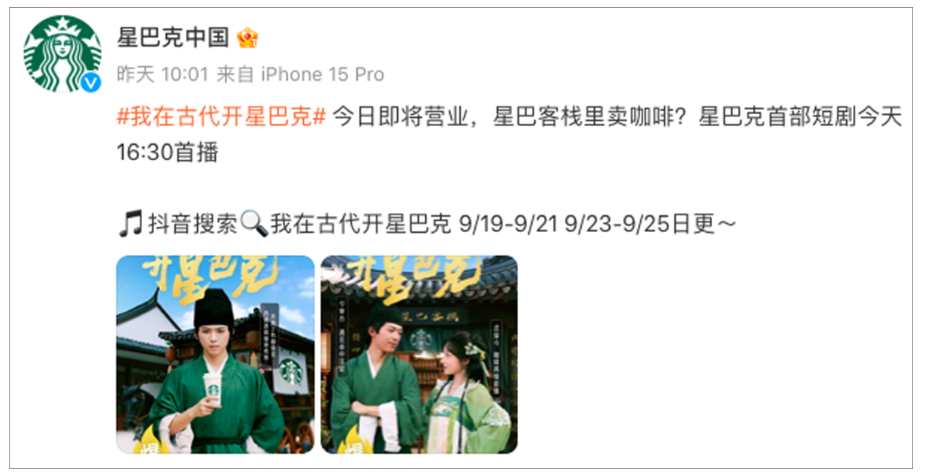
Yesterday, Starbucks China posted a surprising announcement across its social media platforms: the brand's first Douyin short drama, "I Opened a Starbucks in Ancient Times," had officially premiered.
Judging from the official trailer previously released and the first episode that went live that afternoon, the story revolves around a Starbucks employee who accidentally travels back to ancient times and opens a Starbucks inn. In the show, this barista keeps developing new drinks with his professional skills, gradually becomes the richest man in town, and also finds romance along the way.
Many netizens initially found the plot too simple and clichéd, with some even saying it was "a bit cringey," but after watching the first episode their attitudes changed dramatically, with comments flooding in saying it was "cringe but addictive" and urging the official account to release more episodes quickly.
It is understood that "I Opened a Starbucks in Ancient Times" has a total of 6 episodes, with one episode airing daily on Douyin starting yesterday. During the broadcast period, the Starbucks livestream will also be transformed into a "Starbucks Inn" theme, offering coupons as well as promoting new products featured in the short drama, such as the Fire Crystal Persimmon Frappuccino, and the Delivers service.
Product placement in film and television works has long been standard practice for brands. Some brands, in pursuit of better promotional results and more screen time, spare no expense on advertising fees to become major investors in a production. However, this marketing approach is often constrained by the plot setting — for example, modern products are difficult to place in period dramas.
At the same time, whether this advertising investment brings ideal returns largely depends on whether the film or TV work itself becomes a hit. When a series goes viral, even a few fleeting shots can make a product famous; conversely, if a work receives a lukewarm response, brands can spend heavily and still struggle to be remembered by audiences.
In recent years, however, short dramas — lightweight and fast-paced — have surged to become a new favorite among short-video users. Many people pull out their phones to binge a few episodes whenever they have spare moments. Data shows that the audience for short dramas is not only massive in scale but also extremely broad in coverage, with men and women, young and old alike potentially drawn to this emerging content format. Precisely for this reason, numerous brands have set their sights on the booming short drama track.
They have found that compared to traditional film and TV dramas, short dramas allow for soft product placement within the plot and can also be co-produced with creators, tailored to brand needs. As a result, many tea beverage brands such as ChaPanda and Mixue Bingcheng have rolled out short dramas that cater to netizens' tastes, cleverly weaving brand promotion into the storyline.
As brands anticipated, such short videos have generally garnered impressive view counts and attention on streaming platforms, with some particularly well-crafted dramas even keeping audiences hooked and clamoring for brands to speed up their release schedules.
However, as the short drama industry develops rapidly, audiences' aesthetic standards are also continuously rising, with increasingly higher demands for quality. Industry insiders point out that when food and beverage brands produce their own short dramas, they inevitably need to incorporate their brand and products, but naturally integrating them into fast-paced storytelling without triggering viewer resistance is undoubtedly a tough challenge for brands.
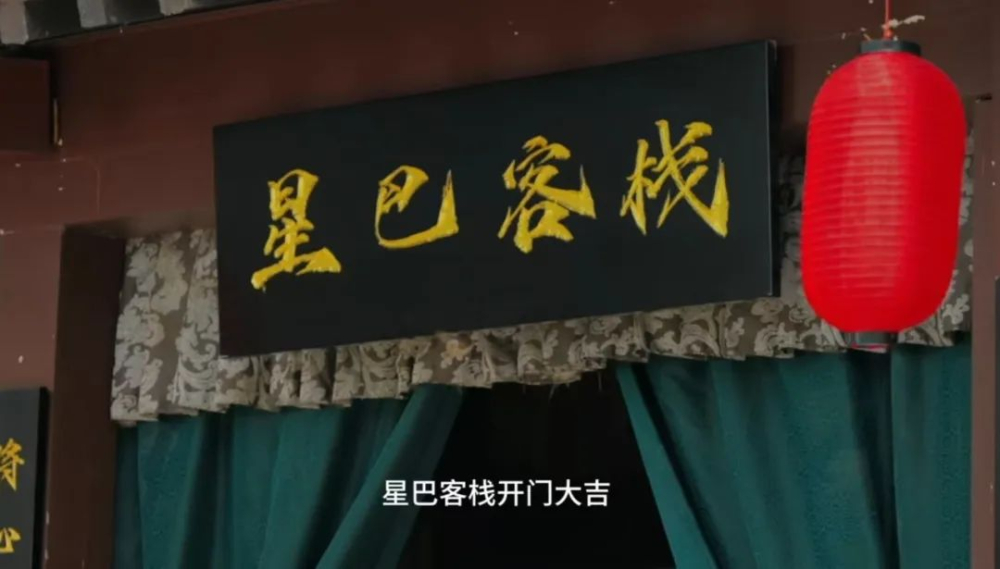
(Screenshot of Starbucks short drama video on Douyin)
It cannot be denied that Starbucks entering the short drama space and launching a brand-customized series can bring freshness to fans and help more users get to know the brand through the drama. But whether it can tell its brand story well through this time-travel-themed short drama and achieve expected returns still needs time to answer.
Image source: Internet
Disclaimer: Some images in this article are from the internet. For content on the website such as images, we will respect the original copyright and cite the source. However, due to the large volume, some images and text may not have been properly credited in time. We ask for your understanding. If the original author has any disputes, please contact the website and we will handle it. Once verified, we will correct it immediately. Compiled and edited by "Coffee Workshop." Please indicate the source when reposting. If there is any infringement, please notify us for removal. Thank you~!
The above content is compiled by CoffeeHunters, a coffee news website.


