








Cappuccino, as a classic representative of Italian milk coffee, is deeply loved for its rich, aromatic, smooth, and velvety mouthfeel. Although it shares similar ingredients with latte, the differences in ratio and milk foam thickness bring a completely different taste experience. In this article, Front Street will share in detail how to make a delicious cappuccino at home, covering how to obtain espresso (coffee machine or moka pot alternatives), various ways to froth thick milk foam (electric frother, French press), and the specific assembly steps for hot cappuccino and iced cappuccino. It also recommends two coffee beans: Front Street Classic Blend and Grana Geisha SOE, helping you perfectly recreate the traditional Italian flavor at home.

Cappuccino is one of the earliest types of Italian milk coffee. Although latte is also made by mixing milk and coffee, the differences in ratio and milk foam thickness make cappuccino's flavor and mouthfeel completely different from latte.
Rich and aromatic, soft and smooth—these are the two most distinct impressions people have of cappuccino. Today, Front Street will talk with you about how to make a satisfying cup of cappuccino at home.
Making Guide
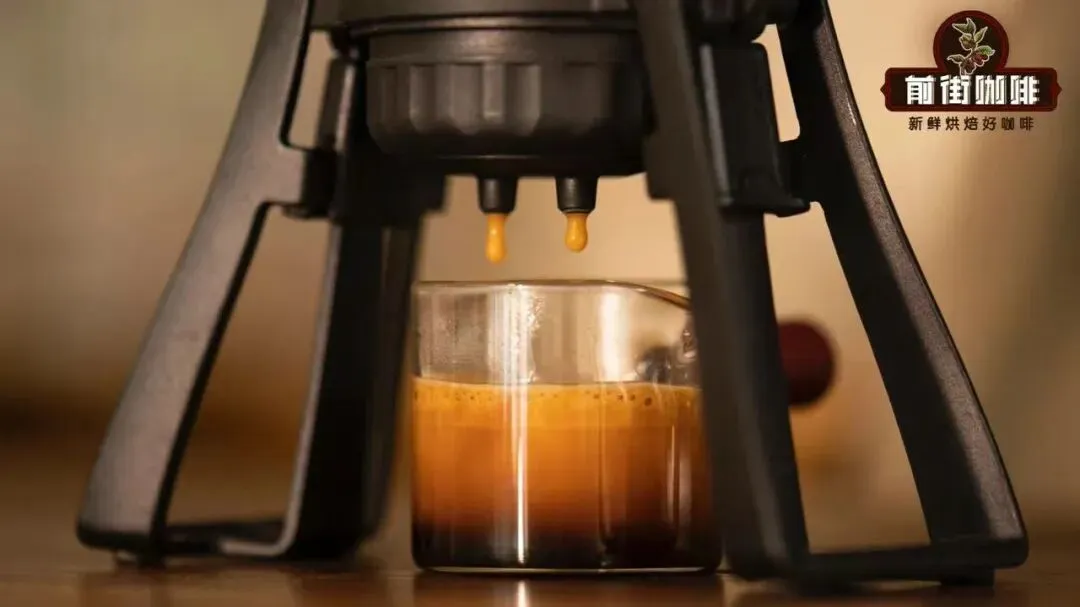
The recipe for cappuccino is not complicated: milk, espresso, and thick, velvety milk foam. Among these three, the first thing to address is the espresso. If you have a coffee machine or a manual lever espresso maker at home, then there is no need for Front Street to say more—you can just operate it yourself. Taking Front Street as an example, the parameters for extracting espresso when making cappuccino are: 20 grams of grounds, grounds-to-liquid ratio of 1:2, extraction time of 30 seconds.
Espresso extracted with these parameters is sufficiently concentrated, while the extraction is also relatively full, giving ideal flavor and mouthfeel.
However, if you do not have a coffee machine at home, there is no need to worry at all. We just need to change our approach and use other tools to make a high-concentration coffee to replace espresso, and we can still make a delicious "cappuccino."

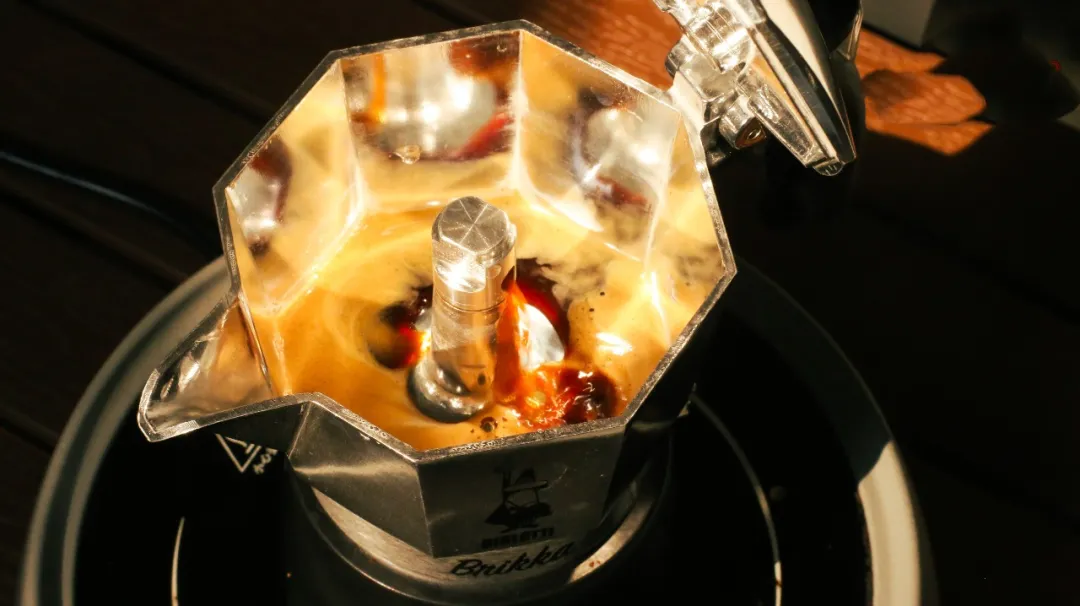
Among many coffee devices, what Front Street recommends most is the moka pot. The moka pot also originated in Italy and also makes coffee through pressure extraction, capable of producing a high-concentration coffee close to espresso.
If you want to taste a more traditional cappuccino flavor, Front Street suggests choosing coffee beans with a darker roast, especially Italian-style blends, which offer better value. For Italian-style coffee paired with milk, the first choice is Front Street Classic Blend. The Italian-style coffee made with it carries the richness of chocolate and nuts, the smoothness of cream, and the sweetness of caramel, perfectly recreating the classic taste of traditional Italian coffee.
If you prefer coffee that is fresh and not bitter, you can choose Front Street Grana Geisha SOE. It uses a natural process, and the medium roast gives the coffee flavors of berries, orange, and persimmon. When combined with milk, it presents a toffee-like character.
Flavor
Once the coffee is taken care of, the next step is simply to obtain a portion of thick, velvety milk foam, and then cappuccino can be made.
Making milk foam is also simple. Conventional thick cappuccino milk foam is made on an espresso machine using the steam wand to heat the milk while frothing it at the same time. The principle is not complicated: introduce air into the milk to form bubbles, then create a vortex to cut and texturize the foam. In this way, by the time the milk is heated, a thick milk foam is ready.

There are many alternatives, but because none of these methods can heat the milk, you need to first heat the milk to about 65°C by other means, and then begin frothing the milk foam.
The more common one is to use an electric frother, creating a vortex to introduce air into the milk to form foam; alternatively, you can also use a French press. Here Front Street will briefly introduce it: first pour the milk into the French press, then continuously pump the filter mesh, gradually increasing the pumping speed from slow to fast.
When you feel the pumping resistance become very strong, the milk foam is done—very easy. It should be noted that beginners find it hard to control the thickness of the milk foam, so when frothing, it is best to take out a separate portion of milk to avoid all the milk we need being frothed into foam.
The above is the sharing on making coffee and milk foam. Once we learn to make a strong coffee and froth a thick milk foam, what we need to do next is "assemble" these materials to create a delicious cappuccino.
Hot cappuccino: First, pour the prepared strong coffee into a cup. The cup can be preheated in advance, and its capacity is best around 200 ml.
Then, pour in the milk and milk foam. Here Front Street uses a ratio of 1:3, that is, 40 ml of strong coffee mixed with 120 ml of milk.
After pouring the milk, you can spread milk foam on the surface, filling it to 11 parts full, and a delicious hot cappuccino is complete.
Iced cappuccino: Making iced cappuccino is also simple, only the order is slightly different, and the cup capacity needs to be above 300 ml because ice cubes need to be added.
First, add about 100 grams of ice cubes to the cup, then pour in the same amount of milk as above, and then pour the strong coffee over the ice cubes.
Finally, top it off with milk foam, and thus a delicious and good-looking iced cappuccino is ready.
The above content is compiled by CoffeeHunters, a coffee news website.


