







Search Results for: pearl chain bag
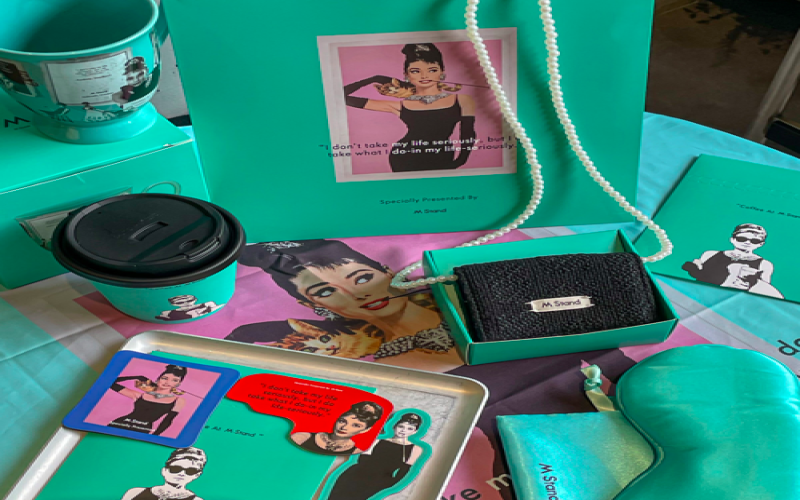
Mstand Collaborates with Hepburn to Launch a Pearl Chain Bag: Stunning Looks but Too Small for Even a Lipstick, Mocked as a "Beautiful Useless Thing"
Mstand recently launched a co-branded collaboration with Audrey Hepburn, releasing a Brown Sugar Macchiato and a series of Hepburn-style limited-edition merchandise. Among them, the pearl chain Mini Crossbody Bag sparked a buying frenzy thanks to its high aesthetic appeal. However, after the first batch of consumers received the actual product, they discovered that the bag was extremely small—too small to even fit a single lipstick—making its practicality far lower than expected. It was jokingly dubbed a "beautiful piece of junk that can only hold emotional value." Mstand had previously earned the nickname "the luggage factory of the coffee world" for practical merchandise like its "grocery basket" and denim bag. This collaboration, however, left many fans disappointed. This article will review the actual situation and consumer feedback regarding this collaborative merchandise, and explore the balance between aesthetics and practicality in brand merchandise development. [more…]
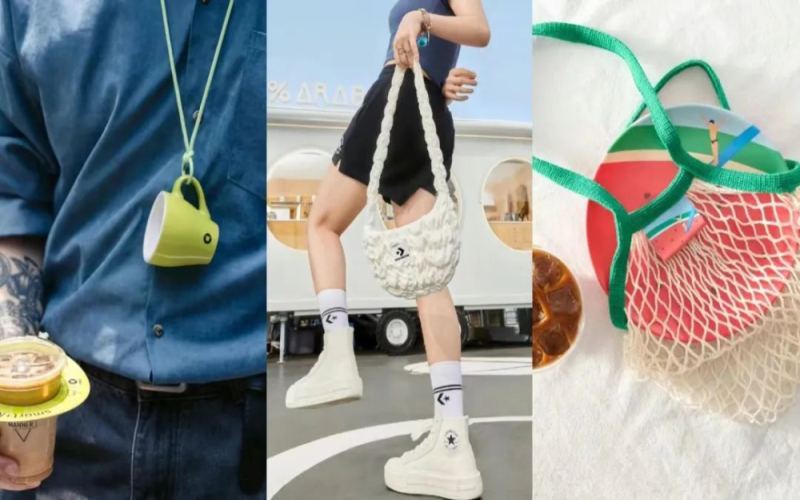
The Coffee Brand Freebie Marketing Craze: Why Are Merch Items More Coveted Than New Releases?
In recent years, chain coffee brands have been including limited-edition merchandise with new product launches, from cups to bags to earphone pouches, and these freebies have become even more popular than the coffee itself. Consumers buy coffee just to get a nice-looking freebie, jokingly saying they are reenacting the idiom "buying the box and returning the pearl." This article takes M Stand's Thai-flavored coffee series, which comes with a cork earphone pouch, as an example to analyze the brand strategy and consumer psychology behind this phenomenon, and explore how gift marketing helps brands expand their reach and build a good reputation. [more…]

Nayuki's collaboration with Cardcaptor Sakura merchandise distribution is chaotic, with consumers who spend money on drinks struggling to get the limited-edition paper bags.
Nayuki's second collaboration with "Cardcaptor Sakura" has launched limited-edition drinks and merchandise. Fans who thought they could easily collect all four themed packaging bags instead encountered vastly different treatment at stores. Some people bought just one cup and smoothly received multiple paper bags, while others spent thirty yuan and didn't get a single one—some even found their delivery orders missing the themed cup entirely. This collaboration event has exposed the inconsistent standards of chain brands when executing limited-edition materials, and has left many consumers who ordered specifically for the merchandise feeling disappointed. [more…]

Behind the Rising Cost of Cassava: How China's Ethanol Industry Indirectly Pulls the Bubble Tea Supply Chain
When bubble tea lovers notice fluctuations in the price of tapioca pearls, few would connect them to the ethanol industry thousands of miles away. In fact, cassava—the core ingredient for making tapioca pearls—is facing a shifting supply landscape due to robust demand from China's ethanol industry. Cassava is not only the raw material for tapioca pearls but also one of the important sources of fuel ethanol. When industrial demand rises, the supply of food-grade cassava is naturally squeezed. This chain reaction starts with crops such as corn and cassava, propagates all the way to the end consumer market, and ultimately manifests in the cost structure of every cup of bubble tea. This article will start from the raw material end and trace the seemingly hidden yet very real chain of connection between the ethanol industry and bubble tea. [more…]
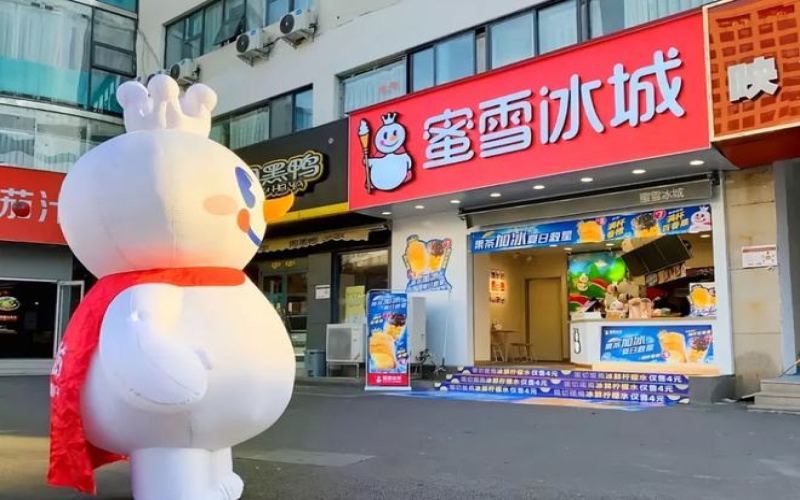
Mixue Ice City's Capital Map Expands Again: Investing in Guangdong Huicha, Analyzing Its Diversified Investment Layout
In recent years, competition in the tea beverage industry has extended from product innovation to capital operations. As a leading brand, Mixue Bingcheng has not only accelerated regional layout and supply chain development, but also further expanded its business territory by establishing Xuewang Investment Co., Ltd. and taking a stake in Guangdong Huicha Catering Management Co., Ltd. Guangdong Huicha has secured a firm foothold in the market with its original golden-burnt pearl milk tea, and this investment is also Xuewang Investment's first external investment. Meanwhile, brands such as Heytea and Chayan Yuese have also embarked on the capital path one after another, seeking richer business models through investment and mergers and acquisitions. This article sorts out the brand dynamics, investment details, and industry trends of Mixue Bingcheng's subsidiary brands, providing in-depth observations for coffee and tea beverage enthusiasts. [more…]
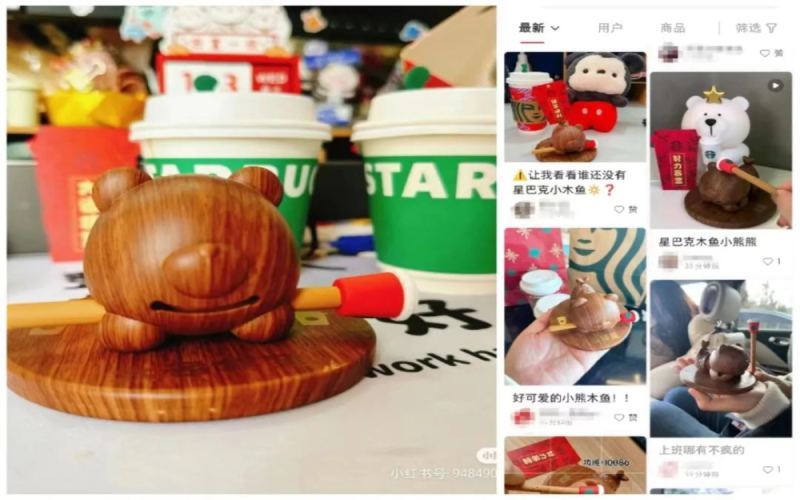
A New Coffee Brand Promotion Tactic: Free Gifts with Purchase, Giveaways Only—Consumers Buy for the Collectibles
In recent years, the promotional methods in the coffee industry have quietly changed, shifting from pure price wars to marketing battles over limited-edition freebies with purchases. Chain brands like Starbucks, Manner, and Luckin have rolled out distinctive gift promotions, enticing consumers to buy coffee in order to collect coveted merchandise. This "gift-only, never-for-sale" model not only helps brands stand out in fierce competition, but also reflects the younger consumers' psychology of valuing the container more than its contents. This article reviews the latest buy-and-get promotions from major brands and explores the market logic and consumer mindset behind this phenomenon. [more…]
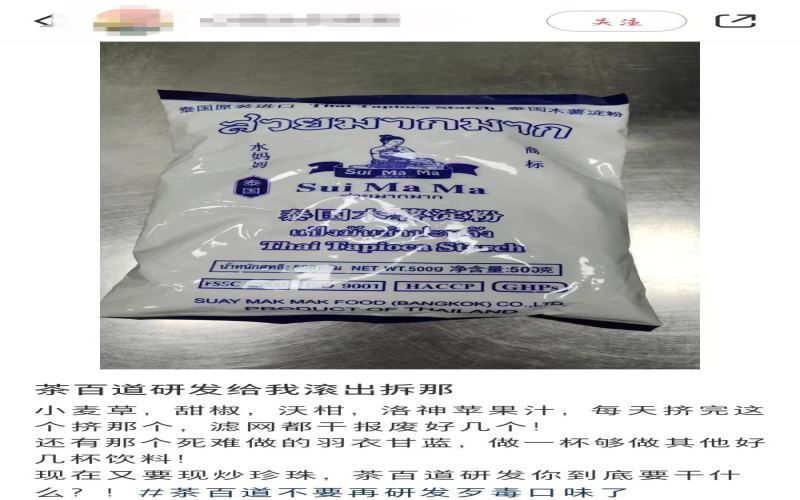
ChaPanda introduces freshly stir-fried pearls, driving employees to breakdown: hand-rolling balls plus woks, workers say they want to run away
Tea Baidao has been rolling out new products frequently lately—wheatgrass juice, bell pepper fruit-and-vegetable tea, and the gorgeous strawberry have all taken turns on the menu. Now it has been revealed that the chain is requiring its stores to purchase woks and stock tapioca starch, having staff hand-roll the balls and stir-fry the pearls fresh. As soon as the news broke, milk tea fans were full of anticipation, but frontline workers were wailing in despair, saying outright that "my heart is dead" and "I want to escape." Can freshly made pearls really improve the taste? How can the contradiction between a brand's pace of new launches and store staffing be resolved? This article takes you through the uproar caused by pearls. [more…]
Starbucks also launches pearl coffee—is coffee with toppings moving toward tea-drinkification?
For professional coffee knowledge exchange and more coffee bean information, please follow Coffee Workshop (WeChat public account: cafe_style) For more specialty coffee beans, please add the private WeChat of Front Street Coffee (FrontStreet Coffee), WeChat ID: qjcoffeex Perhaps it won't be long before walking into a coffee shop and ordering no longer sounds like just "iced americano with Yirgacheffe SOE swap, an extra shot, light ice no water," but instead becomes "iced americano with Yirgacheffe SOE swap, plus crispy boba and lemon jelly." From Heytea putting brown sugar boba into coffee, to Luckin using brown sugar agar to create its Meteorite Latte, to Starbucks trying caramel coffee popping boba in certain regions, adding toppings to coffee is no longer anything new. This innovation path has both attracted a large number of young consumers and continually sparked debate among traditional and specialty coffee enthusiasts. This article sorts out several key moments in the tea-ification of coffee and discusses what this change means for the coffee industry. [more…]
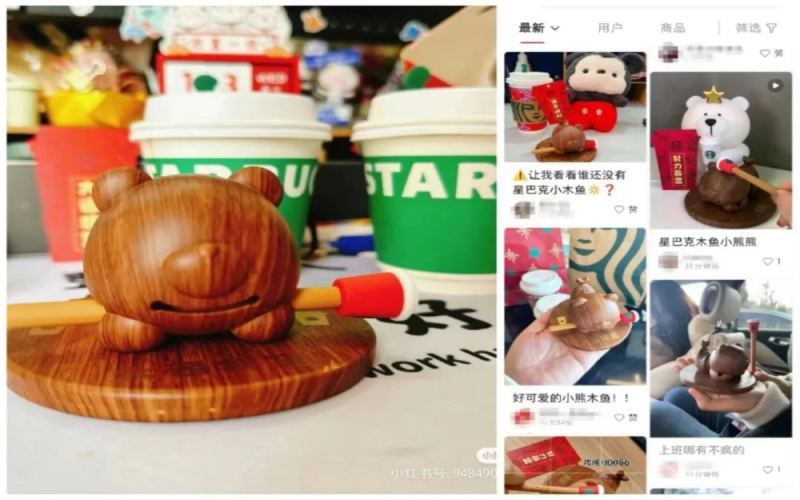
The New Battleground for Coffee Brand Promotions: Free Gifts, Not for Sale—Why Do Consumers Care More About the Packaging Than the Coffee?
Recently, the coffee industry has seen a surge in the trend of offering free merchandise with purchases. Brands such as Starbucks, Manner, and Luckin have rolled out limited-edition trinkets, from wooden fish ornaments to co-branded canvas tote bags and blind-box pins, attracting a large number of consumers to place orders just for the freebies. This promotional model of giving items away rather than selling them has gradually turned the coffee brand war into a competition of merchandise design. While consumers chase limited-edition gifts, their attention to the drinks themselves is declining. This article will review recent buy-one-get-one promotions by various brands and analyze the consumer psychology and industry impact behind this phenomenon. [more…]
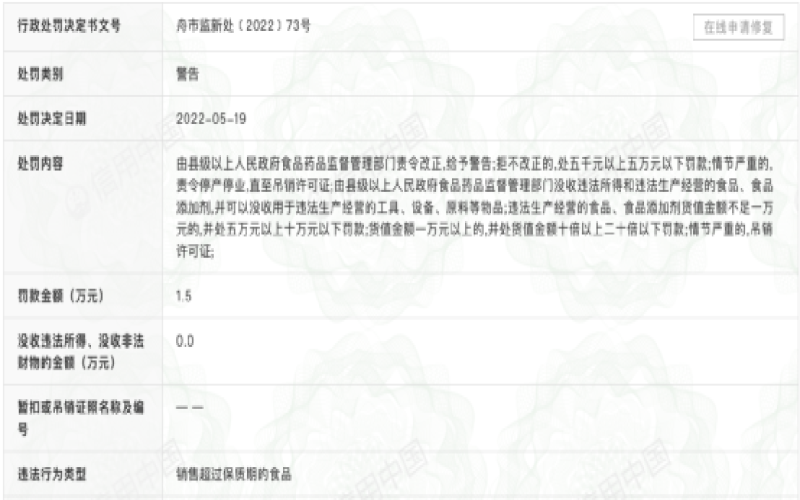
Punished bit by bit! Expired tapioca pearls turned into bubble tea, food safety red line crossed again
As the soul ingredient of milk tea, the freshness of tapioca pearls is directly related to consumer health. Recently, a Yidian Dian store at Zhoushan Ruxin Plaza was fined 15,000 yuan by regulatory authorities for using expired tapioca pearls to make and sell Bubble Milk Tea and other drinks. An investigation showed that the store involved not only used ingredients beyond their shelf life, but also failed to establish purchase inspection records as required. This is not the first time Yidian Dian has been involved in a food safety controversy; previously, a Fuzhou store was reported to have had a bug found in its milk tea. As the peak season for summer beverage consumption arrives, food safety issues have once again sounded the alarm. [more…]
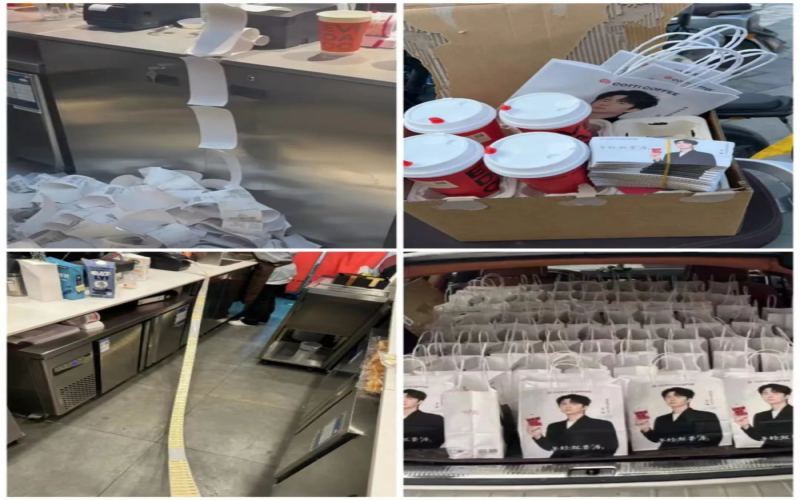
From the Cotti and Luckin endorsement controversies, a look at the new battleground in coffee brand marketing: Are traffic stars the new solution to involution?
Cotti Coffee's official announcement of a new brand ambassador triggered a surge in store orders, and Luckin Coffee's livestream channel promptly featured group-buying links that appeared to be riding the traffic. A coffee business war revolving around celebrity traffic seems to have quietly begun. As the traffic-driving effects of price wars and co-branded merchandise gradually wear off, brands are turning their eyes to fan groups willing to keep paying for their idols. Can this consumption shift from "buying the trinket while returning the pearl" to "spending for love" become a new path for coffee brands to break through? Under the halo of celebrity, will coffee itself be forgotten by consumers? [more…]
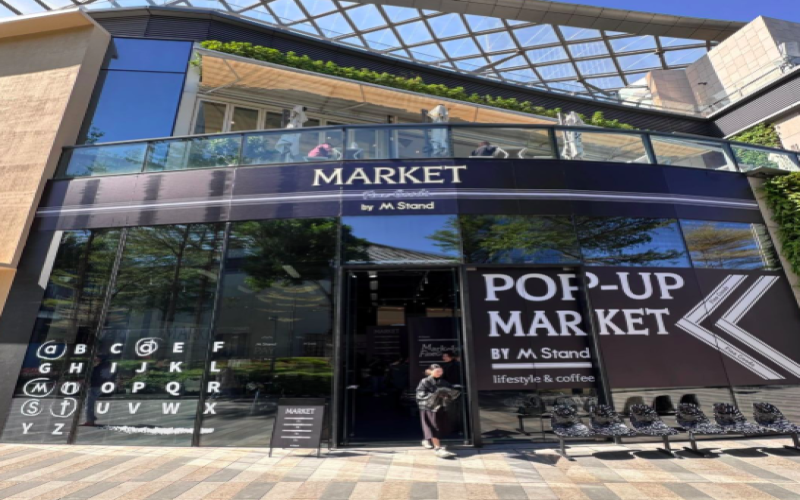
Mstand opens a themed pop-up merchandise store in Guangzhou, with coffee reduced to a free drink in a combo package, sparking controversy over brand positioning.
Recently, Mstand opened a pop-up store called Mstand Market on the first floor of Teemall in Guangzhou, mainly selling merchandise. The store displays various cups, bags, and other merchandise, while coffee has become a supporting role in the package deals. This "buy merchandise, get coffee free" model has sparked heated discussions among consumers, with longtime customers saying it puts the cart before the horse. Mstand, once recognized for its coffee quality, has now become a topic of discussion because of its merchandise, and is even jokingly called "a coffee shop that survives by selling merchandise." The inconsistent quality of the merchandise and controversial pricing strategy make the brand's positioning shift lamentable. [more…]
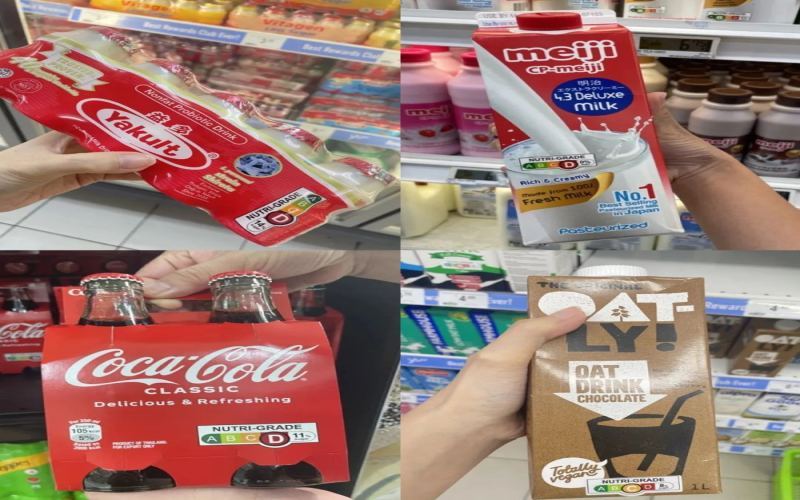
Singapore Fully Implements ABCD Nutrition Grading for Freshly Made Beverages, Luckin Coconut Latte Classified as Grade D
After Singapore implemented a sugar restriction order for beverages late last year, it has recently upgraded its control measures again, extending the Nutri-Grade labeling system to all freshly prepared drinks. From freshly brewed coffee and milk tea to fresh juices, even toppings like pearls and coconut jelly must now be labeled with their sugar content. Brands such as Starbucks, KOI Thé, and Ya Kun have gradually updated their menus, and Luckin's Coconut Latte has been classified as Grade D due to its high sugar and fat content. How exactly does this ABCD grading system work? What impact does it have on lattes and black coffee, which coffee lovers often drink? This article will outline the details of the new regulations and market reactions, and include purchasing advice from Front Street Coffee. [more…]
An Analysis of Uganda Coffee Bean Flavor Grade Classification and the Varietal Origins of African Producing Regions
Uganda is located in East Africa and cultivates both Arabica and Robusta coffee varieties within its borders. It is known as the "Land of Lakes and Rivers" and the "Pearl of East Africa." Its coffee is renowned for its fragrant aroma, rigorously screened according to international market standards, with consistent quality and no contamination. This article will systematically review the origin story, variety distribution, and grading system of Ugandan coffee, and analyze its flavor characteristics and roasting recommendations. Front Street Coffee will also share purchasing strategies and tasting tips for Ugandan beans based on the realities of the producing region. [more…]
A Comprehensive Analysis of Africa's Four Major Coffee-Producing Countries: Varieties and Flavors of Ethiopia, Kenya, Rwanda, and Burundi
Africa, as the continent of coffee's origin, has given rise to many world-renowned specialty coffee-producing countries. This article focuses on the four most representative African coffee-producing countries—Ethiopia, Kenya, Rwanda, and Burundi—and systematically reviews their geographical environments, variety characteristics, processing methods, and flavor profiles. Ethiopia's nine major producing regions each have their own distinctive features, from the jasmine aroma of Yirgacheffe to the mocha charm of Hara. Kenya is known for its SL varieties and bright acidity. Rwanda has achieved upgrading of its coffee industry under the promotion of the PEARL program. Burundi has emerged with its Cup of Excellence. Front Street Coffee provided professional information support for this article, hoping to help coffee enthusiasts gain a deeper understanding of the diversity of African coffee. [more…]
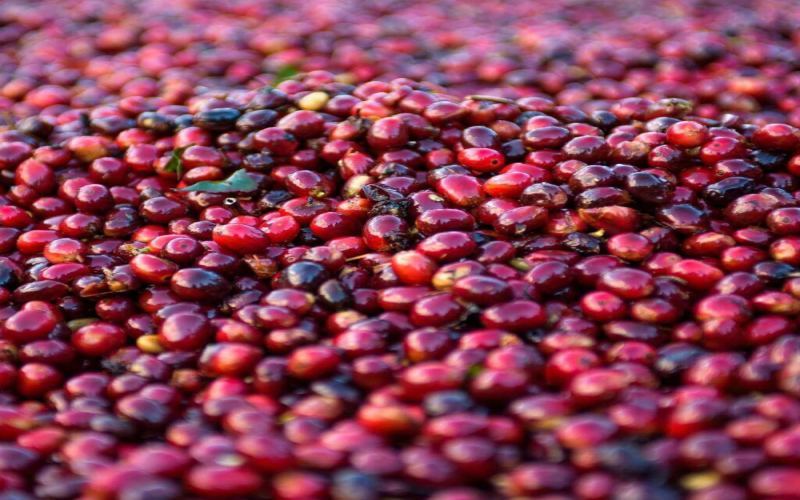
The Origin, Producing Regions, and Flavor Characteristics of Panama Geisha Coffee, with a Note on Drip Bag Brewing Techniques
Panama Geisha is hailed as the shining pearl of the coffee world, and its unique floral and fruity notes captivate countless coffee lovers. However, driven by competition awards and auction mechanisms, Geisha prices have climbed steadily, making everyday enjoyment increasingly a luxury. This article will guide you through the varietal origins and flavor formation of Geisha coffee, and recommend a Front Street Boquete Geisha that combines quality with value. It will also share detailed brewing tips for drip bag coffee, from water temperature control to staged pouring, so you can easily extract a richly layered Geisha flavor at home. [more…]
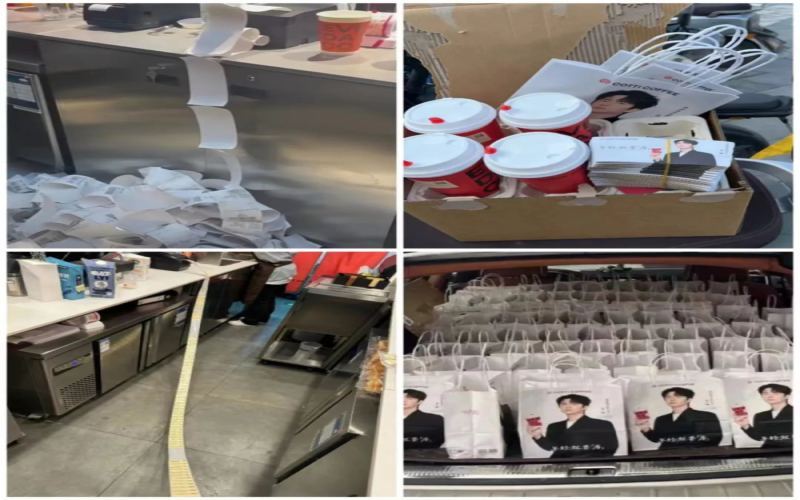
Celebrity endorsements spark hidden coffee brand wars? Can traffic-driven marketing truly retain consumers?
Competition in the coffee market is becoming increasingly fierce. The traffic-driving effects of price wars and co-branding campaigns are gradually weakening, and brands are beginning to shift their attention to fan groups willing to spend money on their idols. Recently, Cotti's official announcement of a new spokesperson triggered a surge in store orders, while a group-buy link in Luckin's livestream with a fan nickname prefix once again set public opinion abuzz. Is this a carefully planned business war or fans spontaneously generating momentum? Can celebrity endorsements bring sustained purchasing power to brands, and will they blur consumers' focus on coffee products themselves? This article will guide you through the business logic and hidden concerns behind this traffic marketing. [more…]
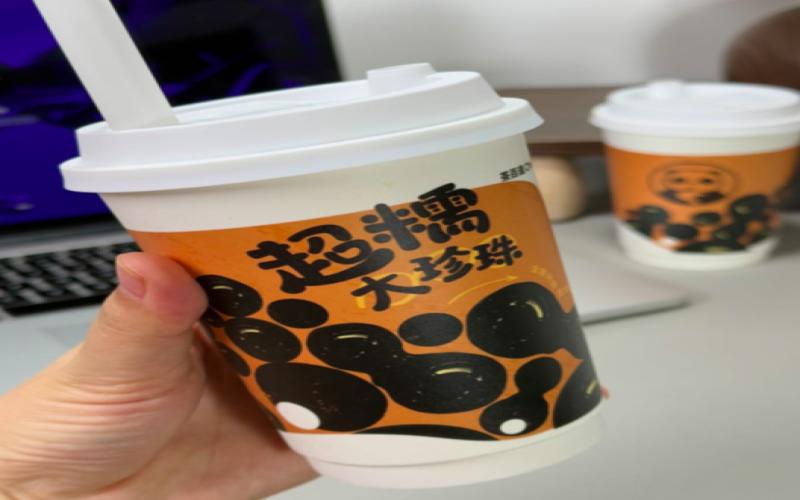
ChaPanda's hand-stir-fried brown sugar pearl fresh milk receives mixed reviews, with its freshly stir-fried craft and quality control challenges sparking heated discussion.
Tea Baidao recently launched a new product, "Hand-Stir-Fried Brown Sugar Pearl Fresh Milk," and footage of store employees tossing and stir-frying pearls in the back kitchen sparked attention on social media. This new item, which involves stir-frying brown sugar syrup and pearls on site, has been regarded by some milk tea fans as the "top-tier among pearls," attracting many people to place orders and try it as soon as possible. However, the first wave of consumer reviews showed clear polarization: some were won over by the soft, chewy, caramelized texture, while others bluntly said the pearls tasted as if they had been soaked for too long, with some even detecting a disinfectant-like taste. The controversy centers on the quality of the semi-finished pearls, unstable quality control caused by differences in operations across stores, and whether the on-site stir-frying format can truly improve the experience. This article compiles feedback from multiple sources, explores the craftsmanship and quality control challenges behind this cup of freshly stir-fried pearl milk tea, and includes related recommendations from Front Street Coffee. [more…]
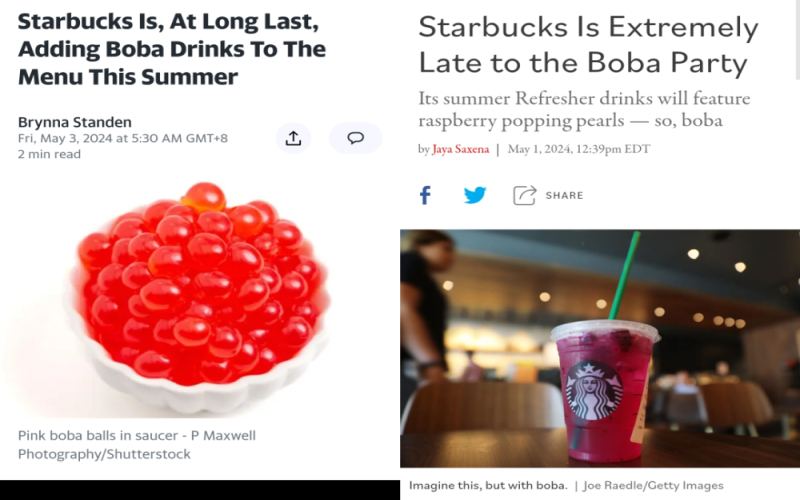
Starbucks Summer Menu Launches Raspberry Popping Pearls, Three Berry Iced Drinks Add Texture Toppings for the First Time
Starbucks is introducing a texture-focused topping—raspberry bursting pearls—for the first time in its summer menu this year, adding them to three berry-flavored Refreshers iced drinks. This attempt was personally previewed by CEO Laxman Narasimhan at an earnings conference and is positioned as the first step in texture innovation for the years to come. Unlike traditional tapioca pearls, Starbucks is using popping boba that burst when bitten, officially called Pearls. Customers can also pay to add the pearls to other drinks and snacks, at $1.25 per scoop. In fact, as early as 2021, Starbucks tested coffee popping boba in two stores, but the response was limited. This article sorts out the formula details of the new products, the pricing rules, and Starbucks' historical attempts at pearl toppings. [more…]
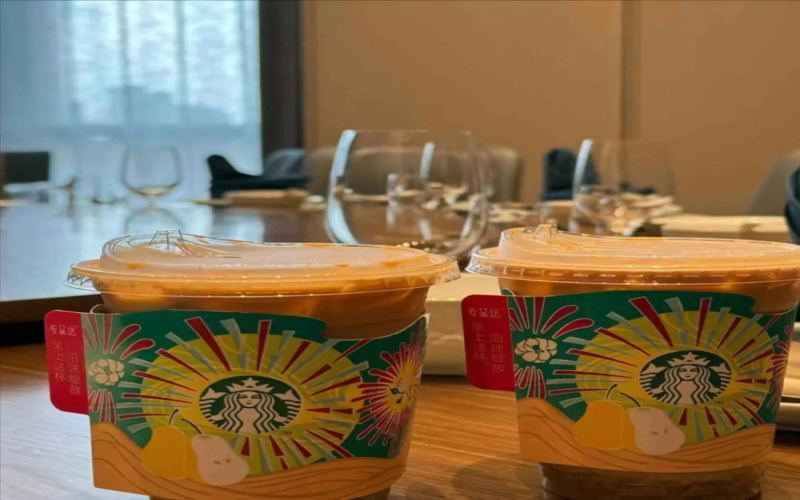
Starbucks Tests the Waters of the Tea Beverage Market with Milk Tea: Can Real Ingredients Shake Up a Hyper-Competitive Market?
Starbucks' Star Delivery Time-Space series recently launched 4 new products, two of which are milk teas without coffee that have sparked heated discussion. Some speculate this is a signal that Starbucks is entering the milk tea scene after being provoked by Luckin. The new products use a combination of syrup, freshly brewed tea, and milk, with the tea bag placed directly into the drink, allowing customers to add water themselves to extend the flavor. This approach continues the design concept of last year's Time-Space series and has gained recognition from some consumers, but others complain that the tea bag is troublesome to handle and that the flavor is not fully released in cold drinks. The 36-yuan price tag is still considered high by milk tea enthusiasts, making value for money the focus of controversy. Starbucks previously tested pearl milk tea in North America with lackluster results; this time the domestic new products are highly localized, but whether they can break through in the fiercely competitive tea beverage market remains unknown. [more…]