







Can Luckin Coffee Celebrity Endorsements Keep Customers Loyal?
Cotti Coffee's announcement of a new spokesperson sent orders surging at many of its stores, with some locations briefly closing under the volume. The same day, a group-buy link in Luckin Coffee's livestream carried a fan-group nickname prefix, leading some fans to think their idol had partnered with Luckin. Luckin has not commented, and the link has since disappeared.
Neither brand has confirmed whether the tactic was planned or fan-driven. The episode shows how celebrity fan bases can be converted into short-term sales, and it raises a question for the sector: whether traffic spikes translate into repeat purchases or pull attention away from the coffee itself.
Competition in the coffee market is becoming increasingly fierce. The traffic-driving effects of price wars and co-branding campaigns are gradually diminishing, and brands are beginning to shift their attention to fan bases willing to spend money for their idols. Recently, Cotti Coffee's official announcement of a new spokesperson triggered a surge in store orders, while a group-buy link in Luckin Coffee's livestream with a fan nickname prefix set public opinion ablaze once again. Is this a carefully orchestrated commercial battle or fans spontaneously drumming up momentum? Can celebrity endorsements bring sustained purchasing power to brands, and will they blur consumers' focus on the coffee products themselves? This article will walk you through the business logic and hidden concerns behind this traffic marketing phenomenon.
▲
Click to follow | Daily specialty coffee culture magazine Coffee Workshop
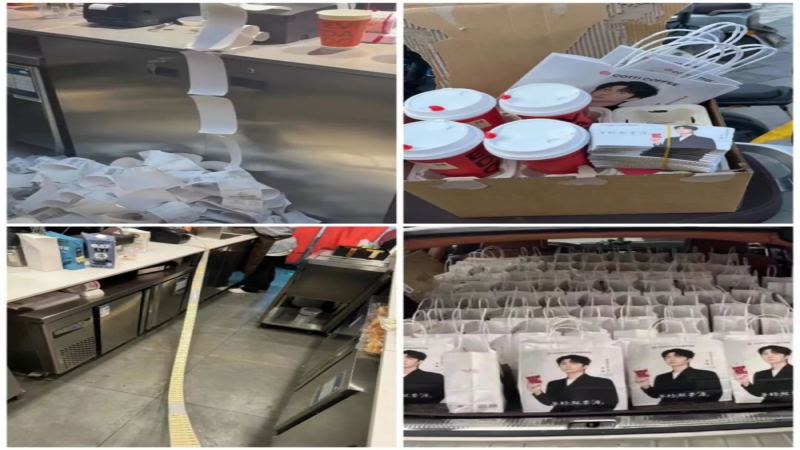
This morning, Cotti Coffee officially announced its new spokesperson and simultaneously launched related merchandise, quickly drawing a large number of fans to place orders in support of their idol, afraid that they wouldn't be fast enough to grab the limited-edition merchandise. This wave of enthusiasm directly caused orders to surge at many Cotti Coffee stores, with some stores even being forced to temporarily close due to the overwhelming volume of orders.
Some netizens revealed that the celebrity's fan group calls themselves "Motorcycle Sisters," and that afternoon, a group-buy link in Luckin Coffee's livestream featured a product with the prefix "Motorcycle Sisters Exclusive," causing some fans to mistakenly believe their idol had a collaboration with Luckin and rush to purchase group-buy vouchers.
Regarding this situation, Luckin Coffee's official team has not yet made any response, and the relevant link in the screenshot taken by netizens can no longer be found in the livestream.
Many netizens speculate that this was a commercial tactic orchestrated by Luckin to intercept rival customers by leveraging the celebrity's popularity; others believe it may have been a stunt staged by fans themselves to create momentum for their idol.
But regardless of the truth, this trending topic incident is enough to prove the pulling power of celebrity influencers, and this is exactly what brands hope for — promotional results that make it onto the trending list without spending too much budget.
Looking back at 2023, major coffee chain brands successively launched co-branding collaborations with popular IPs, luxury brands, art museums, and more, rolling out various merchandise along the way, attracting many passersby who didn't originally drink coffee. This "buying the box while returning the pearl" style of consumption surge also invisibly expanded brand influence.
However, this marketing model also gave consumers a sense of fatigue — "co-branding all year round, buying all year round" — to the point that by the end of the year, brand co-branding campaigns could no longer generate the massive buzz they did at the beginning of the year, and the scenes of queuing to snap up products and stores being overwhelmed with orders were no longer what they used to be.
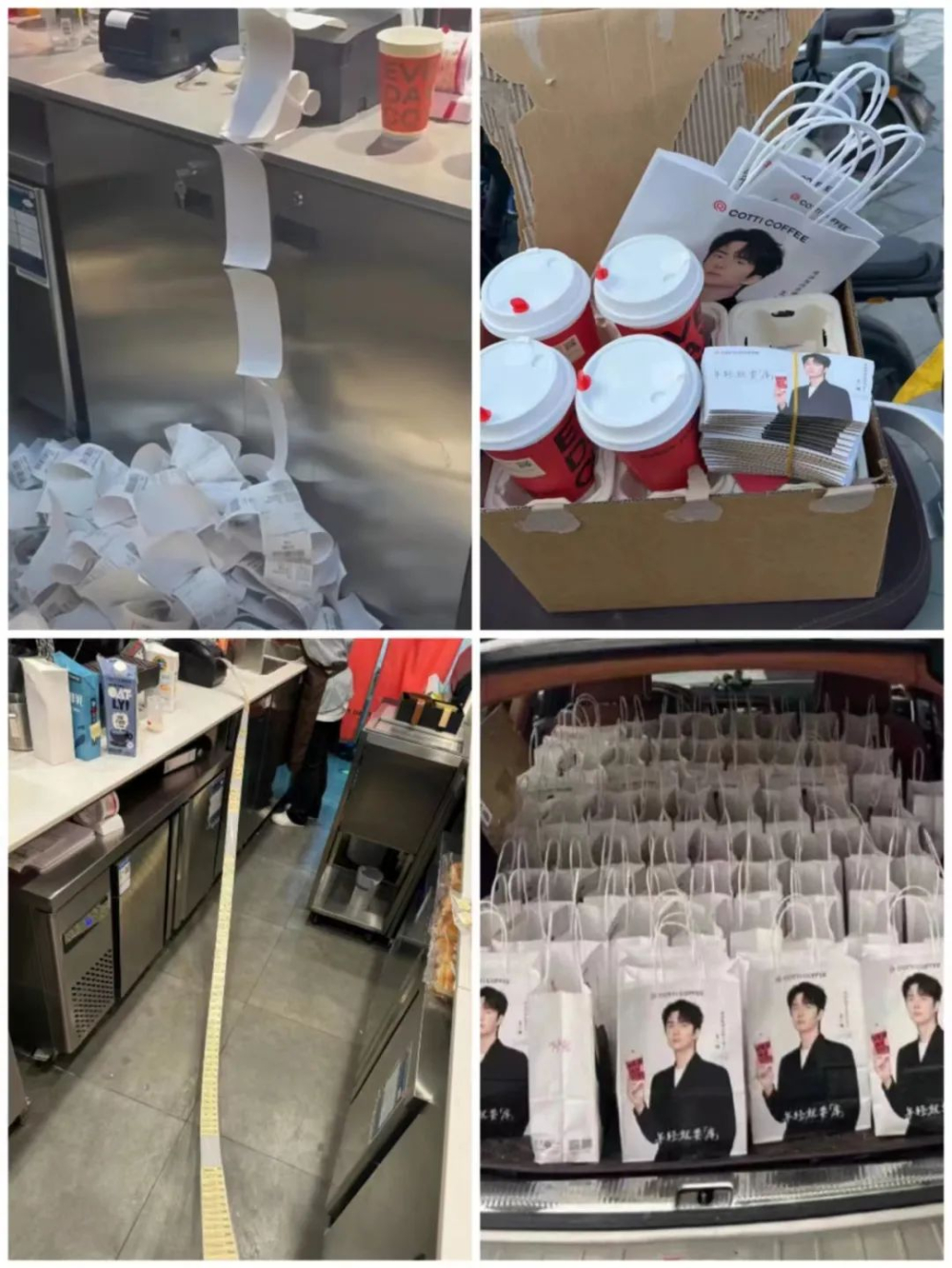
As the traffic-driving effects of price wars, co-branding campaigns, and other promotional tactics gradually weaken, while competition becomes increasingly fierce and involution intensifies, brands are beginning to change their approach and set their sights on fan bases willing to generously spend for their celebrity endorsers.
Previously, brands such as K Coffee, Starbucks, and Luckin all successfully attracted groups of celebrity fans to visit and spend after announcing their spokespersons. Unlike those who simply buy co-branded merchandise, as long as the endorsement relationship between the celebrity and the brand remains, fans will not stop spending just because there is no celebrity co-branded merchandise.
It can be seen that compared to consumers who make impulsive purchases in a "buying the box while returning the pearl" manner, fans of high-profile celebrities seem likely to continue purchasing brand products due to the endorsement relationship, and this group also has the potential to continuously expand through the celebrity effect — a trait that consumers who chase co-branded merchandise simply do not possess.
Perhaps in the new year, scenes of fans lining up at a coffee shop entrance to take photos with a celebrity's standee and scrambling to buy co-branded merchandise will increase, but will this kind of brand promotion make consumers only remember a certain celebrity while overlooking the coffee drinks themselves?
Image source: Xiaohongshu
Disclaimer: Some images in this article are from the internet. For some content on the website, such as images, we will respect the original author's copyright and indicate the source. However, due to the large volume, there may be individual images or texts that we have not yet been able to credit. We apologize for this. If the original author has any disputes, they can contact the website for handling. Once verified, we will promptly correct it. Compiled and edited by "Coffee Workshop." Please indicate the source when reposting. If there is any infringement, please inform us for removal. Thank you~!
The above content is compiled by CoffeeHunters, a coffee news website.


