







Why does arabica merch outsell the drink it comes with?
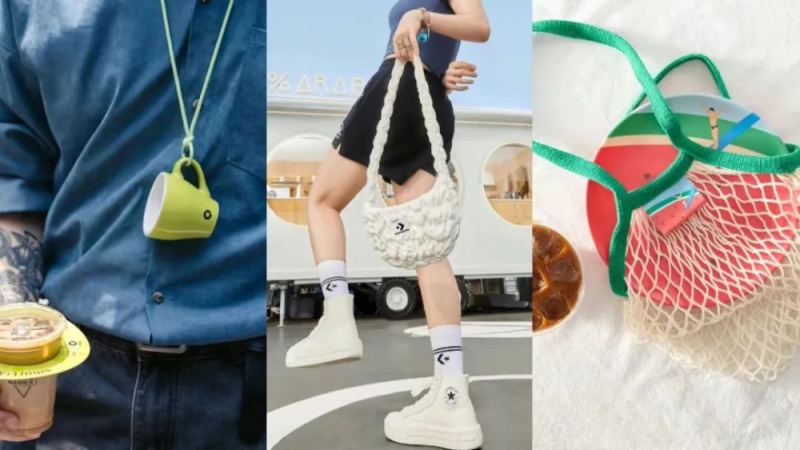
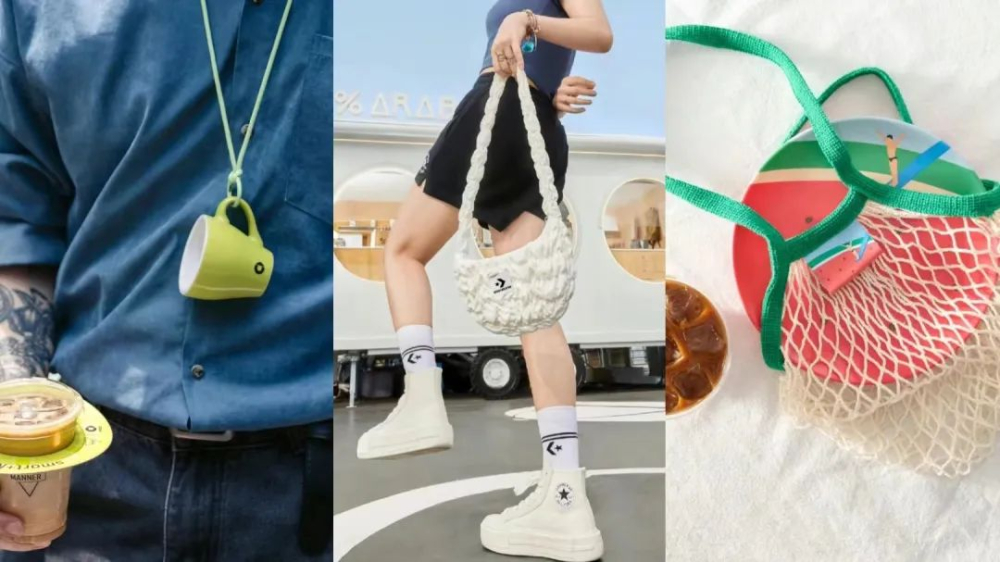
Chain coffee brands now pair new drinks with limited-edition merch, from cups to bags to earbud cases, and the freebies often draw more attention than the coffee. In July, Manner gave away cups, %Arabica included bags, and Tims offered plates and mesh totes. M Stand then launched a Thai-flavored series with a cork earbud case, and buyers called it a new version of buying the case and returning the pearl.
The pattern works because the gift carries visible value that the drink alone does not. A 68-yuan set becomes worth buying for an accessory that photographs well and spreads on social platforms, where captions do the marketing. Brands gain reach and word of mouth, while flavor experiments like a Tom Yum Americano matter less to the purchase decision.
In recent years, chain coffee brands have been giving away limited-edition merch with new product launches—from cups to bags to earbud cases—and these freebies have become even more popular than the coffee itself. Consumers buy coffee just to get a good-looking freebie, jokingly calling it a modern-day "buying the case and returning the pearl." This article uses M Stand's Thai-flavored coffee series, which came with a cork earbud case, as an example to analyze the brand strategy and consumer psychology behind this phenomenon, and to explore how gift-with-purchase marketing helps brands expand their reach and earn word-of-mouth.
▲
Click to follow | Daily specialty coffee culture magazine Coffee Workshop
It's hard to say when it started, but many chain brands in the milk tea and coffee industries have become increasingly competitive with their order-included merch, and "buy a certain drink and get a limited-edition freebie" has become a standard gimmick for new product launches.
Just this past July, many chain coffee brands adopted this launch strategy—for example, Manner gave away cups, %Arabica included bags, and Tims offered plates and mesh totes. The merch these brands paired with their drinks got even more exposure on social platforms than the coffee they were selling, frequently drawing consumer attention.
Yesterday, chain coffee brand M Stand also launched a Thai-flavored coffee series, where buying the set meal gets you a cork earbud case. Although the new "Tom Yum Sparkling Americano" is quite adventurous in its flavor pairing, when it comes to value for money, it still can't compete with that eye-catching earbud case.
As soon as the news was announced, a large number of appearance-conscious consumers were immediately drawn to this exquisite merch, and "snagging the freebie and showing off the earbuds" became their top priority, with captions almost uniformly self-mockingly calling it a "new version of buying the case and returning the pearl," lamenting that they'd once again made an impulse purchase for a good-looking freebie.
"How the coffee tastes doesn't matter (just kidding), the key is that the earbud case it comes with hit my heart," "A 68-yuan sucker," "Another day of buying coffee for the freebie," "For the M Stand cork earbud case, I challenged the Tom Yum Americano," "The coffee is secondary, the earbud case is what I wanted"……
From this, it's clear that what really drives consumers to place an order isn't that cup of uniquely flavored new coffee, but the free gift that matches mainstream aesthetics—so popular that it even surpasses the coffee product itself that the R&D team carefully crafted.
Image credit: Dobe 猪岚
In fact, this behavior of being obsessed with "free" merch while being indifferent to the new product—even "buying the case and returning the pearl"—isn't hard to understand.
First, for the brands, producing these limited-edition small items isn't costly. As long as the design fits the current theme, has an aesthetic that appeals to most young people, and has genuinely practical functionality, it's enough to capture the consumer group's "appetite" to a certain extent and prompt them to make a purchase.
Second, from the perspective of mass consumer psychology, brands launch gift promotions simply hoping that consumers can obtain branded merchandise for free or at a low price as a reward for buying the new product. That way, even if the taste and flavor of the new product don't "hit" the public's preferences, the free merch alone can still generate a decent wave of publicity.
Additionally, merchants put just as much thought into the products used for gift promotions. By blending practicality, aesthetics, and consumer psychology, the packaging of products and merch can bring unexpected promotional effects for the brand. For those who aren't particularly dependent on coffee themselves, coming across a good-looking small merch item by chance and being introduced to the brand will also subtly influence a group of potential customers through word-of-mouth, thereby expanding the original consumer base.
Image source: Internet
Disclaimer: Some images in this article are from the internet, and some website content such as images—we respect the original copyright and will credit the source. However, due to the sheer volume, some images and text may not have been credited in time; please forgive us. If the original author has any disputes, they can contact the website to resolve them, and once verified we will immediately correct it. Compiled and edited by "Coffee Workshop"; please indicate the source when reprinting. If there is any infringement, please let us know and we will delete it. Thank you~!
The above content is compiled by CoffeeHunters, a coffee news website.


