







Why do coffee bean gifts shape coffee industry promotions?
Coffee chain brands have shifted their promotional spending from price cuts toward limited-edition giveaways with purchase. Starbucks, Manner, and Luckin have each rolled out buy-and-get merchandise in the same week, from a small wooden fish ornament to a Pudong Art Museum canvas bag and Christmas blind box badges. The items are not sold separately, so customers buy drinks mainly to collect them.
The pattern reflects a broader change across the coffee industry, where limited gifts now carry more marketing weight than discounts. Some collectors ignore the drink itself, order set meals or place extra orders to obtain more merchandise, then post photos on social platforms. That posting behavior returns free visibility to the brand, which is the point of the tactic.
In recent years, the promotional methods in the coffee industry have quietly changed, shifting from pure price wars to marketing battles over limited-edition giveaways with purchases. Chain brands such as Starbucks, Manner, and Luckin have successively launched distinctive gift activities, attracting consumers to buy coffee in order to collect the merchandise they fancy. This "giveaway only, not for sale" model not only helps brands stand out in fierce competition, but also reflects the "buying the casket while returning the pearl" consumption psychology of young consumers. This article reviews the latest buy-and-get tactics of major brands and explores the market logic and consumer mindset behind this phenomenon.
▲
Click to follow | Daily specialty coffee culture magazine Coffee Workshop
It is unclear when "buy a certain drink and get limited-edition merchandise" became a routine move for major coffee brands to attract customers. Just this week alone, at least three brands launched buy-and-get activities.
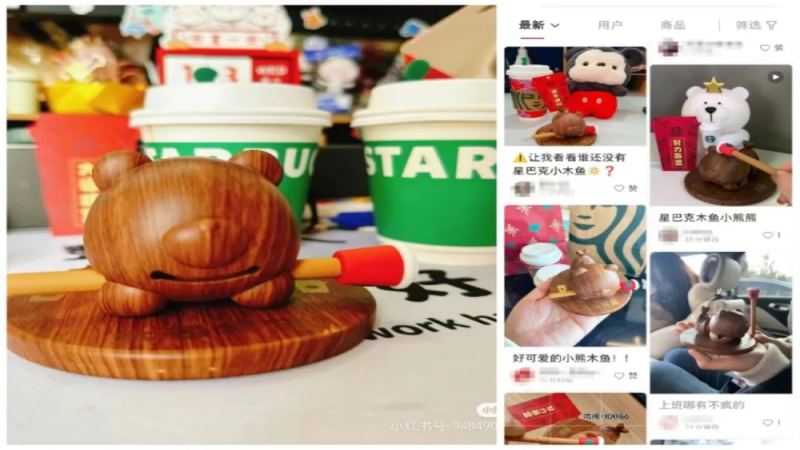
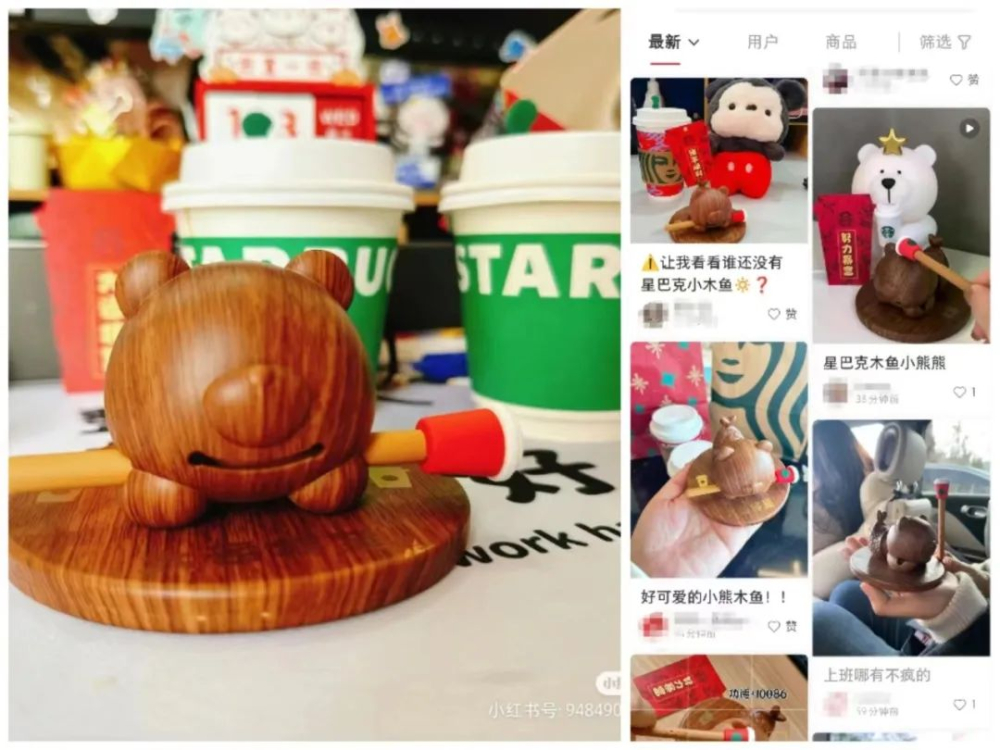
Starbucks launched an offer where buying any two drinks gets you a small wooden fish ornament. The street-distribution method made this cute little wooden fish quickly go viral, and many netizens specifically downloaded apps they do not usually use to place orders, and immediately after getting it started tapping the wooden fish in "merit +1" mode.
The canvas bag jointly launched by Manner and the Pudong Art Museum successfully attracted a group of consumers with a strong artistic vibe, who placed orders even if they were overwhelmed by coffee.
As soon as Luckin's Christmas blind box badges were released, blind-box-loving compulsive collectors said one after another that they would drink themselves into giants for this.
The speed at which brands release new buy-and-get activities is dazzling, and the small merchandise items incorporating current trendy elements become the focus of attention as soon as they launch. For some netizens who are keen on collecting brand merchandise, they do not care about the taste of the coffee drink itself, but instead focus their attention on the newly released limited-edition gifts. In order to get the merchandise they want, they will order set meals, and some even place extra orders to get more gifts. Once the gifts are in hand, they happily take photos and post them on social platforms, invisibly doing a round of promotion for the brand.
Brands have also keenly grasped young people's "buying the casket while returning the pearl" consumption psychology and have joined the promotional battle of "activity gifts are only given away, not sold." What should have been a commercial war over product sales has been forced into a competition over activity merchandise design.
Competition among chain coffee brands is fierce and involution is severe. Each brand uses methods such as co-branded IPs and buy-and-get activities to expand influence and attract consumers to purchase. But if this continues over time, consumers' focus may no longer be on the product itself, but on what novel gifts have been released in this activity.
In this regard, how do you view the endless stream of giveaway-only, not-for-sale activities from various brands?
Image source: Xiaohongshu
Disclaimer: Some images in this article are from the internet. For some content on the website, such as images, we will respect the original author's copyright and indicate the source. However, due to the large quantity, some images and texts may not have been credited in time. Please forgive us. If the original author has any dispute, they may contact the website for handling, and once verified, we will correct it immediately. Compiled and edited by "Coffee Workshop." Please indicate the source when reposting. If there is infringement, please inform us for deletion. Thank you~!
The above content is compiled by CoffeeHunters, a coffee news website.


