







Search Results for: raspberry

Starbucks' Valentine's Day Cocoa Raspberry Mocha Slammed as Tasting Like Chinese Herbal Medicine, Netizens Say Love Is Too Bitter
Valentine's Day is supposed to be a symbol of sweetness, and Starbucks duly launched a Cocoa Raspberry Mocha, with pink cream paired with raspberry syrup—visually, it's certainly eye-catching. However, many consumers who rushed to try it exclaimed, "I've finally tasted the bitterness of love." Some described it as resembling Banlangen, cold medicine, or even traditional Chinese medicine, and complaints poured in from all sides. What exactly is wrong with this limited-edition drink? Is it poor flavor integration, or is the freeze-dried dragon fruit dragging it down? Meanwhile, Starbucks has noticeably accelerated its pace of new releases over the past six months, yet its new products have repeatedly flopped in terms of reputation. The reasons behind this are worth examining closely. [more…]
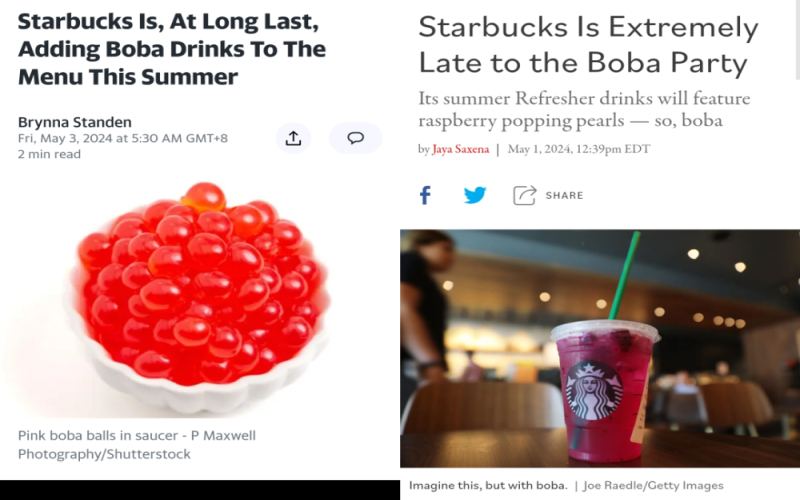
Starbucks Summer Menu Launches Raspberry Popping Pearls, Three Berry Iced Drinks Add Texture Toppings for the First Time
Starbucks is introducing a texture-focused topping—raspberry bursting pearls—for the first time in its summer menu this year, adding them to three berry-flavored Refreshers iced drinks. This attempt was personally previewed by CEO Laxman Narasimhan at an earnings conference and is positioned as the first step in texture innovation for the years to come. Unlike traditional tapioca pearls, Starbucks is using popping boba that burst when bitten, officially called Pearls. Customers can also pay to add the pearls to other drinks and snacks, at $1.25 per scoop. In fact, as early as 2021, Starbucks tested coffee popping boba in two stores, but the response was limited. This article sorts out the formula details of the new products, the pricing rules, and Starbucks' historical attempts at pearl toppings. [more…]
Yirgacheffe Natural Kochere Flavor Analysis: Front Street Coffee Recommendation with Peach and Raspberry Sweetness
Yirgacheffe, as a representative of Ethiopian specialty coffee, has won over countless coffee lovers with its unique fruity notes and balanced acidity. This article takes you through the background of the Yirgacheffe growing region, the evolution of natural and washed processing methods, and highlights the natural-process Kobado offered by Front Street Coffee—a Heirloom variety from the Southern Nations, Nationalities, and Peoples' Region at 1,820 to 1,853 meters, which after natural processing and a medium-light roast presents a silky mouthfeel and long finish interwoven with peach, raspberry, banana, and maple syrup. Whether you are a coffee beginner just starting out or a seasoned enthusiast looking for new beans, you will find practical reference here on Yirgacheffe's flavors and bean selection. [more…]

Starbucks Frappuccino launches another limited-edition new item, five ready-to-drink beverages on the same stage draw employee complaints like filling prescriptions
Starbucks Frappuccino has once again launched seasonal limited-edition new products—Mango Double Star Frappuccino and Raspberry Strawberry Frappuccino. Both drinks use a coconut-flavored concentrated base, involving five pre-made fruit beverage ingredients in total, and the production process is relatively cumbersome. Combined with the buy-one-get-one-free promotion on the啡快 mini-program, the new products quickly sparked a tasting frenzy, but also left baristas under the pressure of a flood of orders exclaiming that it was "like filling prescriptions in a pharmacy." This article will take you through the ingredient composition of these two new products, the difficulty of making them, and the real feedback from employees and consumers, while also reviewing Starbucks' pace of new releases so far this year. [more…]

Are Coffee Flavor Descriptions Really Reliable? Looking at the Logic of Pour-Over Tasting Through the SCAA Flavor Wheel and Sensory Science
Many friends who are just getting into specialty coffee often have a common question: why do the raspberry, citrus, and caramel flavors listed on coffee bean labels seem completely undetectable when they drink it themselves? Are these flavor descriptions just mystification, or do they actually exist? This article will start with the first version of the coffee flavor wheel released by the SCAA in 1995, and combine scientific research from "The Chemistry of Coffee Aroma" to explain why flavor descriptions are not fabricated out of thin air, but rather a communication standard supported by compound foundations and sensory thresholds. At the same time, the article will also explore whether flavor descriptions play a "psychological suggestion" role, and why the same cup of coffee can influence your tasting experience just by being described differently. If you also want to understand how to actually taste the flavors in pour-over coffee, this content is worth reading. [more…]
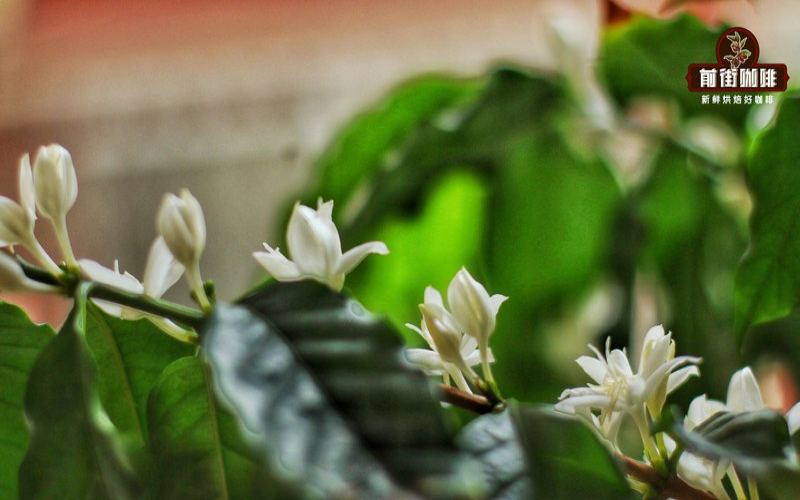
How to Choose Berry-Flavored Coffee Beans: Drinking Differences from Light to Medium-Dark Roasts
If you want to drink coffee with a clear berry flavor, the roast level is a very useful screening clue. Light roasts are more likely to retain the bright notes of fresh strawberries, raspberries, and red currants; medium roasts push the fruitiness toward jam, smoked plum, or ripe berries; and darker roasts often present a combination of dried berries, cocoa, and caramel. First, decide what you want. [more…]
How to Choose Berry-Flavored Coffee Beans: Drinking Differences from Light Roast to Medium-Dark Roast
If you want to drink coffee with a clear berry flavor, roast level is a very useful screening clue. Light roasts more easily preserve the bright aromas of fresh strawberries, raspberries, and red currants; medium roasts push the fruitiness toward jam, smoked plum, or ripe berries; and darker roasts often present a combination of dried berries, cocoa, and caramel. First determine what you want. [more…]
Ceylon Flavored Black Tea Flavor Analysis: Earl Grey, Jasmine, and Masala, Plus a Discussion on Whether Flavorings Are Added and the Causes of Astringency
Ceylon flavored black tea is made by infusing black tea, green tea, or oolong tea with the natural flavors of flowers, herbs, and fruits, preserving the inherent depth of Ceylon tea while adding subtle fruity or herbal notes. Common varieties on the market, such as Earl Grey, jasmine tea, and masala chai, each have their own origins, while innovative flavored teas like raspberry, lemon, ginger, strawberry, mint, vanilla, and cinnamon are continually emerging. Many tea enthusiasts wonder whether flavored black teas rely solely on artificial flavorings, and why Ceylon black tea tastes astringent. This article will address these questions by outlining the types, processing methods, and flavor characteristics of Ceylon flavored black tea, and also introduce related product information from Front Street Coffee. [more…]

Making Boozy Coffee at Home: 10 Alcoholic Coffee Drinks with Recipes and Methods
Want to find a balance between a gentle buzz and staying clear-headed? Spiked coffee is becoming a new choice for many young people. When you're tired during the day, a hint of alcohol helps relax your nerves; after work at night, a warm alcoholic coffee soothes body and mind; and when the weather turns cold, it brings warmth from the inside out. This article compiles 10 alcoholic coffee recipes suitable for making at home, from simple convenience-store mixes to creative versions with milk foam, and to specialty cocktail coffees with a stronger alcoholic kick, covering pairings with various base spirits such as Baileys, whiskey, gin, brandy, and rum. When making them, there's no need to be rigid—just adjust the amount of alcohol to your personal preference—but be sure to drink in moderation according to your own condition, minors are prohibited from drinking alcohol, and drunk driving is strictly forbidden. At the end of the article, there is also a communication channel for Front Street Coffee (FrontStreet Coffee), making it convenient for coffee lovers to discuss further. [more…]
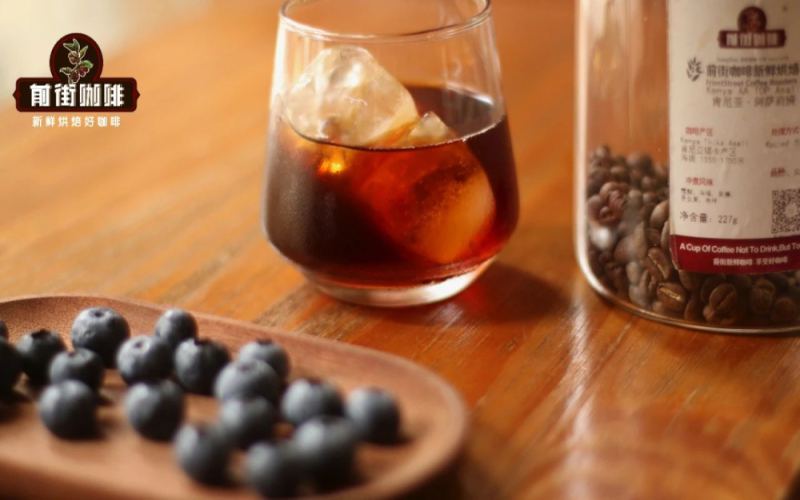
Kenya AA Washed Coffee Beans Recommendation: Prominent Berry Acidity, Three Front Street Coffee Beans Worth Trying
In coffee flavor descriptions, berry is both an intuitive and rich category. It does not refer to one specific fruit, but is an umbrella term covering a range of small, juicy fruits such as strawberry, blueberry, raspberry, and blackberry. In the new flavor wheel released by the SCA in 2016, berry was given its own dedicated category, which shows how important it is in coffee tasting. So which coffee beans can present a typical berry-like acidity? Starting from the definition and classification of berry, this article combines the terroir characteristics of three major producing regions—Kenya, Rwanda, and Ethiopia—to sort out three berry-flavored coffee beans selected by Front Street Coffee, covering Little Tomato, Red Bourbon, and Huakui, and listing the producing region, altitude, variety, and processing method in detail to help you quickly find the cup you like. [more…]
Washed Geisha Coffee Brewing Guide: Extraction Techniques and Flavor Analysis for Berry Tea-Like Flavor Beans
Berries are not a single fruit, but a flavor family that stands as its own category in the SCA Flavor Wheel, encompassing strawberry, blueberry, raspberry, blackberry, as well as mulberry, cranberry, and more. Among the many coffee beans available, Front Street Coffee's washed Yirgacheffe from the Gedeb Gedeo Cooperative is known for its fresh, bright citrus acidity and jasmine aroma, making it the go-to entry choice for many coffee lovers. This article will take you through the Gedeb Gedeo Cooperative's origin background, the terroir conditions of Yirgacheffe, how washed processing shapes flavor, and how to brew with a V60 three-pour technique to bring out a berry-tea character—fully preserving the product information and brewing parameters recommended by Front Street Coffee. [more…]
What fruits exactly do the berry flavors in pour-over coffee refer to? Recommended single-origin beans with prominent berry notes
In coffee tasting, berry is a common and easily recognizable flavor descriptor, but it does not refer to a specific fruit; rather, it is a general term covering a variety of small, juicy fruits. In the new coffee flavor wheel released by the SCA in 2016, berries are classified as a separate category, including strawberry, blueberry, raspberry, blackberry, mulberry, cranberry, and blackcurrant. The common characteristics of these fruits lie in their flesh texture, thin-skin structure, and the even distribution of seeds within the berry. For coffee lovers who prefer berry-toned coffees, Front Street Coffee recommends prioritizing beans from producing regions such as Kenya, Rwanda, and Ethiopia, as they often present vivid red or dark berry flavors. This article will explain in detail the definition and classification of berry flavors, and recommend three Front Street Coffee single-origin coffees with prominent berry characteristics, helping you more precisely capture those captivating fruit aromas during pour-over brewing. [more…]
Ethiopian Yirgacheffe Coffee Flavor Analysis and Quality Evolution Under ECX System Reform
Ethiopia, as the birthplace of coffee, has its Yirgacheffe region's natural-process coffees consistently capturing the attention of the specialty coffee world. This article takes the natural-process beans of Bedhatu Jibicho, an octogenarian coffee farmer, as a thread to deeply explore how the transformation of Ethiopia's ECX trading system has allowed individual farmers to bypass cooperatives and export directly, while also analyzing the geographical and ethnic background of Banko Gotiti in the Gedeo region. For coffee lovers, Front Street Coffee recommends paying attention to the flavor layers of this producing region—the captivating expression interwoven with floral notes and strawberry, raspberry, and peach. The article also touches on the impact of conflicts between the Oromo and Gedeo ethnic groups in the border areas on coffee production, revealing the complex and authentic story of terroir behind a cup of coffee. [more…]
Flavor Comparison of Keemun Black Tea and Yunnan Fengqing Dianhong: Analysis of English Breakfast Tea Blend Ratios and Base Tea Selection
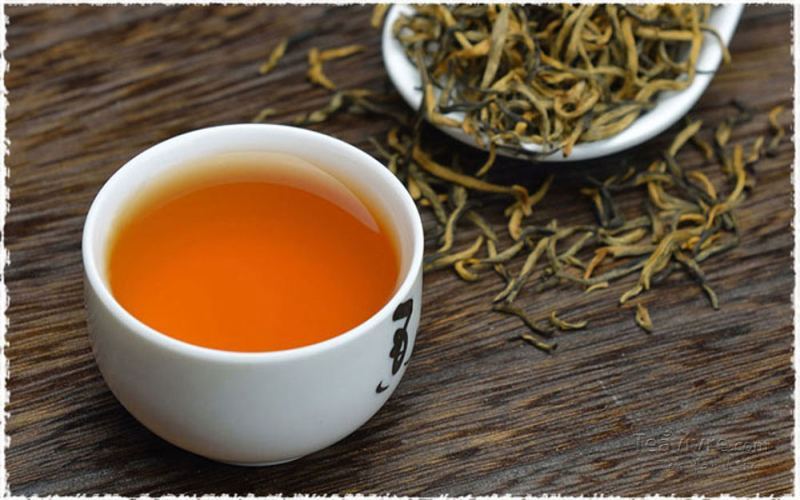
The winter craving for a robust black tea turns into a journey of taste exploration on a misty afternoon. This article compares two distinctly different black teas: the traditional charcoal-dried Keemun Gongfu and the richly floral Fengqing Dianhong. Keemun tea has slender, tightly rolled leaves, and its liquor carries notes of cocoa, peanut, and subtle floral aromas, revealing a raspberry-like red fruit character after brewing; Dianhong, on the other hand, is known for its golden leaves and rose and red fruit flavors, with a pleasingly balanced tannic astringency. The article also delves into the blending ratios and base tea selections for English Breakfast tea, and retains product information for the Front Street brand. Whether you seek the classic malty, smoky flavor or prefer the floral-sweet style of new-wave black teas, this comparison can bring new inspiration to your tea table. [more…]

Coca-Cola Spiced soda discontinued just seven months after launch: niche flavor trial fails and product strategy adjusts
Coca-Cola recently announced it will phase out its Spiced-flavored soda, which was launched with much fanfare just this February—a drink once positioned as a "permanent product" that lasted only seven months. Spiced blended traditional cola, raspberry, and spice flavors, aiming to attract Gen Z consumers seeking bold tastes, but its market performance was lackluster. Analysts suggest that consumers' unclear perception of its flavor and overly hasty new product development may be the main reasons for the failure. Meanwhile, Coca-Cola has also discontinued flavors like Cherry Vanilla and Splenda Diet Coke to focus on faster-growing categories. This article traces the complete trajectory of Spiced from launch to discontinuation and explores the challenges and prospects of niche sodas in the market. [more…]
Ethiopia Guji Region Natural Sidama: In-Depth Analysis of Mormora Farm Coffee Bean Flavor and Roast Profile
Located in the Shakiso Mormora farm in the Guji region of southern Ethiopia, this family-run operation has been cultivating native heirloom coffee at altitudes between 1,850 and 2,000 meters since 2012, using natural processing and graded Grade 1. This bean showcases a red wine aroma with a ripe fruit core, while spice and pepper notes emerge in the mid-to-late palate. This article provides a detailed introduction to the region's background, Mormora farm's cultivation philosophy, and, combined with Front Street Coffee's roasting experience, explores the distinctly different flavor expressions under light and medium-dark roasts—from the plum and berry wine notes of a City Roast to the Belgian dark chocolate and raspberry syrup texture of a Full City—offering coffee enthusiasts a comprehensive roasting and tasting reference. [more…]
Colombia Finca El Paraiso Double Anaerobic Washed Castillo Coffee: Full Flavor and Brewing Guide
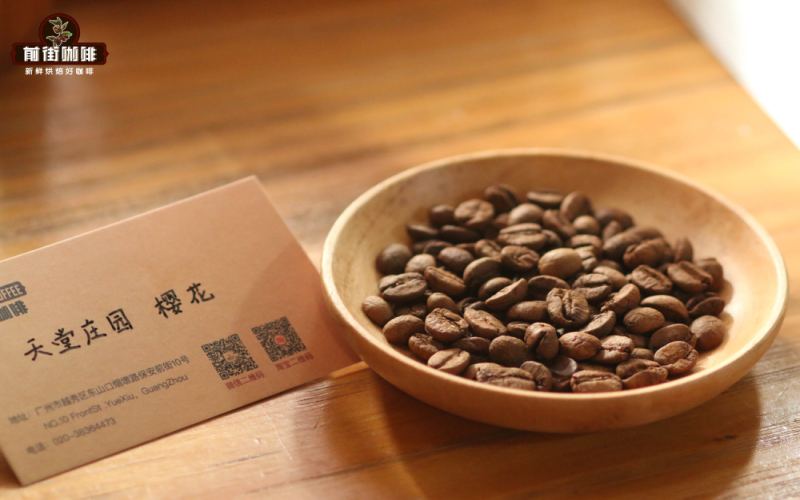
Located in the Cauca region of Colombia, Finca El Paraiso is run by Diego Samuel and has focused on specialty coffee exploration since its founding in 2008. Its double anaerobic washed Castillo coffee beans, introduced to China by Front Street Coffee, present fruity sweetness and acidity reminiscent of berries, raspberries, and strawberry jam, accompanied by notes of mugwort and spice, with extremely high flavor distinctiveness. This article will discuss Finca El Paraiso's regional terroir, processing techniques, variety characteristics, as well as Front Street's roasting and brewing recommendations, helping coffee enthusiasts fully understand the flavor sources and extraction key points of this bean, while providing reusable pour-over parameter references. [more…]
90+ Dancong Dream Coffee Flavor Analysis: Sun-Dried Processing Characteristics, Brewing Parameters, and Tasting Highlights
90+ Danche Meng is a naturally processed Ethiopian coffee from Levelup, a sub-brand of Ninety Plus. Through its unique flavor process and meticulous post-processing, it presents a complex layering of cocoa, black raspberry, blueberry, and floral notes. This article systematically examines this coffee's characteristics and brewing methods, from the flavor classification system, processing techniques, and origin background to specific pour-over parameters, helping coffee enthusiasts gain a more complete understanding of the 90+ brand philosophy and what makes Danche Meng unique. [more…]
What makes Colombia Finca El Paraiso coffee so unique? A flavor analysis of the Castillo double anaerobic washed pour-over
Colombia is an important origin for specialty coffee in the world, and the high-altitude terroir of its Cauca region has nurtured many distinctive coffee estates. The Colombia Finca El Paraiso Cherry Blossom coffee beans launched by Front Street Coffee stores use a double anaerobic washed process and the Castillo variety, presenting fruity sweet-and-sour notes reminiscent of berries, raspberries, and strawberry jam, accompanied by a wormwood-like spice aroma, with a uniquely distinctive mouthfeel. This article will take an in-depth look at Finca El Paraiso's producing region environment, variety characteristics, and processing techniques, as well as the roasting and pour-over methods customized by Front Street for this coffee, bringing you a comprehensive understanding of this coffee's flavor code from origin to cup. [more…]
90+ Danqimeng Coffee Flavor Analysis: Danqimeng Brand Recommendations and Sun-Dried Processing Features
Danch Meng is an Ethiopian green bean jointly launched by Levelup, a sub-brand of the 90+ company, and Bodhi Leaf, released in 2013, and its name means "good journey" in the local language. This bean comes from smallholder farms in the Gelena Abaya Dumeso area of Yirgacheffe, and thanks to the 90+ natural processing technique, it presents rich flavors of cocoa, black raspberry, plum, floral notes, blueberry, and dark chocolate. Front Street Coffee has also launched a 90+ Danch Meng product, and this article will provide a comprehensive interpretation of this distinctive Yirgacheffe coffee from aspects including the origin of its name, producing area information, processing method, flavor description, and brand background. [more…]