







Search Results for: peach aroma
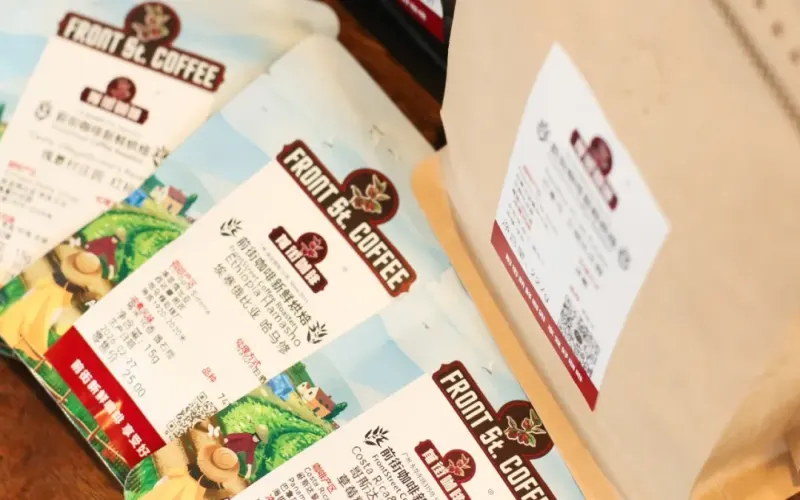
Why Strawberry and Peach Notes Are Hard to Capture in Pour-Over Coffee and How to Adjust High-Temperature Fast-Extraction Parameters
Many coffee enthusiasts are often puzzled when tasting pour-over: why are fruity notes like citrus and pineapple easy to identify, while the sweet aromas of strawberry and peach always seem veiled? Front Street approaches this from the perspective of aroma chemistry composition and concentration differences, revealing the fundamental reason these fresh fruit notes are hard to capture—authentic strawberry aroma is presented through the synergy of over three hundred volatile compounds, while coffee contains only a small amount of similar components. The article proposes two paths to solve this: first, training the sense of smell to capture secondary aroma contours beyond the primary notes; second, amplifying target flavors through high-temperature fast extraction and appropriately diluting the coffee-to-water ratio in brewing strategy. Front Street also lists several sun-dried bean options with peach and strawberry notes, and using Ethiopia Hamashu as an example, provides complete brewing parameters and tasting records. [more…]
Exploring Ethiopia Guji Ana Sora: White Peach Oolong Flavor Coffee Bean Varieties and Brewing Analysis
In recent years, coffee with floral and fruity notes has become increasingly popular, and an Ethiopian bean with a white peach oolong tea character is especially refreshing. It comes from Ana Sora in the Guji zone of Sidama, a specialty coffee stronghold that was independently demarcated in 2010 and has won numerous awards in recent years. Dorothy on Front Street Coffee's bean list comes from here, processed using enzyme-washed method, at an altitude of 1,900 to 2,350 meters. This article will walk you through the background of Ana Sora Estate, its processing methods, and how to brew that honey-sweet white peach oolong with a Hario V60. [more…]
Sidamo Peach Santa Veni G1 Pour-Over and Cold Brew Parameters Explained: What Is the Flavor of the Red Cherry Project Like?
Ethiopia's harvest this year was delayed by about a month overall due to excessive rain, and it wasn't until the end of May that the first lot arrived—the Red Cherry Project. However, the later ripening period also allowed the coffee cherries to accumulate higher sweetness, and the flavor performance of the new harvest is richer than in previous years. This article focuses on the Sidamo Peach Santa Vini G1 launched by Front Street Coffee, covering everything from origin information and processing methods to specific pour-over and cold brew parameters, helping coffee enthusiasts reliably reproduce this bean's apricot, dark grape, and monthly rose aromas at home. [more…]
Ethiopia Guji Ana Sora Estate Dorothy Coffee Beans: An In-Depth Analysis of the Peach Oolong Flavor from Enzyme Washed Processing
Ethiopia, as the birthplace of coffee, has given rise to countless stunning specialty coffees. From the classic natural and washed processes to the enzyme-washed method that has attracted much attention in recent years, different techniques impart entirely different flavor expressions to coffee beans. The Dorothy coffee beans offered by Front Street Coffee are a representative work from the Annasola Estate in the Guji region. Processed using the enzyme-washed method, they present delicate floral notes, rich peach aroma, and an oolong tea-like sweet finish, altogether resembling a cup of white peach oolong tea. This article will provide an in-depth introduction to the background of the Annasola Estate, the processing method of Dorothy, and roasting and brewing suggestions, taking you through a comprehensive understanding of the unique charm of this popular fruit-tea-flavored coffee bean. [more…]
Ethiopia Guji Ana Sora Estate Coffee Analysis: Exploring Enzyme Washed Processing and White Peach Oolong Flavor
In recent years, the Guji region of Ethiopia has risen to prominence in the specialty coffee world, and its intense floral and fruity aromas have drawn the attention of coffee lovers around the globe. As a young private estate in this region, the Annasora Estate leverages its unique geographical setting and enzyme-washed processing method to craft a coffee flavor reminiscent of white peach oolong tea. This article takes an in-depth look at the Annasora Estate's growing background and processing techniques, as well as how Front Street Coffee brings out this coffee's refined taste through roasting and brewing, offering you a comprehensive understanding of this much-talked-about Guji coffee. [more…]
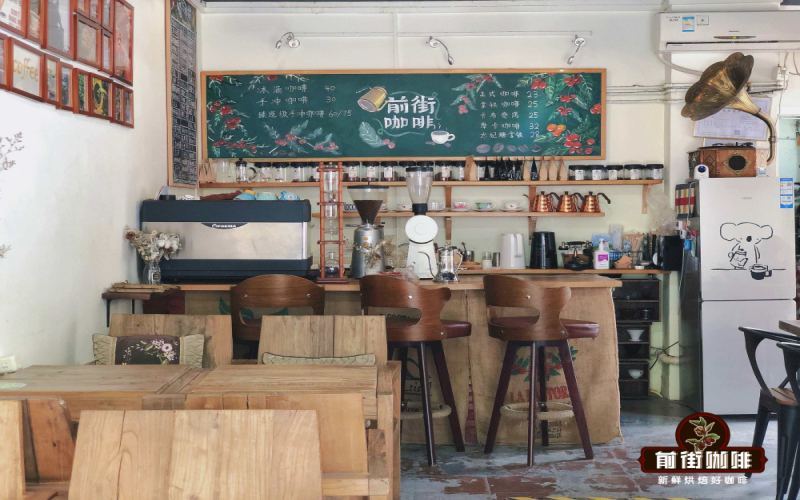
Gu Ji Ana Sora Dorothy Coffee Beans: Enzymatic Washed Process and Peach Oolong Flavor Analysis
Ethiopia, as the birthplace of coffee, has nurtured many stunning regions and flavors. Among them, the Guji region, after gaining independence from Sidamo in 2010, rose rapidly with champion beans such as Huakui and Huaxu, becoming a focal point in the specialty coffee world. The "Dorothy" recently launched by Front Street Coffee comes from the Anasora Estate in the Guji region, using an enzyme-washed processing method, presenting rich notes of white peach, jasmine, and oolong tea. This article will provide an in-depth analysis of this coffee's regional background, estate story, processing techniques, and brewing parameters, offering a comprehensive understanding of this peach oolong-flavored coffee that overturns the traditional Ethiopian impression. [more…]
Colombia Rose Valley Coffee Beans Flavor Analysis: A Brewing Guide to the Anaerobic Enzyme Washed Process with Rose and Peach Aromas
Colombian Rose Valley coffee beans are highly favored by coffee enthusiasts for their unique rose and peach flavors. This article starts with the current state of Colombia's coffee-producing regions, then takes a deeper look at the growing background of the Santander region and Finca El Arbol, breaks down the characteristics of the Caturra variety and the anaerobic enzyme washed processing method, and shares Front Street Coffee's roasting insights, cupping report, and staged brewing plan. Whether you want to understand Colombia's coffee production trends or master the brewing techniques for this floral-and-fruity coffee, this article offers professional and practical reference. [more…]
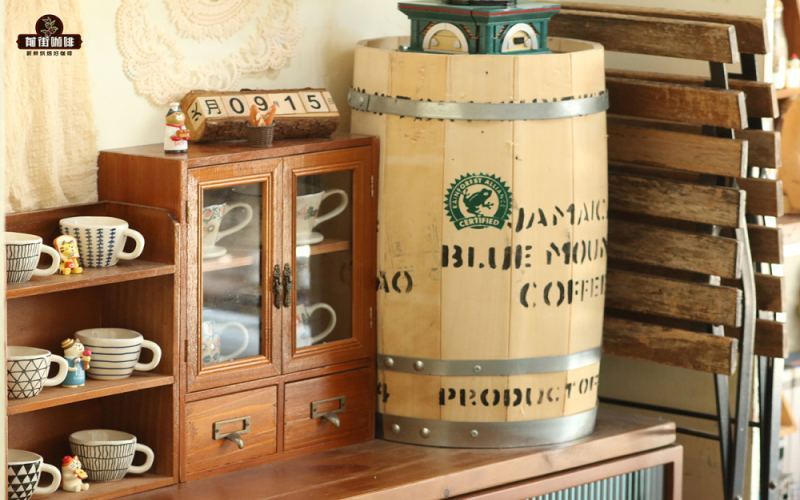
Colombian Rose Valley Anaerobic Double Enzyme Washed Coffee Beans: Full Analysis of Santander Finca El Arbol Flavor and Brewing
In recent years, peach oolong tea-flavored beverages have become hugely popular, and many coffee lovers are on the hunt for coffee beans with a juicy peach aroma. The Colombia Rose Valley launched by Front Street Coffee is exactly such a bean—one sniff and you're smitten. It comes from Finca El Arbol in the Santander region of Colombia, uses an anaerobic double enzyme washed process, and is of the Caturra variety. This article provides a comprehensive introduction to this bean's regional background, the estate's processing methods, variety characteristics, Front Street's roasting records and cupping performance, and offers grind size calibration, water temperature control, and three-pour brewing suggestions specifically for anaerobic beans, helping you fully unlock its captivating flavors of peach, rose, and liqueur chocolate. [more…]
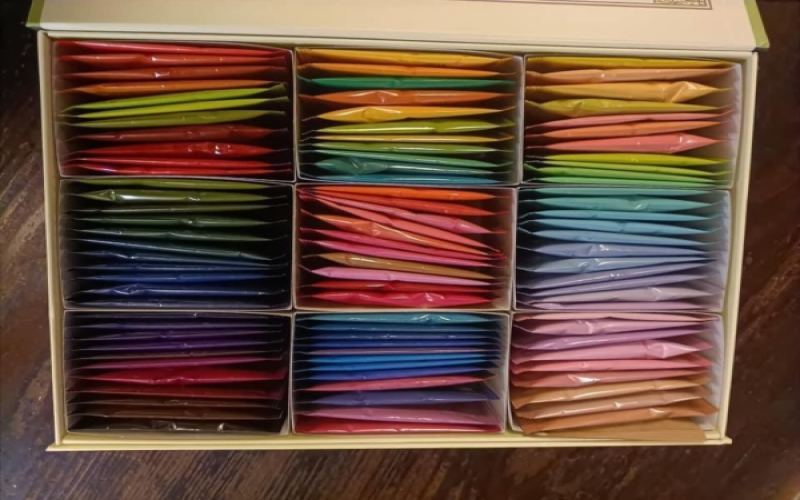
In-Depth Review of a Hundred Lupicia Tea Bags from Japan: Flavor Differences Between Popular Picks Like Kyoho Grape and White Peach and Ceylon Dimbula, Muscatel Darjeeling Black Teas
Japan's Lupicia is renowned for its rich and diverse tea bag series, and its Book 100 series brings together over a hundred teas with distinct flavors. Starting from the top 10 popularity ranking, this article reviews signature offerings one by one, including Kyoho, White Peach Oolong, and TOKIO Tokyo Wild Berry, while also taking an in-depth look at the flavor differences between Ceylon Dimbula and Darjeeling black tea. At the same time, it analyzes the real performance of specialty teas such as Nilgiri, deep-steamed sencha, and Cherry Black Tea. Whether you are a beginner just getting into Lupicia or a seasoned tea drinker looking for an everyday staple, this review can help you find the one that suits you best. Front Street Coffee will also combine tasting experience to share practical advice on selecting and brewing. [more…]
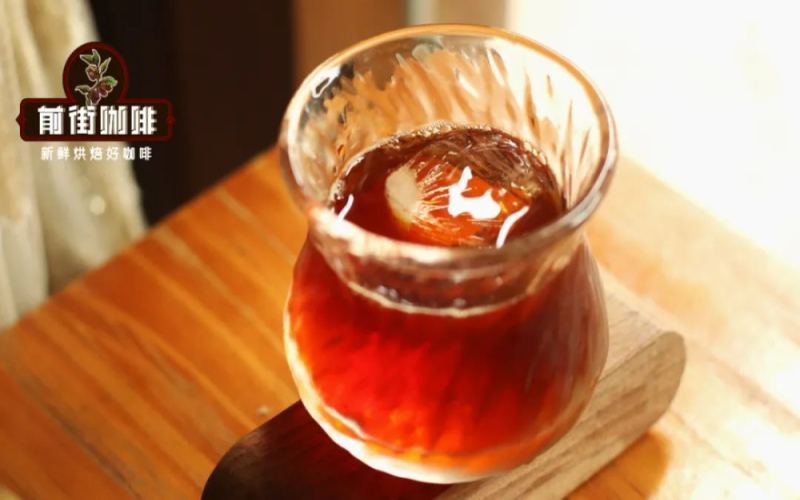
Low-temperature slow extraction meets fresh fruit infusion: four pairings tested, a step-by-step guide to making a well-balanced fruit cold brew
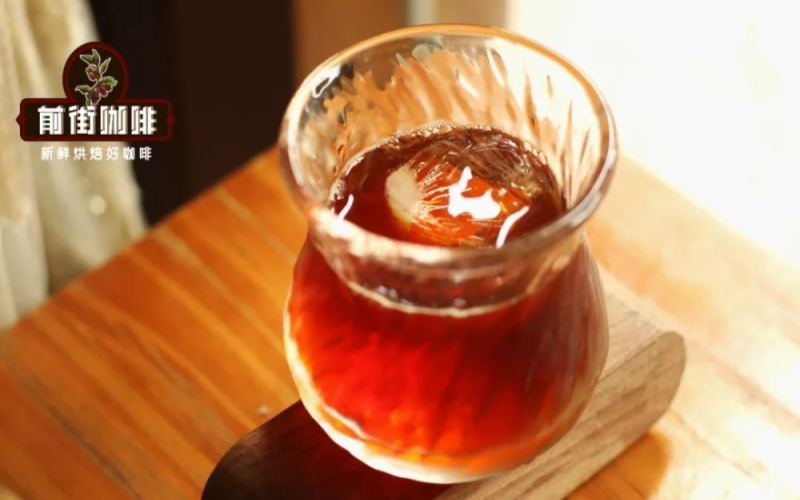
As temperatures keep climbing, the call for cold brew coffee grows louder and louder. The two thresholds of low temperature and slow steeping mean that the variables in cold brew are mainly concentrated in water volume, water temperature, and grind size, so there don't seem to be many ways to play around with it. But if fresh fruit and coffee beans are steeped together, could they collide into unexpected flavors? Front Street Coffee paired blueberries, grapes, lemons, and peaches with four coffee beans from different origins respectively and carried out a round of hands-on testing. From parameter settings to tasting impressions, and then to a summary of the patterns for choosing fruit and beans, the entire experimental process of this fruit cold brew was fully recorded, in the hope of offering some reference for friends who want to try it at home. [more…]
Fruit-Infused Cold Brew Coffee Pairing Experiments: Four Recipes, Flavor Comparison, and a Coconut Cold Brew Latte Recipe
Under the framework of cold brew coffee's low-temperature slow steeping, there are inherently few adjustable variables—just water volume, water temperature, grind size, and steeping method. But if fruit is brought into the steeping process as well, could it open up new flavor territory? Front Street paired blueberries, grapes, lemons, and peaches with four coffee beans of different character profiles, ran a round of fruit cold brew experiments, and recorded the aroma, mouthfeel, and pros and cons of each group. In addition, it extended into mixing ideas for cold brew lattes, sparkling cold brew, and coconut water cold brew, and summarized the types of fruit suitable for steeping and the direction for choosing coffee beans, as a reference for recreating them at home. [more…]
Front Street Coffee Natural Yirgacheffe G1 Red Cherry: A Full Analysis of the Heirloom Variety's Medium-Light Roast and Flavor Profile
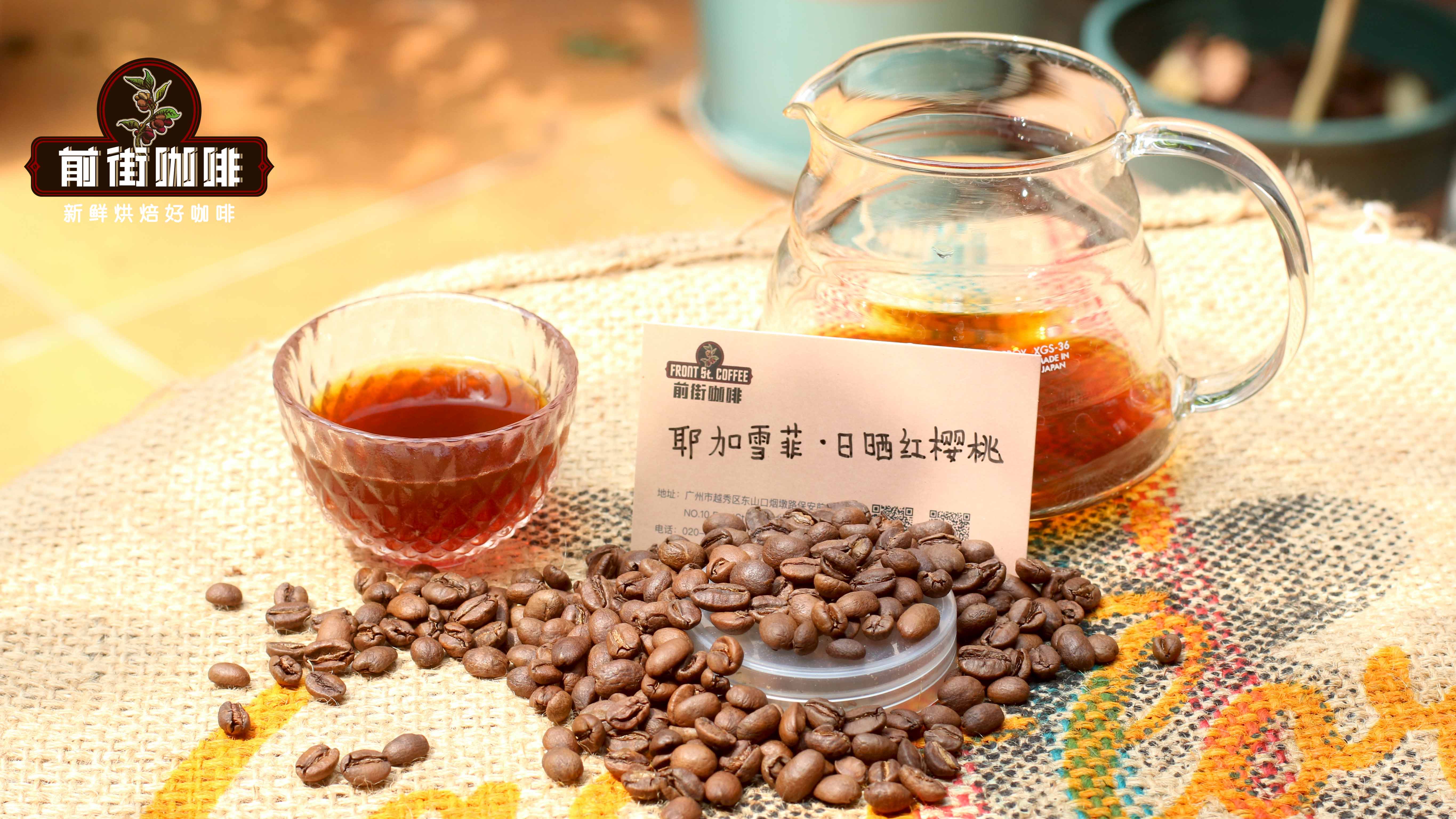
Yirgacheffe, as Ethiopia's most iconic specialty coffee region, has long been sought after by coffee enthusiasts for its high-grade naturally processed beans. Front Street Coffee's naturally processed Yirgacheffe G1 Red Cherry comes from the Kochere region, at an altitude of 1,800 to 2,000 meters, using the Heirloom variety, naturally processed and medium-light roasted, presenting a complex flavor interwoven with peach, honey, citrus, and cane sugar. This article will take you through a comprehensive understanding of the unique charm of these coffee beans from multiple angles including dry aroma, wet aroma, processing method, and grade classification, and explain why the natural processing method can give coffee beans a more complete natural mellow flavor and rounded mouthfeel. [more…]
Front Street Coffee Rose Valley Double Anaerobic Enzyme Washed Process Explained: A Complete Guide to Flavor Sources and Brewing Techniques
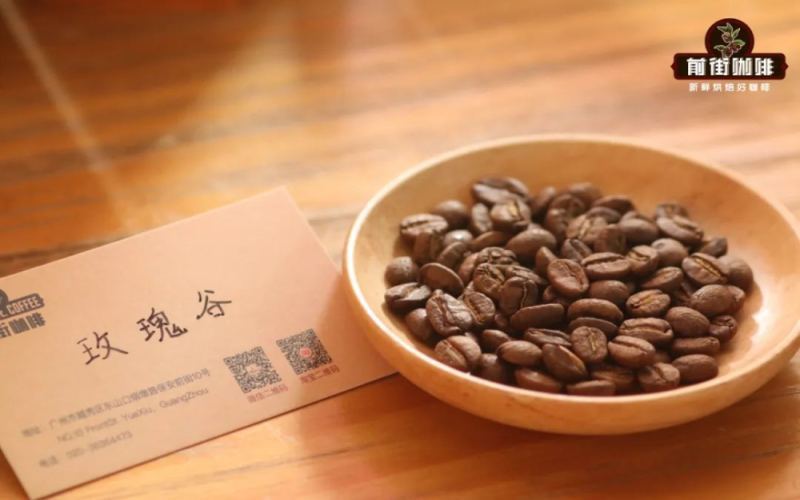
Front Street Rose Valley coffee beans have become a favorite among many coffee lovers thanks to their unique flavors of rose, peach, and liqueur chocolate. Where exactly does this bean's alluring aroma come from? The answer lies in the double anaerobic enzyme washed processing method it uses. This article will break down each stage of this processing method step by step, from the coffee cherry's first anaerobic fermentation to the coffee bean's second enzyme anaerobic stage, and then to the drying stage, helping readers understand the principles behind the formation of these special flavors. At the same time, in response to the brewing difficulties of this type of anaerobically processed coffee bean, the article will also share practical techniques such as grind size calibration, water temperature control, bloom assessment, and three-pour brewing, so that you can consistently bring out the rich fruity aroma and sweetness of Front Street Rose Valley at home. [more…]
Ethiopia Natural Yirgacheffe G1 Red Cherry: A Fruity Coffee Bean Roasted by the Shepherd
The sun-dried Yirgacheffe G1 Red Cherry from the Kochere region of Ethiopia is a specialty bean that pushes coffee fruit notes to the extreme. This coffee, roasted to order by Front Street Coffee, uses the oldest sun-drying method, allowing the fruit to dry naturally for about four weeks, fully preserving the rich flavors of peach, honey, citrus, and sucrose. The volcanic red soil at an altitude of 1,800 to 2,000 meters nurtures the unique character of the Heirloom variety, while the medium-light roast allows both its dry and wet aromas to reveal clean, delicate layers of floral and fruity notes. Whether you are a pour-over enthusiast or prefer cold brew, espresso, or drip, this G1 sun-dried Yirgacheffe delivers a coffee experience that overturns expectations. [more…]
Can Fruit Be Used to Make Cold Brew Coffee? Four Pairing Tests and Recipes for Cold Brew Latte and Coconut Water Cold Brew
Under the framework of low-temperature slow extraction, the variables that can be adjusted for cold brew coffee seem to be only the coffee-to-water ratio, water temperature, and grind size, making the possibilities appear quite limited. But if you open your mind—fruit can be used to make tea, so can cold brew coffee also be infused with fruit? With this idea in mind, Front Street conducted a round of infusion experiments using blueberries, grapes, lemons, and peaches, each paired with four different styles of coffee beans, and recorded the flavor performance and lessons learned from each group. In addition to reproducing the complete process and tasting results of these four pairings, this article also compiles the types of fruits suitable for infusion, the logic for selecting beans to pair with them, and specific methods for cold brew lattes, sparkling cold brew, and coconut water cold brew, for coffee enthusiasts who want to experiment at home. [more…]

Panama Elida Estate Natural Geisha Auction Lot: A Full Flavor Analysis of the 2017 Best of Panama Award-Winning Estate
In the Boquete production region of Panama, there is a legendary estate named after the estate owner's wife—Elida Estate. Since its founding by Robert Lamastus in 1918, four generations of the Lamastus family have remained committed to the cultivation and production of high-quality coffee, and today they have even expanded their holdings to the family's fifth estate, Trompo Estate. In 2017, Elida Estate's Geisha Natural competition lot won the Best of Panama award, and Front Street Coffee conducted a cupping immediately after completing the roast. This coffee displays rich layers of pomegranate, peach, white floral notes, grape, and black tea, with extremely high sweetness, rounded acidity, a silky mouthfeel, and a pronounced tea-like finish. As the temperature changes, the flavor transitions from peach sweetness to apricot, and the juicy quality becomes increasingly full. This article will take you deeper into the history and heritage of this century-old estate and the complete flavor expression of this competition lot. [more…]
Ethiopia Yirgacheffe Gedio Region Natural Coffee Flavor Analysis and the Berry Orchard Story
Yirgacheffe is one of Ethiopia's most iconic specialty coffee regions, and the natural-process lots from the Gedeo Zone are especially renowned for their clean, bright fruit character. The coffee featured in this article, Ethiopia Yirgacheffe Natural Boyefi G1, comes from the Gedeo Zone in the SNNPR Region. It is dried using the traditional, meticulous natural method at an altitude of roughly 1,850 to 2,300 meters, and the variety is Ethiopia's ancient heirloom landraces. The word Boyefi comes from the local language: Fere means berry, and Bota/Yefirafire means garden or orchard—together they mean berry orchard. This coffee has slightly larger beans and slightly lower density and moisture content. When brewed, you can taste blueberry, strawberry, and other berry flavors bursting in the mouth, accompanied by the aroma of tropical fruits such as passion fruit and mango. In the mid-palate, apricot, white peach, and grape juice flavors emerge, while floral and peach notes run through the entire palate. Front Street Coffee recommends this bean to coffee lovers who enjoy natural Yirgacheffe—its solid, full, and juicy flavor performance is not to be missed. [more…]
Ethiopia Natural Yirgacheffe Red Cherry Konga: A Complete Analysis of Berry Flavors and Pour-Over Parameters
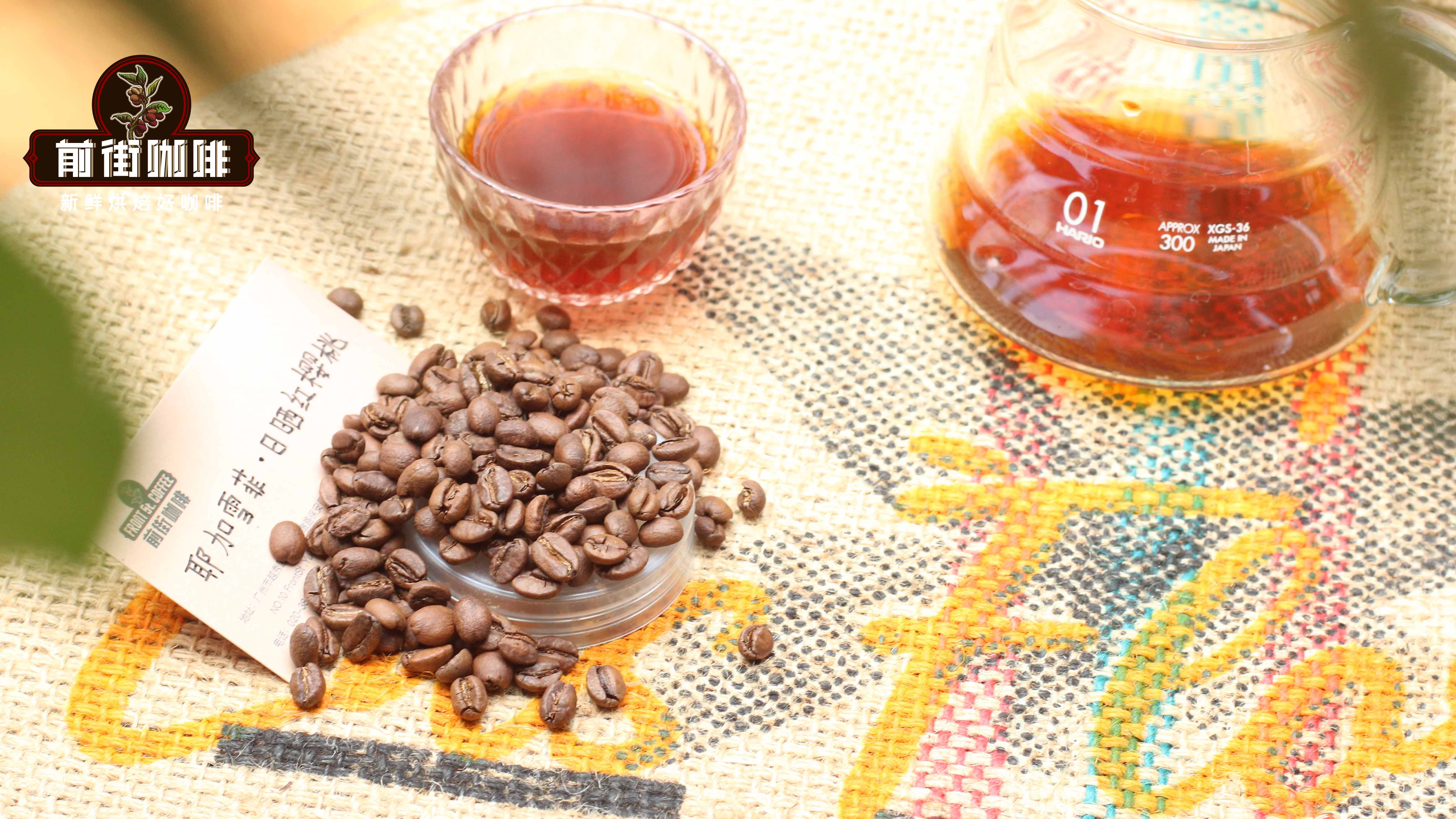
Yirgacheffe, as Ethiopia's most representative specialty coffee region, has natural process lots that have always been favored for their vivid fruity character. Front Street Red Cherry Konga, this natural Yirgacheffe, is made from fully ripe red cherry picking, grown at 1,900 to 2,000 meters, medium-light roast, and presents complex layers of dried peach, sweet citrus, cocoa, and rich acidity. This article will systematically introduce this bean's characteristics, from origin information and flavor performance to pour-over extraction parameters, while also sharing the actual brewing experience at 91 to 93°C water temperature, taking you to experience the full flavors woven together by strawberry, blueberry, passion fruit, and tropical fruit. [more…]
Colombia Rose Valley Coffee Beans: Origin Characteristics and Anaerobic Double Enzyme Washed Flavor Analysis
Colombian coffee is known for its diverse styles and bright fruity notes, and is one of the few single-origin coffees in the world sold under a country name. This article focuses on Front Street Colombia Finca El Arbol Rose Valley, analyzing its cultivation background in the Santander region, Caturra variety, 1,700-meter altitude, anaerobic double enzyme washed processing, and slow drying techniques, breaking down its complex aromas of white peach, strawberry, melon, rose, and champagne, while presenting its creamy toffee-like silky mouthfeel, to give you an understanding of the flavor sources and origin strength of this small-yield star bean. [more…]
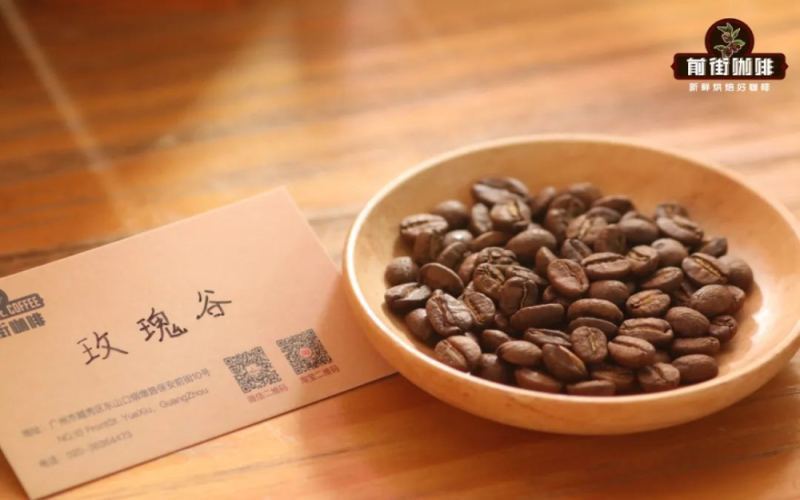
Front Street Coffee Rose Valley Pour-Over Tips: Flavor and Brewing Points of Colombian Double Anaerobic Enzyme Washed Coffee
Front Street Coffee's Rose Valley, a Colombian coffee bean, is unforgettable from the first sip thanks to its distinct peach flavor, and its unique taste comes from a double anaerobic enzyme wash processing method. However, getting the ideal result when brewing this type of anaerobic bean is no simple task—the grind setting, water temperature, and pouring rhythm all need targeted adjustments. This article starts with the principles of anaerobic fermentation and, combined with Front Street's hands-on experience, breaks down the key points of brewing Rose Valley by hand one by one, including how to calibrate the grind size with a sieve, why the water temperature should be controlled at 90-91°C, and the specific parameters for a three-stage pour, helping you consistently reproduce that cup of Rose Valley with floral notes and fruity sweetness. [more…]