







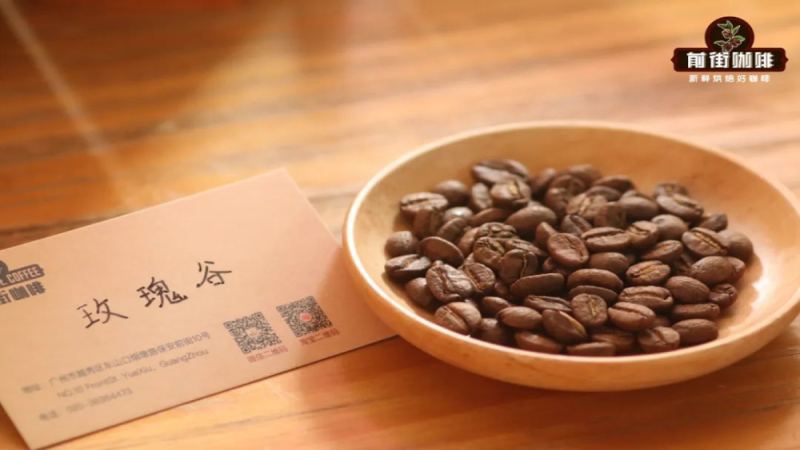
How Do You Brew Front Street Rose Valley Colombian Coffee?
Front Street's Rose Valley Colombian beans carry a clear peach note that comes from double anaerobic enzyme washed processing, in which the beans ferment twice in sealed, low-temperature conditions before drying. To brew them well, use a coarser grind than for traditionally processed beans, keep water at 90-91°C, and follow a three-stage pour with a steady rhythm.
Anaerobic fermentation changes how the bean structure responds to grinding, so a setting that works for washed beans can produce particles coarser than expected. Front Street calibrates grind size with a sieve and adjusts the pour to keep extraction even. The result is the floral and fruity sweetness that makes this Colombian coffee flavor so recognizable in the cup.
Front Street Coffee's Rose Valley Colombian coffee beans are unforgettable with their distinct peach flavor, a unique taste derived from the double anaerobic enzyme washed processing method. However, achieving the ideal brew from such anaerobic beans is no simple task; grind size, water temperature, and pouring rhythm all require specific adjustments. This article will start with the principles of anaerobic fermentation, combine Front Street's practical experience, and break down the pour-over essentials for Rose Valley one by one, including how to calibrate grind size with a sieve, why water temperature should be controlled at 90-91°C, and the specific parameters for a three-stage pour, helping you consistently recreate that cup of Rose Valley with floral and fruity sweetness.
The first time I tasted Front Street Rose Valley, that clearly distinguishable peach note left a deep impression. Its flavor distinctiveness far exceeds that of ordinary coffee beans, and I later learned that this bean uses a double anaerobic enzyme washed processing method.
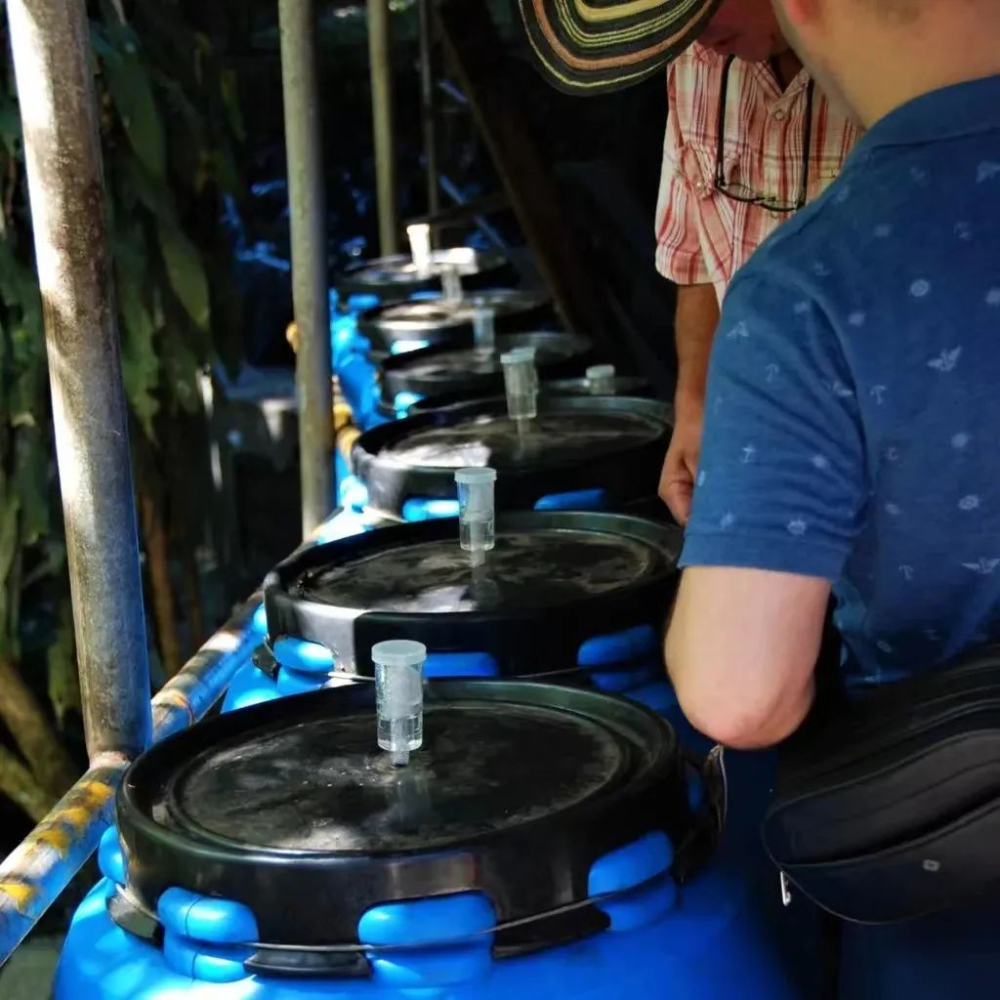
What is anaerobic processing? Simply put, it involves placing coffee beans in a sealed container and adjusting oxygen levels, pH, and temperature to ferment the beans into sweeter, more complex flavors. Take Front Street Colombia Rose Valley as an example: its double anaerobic enzyme washed method means the anaerobic phase is done twice: the first round involves low-temperature sealed fermentation with the fruit skin and pulp still on, and the second round removes the skin and pulp before low-temperature anaerobic fermentation, while adding enzymes to assist fermentation. Only after both fermentation rounds is it dried.
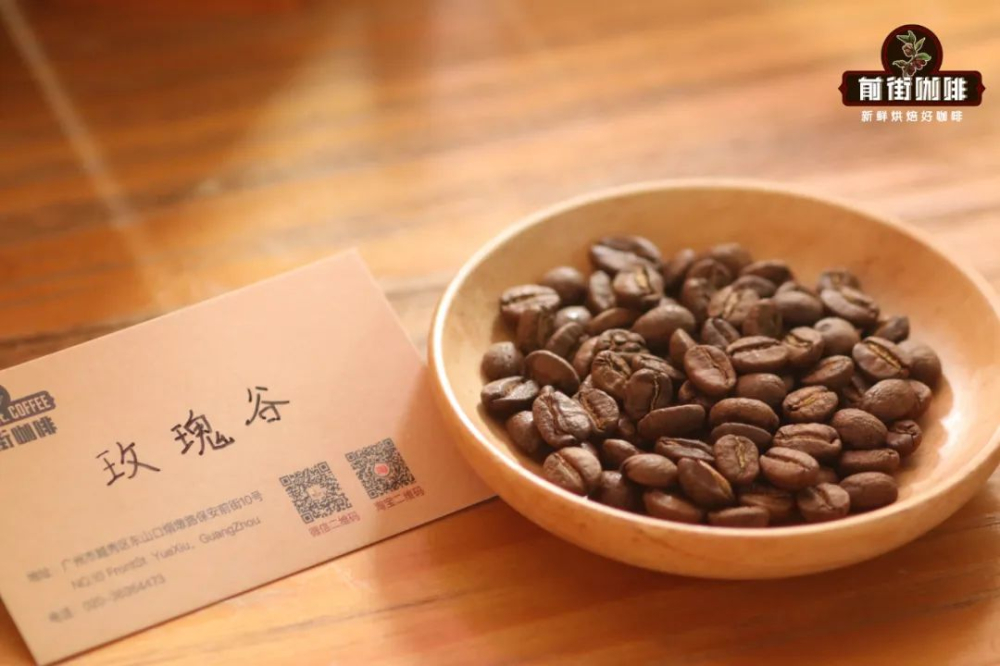
It is precisely this anaerobic processing that gives Front Street Rose Valley its highly recognizable peach flavor. Although Front Street Rose Valley's flavor is prominent and seems easy to taste no matter how you brew it, brewing it well is actually quite difficult. Below, Front Street shares some brewing insights for anaerobic beans like Colombia Rose Valley.
- Pay attention to grind size
Anaerobically processed coffee beans differ from traditionally processed beans in grind setting. If you use the setting you normally use for traditional beans to grind anaerobic beans, the actual particles you get will be coarser than expected.
For example, when Front Street uses an EK-43s at setting 10 to grind washed Front Street Colombia coffee beans, the No. 20 sieve gives an 80% pass rate; grinding Rose Valley at the same setting 10 yields only a 75% pass rate. If you want Rose Valley's grind to also reach an 80% pass rate, you need to adjust the setting finer. So when brewing an unfamiliar bean, don't directly apply your usual grind setting; it's best to calibrate with a sieve, as this is the safest approach.
- Water temperature issue
Anaerobically processed coffee beans have a looser texture and strong water absorption, so coffee compounds release easily. Therefore, Front Street recommends setting the initial water temperature at 90-91°C. Too high a temperature easily brings out noticeable bitterness, while too low makes the flavor dull and lacking in layers.
- How to brew
For brewing parameters, you only need to focus on grind size and water temperature; the rest is the same as usual: 15g of coffee, ratio 1:15.
During the blooming stage, anaerobic beans absorb water, expand, and degas quite noticeably, so it's also easy to over-bloom; the specific sign is many holes appearing on the surface of the coffee bed. So the blooming time doesn't have to be strictly 30 seconds; you can observe the state: once the coffee bed expands and stays still for 3 seconds with no change, you can start pouring, which is about 25-30 seconds.
For the pouring technique, Front Street recommends a three-stage pour: first pour 30ml for the bloom, then 120ml in the second stage, and 75ml in the third stage. Normal extraction time is around 1 minute 40 seconds.
Front Street Rose Valley brewed this way presents a rich aroma of honey peach and rose, along with a strawberry- and honey peach-like fruity sweetness, with no bitterness at all.
The above content is compiled by CoffeeHunters, a coffee news website.


