







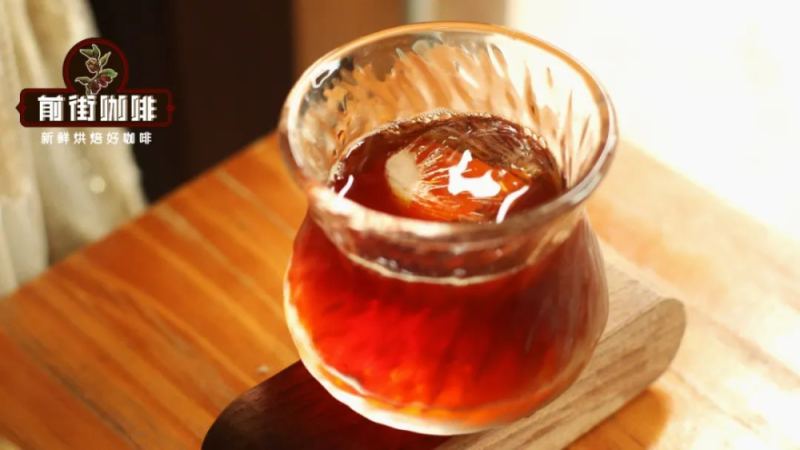
What fruits work in cold brew coffee recipes?
Fruit can be steeped with coffee during cold brew extraction, and four pairings tested at home worked: 10 g blueberries with a Kenyan coffee, 20 g grapes with an Ethiopian natural, 2 lemon slices with a Colombian Sidra, and 20 g peach with a Costa Rican strawberry-candy lot. The base recipe is 20 g coffee at a 1:10 ratio, brewed cold and slow.
The aim is balance: pick a delicate coffee whose fruit notes echo the added fruit, so neither side overwhelms the other. Colombia's Sidra, with orange juice, passion fruit and grape notes, suits citrus, while a natural Ethiopian with berry and fructose notes pairs with grapes. Fruit also works in cold brew lattes, sparkling cold brew and coconut cold brew.
Within the framework of low-temperature slow extraction, the variables that can be adjusted for cold brew coffee seem to be only the coffee-to-water ratio, water temperature, and grind size, making the possibilities appear quite limited. But if you open your mind—fruit can be used to brew tea, so can cold brew coffee also be infused with fruit? With this thought in mind, Front Street conducted a round of infusion experiments using blueberries, grapes, lemons, and peaches, each paired with four different styles of coffee beans, and recorded the flavor performance and lessons from failures for each group. In addition to recreating the complete process and tasting results of these four pairings, this article also compiles the types of fruits suitable for infusion, the logic for selecting beans to pair with them, and specific methods for cold brew lattes, sparkling cold brew, and coconut cold brew, for coffee enthusiasts who want to experiment at home.
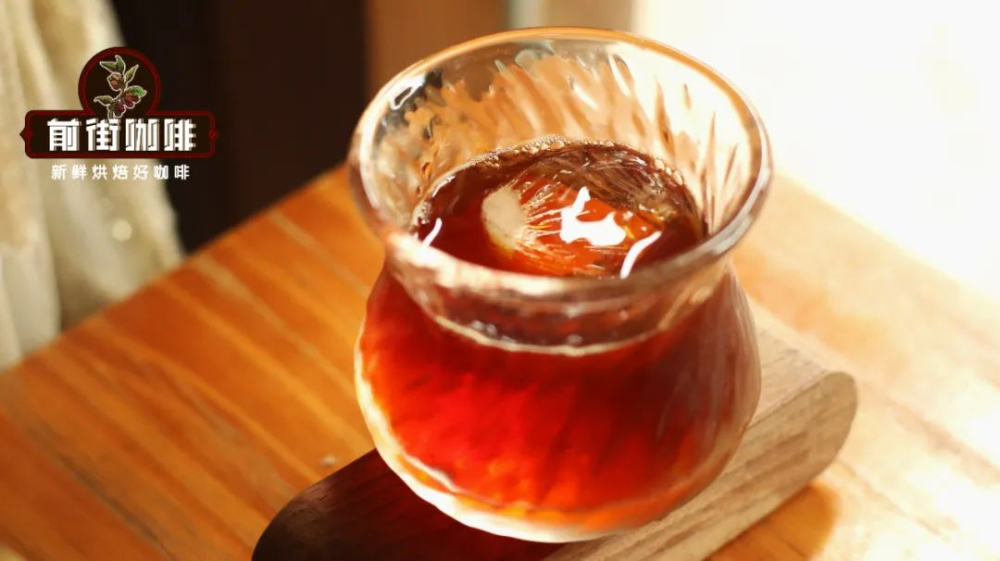
The tricks you can play with cold brew coffee really aren't that many. The two premises of low temperature and long steeping time basically compress the operable space to just the coffee beans themselves, water amount, water temperature, and grind size, and extending further only gets into details like the steeping container and water quality. Is there really no other breakthrough?
One afternoon, Front Street stared at a pile of leftover fruit on the table, thinking it would be a shame to throw it away. Since fruit can be used to brew tea, and cold brew coffee is also a form of infusion extraction, why not try putting the two together?
Hands-on Experiment
To avoid the coffee flavor overpowering the fruit flavor in the finished product, or the fruit flavor masking the coffee's own flavors, Front Street decided to pair each fruit with its own bean. The fruits on hand were blueberries, grapes, lemons, and peaches, and after combining them with four coffees, the results were as follows:
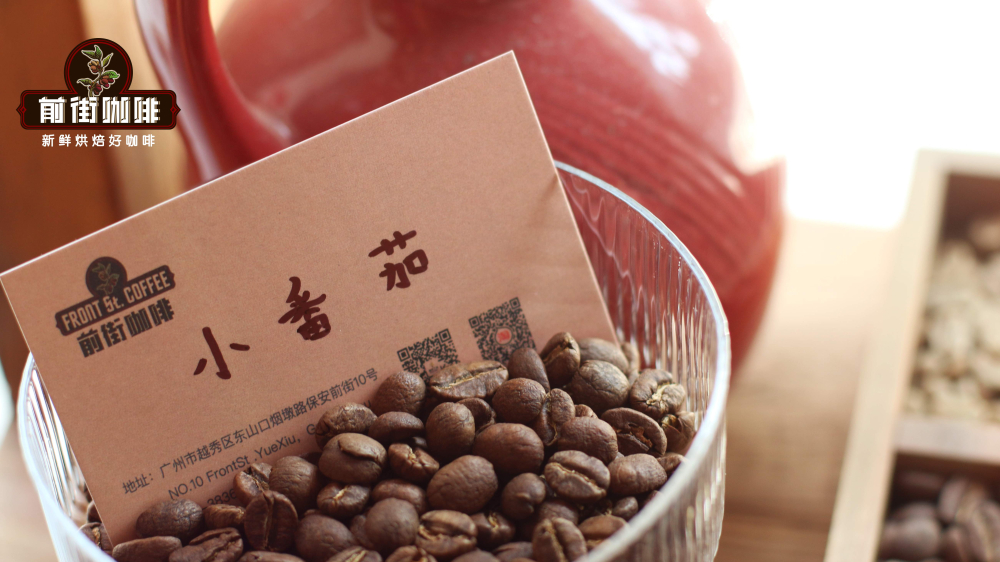
Group 1: Front Street Kenya Little Tomato (little tomato, smoked plum, berry notes) + 10 g blueberries
Group 2: Ethiopian Natural Huakui (pink floral, berry, fructose) + 20 g grapes
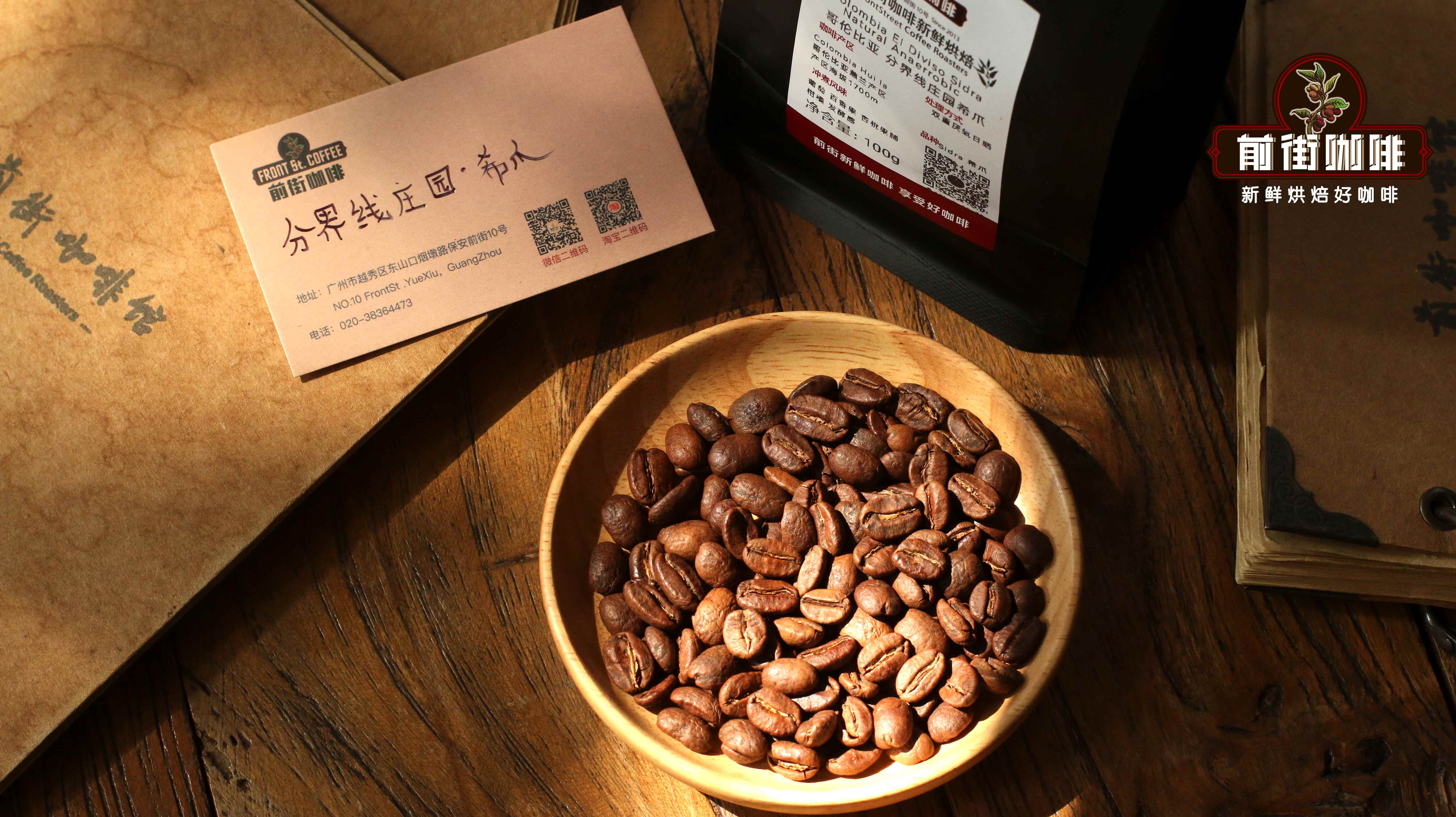
Group 3: Colombian Sidra (orange juice, passion fruit, grape) + 2 lemon slices
Group 4: Costa Rican Strawberry Candy (strawberry jam, raisin, rose) + 20 g peach
Cold brew production parameters:
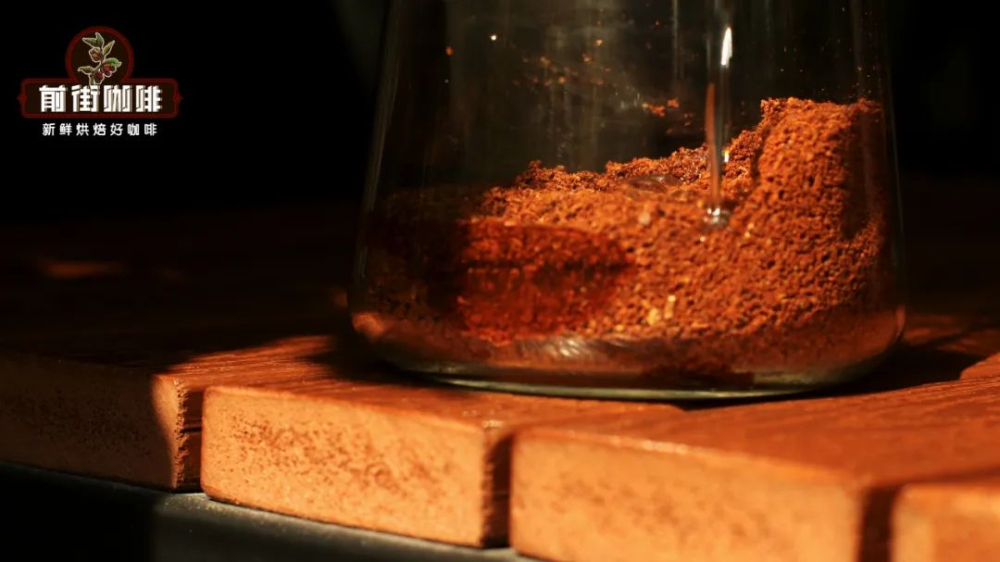
Coffee dose 20 g, coffee-to-water ratio 1:10, corresponding to 200 ml room-temperature water; grind size referencing fine granulated sugar, EK43s setting 9.5; steep for 12 hours, then filter, then refrigerate for 2 hours. The fruit should first be crushed or sliced, then steeped directly together with the coffee grounds.
Tasting Notes
Kenya with blueberry: The aroma is a faint blueberry fruitiness. On the palate, you first sense Kenya's signature smoked plum and dark berry acidity, followed by the fresh sweetness of the blueberries themselves, with a caramel-like sweet finish. Although the intensity of the little tomato is weakened, the overall body and refreshing quality are balanced, making it very suitable for summer drinking.
Natural Sidamo with grape: The cold brew smells of gentle berry aromatics. On the palate, there is a clear grape juice sensation, plus the fermentation notes characteristic of natural beans; the texture is clean, sweet-sour and juicy, with a finish echoing hawthorn and black tea. Of the four jars, this one is the most memorable.
Orange soda with lemon: Before you even drink it, the bright fresh lemon aroma rushes into the nasal cavity, mixed with a slight lemongrass-like peculiar scent. But the mouthfeel is not good: on the palate there is the astringency of citrus peel, a green tea sensation, and the sharp fruit acidity unique to lemon. After swallowing, an unpleasant sour-astringent feeling remains on the tongue.
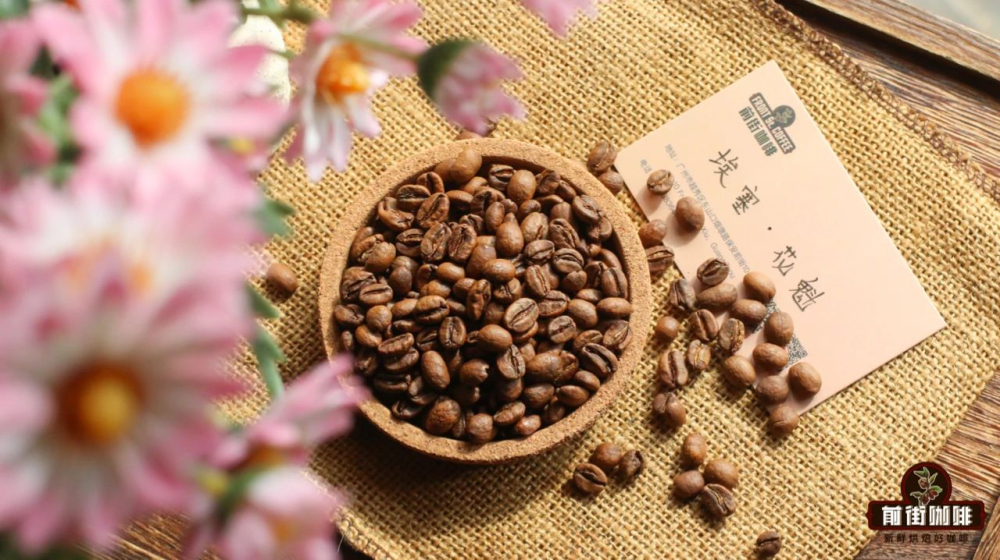
Strawberry Candy with peach: Because the peach was sliced rather than crushed before steeping, upon opening the lid you can only smell the sweet aroma of strawberry jam, while the peach note is not prominent. However, when drinking it, you can perceive dried apricot, ripe strawberry, and a slight fermented vinous aroma. Compared with regular Strawberry Candy cold brew, this jar with fresh peach added clearly has a stronger fruit flavor, and the sweetness is fuller as well.
Lessons Compiled
After this round of testing, Front Street's takeaway is: if you want fresh fruit and coffee to form a默契 partnership and make a juicy, sweet cold brew, you first need to judge whether the fruit is suitable for steeping and how to process it to bring out good flavor. Among the fruits available in Guangzhou, although there are many types, not many can steep overnight and still match well with coffee flavor; they are mainly concentrated in berries, stone fruits, and tropical fruits.
For berries, you can choose grapes, blueberries, raspberries, and mulberries; when processing them, it is best to crush them first to release juice before steeping. For stone fruits, you can pick peaches, apricots, and cherries; before steeping, try to cut them into thin slices so the fruit flavor is released more fully. For tropical fruits, there are pineapple, lychee, and so on; these belong to the relatively foolproof types.
Next is the choice of beans to pair with them. Considering flavor balance, Front Street recommends extracting with lighter-bodied light to medium roast beans, with African and Central American regions known for floral and fruity notes as the main targets. If you are unsure how to choose, you can prioritize popular single origins such as Front Street Washed Yirgacheffe, Front Street Mozart, and Front Street Butterfly.
After the cold brew is made, it can also be paired with other elements.
For example, mixing in fresh milk makes a cold brew latte. The addition of milk can soften the off-flavors brought by low-temperature extraction, while also adding a smooth, creamy mouthfeel to the cold brew, making it easier to drink.
Cold brew can also be mixed with sparkling water. The carbon dioxide in the carbonation can further stimulate the coffee flavors, making it taste refreshing and delicate.
Coconut water contains various amino acids, vitamins, and minerals. It tastes lightly sweet with a slight saltiness, quenches thirst and relieves summer heat, and is transparent in color. It has always paired well with iced coffee, and the same applies to cold brew.
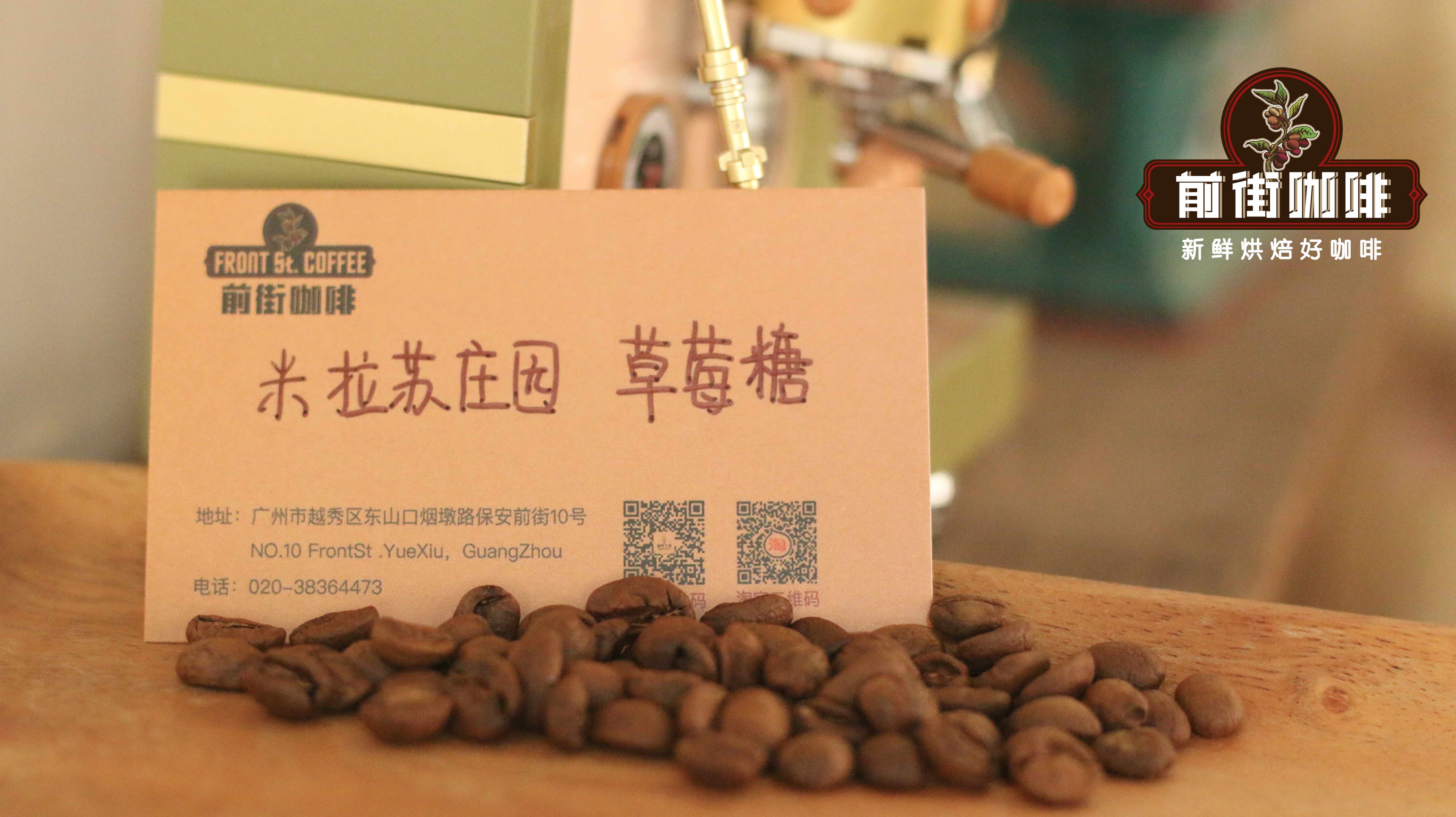
Front Street tried mixing 100 ml iced coconut water and 100 ml Strawberry Candy cold brew (coffee-to-water ratio 1:10) at 1:1 to make a cup of coconut-aroma cold brew. Every sip has both the sweet-sourness of raisins and strawberry gummies, and the fresh fragrance of coconut, making it quite pleasant to drink.
The above content is compiled by CoffeeHunters, a coffee news website.


