







Search Results for: oxidation discoloration
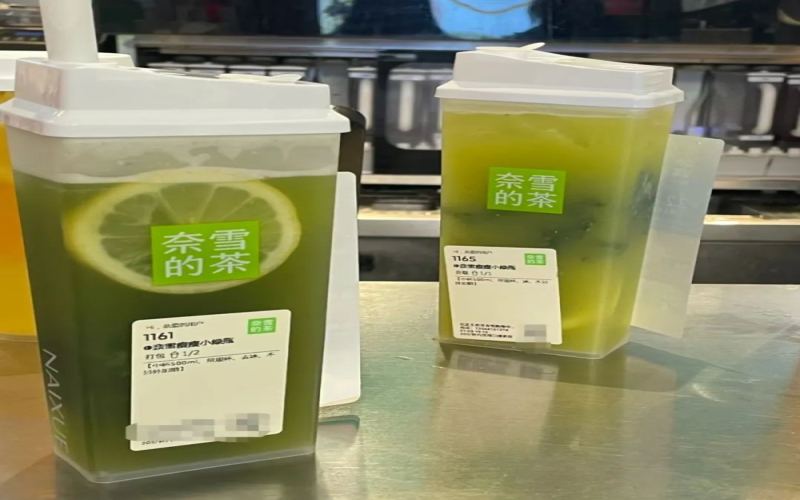
Nayuki's Little Green Bottle criticized as tasting like vegetable-leaf bathwater; the company responds: it's truly freshly squeezed, and the color change is due to oxidation.
The first product in Naixue's newly launched "Daily 500 Fruit & Veggie Bottle" series, "Slim Little Green Bottle," focuses on the daily 500g fruit and vegetable ratio recommended by the Chinese Nutrition Society, and claims to have no added sugar and to be freshly squeezed to order. After hitting the market, however, quite a few consumers reported that it tasted noticeably sweet, with some even describing it as "syrup-like," and others posted photos showing the drink looking yellowish, questioning whether it was really freshly squeezed. Naixue employees responded on social media that the sweetness comes from fruits such as apples, pears, and sweet oranges that naturally contain sugar, while the yellow-green color is a normal phenomenon after apples oxidize, and stressed that all ingredients are processed the same day and kept refrigerated for a limited time. The controversy also sparked playful online discussion about the kale leaves at the bottom of the cup. [more…]
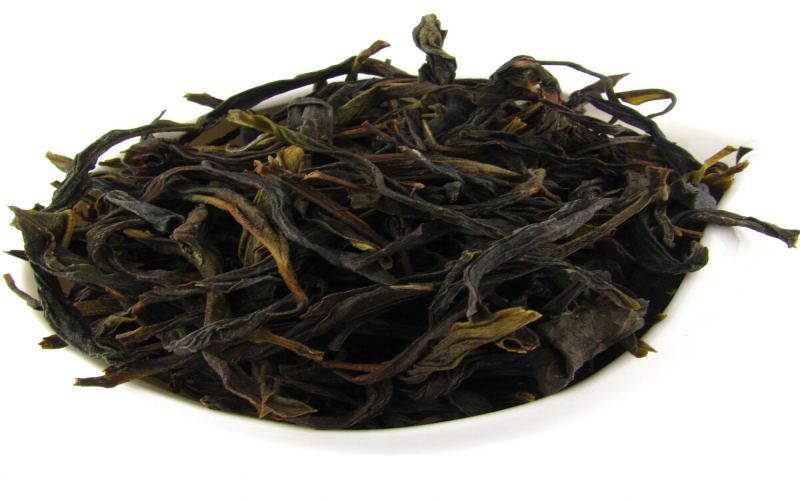
A Comprehensive Analysis of the Name Origin, Flavor Characteristics, and Gongfu Brewing of Duck Shit Dancong Oolong
Duck Shit Dancong is one of the most oddly named yet most fascinatingly flavored varieties of oolong tea. Many people, upon first hearing the name, wonder: is duck shit really added to the tea? In fact, Duck Shit is merely the name of a tea tree cultivar and has nothing to do with duck droppings. It is produced in the Phoenix Mountains of Guangdong. The finished tea has a dark brown color with slightly curled strips. After brewing, the liquor takes on a deep amber hue, with a aroma dominated by honeysuckle, jasmine, and gardenia, accompanied by honey and lychee-like fruity sweetness. On the palate it is sweet, rich, and intense, with a slight astringency but an overall balance, and the early infusions often show a creamy smoothness. This article will guide you through the origin of the name Duck Shit, the production process, the background of its place of origin, its flavor characteristics, and the specific parameters for gongfu brewing, so that you can fully understand this dancong oolong whose name is "flavorful" yet which bursts with floral fragrance when drunk. [more…]
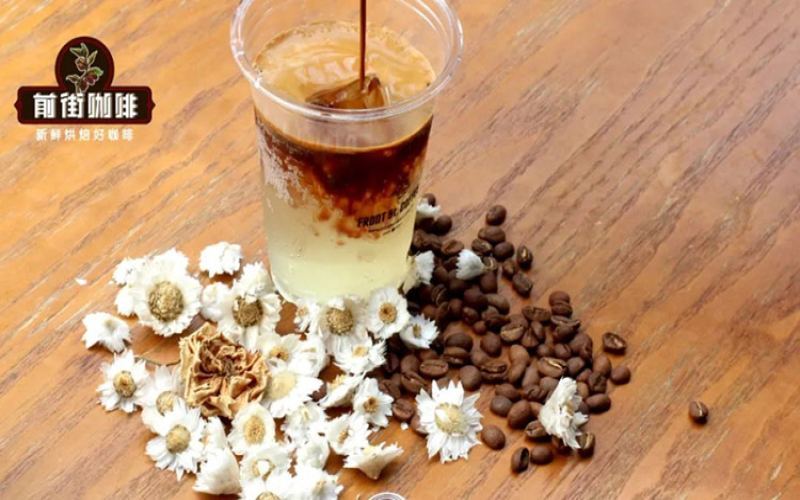
Detailed Recipe for Summer Apple Special American Coffee: Three Methods and Ratio Parameters
On a hot summer day, a refreshing apple-infused Americano might be exactly what you need. This article centers on the pairing of apple juice and espresso, sharing three different approaches: direct mixing, adding sparkling water, and freezing apple juice into ice cubes. As the star of the coffee, Front Street Mamba Blend Coffee brings the wildness of Mandheling and the cocoa-like balance of Brazilian beans. Whether you have an espresso machine or a moka pot on hand, as long as you get the ratio of juice to coffee and the details right, you can recreate at home an apple Americano with a harmonious taste where the fruity aroma isn't overshadowed. [more…]
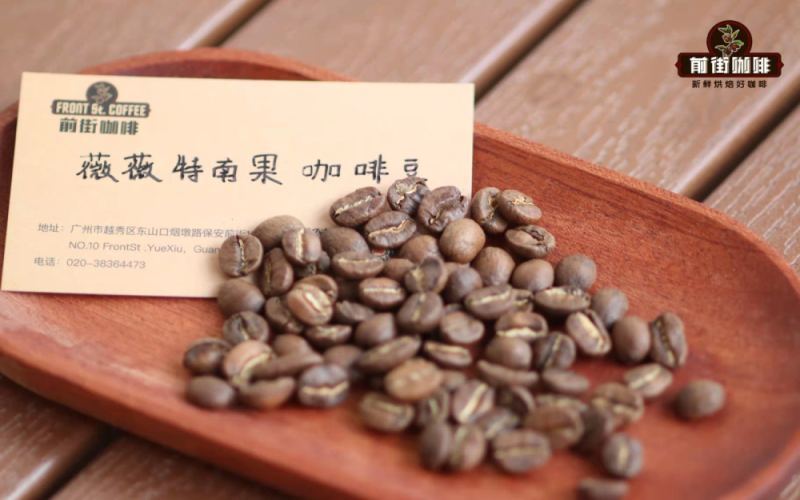
Monte Cristo Estate Natural Geisha Review: The Flavor and Cultivation Secrets of a Rainforest Alliance Certified Guatemalan Coffee
Guatemala's Monte Cristo Estate produces a distinctive natural Geisha—Don Gustavo Geisha—impressing with bright citrus and tropical fruit notes and a silky, candy-like mouthfeel. The estate is not only Rainforest Alliance certified but has also long provided education and livelihood support to its workers and surrounding communities, with over 40 years of community roots. Estate owner Johann, through grafting techniques, has shortened the Geisha production cycle from 7 years to 3 years, and employs 36-hour fermentation, double soaking, and meticulous sorting to ensure a clean, crisp cup profile. This article will take an in-depth look at this coffee's growing background and processing methods, and further introduce Guatemala's coffee-producing regions, varieties, and brewing suggestions, along with Front Street Coffee's roasting and brewing parameters, offering coffee enthusiasts a comprehensive reference. [more…]
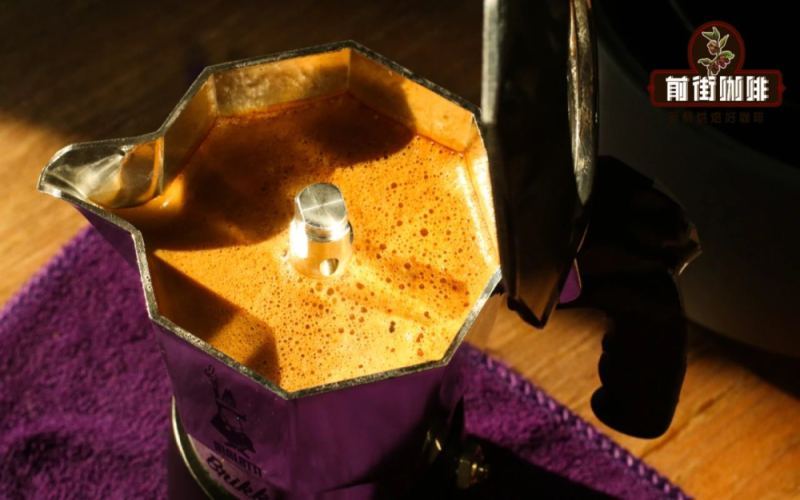
Moka Pot Beginner's Guide: A Complete Breakdown of How It Works, Coffee-to-Water Ratio, Grind Setting, and Bean Selection
As an Italian coffee brewing device with a low barrier to entry and high popularity, the moka pot is deeply favored by home coffee enthusiasts. From the perspective of Front Street Coffee, this article systematically reviews the moka pot's steam extraction principle, the structural differences between single-valve and dual-valve models, the suitable range for coffee grounds fineness, the key points for controlling water temperature and coffee dose, and the complete brewing steps. At the same time, it gives specific recommendations for choosing espresso beans, including the flavor performance and resting period explanation of Front Street Coffee's Sunflower Warm Sun espresso blend, helping readers consistently make a cup of moka pot coffee at home with rich crema and a full-bodied taste. [more…]
Detailed Explanation of Yunnan Coffee Grade 2 Classification Standards: A Full Analysis of Physical, Chemical, and Hygiene Indicators and Quality Grades
Yunnan is a major coffee-producing region in China, and its coffee bean grading system is crucial for quality control. What tier does Special Grade 2 occupy? This article breaks down the specific requirements for Yunnan coffee beans at Special Grade 2 one by one, from appearance and sensory attributes, physical indicators, and chemical indicators to hygiene standards, including hard data such as a granule size of 7.1 mm, broken beans not exceeding 10%, and moisture content ≤12.5%. Understanding these standards not only helps you judge coffee bean quality but also helps you make wiser choices when purchasing. Front Street Coffee will also share related product information in the article, making it suitable for coffee enthusiasts who want to gain a deeper understanding of the grading logic for Yunnan beans. [more…]
Coffee Bean Quality Assessment Guide: A Systematic Grading and Defect Identification Method from Appearance to Flavor
The starting point of a good cup of coffee lies in selecting high-quality coffee beans. This article systematically explains how to judge the quality of coffee beans from six dimensions: appearance observation, identification of defective beans, extraction process, grinding feel, extracted liquid state, and taste and aroma. By understanding common defect types such as black beans, fermented beans, dead beans, broken beans, and insect-damaged beans, as well as the characteristics of high-quality beans during brewing, such as fluffy foam, a crisp sound during grinding, and clear extracted liquid, it helps coffee enthusiasts build a complete quality assessment system. The article also specifically recommends related products from the Front Street Coffee brand, providing a reference for everyday purchasing. [more…]

Should You Sort Out Defective Beans Before Brewing Coffee? Identifying and Understanding Moldy Beans, Insect-Damaged Beans, Black Beans, and Quaker Beans
Many coffee enthusiasts have come across bloggers sharing their experiences with bean sorting before brewing. The main purpose of sorting beans is to remove defective beans that carry negative flavors. This article focuses on this topic, systematically outlining the types, causes, and identifying characteristics of common coffee defects, including moldy beans, insect-damaged beans, black beans, and the more unusual quaker beans, while explaining their specific impact on coffee flavor. It also addresses a practical question: if the chosen merchant is reliable enough and the beans have undergone multiple rounds of sorting before and after roasting, is it still necessary to sort beans by hand yourself? Drawing on Front Street Coffee's sorting process and a 15g Panama Boquete Geisha as an example, the article offers a useful reference answer. [more…]

Warning from a 13-Year-Old Girl with 12 Cavities: One Milk Tea a Day Acid-Eroded Her Teeth into Plaster
The first cup of milk tea in autumn, the first cup of the school year—milk tea is seen by many young people as a source of happiness, but overindulging can bring serious health risks. Xiaoliu, a 13-year-old eighth-grade girl in Hangzhou, drank a cup of milk tea almost every night to stay alert due to study pressure, which ultimately led to severe cavities in all 12 of her teeth and a diagnosis of "dental erosion." Doctors point out that milk tea not only contains a large amount of hidden sugar, but long-term consumption can also worsen tooth demineralization and corrosion. This article will recount the course of the incident, analyze the causes and harms of dental erosion, and offer practical advice for milk tea lovers on protecting their teeth. [more…]
El Salvador Finca Colombia Estate Pacamara Natural: Variety Characteristics and Flavor Analysis
Pacamara is a well-known variety developed in El Salvador, attracting attention in the specialty coffee world for its unique flavor performance. This article focuses on Finca Colombia estate in the Apaneca-Ilamatepec mountain range of El Salvador, reviewing its century-long history, variety cultivation, and natural processing methods, and analyzing El Borbollon processing station's practices in quality control and social responsibility. The estate owner Rafael Gerardo Caceres family adheres to traditional varieties and meticulous processing, presenting flavor layers of strawberry, lemonade, and creaminess. Front Street Coffee also recommends paying attention to this estate's natural batch, suitable for pour-over enthusiasts to experience its flavor characteristics. [more…]
Colombian Specialty Coffee Bean Flavor Analysis: From the Andes Mountain Growing Regions to Washed Processing and the Grading System
Colombian coffee occupies an important place in the global coffee market thanks to its mild acidity, its rich, full-bodied notes of dark chocolate and roasted nuts, and its caramel-like sweetness. The skillful balance of sour, sweet, and bitter flavors makes it a common choice for espresso blends, and Front Street Coffee's specialty blend includes beans from Colombia. This article will take you through an in-depth look at the growing environment, main producing regions, grading system, and processing methods of Colombian specialty coffee beans, and introduce several Colombian single-origin everyday beans from Front Street Coffee worth trying, so you can experience the unique flavors nurtured by the Andes Mountains. [more…]
Where Does the Acidity in Colombian Coffee Come From? A Detailed Guide to Regional Terroir, Grading Standards, and Front Street Recommendations
Colombian coffee is often described as smooth in body, bright in acidity, and well balanced in flavor, and these characteristics are inseparable from its unique geographical environment. This article systematically examines the sources of acidity and the quality system of Colombian coffee, from Colombia's growing conditions, the background of the FNC's establishment, and the green bean grading system, to the flavor profiles of specialty regions such as Huila, and on to distinctive beans on Front Street Coffee's menu such as Sidra and Maragogipe, giving you a comprehensive understanding of this coffee nation known as "green gold." [more…]
In-Depth Analysis of Colombian Supremo Coffee: Top-Tier Flavors Nurtured by the Andes and the Characteristics of the Huila Region
Colombian coffee is renowned worldwide for its smooth body, vibrant fruit acidity, and balanced flavor, thanks to the unique microclimate and volcanic ash soil of the Andes Mountains. This article covers everything from Colombia's coffee-growing environment, the regulatory role of the FNC, the green bean grading system, and the specific standards for Supremo coffee, to the flavor characteristics of the Huila region and brewing recommendations for Front Street Coffee's everyday beans—presenting a complete picture of Colombian Supremo coffee and guiding you to a deeper understanding of the core appeal of this world-famous coffee origin. [more…]
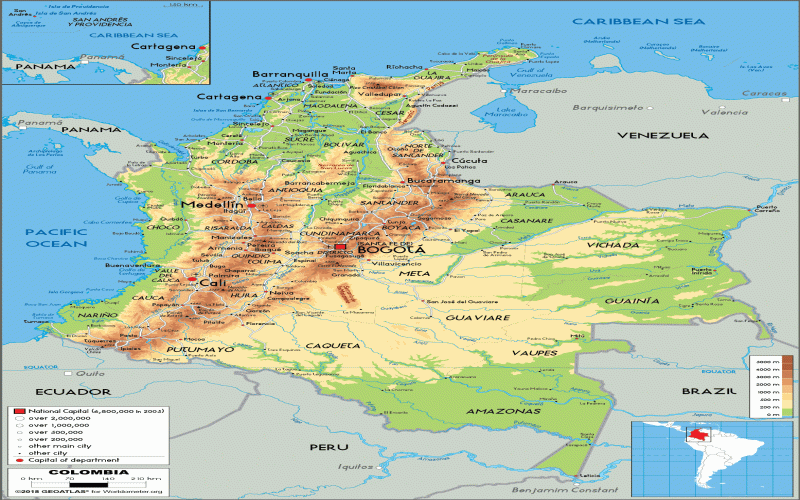
Colombia Huila Coffee Flavor Analysis: A Complete Guide to Acidity, Flavor Layers, and Brewing Parameters
Colombian coffee is often described as having a round mouthfeel, bright fruity acidity, and balanced flavor, which is closely tied to its unique geographical conditions—straddling the equator with the Andes mountain range running through the entire country. This article begins with Colombia's coffee-growing environment, the role of the FNC association, and the green bean grading system, with a focus on the flavor characteristics of the southern Huila producing region. Huila Province has high altitude, abundant water, and fertile volcanic soil; the Arabica coffee it produces carries nutty and chocolate aromas, with prominent caramel sweetness and a clean, smooth entry. Front Street Coffee has included it in its high-value everyday drinking bean series, using washed processing, medium grinding, and medium-temperature brewing to showcase the typical Colombian style. [more…]

A Comprehensive Analysis of the Flavor Characteristics and Regional Processing Methods of Colombian Specialty Arabica Coffee Beans
Colombian specialty Arabica coffee beans are renowned for their soft acidity, dark chocolate, and caramel sweetness, occupying an important position in the global coffee market. This article will guide you through Colombia's coffee-growing environment, southern specialty production regions, green bean grading system, washed processing method, and 4 Colombian specialty beans recommended by Front Street Coffee, including Huila everyday beans, Hanami, Flower Moon Night, and Sakura, along with detailed V60 brewing parameters, suitable for coffee enthusiasts to gain an in-depth understanding of the unique charm of Colombian coffee. [more…]
Flavor Analysis of Colombian Specialty Arabica Coffee Beans: From the Andes Growing Regions to Washed Processing and Front Street Coffee Roasting Recommendations
Colombian coffee holds an important position in the global specialty market, and its signature soft acidity, black chocolate and caramel sweetness have captivated countless coffee lovers. From the high-altitude growing environment of the Andes Mountains, to FNC's strict grading system and defect control, and then to the predominantly washed processing methods, Colombian coffee beans display a balanced and richly layered flavor profile. This article will systematically sort out the unique qualities of Colombian specialty Arabica coffee beans from the perspectives of origin environment, grading standards, processing methods, and more, and introduce several Colombian regional beans sold by FrontStreet Coffee, along with their roasting approaches and brewing suggestions, to help readers fully understand the flavor code of this classic producing country. [more…]
Colombian Pour-Over Coffee Ground-to-Water Ratio and Flavor Analysis: Regional Grading, Processing Methods, and Front Street Coffee Bean Menu Brewing Guide
Colombian coffee is renowned worldwide for its mild acidity and its black chocolate and caramel-like sweetness, making it a perennial bean in espresso blends and pour-over brewing. This article begins with the symbols of Colombian coffee and its producing environment, systematically reviewing the distribution of southern specialty growing regions, the green bean screen size grading system and defect rate standards, and explaining in detail how processing methods such as washed and anaerobic natural affect flavor. At the same time, the article provides specific parameters for V60 pour-over, including a coffee-to-water ratio of 1:15 and a water temperature of 90-91°C, and fully includes the flavor descriptions of Front Street Coffee's four Colombian bean offerings, helping enthusiasts choose beans and brew. [more…]
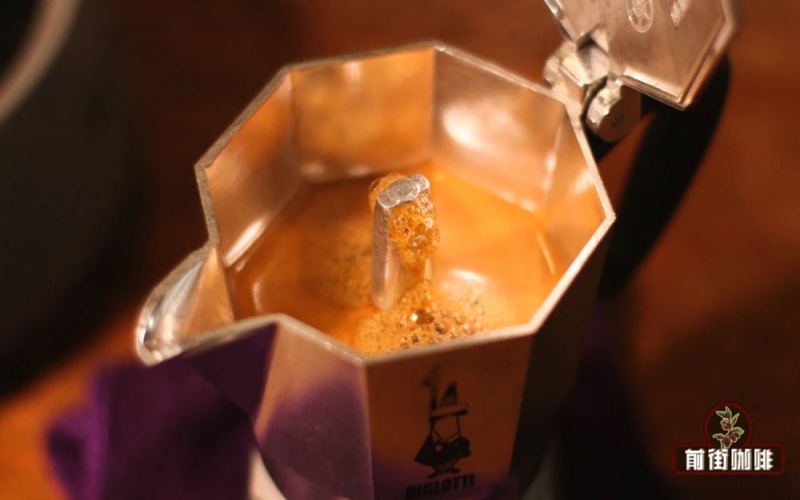
A Complete Guide to Moka Pot Brewing: From Equipment Principles to Coffee Bean Selection and Operational Details
To easily make a cup of espresso with rich crema at home, the moka pot is an indispensable classic tool. It has a low operating threshold, yet it can extract a satisfying espresso taste. From the perspective of Front Street, this article systematically explains the working principle of the moka pot, the differences between single-valve and double-valve, the types of coffee beans suitable for pairing, how to judge the grind size, water temperature and coffee-powder filling techniques, as well as daily cleaning and maintenance points. The article also recommends three coffee beans—Front Street Classic Espresso Blend, Brazil Queen Estate, and Strawberry Candy—for different taste preferences, helping you consistently produce a fragrant and mellow cup of moka pot coffee at home. [more…]
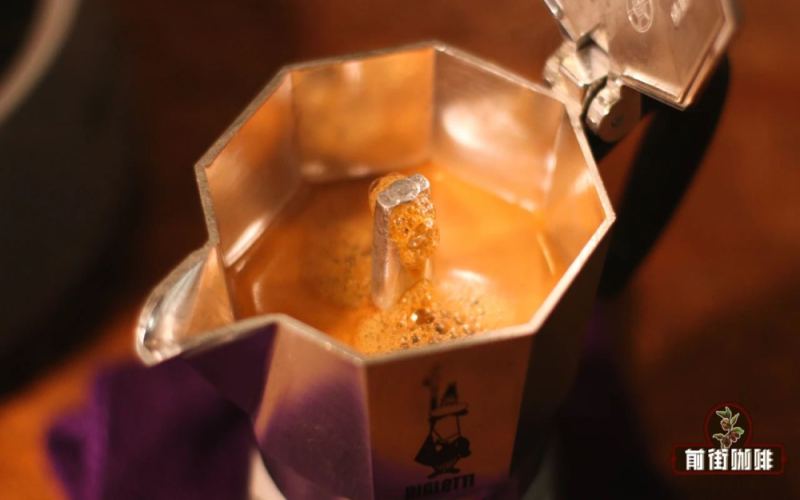
Illustrated Step-by-Step Guide to Using a Moka Pot | Should You Use Roasted Coffee Beans or Freshly Ground Coffee in a Moka Pot? Recommended Medium-Roast Coffee Beans for Moka Pot
Nowadays, people's love for coffee goes beyond pour-over, and more and more people are pursuing making espresso at home. You'll notice that many friends now go to coffee shops and directly order a latte or cappuccino and other espresso-based drinks, but the friends who understand coffee better might order a single-origin specialty coffee. [more…]
How does the degree of tea oxidation shape flavor? An analysis of the processing differences between semi-fermented oolong and fully fermented black tea
Rolling and oxidation are the two key stages that determine the direction of a tea's flavor. Rolling shapes the leaf while also influencing the strength and speed of flavor release; oxidation—a process often mislabeled "fermentation"—is in reality merely a reaction between polyphenols and oxygen, yet it directly determines the vast differences in aroma, color, and mouthfeel among oolong, black tea, and even CTC tea. From the distinctive red edge on an oolong leaf, to the apricot-like richness of Chinese black tea, to the strong, lively character of traditional British tea and CTC tea, the degree, speed, and manner of oxidation are the core code that shapes the personality of every cup. This article takes you deeper into how rolling and oxidation affect tea flavor. [more…]