







What makes Colombian arabica coffee taste balanced?
Colombian arabica coffee is grown along the Andes mountain ranges, where volcanic ash soil and varied microclimates across the western highlands support a soft, balanced profile. The cup typically shows gentle acidity, dark chocolate or roasted nut body, and pronounced caramel sweetness, which is why these beans appear both as single-origin lots and in espresso blends.
Washed processing and a green bean grading system keep quality consistent before roasting. Southern regions such as Huila supply many specialty lots, including everyday beans, Hanami, Flower Moon Night, and Sakura. A V60 with a medium grind and staged pours suits these coffees, and each roast level shifts the balance of caramel, chocolate, and shifting acidity.
Colombian specialty Arabica coffee beans are known for their soft acidity, dark chocolate, and caramel sweetness, occupying an important position in the global coffee market. This article will walk you through Colombia's coffee-growing environment, southern specialty regions, green bean grading system, washed processing method, and 4 Colombian specialty beans recommended by Front Street Coffee, including the Huila everyday bean, Hanami, Flower Moon Night, and Sakura, along with detailed V60 brewing parameters—perfect for coffee lovers who want to dive deep into the unique charm of Colombian coffee.
For more specialty coffee knowledge, please follow our WeChat public account: FrontStreet Coffee
When you search for Colombian coffee online, have you ever noticed an image of a bearded man leading a small mule? This is actually the official trademark of Colombian coffee, composed of three elements: a triangular background, a mule, and a farmer wearing a straw hat. Because Colombia's coffee-growing regions are steep and the mountain roads are difficult to navigate, mules have historically been relied upon to transport coffee beans, and that bearded man is the most common image of Colombian coffee farmers.
Why is Colombian coffee renowned worldwide?
The key reason Colombian coffee is so popular around the world lies in the soft acidity of its processed beans, combined with the body of dark chocolate or roasted nuts and a pronounced caramel-like sweetness. The three tastes of acidity, bitterness, and sweetness are perfectly balanced, creating a unique and well-rounded flavor.
Because of this balanced flavor, Colombian coffee beans are often used in espresso blends. Whether single-origin beans or blended beans, Colombian coffee at different roast levels displays its own distinct character—sometimes caramel, sometimes chocolate, and sometimes a complex, shifting acidity.
Colombia's Coffee-Growing Environment
Coffee cultivation is mainly distributed along the Andes mountain range on Colombia's western side, with three high mountain ranges running from south to north across the entire country. The ecosystems here are rich and diverse; the different forests, grasslands, rivers, and lakes at the foot of each mountain create varied climate conditions, while volcanic ash soil accumulated over millions of years provides ideal conditions for coffee growing. Coffee trees mostly grow on high slopes, and the cloud cover and low temperatures at high altitudes allow the coffee cherries to retain more sugar, ultimately producing a rich flavor with a sweet finish.
Colombian specialty coffee beans mainly come from the south, grown at altitudes above 1,500 meters, including the Huila region, Cauca region, Narino region, and Tomali region. Through cupping comparisons by FrontStreet Coffee, it was found that coffees from these regions all have delicate acidity and berry-like sweet-tartness, accompanied by caramel aromas, with particularly prominent sweetness.
In recent years, when people mention the specialty coffee region of Huila, they always think of Finca La Divisa, which appeared at the World Barista Championship. Here we recommend Front Street's Papayo coffee and Front Street's Big Belly coffee—both are medium-roasted beans with alluring floral notes and juice-like body, suitable for moka pot, espresso machine, cold brew, pour-over, clever dripper, and many other brewing methods, making them the top choice for many coffee enthusiasts. You can order them from Front Street's Tmall flagship store.
Colombia's Coffee Grading System
Colombia's grading method is based on the screen size of green coffee beans. The Colombian Coffee Growers Federation is a joint organization that guides and helps coffee farmers sell and promote their coffee, so all green beans produced in Colombia, whether packed in burlap sacks or cardboard boxes, are labeled with FNC (Federacion Nacional De Cafeteros De Colombia).
Packaged green coffee beans are usually sorted using screens of fixed sizes, with different specifications corresponding to different hole sizes. For example, with a 17-mesh screen, beans larger than that size cannot pass through the screen, so the larger the screen number, the larger the beans retained on the screen.
After being classified by size, the coffee beans have defective beans and foreign matter removed, and are then evaluated based on defect rate and cupping tests. For defect rate grading, Colombia has specific standards, mainly divided into two categories: primary defects and secondary defects.
Primary defects (affecting cupping characteristics): black beans, moldy or sour-fermented flavors. Maximum allowable defect count is 12. Secondary defects (related to appearance): discoloration (stale, faded, yellowed, mottled), bad beans, broken, chipped, cut, insect-damaged, deformed, immature, gray or soft, etc. Maximum allowable defect count is 60. Points are deducted based on the number of defects, and the final score determines three grades: AA grade, A grade, and G grade.
Each farm reports a number and enters its green bean information into the system for future traceability. The names of Colombian green coffee beans for export are typically composed of country + region + grade + other details. For example, the green beans of Front Street's Huila everyday bean are Colombia Huila Supremo SC17/18 FNC.
Colombian Coffee Bean Processing Methods
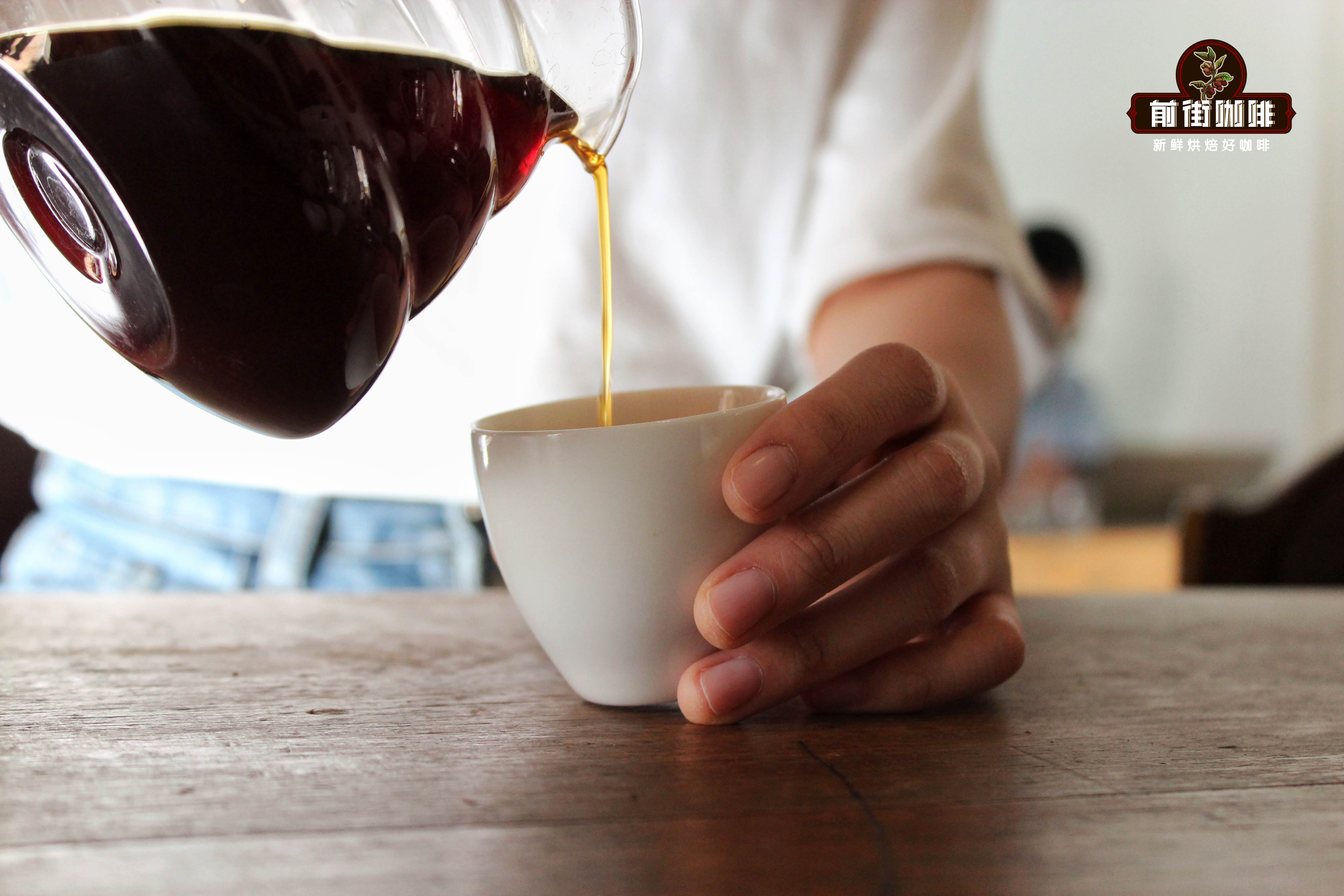
Most Colombian coffee uses washed processing, and most specialty coffee comes from small to medium-sized privately owned farms. Compared to Brazil's large-scale plantations, small farms generally produce higher-quality coffee.
In addition, the Colombian Coffee Growers Federation (Federacion Nacional de Cafeteros de Colombia, FNC for short) specifically promotes specialty coffee programs, which must pass strict quality control before export. In recent years, many experimental processing methods have also emerged from Colombia, such as barrel fermentation and anaerobic fermentation—Colombian coffee continues to innovate in the specialty world, bringing progress.
In the washed processing method, harvested coffee cherries are first poured into a large water tank. Underdeveloped, inferior beans float to the surface, while ripe, full cherries sink to the bottom. At this point, the defective beans floating on the surface are skimmed off. Then a depulper removes the outer skin and pulp of the coffee cherries; at this stage, the beans are still covered with a slippery layer of mucilage. The beans with mucilage are placed in a fermentation tank for 16 to 36 hours, during which microorganisms break down the mucilage.
After fermentation is complete, the remaining mucilage is washed off with clean water, and the beans are then dried with the parchment layer still on. FrontStreet Coffee believes that only the washed processing method can better showcase a coffee's quality, directly reflecting the cleanliness and purity of the coffee's taste. Therefore, FrontStreet Coffee selected a Caturra coffee from the Huila region as an entry-level specialty or everyday bean, allowing everyone to enjoy the regional flavor of Colombia at a great value.
Colombian Coffee Bean Recommendations
FrontStreet Coffee currently sells 4 specialty coffee beans from Colombian regions—3 from Huila and 1 from Cauca. In order to preserve the soft acidity and caramelized sweetness of Colombian coffee beans, FrontStreet Coffee uses medium roasting for all of them, while extending the time from the yellowing point to just before first crack, allowing the beans to develop better sweetness.
To let everyone experience the most complete coffee flavor and aroma, all coffee beans sold by FrontStreet Coffee are shipped within 5 days of roasting—100% freshly roasted.
FrontStreet Coffee - Colombia Huila Coffee Beans
Region: Huila
Altitude: 1,500-1,800 meters
Processing: Washed
Variety: Caturra
Flavor Profile: Soft fruit acidity, nuts, chocolate, caramel
FrontStreet Coffee - Colombia Hanami Coffee Beans
Region: Huila, Finca Monteblanco
Altitude: 1,900 meters
Processing: Washed
Variety: Caturra, Catuai, Geisha
Flavor Profile: Pink pepper, chamomile, tangerine, honey, almond
FrontStreet Coffee - Colombia Flower Moon Night Coffee Beans
Region: Huila
Altitude: 1,800 meters
Processing: Anaerobic natural
Variety: Caturra
Flavor Profile: Strawberry jam, fermented wine aroma, chocolate
FrontStreet Coffee - Colombia Sakura Coffee Beans
Region: Cauca, Finca El Paraiso
Altitude: 2,050 meters
Processing: Double anaerobic washed
Variety: Castillo
Flavor Profile: Mugwort, berries, fermented aroma, spices, strawberry jam
Rose Valley and Flower Moon Night both have a floral-fruity sweet-tart profile with a rich fermented aroma, so Front Street's roaster uses medium roasting; the Huila everyday bean highlights nutty sweetness more, and Front Street also chooses medium roasting.
On how to brew a good cup of coffee, Front Street believes freshly roasted coffee beans are the first requirement. The aroma of coffee beans changes depending on the storage environment and time; once past the optimal tasting period, the coffee's aroma will fade rapidly. Front Street knows how important freshness is, so all shipped coffee beans are freshly roasted within 5 days, so that when you receive them, they're just right for opening and brewing.
Dripper: V60
Water temperature: 90-91°C
Grind size: 80% passing a No. 20 standard sieve
Coffee-to-water ratio: 1:15
Coffee dose: 15 grams
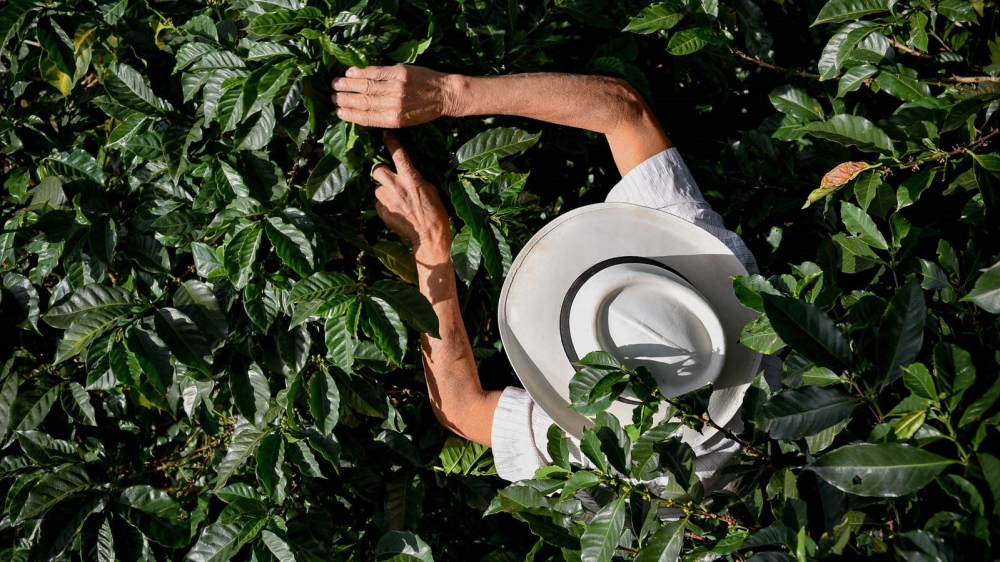
Pour the coffee grounds into the V60 dripper, wet the coffee bed with twice the coffee's weight in water, forming a dome shape, and let it bloom for 30 seconds. Then pour in a slow stream in circles from the inside out until reaching 125g, pause, and wait for the coffee bed to drop to halfway down the dripper. Continue with the same slow stream for the third pour until reaching 225g, and let all the coffee liquid filter through before removing the dripper. Total time is about 2 minutes.
When tasting these coffees, Front Street found that different regions and different processing methods affect the flavor of the beans. The washed Colombian Huila everyday bean has distinct chocolate and nut aromas, a caramel wet aroma, and just the right soft fruit acidity—well balanced overall. The anaerobic enzyme-washed Rose Valley is like sweet, cloying roses, then liqueur chocolates on the palate; as it cools, you can taste the sweet-tartness of dried cranberries. The anaerobic natural Flower Moon Night presents more of the fresh sweetness of cantaloupe, rich strawberry jam, and fermented fruit aromas, finishing with a chocolate aftertaste—a rich mouthfeel.
The above content is compiled by CoffeeHunters, a coffee news website.


