







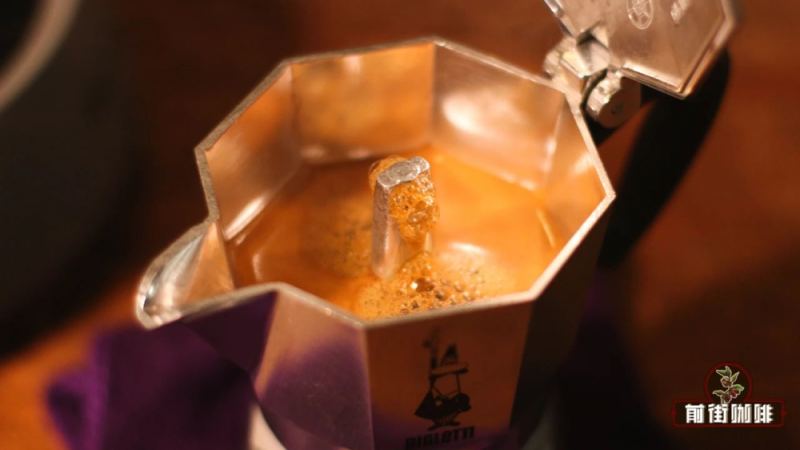
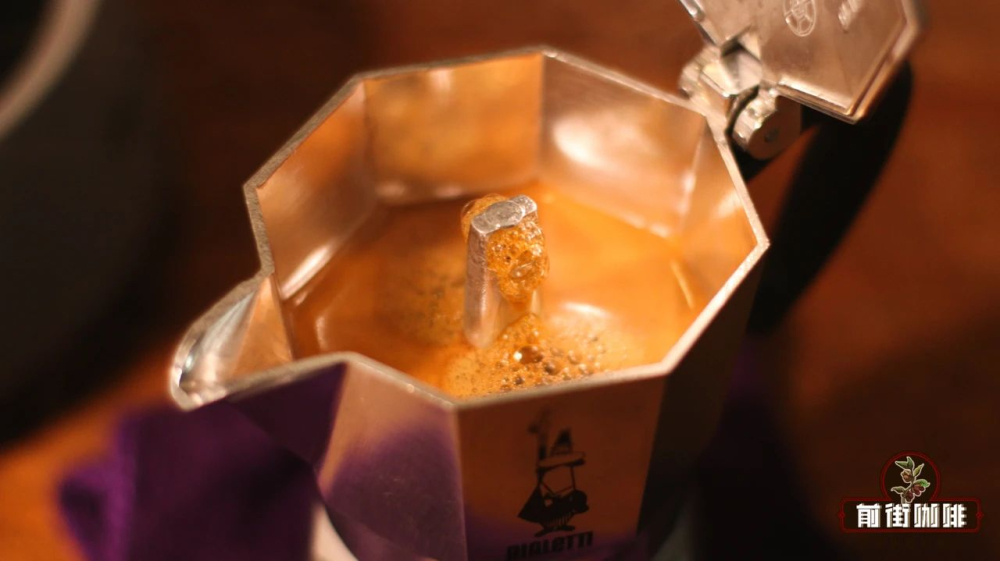
Nowadays, people's love for coffee goes beyond pour-over—more and more are pursuing making espresso at home. You'll notice that many friends go to a café and directly order a latte or cappuccino and other espresso drinks, but the more coffee-savvy friends might order a single-origin specialty coffee. Today, Front Street is going to talk about a simple-to-operate espresso coffee maker—though its taste isn't as rich as espresso, nor as fresh and bright as pour-over, it is the most accessible type of espresso brewing equipment.
Let's first take a look at whata moka pot is.
The moka potis a steam brewing coffee pot, and it is a must-have coffee brewing tool in many Italian homes. The moka pot was invented in 1933 by a man named Alfonso Bialetti. Alfonso had worked as an aluminum craftsman in France for many years before returning to Italy to open his own aluminum workshop.
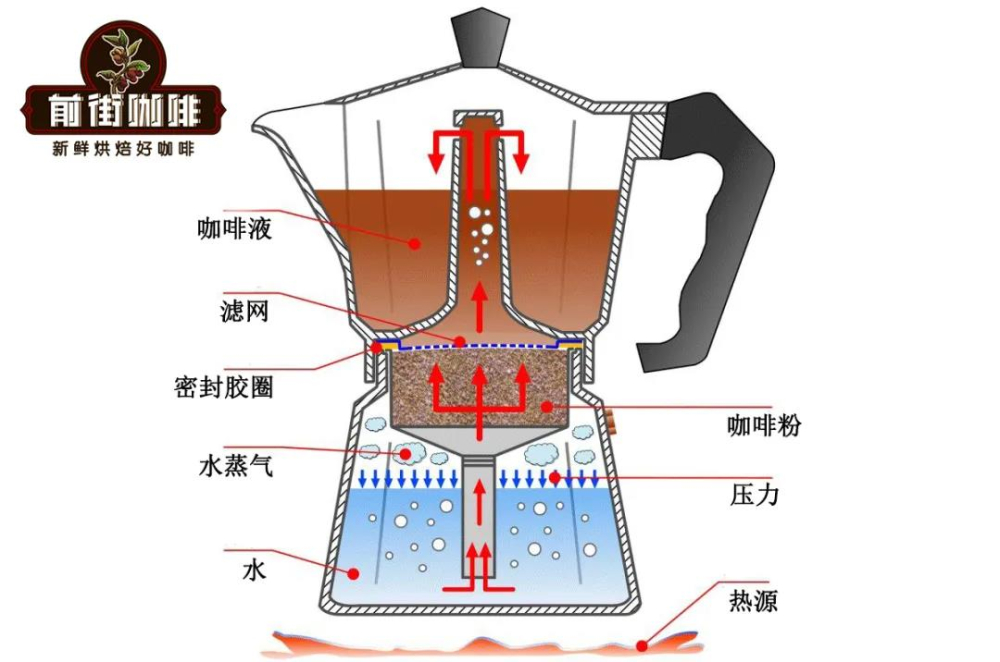
Sincethe moka pot can make such delicious coffee, let's first understand how its principle works.
The moka potis divided into two parts, upper and lower. Water in the lower part of the pot is heated to boiling; when the water boils, the steam pressure pushes the boiling water up through the filter containing coffee grounds and into the upper part of the pot. When the coffee starts flowing into the upper part, the heat should be turned down, because too high a temperature will give the coffee a burnt taste and destroy its original flavor. The common Japanese siphon method also uses the same principle.
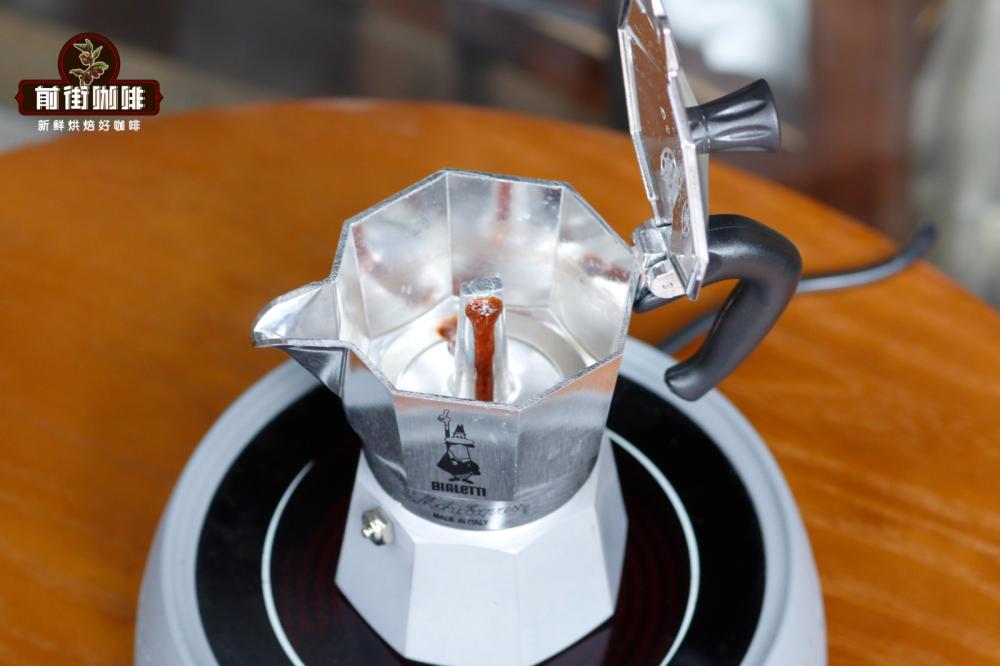
The moka potalso comes in single-valve and dual-valve versions. A dual-valve moka pot brews more coffee crema than a single-valve one. Single-valve means the coffee liquid flows directly out of the two small holes at the top of the hollow tube in the moka pot. Dual-valve means adding a pressure valve on top of the hollow tube; this pressure valve normally blocks the small hole where coffee liquid exits the hollow tube, and only when a certain steam pressure is reached will it be pushed upward to open, letting the coffee liquid spurt out. The coffee flavor brewed by single-valve and dual-valve also differs: single-valve moka pots produce coffee with lower concentration and less crema, while dual-valve ones produce higher concentration and more crema.
Is a moka pot suitable for brewing with coffee beans or ground coffee?
Are all coffee beans suitable for a moka pot? The answer: No. Coffee brewed with a moka pot has rich crema, and crema is actually made up of countless tiny carbon dioxide bubbles. Medium-dark roasted coffee beans contain enough carbon dioxide gas. Therefore, if you want an ideal moka pot espresso rich in crema, light-roasted coffee beans can hardly achieve this, so Front Street suggests that if you use a moka pot to brew coffee, it's better to choose medium-dark roasted coffee beans—the taste will definitely be more fragrant and mellow!
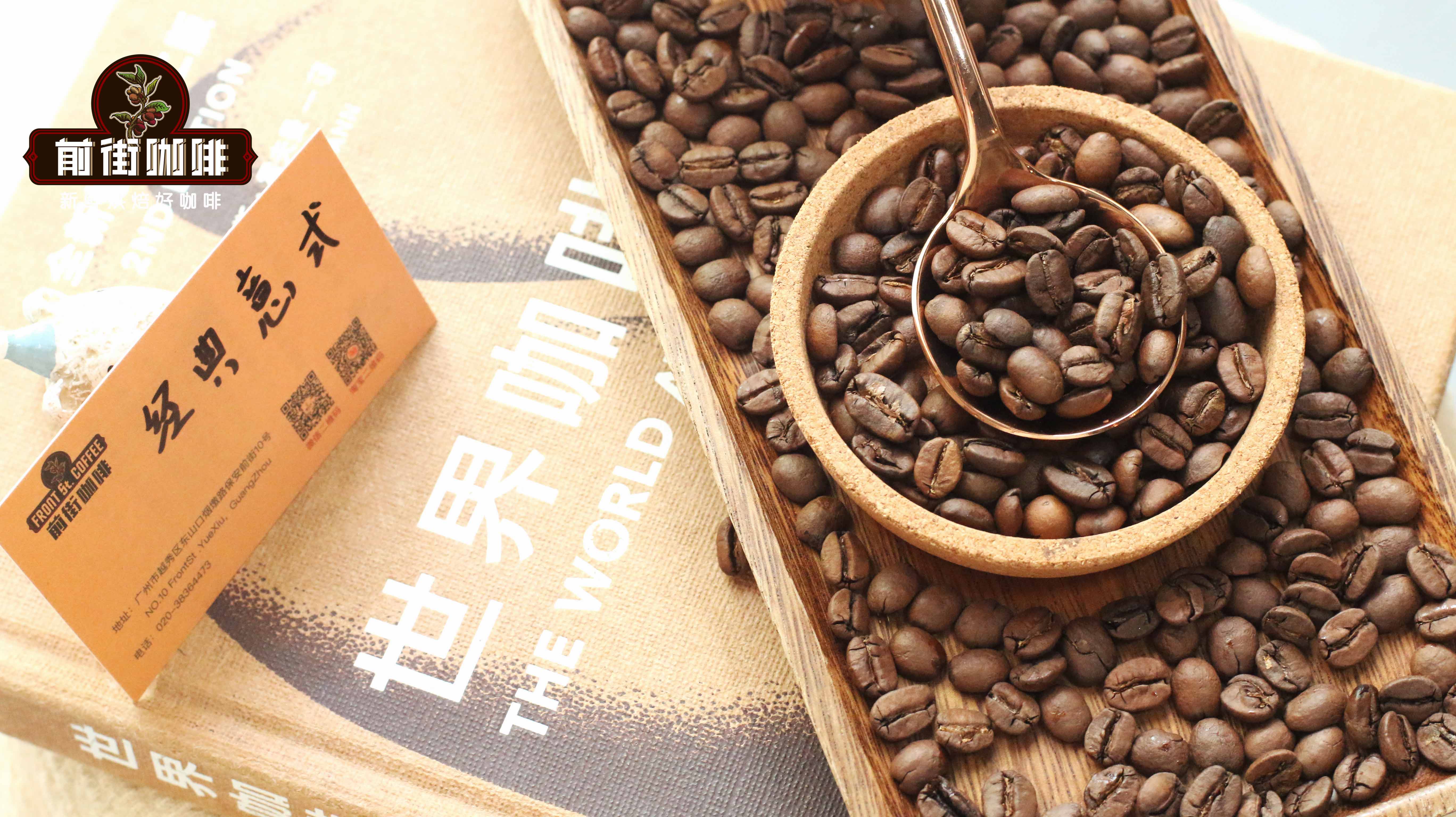
If you like fragrant, rich moka pot coffee, we recommend buying Front Street Classic Italian Blend coffee beans. This is a blend combining beans from three origins—Brazil, Indonesia, and Vietnam—using a medium-dark roast to maximize the coffee's rich aroma and allow everyone to easily extract abundant and dense crema;

If you like a balanced taste, we recommend Front Street Queen's Farm Brazil coffee beans. Its acidity is not pronounced, and it has aromas of roasted nuts, cream, and cream chocolate, with a clear sweet aftertaste;
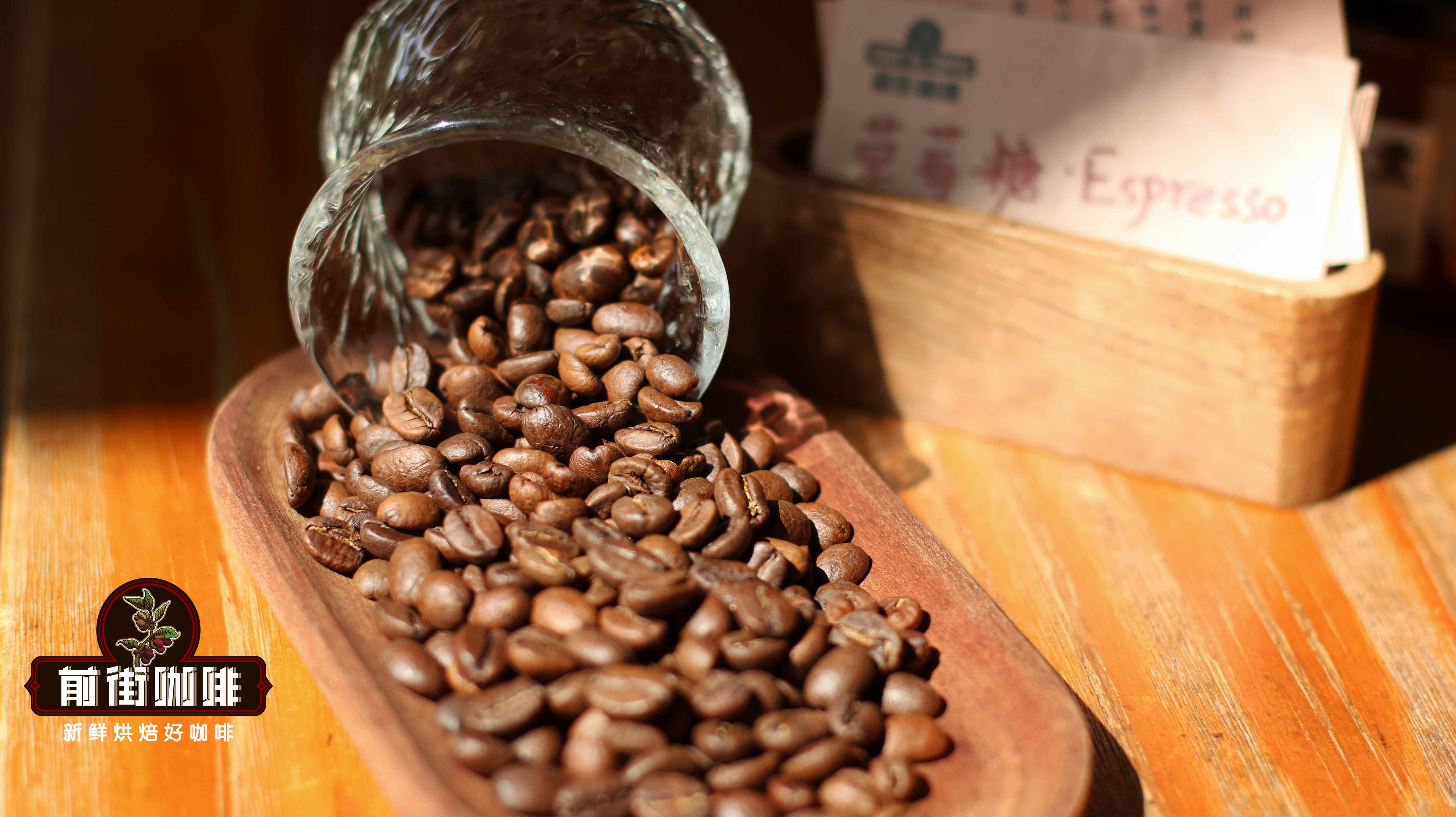
And if you like floral and fruity coffee, we recommend Front Street Strawberry Candy Espresso coffee beans. This is prepared for those who don't accept bitter coffee; coffee extracted with a moka pot will carry flavors of rose, strawberry candy, grape, dried apricot, and nuts, with balanced sweetness and acidity and almost no bitterness.
The coarseness of coffee grounds for a moka potDegree: medium to fine.
What grind size for a moka potis appropriate? Front Street suggests that the coffee particle size used for a moka pot should be between 0.3 mm and 0.55 mm, that is, coarser than the coffee grounds used for an espresso machine but finer than pour-over coffee grounds.

During brewing, if you observe the coffee liquid in the upper pot gushing out like a fountain, that means the coffee grounds are ground too coarse, the water meets too little resistance, and the crema will be relatively thin; when you hear a low "whoosh" sound and the coffee liquid doesn't rise for a long time, you need to immediately pick up the moka pot and move it away from the heat source, taking safety measures. This phenomenon means the coffee grounds are ground too fine, the hot water meets too much resistance, and it is difficult for it to rise.
What water temperatureis suitable for a moka pot?
Some peoplewill usea moka potdirectlywith cold water, while others use warm water. Should cold water or warm water be used, or what temperature of water is appropriate?
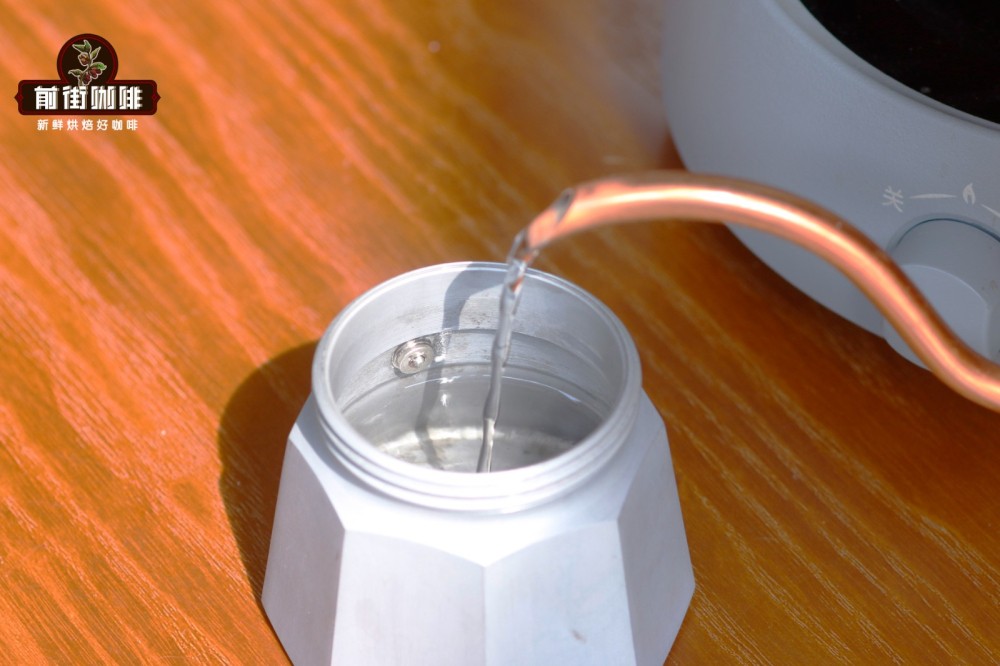
Front Street believes using water that is about to boil is more appropriate. Because if you use room-temperature or cold water for heating, as the water temperature rises and steam increases, water that hasn't reached temperature yet comes into contact with the coffee grounds and extracts, thus affecting the coffee's flavor.
Now that we know the operating principle of the moka pot, let's look at the steps for FrontStreet Coffeeusing a moka pot to brew coffee:
1. Pour an appropriate amount of near-boiling hot water into the lower pot
2. Pour the ground coffee powder into the filter basket
3. Attach the filter basket to the lower pot, then screw the upper pot on tightly
4. Keep the upper pot lid open and apply heat
5. When coffee liquid emerges in the upper pot, pick up the moka pot and move it away from the heat source

Why does coffee brewed this way have crema? Front Street tells you: that's because when the lower pot is heated, the hot water, in a boiling state, forms a large amount of steam within the limited space of the lower pot, creating a certain steam pressure, which pushes the hot water up through the central metal tube, thereby extracting the crema components from the coffee.
Of course, brewing coffee with a moka pot sounds quite simple—at least it doesn't require preparing as many things and paying attention to as many details as pour-over coffee—but Front Street still wants to tell everyone that to brew delicious coffee with a moka pot, some skill is still needed. Here are the little tips and details Front Street wants to share:
1. The amount of coffee grounds can vary according to personal preference. Because each moka pot's capacity and coffee holder size differ, you needto try several times to find the amount of coffee grounds suited to your taste. If you like it stronger, when filling the grounds, you can use the pressure plate to press lightly, fill the flattened space, and then press lightly once more.
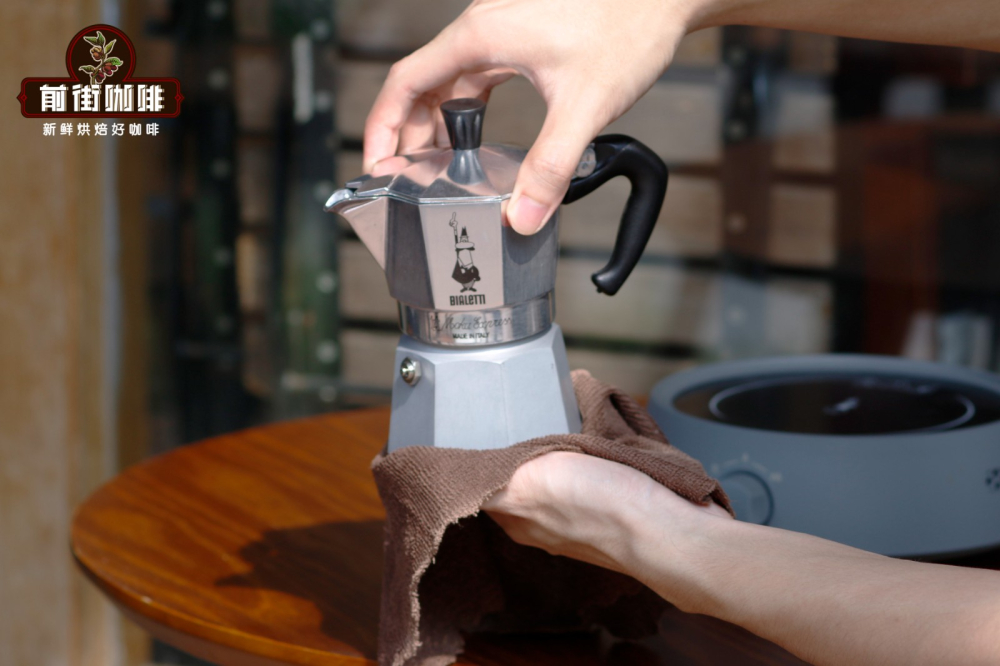
2. The size of the filter cloth must not be larger than the surface of the coffee grounds, otherwise it will create too much pressure and steam will escape.
3. The main function of the pressure plate is, when using a larger moka pot to brew a small amount of coffee, to be placed on top of the filter cloth to conveniently control the number of cups and the amount of coffee grounds. Here it serves as a tamper. Because the steam pressure produced by a moka pot is relatively small, generally speaking, it does not need a special tamper like an Italian espresso machine does.
4. You can adjust the coffee's taste by how long the coffee stays in the pot. For example, when using lighter-roasted coffee beans (color closer to light brown, with no oily sheen on the surface), you can let the coffee stay in the moka pot for an extra one to one and a half minutes after extraction is complete; on the contrary, if using dark-roasted beans (dark coffee color, sometimes with an oily sheen on the surface—most Italian blend coffee beans we buy on the market belong to this category), there's no need to let it stay in the pot, and you can directly pour it into an already warmed cup.
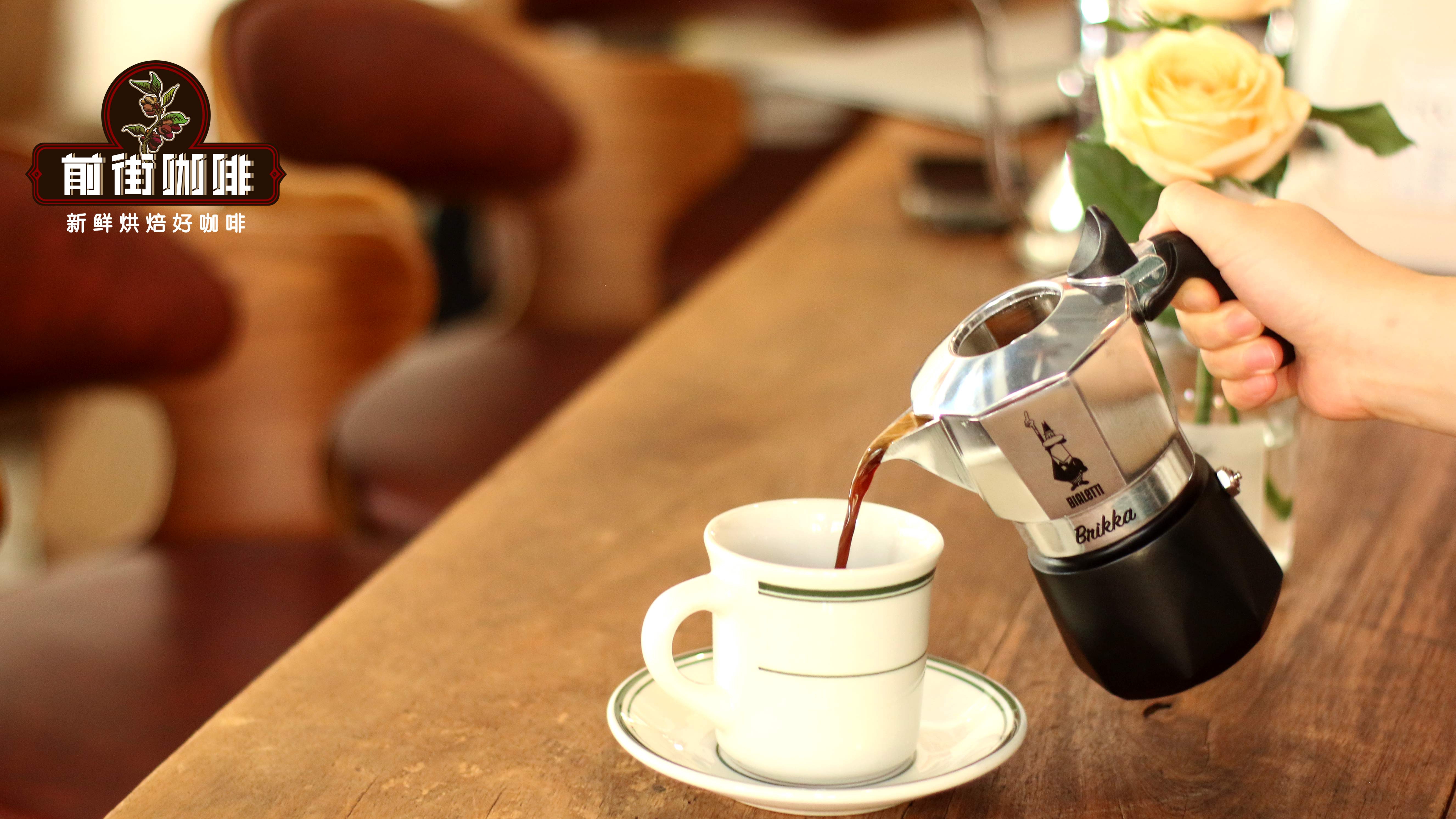
5. When making hot cappuccino and latte, you can heat the milk to about 70°C; for cold milk foam, you can directly use a milk frother. Cold milk foam needs about 10 or so pumps, while hot milk is harder to foam and may need 50 pumps to succeed. The milk used is best whole milk, so that the milk fat can turn into thick foam.
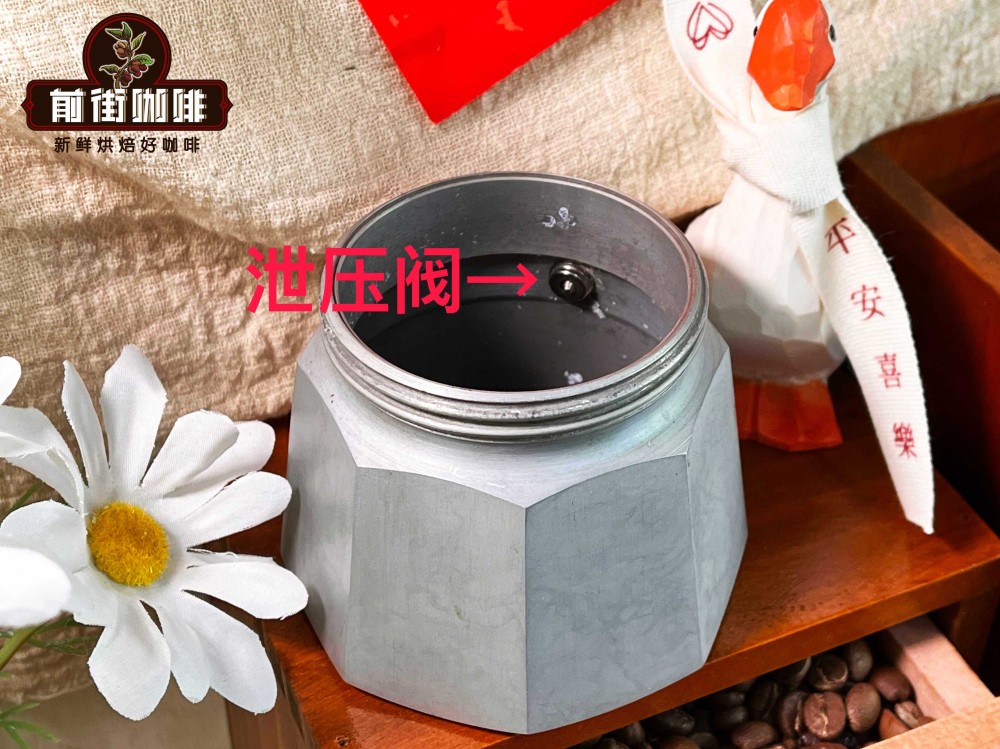
Also, don't fill more water just because you want more coffee. Why? Front Street reminds everyone that the lower pot's design has a pressure relief valve—that protruding little hole in the picture. The pressure relief valve exists to prevent the moka pot's lower pot internal pressure from becoming too great due to certain factors and causing an explosion. These factors include coffee grounds being ground too fine. So, when filling water, never let the water rise above the valve. When water rises above the pressure relief valve, it loses its pressure-relief effect, creating a huge safety hazard.
As long as you follow the above steps and tips and practice more, Front Street believes everyone can definitely brew delicious espresso!
Finally, here is how to clean a moka coffee pot:
1. After the coffee has cooled, unscrew the upper pot, remove the funnel, and discard the coffee grounds; gently clean the filter funnel of the upper and lower pot bodies, and be sure to wipe dry!!! Do not use abrasive materials or soda water to clean it, as this will damage the shiny surface. Over time, the bottom will inevitably discolor due to hard water, which can be removed by mixing water with vinegar.

2. For an aluminum alloy coffee pot, all parts should be disassembled and left to dry in the air; the coffee pot must not be washed in a dishwasher.
The above content is compiled by CoffeeHunters, a coffee news website.


