







How the Little Green Bottle debate echoes what coffee is made of
Nayuki's Daily 500 Fruit & Veggie Bottle series launched with the Slim Little Green Bottle, which cites the 500g daily fruit-and-vegetable guideline and claims no added sugar and fresh squeezing to order. Some customers found it noticeably sweet, with one describing a syrup-like taste, and questioned photos showing a yellowish color.
Nayuki responded that the sweetness comes from naturally sugary fruits such as apple, pear and sweet orange, and that the yellow-green shade is normal oxidation of apple. The recipe blends juice from six fruits and vegetables, including kale, with freshly brewed tea. The episode is a reminder that ingredient lists explain what a drink is made of, but not always how sweet it will taste.
Nayuki's newly launched "Daily 500 Fruit & Veggie Bottle" series debuts with its first product, the "Slim Little Green Bottle," which touts the daily 500g fruit-and-vegetable ratio recommended by the Chinese Nutrition Society and claims no added sugar, freshly squeezed to order. After launch, however, quite a few consumers reported that it tastes noticeably sweet, some even describing it as "syrup-like," and others posted photos showing the drink looking yellowish and questioned whether it was truly freshly squeezed. Nayuki staff responded on social media that the sweetness comes from fruits with their own natural sugars, such as apple, pear, and sweet orange, while the yellow-green color is a normal phenomenon after the apple oxidizes, stressing that all ingredients are processed the same day and kept refrigerated for a limited time. The controversy also sparked playful discussion among netizens about the kale leaves left at the bottom of the cup.
▲
Click to follow | Daily specialty coffee culture magazine Coffee Workshop
Nayuki recently officially launched the "Daily 500 Fruit & Veggie Bottle" series, and the product leading the lineup is called the "Slim Little Green Bottle." According to the brand, this series is scientifically formulated with reference to the "500g of fruits and vegetables per day" dietary concept proposed by the Chinese Nutrition Society, and consumers can look up the specific ingredients of each drink in the publicly available product descriptions.
Judging from the published recipe, the Little Green Bottle is made by blending freshly squeezed juice from six fruits and vegetables—including kale, apple, and pear—with freshly brewed tea. The official line emphasizes that the product has no added sugar, and its core selling point is being freshly squeezed to order so customers can drink with peace of mind.
Such a clean and healthy formula did win over quite a few consumers; as soon as the new product launched, people ordered it to try and shared their impressions on social media.
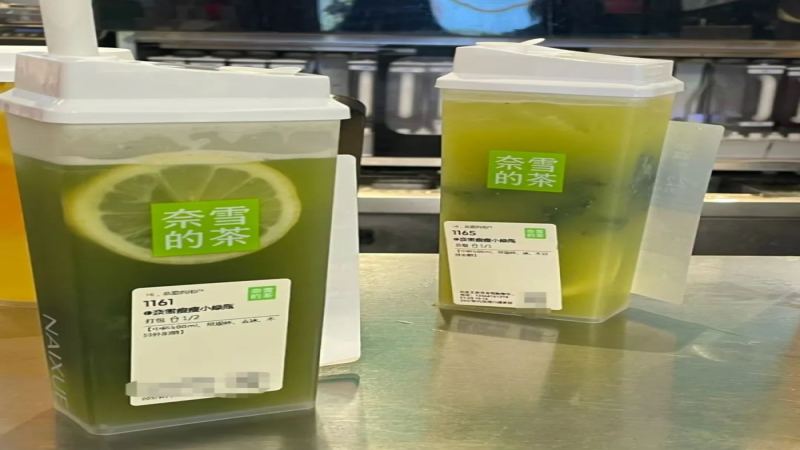
According to feedback from the first tasters, although the official statement says the Little Green Bottle has "0 added sugar," the sweetness is quite pronounced once it hits the mouth. Some bluntly said it had "a real syrup taste," while others said, "after one small sip, I found it slowly tasted like white sugar." At the same time, some customers' photos showed the actual color leaning closer to a "Little Yellow Bottle"—not the bright, translucent green of the promotional posters, but a somewhat cloudy yellow-green.
After finishing the drink, many users saw the lemon slice and the less-than-fresh-looking leaves left at the bottom of the cup and couldn't help feeling things like "I thought it was squeezed vegetable juice, but it turned out to be soaked vegetable water" or "it's like drinking the bathwater of vegetables," which led them to suspect that Nayuki's Little Green Bottle did not match the official description and was not really made with freshly squeezed juice.
Facing the doubts, Nayuki staff quickly explained to customers in the comments. They said the Little Green Bottle is indeed made, as the brand advertises, by freshly squeezing juice from fresh fruits and vegetables on site, without adding white sugar or syrup or other extra sweeteners. The reason customers can taste sweetness is that freshly squeezed juice itself contains naturally sugary fruits like sweet orange, apple, and pear.
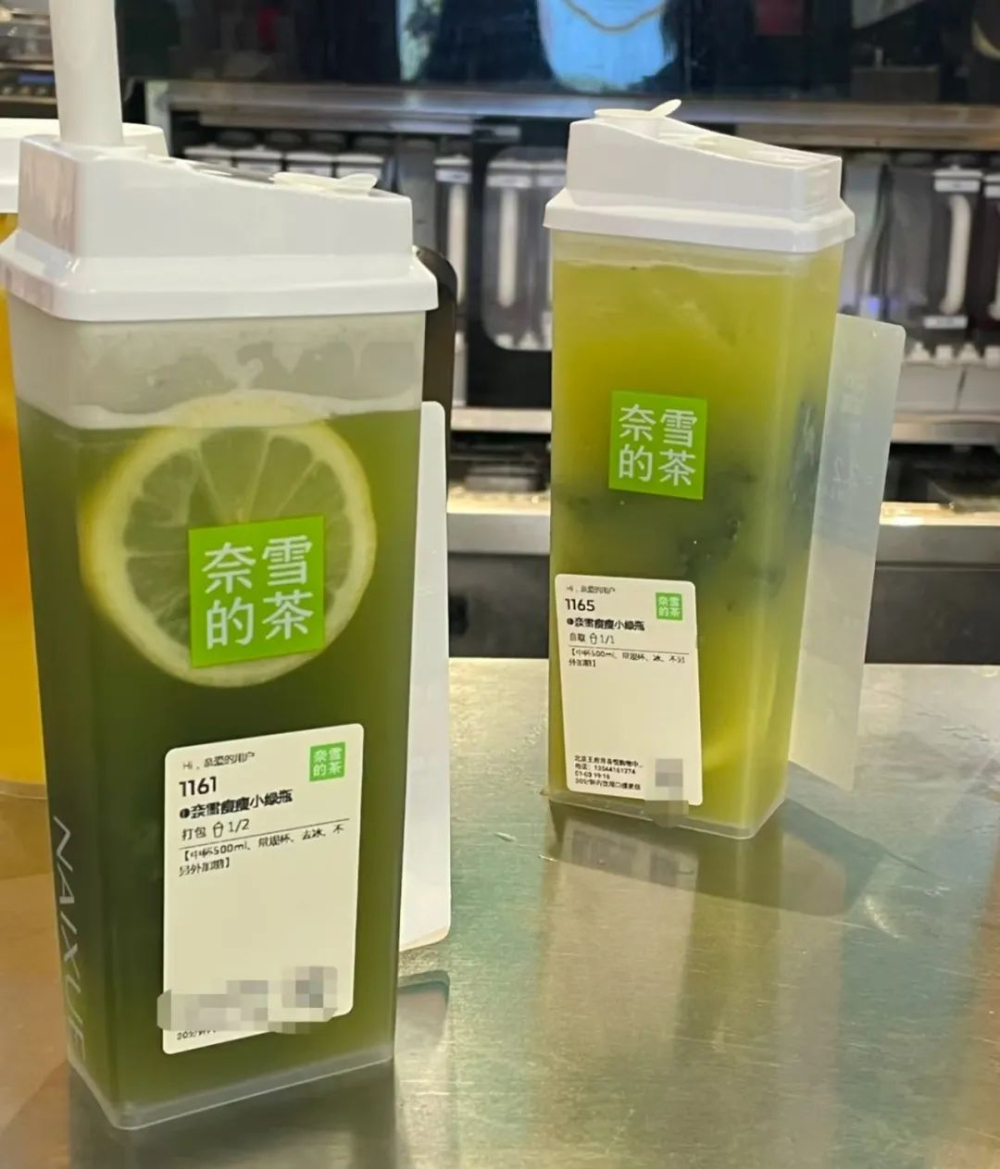
In addition, because the fruit-and-vegetable juice uses fruits like apple that oxidize easily, the squeezed juice will turn yellow once it sits for even a short while due to oxidation. The staff explained that the Little Green Bottle's yellow-green color actually shows that real ingredients are being used, rather than the spoilage or ingredient-quality problems customers worried about.
"It's absolutely freshly squeezed juice; all the tea, toppings, and fruit are boiled, cut, and peeled the same day, refrigerated and kept for 4-8 hours, and anything unused is thrown out and prepared fresh" / "Vegetables can't soak out this color—it's purely hand-squeezed juice" / "It really is squeezed; the leaves are just decoration—I work part-time at Nayuki."
As for the vegetable leaves and lemon slice that customers complained about, they actually serve only a decorative function. However, the staff suggest that after picking up their order, customers can fish out the lemon slice to avoid it soaking too long and affecting the drink's overall flavor.
Interestingly, after seeing the kale left in the cup, some netizens let their imaginations run wild, suggesting that customers who ordered the Little Green Bottle could collect the leaves, and once they've saved up enough, wash them and toss them into a salad—adding a dish to dinner along the way.
Image source: Xiaohongshu
Disclaimer: Some images in this article come from the internet. For some content on the site, such as images, we will respect the original author's copyright and indicate the source, but due to the large volume, a few images and texts may not yet be credited; please forgive us. If the original author has any dispute, they can contact the site and we will handle it; once verified, we will correct it immediately. Compiled and edited by "Coffee Workshop"; please credit the source when reposting; if there is any infringement, please inform us and we will delete it. Thank you~!
The above content is compiled by CoffeeHunters, a coffee news website.


