







Where Is Gaggia Made Compared With Duck Shit Dancong Oolong?
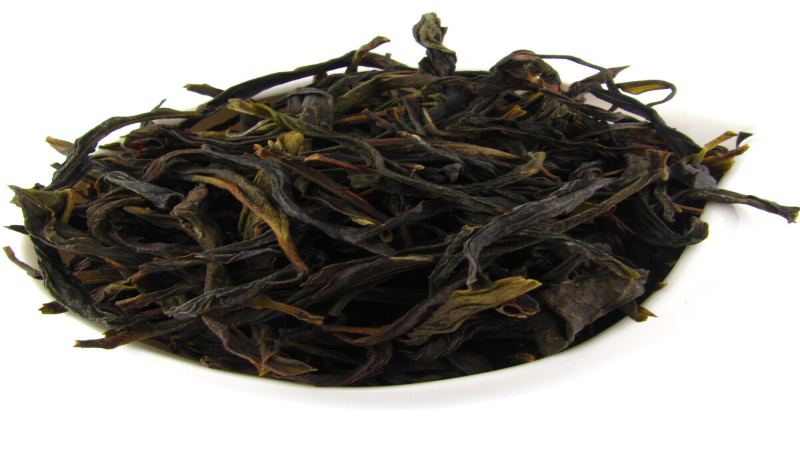
Duck Shit Dan Cong is a tea tree variety from Phoenix Mountain, Guangdong, and contains no duck feces despite the name. The finished leaf is dark brown with slightly curled strips; brewing yields deep amber liquor with honeysuckle, jasmine and gardenia aromas plus honey and lychee sweetness. Western readers often first heard of it through a 2015 Forbes article.
Several stories explain the name: a farmer's attempt to deter thieves, yellowish soil resembling duck droppings, or ducks defecating under the tree. Renaming attempts such as Silver Flower Xiang never stuck. Unlike equipment questions like where is gaggia made, this is a plant variety, and its creamy early infusions suit gongfu brewing parameters.
Duck Shit Dan Cong is one of the most curiously named yet most captivating varieties of oolong tea. Many people, upon first hearing the name, wonder: is there really duck feces added to the tea? In fact, Duck Shit Xiang is merely the name of a tea tree variety and has nothing to do with duck feces. It is produced in Phoenix Mountain, Guangdong. The finished tea has a dark brown color with slightly curled strips. After brewing, the liquor takes on a deep amber hue, with aromas dominated by honeysuckle, jasmine, and gardenia, accompanied by honey and lychee-like fruity sweetness. On the palate it is sweet, rich, and intense, with a slight astringency but overall balance, and the early infusions often display a creamy smoothness. This article will guide you through the origin of the name Duck Shit Xiang, its production process, its terroir background, its flavor characteristics, and the specific parameters for gongfu brewing, so you can gain a comprehensive understanding of this Dan Cong oolong whose name is "flavorful" but which, when drunk, is overflowing with floral fragrance.
Duck Shit Xiang is a tea tree variety used to make Dan Cong oolong tea. Many Westerners first learned of it through a 2015 Forbes magazine article.
How Did Duck Shit Xiang Oolong Tea Get Its Name
Among oolong teas, especially "Dan Cong," many variety names contain the character "xiang," usually understood as aroma or fragrance. "Duck shit" literally means duck feces, so on the surface, the name becomes "duck shit flavor." But as is often the case in the tea world, names are rarely as straightforward as they appear.
There are many versions of the story behind Duck Shit Xiang. The one I've heard most often is: the farmer who discovered this tea tree worried that his neighbors would steal his tea, so he deliberately gave it an unpleasant name. Another version says that the soil in the tea's place of origin is yellowish, looking like duck feces. Some will also tell you that ducks once defecated under the tea tree.
Some have tried to rename it Silver Flower Xiang or Honeysuckle Xiang, but the novelty of Duck Shit Oolong Tea seems impossible to replace. When I worked at a teahouse that sold this tea, Duck Shit Xiang became one of the most popular teas simply because of its name.
How It Is Made
After picking, whether outdoors or indoors, the fresh leaves must first be withered. The withering time depends on the day's weather and the moisture content of the leaves. The leaves are then spread on large bamboo trays and shaken, with periodic resting intervals. They can also be rolled by hand. This process bruises the leaf cell walls, accelerates oxidation, and helps aromatic compounds form.
When the tea maker judges that the leaves have been sufficiently oxidized through the shaking process, the tea is heated in a flat-bottomed pan or oven to stop oxidation. After that, it must be roasted at least twice over charcoal in bamboo baskets. The entire process can take more than 24 hours, but the wait is worth it. Before packaging and selling, stems and discolored leaves are removed by hand. Usually this type of tea also needs to rest for several months to let the smoky flavor produced during drying dissipate.
The finished Duck Shit Xiang oolong tea leaves are darker in color and slightly twisted in shape. Stems are occasionally visible but should not make up a large proportion of the tea. Once brewed, the leaves appear greener than when dry. The red edges of the leaves are evidence of partial oxidation.
Where It Is Produced
Duck Shit Xiang oolong tea is produced in Phoenix Mountain, Guangdong. Pingkengtou Village is considered its birthplace, but as the tea has grown in popularity, it has spread to surrounding areas. The region is mid-altitude, at approximately 870 meters above sea level. The area is known for iron-rich soil, which is why the soil has a distinctive yellow color. It is estimated that the mother trees growing there are over 80 years old. I haven't been able to find photos, so if you know where to find some, please let me know.
Its Flavor
After brewing, Duck Shit Xiang oolong tea produces a deep amber liquor that is clear and not cloudy. Like many Dan Cong teas, Duck Shit Xiang is sweet and intense. This is a tea that demands focused tasting, as it fills your senses. The primary aromas are honeysuckle, jasmine, and gardenia. I also notice a honey-like sweetness and a faint fruity note that reminds me of lychee. There is usually some astringency, but the overall flavor is balanced. The first few infusions often carry a custard-like creaminess that I thoroughly enjoy.
How to Brew
I recommend using fully boiling water and brewing Duck Shit Xiang oolong in the gongfu style. Lower water temperature will reduce astringency but also cause you to miss some of the wonderful aromas. In a typical gaiwan, I use 7 grams of tea and pour the first infusion after about 20 seconds. After that, you can gradually extend the steeping time with each subsequent infusion, especially in the later infusions, to keep the tea liquor consistent in strength.
If using a more Western-style brewing method, I suggest 3 grams of tea per cup and steeping for about 3 minutes. It is best to stop brewing while the liquor is still golden. Once the liquor starts turning red, the taste becomes more bitter.
One thing you will notice about this tea: it is very durable. If brewed gongfu style, you can get many infusions before the flavor begins to fade. Throughout the process, take the time to appreciate the differences in taste, mouthfeel, and aroma.
The above content is compiled by CoffeeHunters, a coffee news website.


