







Search Results for: organizer's emergency response
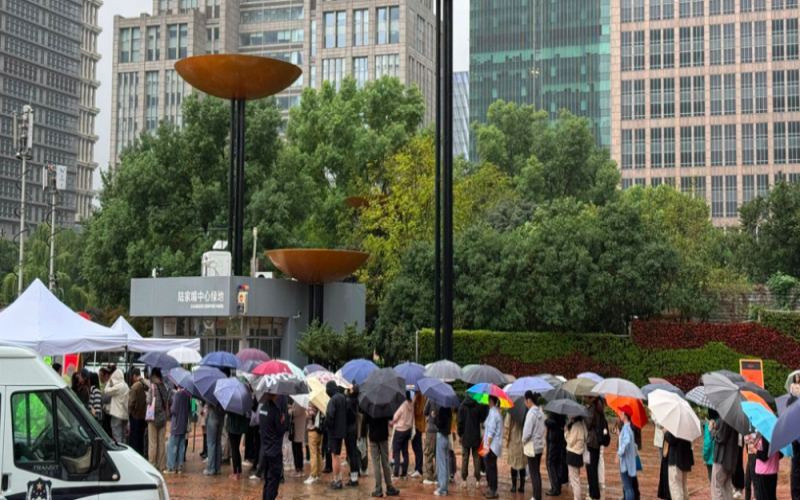
Shanghai Coffee Festival Hit by Torrential Rain: Muddy Open-Air Venue and Inadequate Emergency Preparations Spark Controversy
Recently, a coffee festival held on the grassy grounds of Lujiazui in Shanghai was hit by a sudden heavy rain, plunging what was originally a lively autumn event into a sorry mess. The rain turned the lawn into mud, some stalls leaked and lost power, and visitors struggled through the wet, slippery mud, greatly diminishing the experience. Although weather forecasts had already warned of rain over the weekend, the organizers appeared to have made inadequate preparations, sparking dissatisfaction among many participants. Still, some optimistic coffee lovers found a different kind of fun in it, even joking that they got to drink coffee with a "built-in washed flavor." Below is a detailed report on the incident. [more…]

Torrential Rain Hits Shenzhen Coffee Festival: Stalls Leak, Power Out, Sewage Backs Up, Event Forced to Halt and Extended by One Day as Compensation
During the May Day holiday, Guangdong was hit by severe convective weather, and the site of the Shenzhen coffee festival descended into chaos under the onslaught of torrential rain. Leaking canopies over temporary stalls, sudden power outages on site, and yellow sewage gushing from drainage outlets—a triple blow that caught vendors and visitors off guard. Although the organizers and the mall carried out emergency repairs afterward, the incident still exposed the shortcomings of outdoor events in responding to extreme weather. This article reconstructs the course of events and brings the latest news on compensation for the event's postponement. For friends who love coffee culture, Front Street Coffee will also continue to follow such industry developments and bring more on-site reports. [more…]
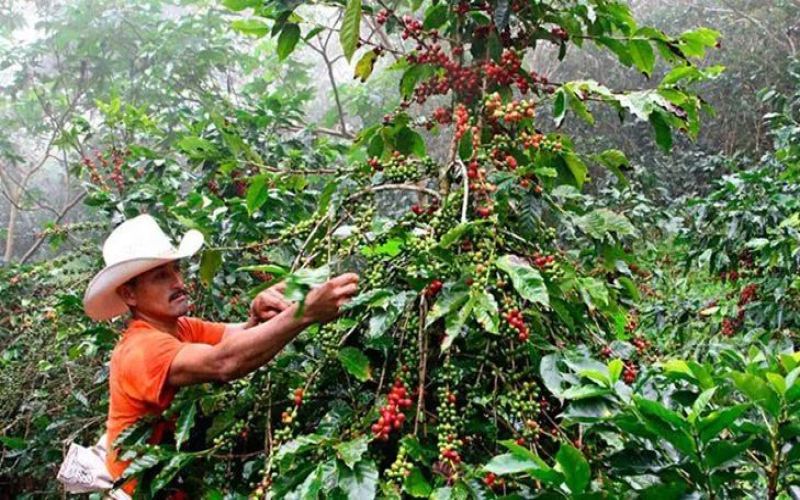
Honduran Migration Wave Hits Coffee Industry: Labor Shortage Crisis During Harvest Season, Exports to China Emerge as New Opportunity
Honduras is currently experiencing a severe socio-economic crisis. Corruption, institutional collapse, the impact of the pandemic, and hurricane disasters have compounded, pushing poverty rates to extreme levels, causing widespread closures in the export processing industry and the loss of over 100,000 jobs, with many of the unemployed choosing to emigrate abroad. This wave of emigration directly affects the coffee growing industry—as the harvest season approaches, there is a severe shortage of skilled pickers, and the prospects for the harvest are worrisome. At the same time, Honduran organic coffee beans have been successfully exported to China, with 12 companies authorized to trade with China, bringing a glimmer of hope for economic recovery. This article will outline the root causes of the crisis, its impact on the industry, and the latest trade developments. [more…]
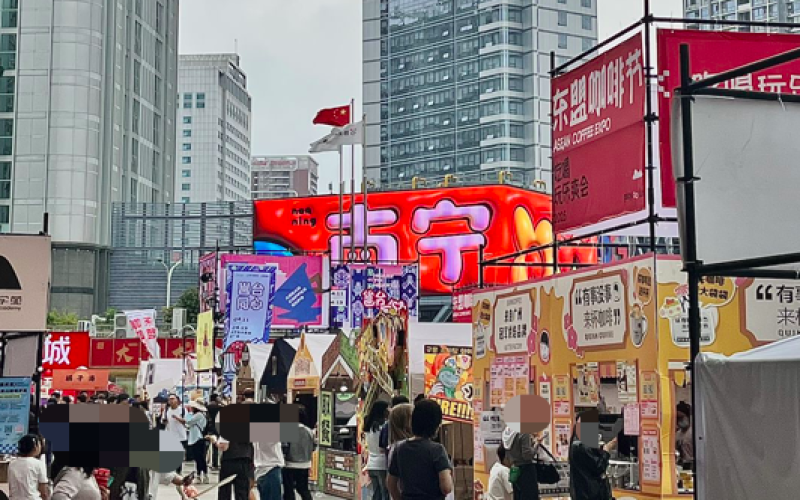
Sudden Strong Winds Hit Two Outdoor Coffee Festivals in Nanning and Ningbo, Tents Flipped and Heavy Losses Incurred
Recently, a strong cold front swept across China from north to south, hitting North China first before strong winds continued southward, dispersing the earlier muggy heat in South China. On this cool weekend, Nanning in Guangxi and Ningbo in Zhejiang each hosted outdoor coffee festivals, attracting many residents to visit and check in. However, the weather did not cooperate, and both events were hit by sudden fierce winds. Tents on site were uprooted, stall facilities were overturned, and the losses were heavy. Fortunately, there were no casualties. The meteorological observatory had issued a strong wind warning in advance, but the organizers did not adjust the event arrangements or take effective emergency measures, triggering widespread public questioning online. This article will take you through what happened at these two outdoor coffee festivals and discuss issues related to safety management for outdoor events. [more…]

Starbucks Ends Fair Trade Certification Partnership, Marking a Major Shift in Coffee Ethical Sourcing Standards
Starbucks has announced it will not renew its contract with Fairtrade, meaning coffee sold in its global stores will no longer carry the Fairtrade certification label. This decision has raised questions about its commitment to ethical sourcing. Starbucks says it will instead rely on the C.A.F.E. Practices standard, developed jointly with Conservation International and independently audited by the third-party organization SCS Global Services. However, many groups worry that without Fairtrade's independent oversight, the C.A.F.E. standard may not truly safeguard coffee farmers' rights on core issues such as minimum purchase prices and sourcing from smallholder cooperatives. This article reviews the history of Starbucks' partnership with Fairtrade, the origins and controversies of C.A.F.E. Practices, and Starbucks' past reversals on its ethical sourcing stance, offering coffee lovers a full picture of this event. [more…]
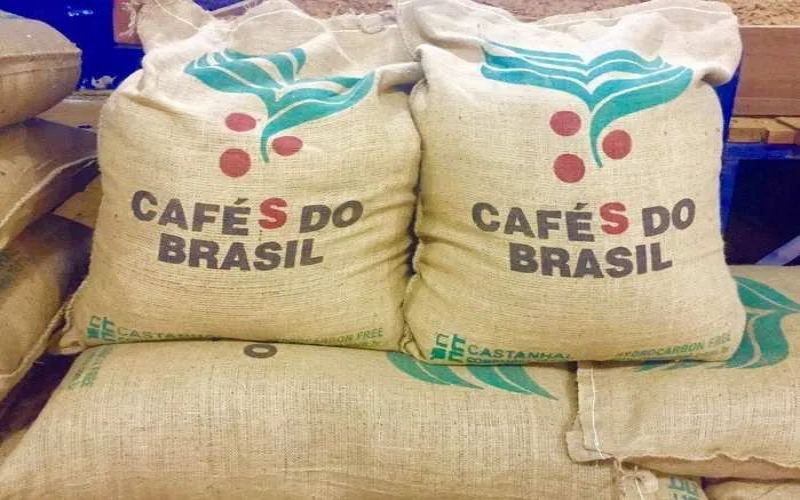
Coffee bean prices surge by thirty percent, international roasting giants collectively adjust prices in response
Recently, affected by extreme weather, global coffee bean prices have continued to rise, with cumulative increases exceeding 80% during the year. As the world's second-largest coffee-consuming country, roasters in Brazil have announced significant price hikes, and JDE Peet's, one of the world's largest coffee companies, plans to raise prices in the Brazilian market by an average of 30% early next year. At the same time, European roasters are also preparing to follow suit. Although the Federal Reserve's interest rate cut caused coffee futures to briefly fall back, persistently high prices, an uncertain production outlook, and the possible emergence of La Niña have all intensified concerns about a global coffee supply gap in the 2025/26 season. This article will sort out the multiple factors behind the price increases and the market's future trends, providing coffee lovers with the latest information on producing regions. [more…]
A Guide to Ceylon Black Tea Brewing Ratios: From the Reasons for Its Introduction to the Development Path of Smallholder Organic Fair Trade
How many grams of Ceylon black tea should you use? This seemingly simple question is connected to the entire ecosystem of Sri Lanka's tea industry. This article starts with brewing ratios, traces the history of Ceylon black tea's introduction into China, and takes a deep look at how small tea farmers in Sri Lanka carve out a path of organic fair trade in the cracks between large tea estates. From IFOAM and Codex Alimentarius organic standards, to international certification systems such as Bio, USDA, and JAS, and to the protection of workers' rights by international fair trade organizations, you will see the strict checks a cup of Ceylon black tea goes through from cultivation to export, and you will also understand why the related products recommended by Front Street Coffee are worth paying attention to. [more…]
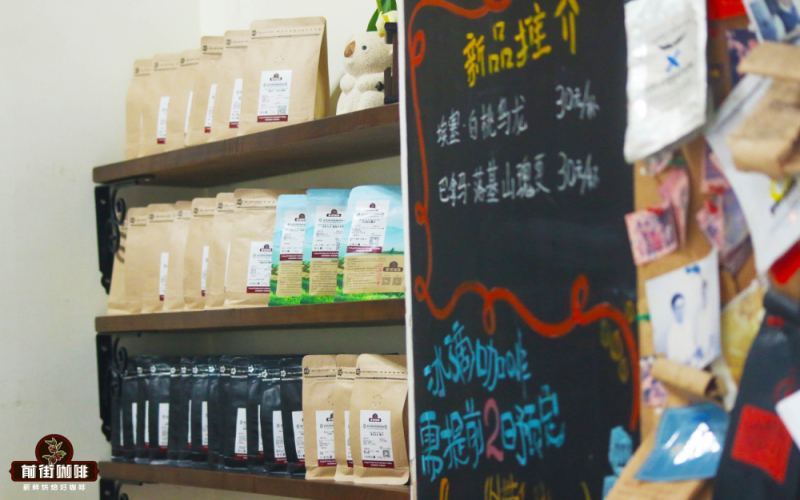
The Authentic Flavor and Health Value of Colombian Coffee Regions and an Analysis of Front Street Coffee's Everyday Bean Brewing
In recent years, new processing methods have emerged endlessly in the specialty coffee scene. Colombian beans often steal the spotlight with winey fermented notes or floral aromatics, but the original flavor profile of the producing regions gets overshadowed instead. This article returns to the specialty producing regions of southern Colombia to sort out the terroir differences of Huila, Cauca, Nariño, and Tolima, the characteristics of the Caturra variety, and the significance of washed processing for flavor purity. It also includes the roasting curve, cupping performance, and V60 brewing parameters of Front Street Coffee's Huila everyday beans, helping coffee lovers understand the basic taste of a producing region in the most affordable way. [more…]
Kenya AA Coffee Beans: A Comprehensive Guide to Processing Methods, Roast Levels, and Brewing Flavors
Kenyan coffee has always held a dazzling position in the global specialty coffee landscape, captivating countless enthusiasts with its complex fruit-toned character, bright acidity, and solid body. This article approaches the subject through producing region distribution, variety characteristics, and the AA grading system, systematically sorting out Kenya's washed and natural processing workflows, the traditional auction system, and emerging micro-cooperative models, along with roaster practical advice and professional cupping notes. Whether you are a beginner just encountering Kenyan beans or a seasoned connoisseur looking to understand trade transformations in depth, you will gain clear insight from it. Front Street Coffee will also combine the key points of this article to provide reference ideas for everyday brewing. [more…]
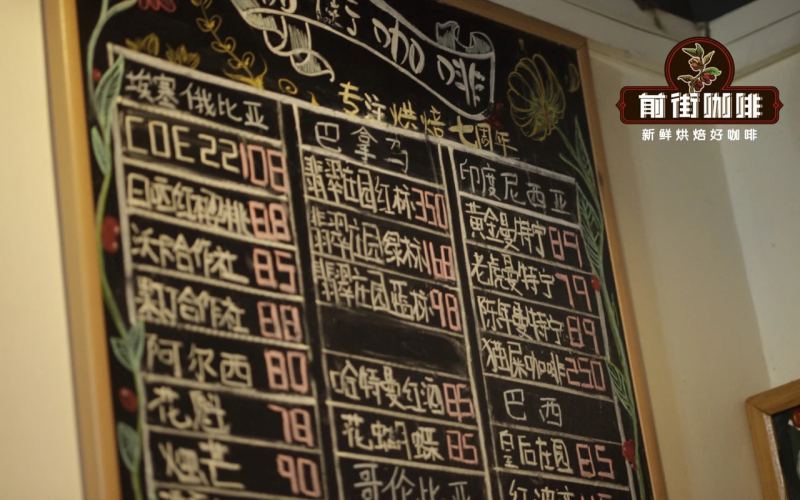
An In-Depth Look at Colombia's Huila Region: From Coffee History to the FNC System and a Full Analysis of Flavor and Taste
Colombia is a major producer of high-quality Arabica coffee worldwide, and the Huila region is one of its most highly regarded specialty representatives. This article begins with the historical origins of Colombian coffee, outlining its industry position, geographical conditions, main producing regions, and the role of the National Federation of Coffee Growers of Colombia (FNC) in quality supervision and safeguarding the rights of coffee farmers. At the same time, the article will introduce Colombia's traditional washed processing method and, combined with the roasting and brewing practices of Front Street Coffee's Huila everyday beans, present its classic flavor profile—balanced, with prominent sweetness and notes of dark chocolate and citrus. Whether you are just getting into single-origin coffee or want a deeper understanding of the terroir of the producing region, this content provides a complete and practical reference. [more…]

US Extends National Emergency on Ethiopia, Adding New Uncertainties to Coffee Export and Trade Prospects
The United States White House announced on September 6 that it will continue to impose a national emergency on Ethiopia, a decision that came after news of a currency swap agreement between China and Ethiopia. Ethiopia's finance minister has confirmed the existence of the agreement, but specific details and the timeline have not yet been made public. Meanwhile, the United States has imposed a state of emergency on Ethiopia since 2021 under the pretext of the National Emergencies Economic Powers Act, and this extension will run until 2025. Ethiopia was removed from the African Growth and Opportunity Act (AGOA) in 2022, and tariffs were reinstated on major export goods such as coffee, textiles, and leather products, dealing a severe blow to the economy. Although the U.S. attitude slightly eased after Ethiopia implemented a new foreign exchange policy in August of this year, AGOA eligibility remains out of reach. Germany is the largest importer of Ethiopian coffee, while the United States ranks only fourth, accounting for 9.3 percent. The continuation of the state of emergency may further restrict bilateral trade, reduce U.S. imports of Ethiopian coffee, and at the same time hit Ethiopia's exports of fertilizer and industrial supplies, exacerbating local price increases and the rising cost of coffee. [more…]
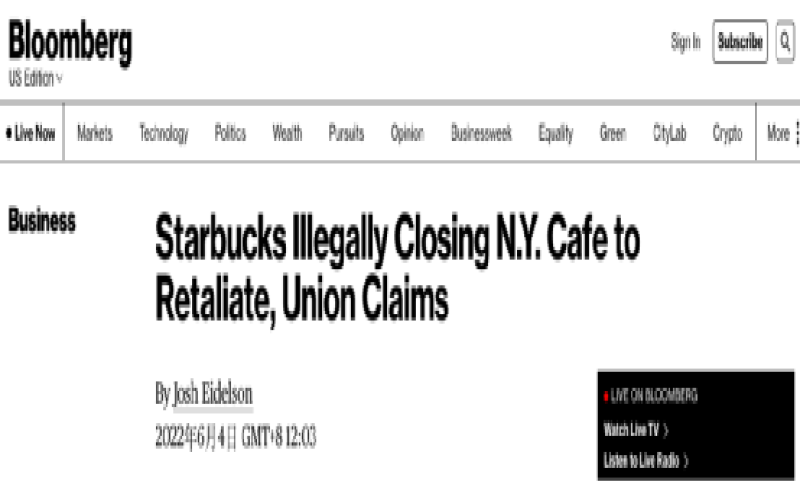
Starbucks store in Ithaca, New York, shut down, union alleges retaliation against unionization movement
As coffee consumption demand continues to climb after the easing of the COVID-19 pandemic, Starbucks employees in the United States are facing multiple pressures, including a surge in workload, understaffing, and aging equipment. Against the backdrop of a unionization wave sweeping across more than a hundred stores nationwide, Starbucks announced that it will close a unionized store in Ithaca, New York, on June 10. The union immediately filed a lawsuit, accusing the decision of violating federal labor law and constituting retaliation against union activity. Starbucks denies any connection, attributing the closure to facilities, staffing, and attendance issues. Both sides hold firmly to their own accounts, and the conflict continues to escalate. [more…]
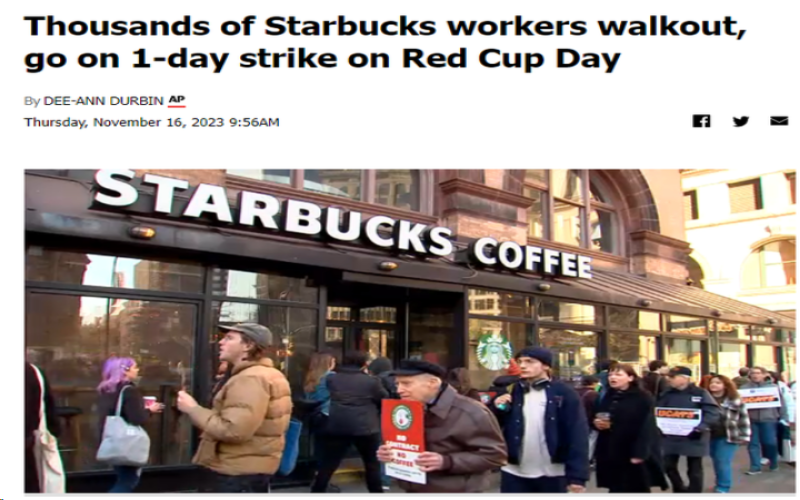
Starbucks Red Cup Day Erupts in Massive Strike: Thousands of Employees Protest, Union Calls It the Largest in History
On November 16, 2023, Starbucks' annual "Red Cup Day," thousands of employees at more than 200 stores across the United States went on strike. Organizers called it the largest labor action since the founding of Starbucks Workers United. Employees chose to strike during this peak ordering period, aiming to disrupt operations as much as possible and draw public attention. Behind the strike lies baristas' long-standing dissatisfaction with understaffing, overloaded orders, and the company's refusal to listen to their opinions. Starbucks officially responded that the union refused to schedule negotiation meetings. This one-day strike had limited impact on sales, but the public opinion fallout is worth watching. [more…]
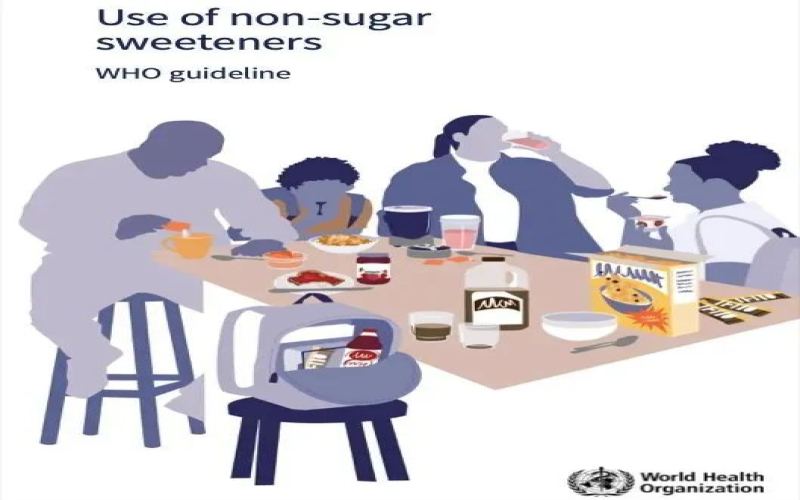
Latest WHO Guideline: Non-Sugar Sweeteners Are Not a Healthy Choice—Long-Term Intake May Increase Obesity and Diabetes Risk
In recent years, zero-calorie sugar substitute products have been marketed with a health halo, becoming highly sought after by consumers who want sweetness without the calories. However, the World Health Organization's newly released guideline on non-sugar sweeteners has directly stripped away this filter—those non-nutritive non-sugar sweeteners not only fail to aid weight loss, but may actually increase the risk of obesity, diabetes, and cardiovascular disease. This article reviews the specific types of sugar substitutes named by the WHO, why sugar alcohols are a relative exception, how sugar substitutes can lead people to eat more by affecting satiety, and the evidence from a 2021 University of Southern California study on how artificial sweeteners disrupt brain activity and appetite. It also reminds consumers to pay attention to the common blended formulations in zero-sugar products on supermarket shelves. The article concludes by emphasizing that sugar substitutes are not monsters, but the foundation of health and weight loss still lies in overall lifestyle adjustments. [more…]

A Comprehensive Analysis of Sidamo Huakui Natural G1 Coffee: From Regional Origins to Flavor and Brewing Essentials
Ethiopia is not only about washed Yirgacheffe—the sun-dried Huakui from the Sidamo region is equally stunning. In this article, Front Street Coffee gives you a comprehensive look at the origin of the name Huakui, the terroir conditions of the Guji and Hambela regions, the sun-drying process at the Buku Abel processing station, and the evolution of Huakui from version 1.0 to 6.0. It also explains the G1 grade standards, heirloom variety characteristics, and brewing parameters, along with practical brewing suggestions from Front Street Coffee to help you better appreciate this bean's signature rose fragrance, peach notes, and black tea finish. [more…]
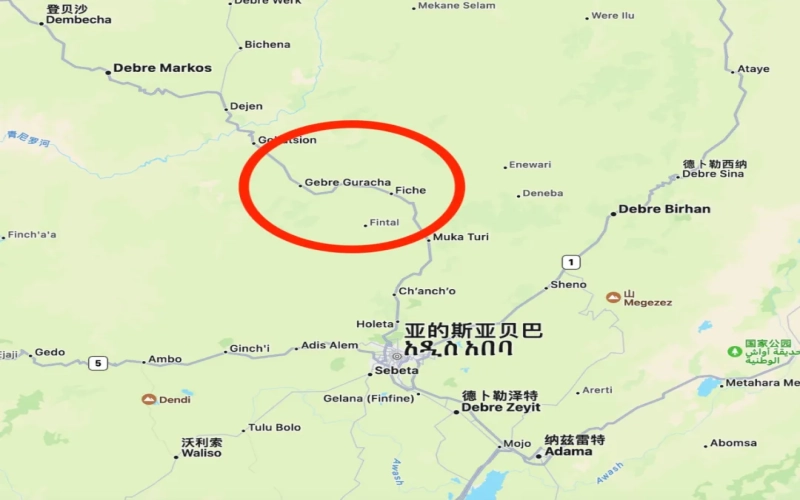
Ethiopia Suffers Another Bus Hijacking as Coffee Export Outlook Faces Multiple Pressures
A vicious kidnapping incident has recently occurred again in Ethiopia's Oromia State, where a bus carrying 52 passengers was hijacked by gunmen in the town of Dogebe Guracha. Although most passengers have escaped, 8 people are still being held. This incident is strikingly similar to the mass kidnapping of 100 people that took place in the town in July this year, causing the local security situation to continue deteriorating. At the same time, armed conflict has also begun to emerge in the southern coffee-producing regions, and combined with the Red Sea situation and tensions in relations with neighboring countries, Ethiopia's coffee industry is facing multiple challenges, including slowing exports and declining confidence among international buyers. [more…]

Manner hit by another employee assault incident: staff struggles and frequent customer conflicts amid rapid expansion
Recently, videos of physical conflicts between Manner Coffee employees and customers have been exposed one after another, sparking widespread social concern. One of the incidents occurred on May 22 at a store in a shopping mall, where a customer, after arguing with a barista over drink pickup, entered the bar area and assaulted the employee. After police mediation, the customer paid 1,000 yuan in compensation, but there were reports that the brand required the employee to return the compensation and apologize. Behind these successive conflicts are deeper issues exposed by Manner's rapid expansion, including insufficient staffing, excessive work intensity, and a mismatch between pay and effort. This article reviews the course of the incidents and the responses from various parties, and explores the contradiction between the coffee industry's rapid expansion and employee management. [more…]
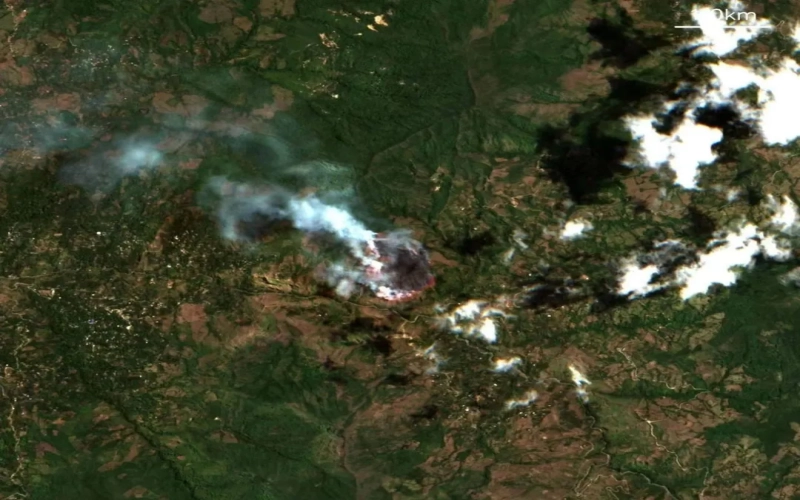
Wildfires Rage in Cauca, Colombia: Coffee and Sugarcane Crops Severely Damaged, Regional Situation Draws Attention
A large-scale forest fire recently broke out in the mountainous area of Bolívar Municipality in Cauca Department, southwestern Colombia, and the fire remains out of control. According to the local mayor, this is the most serious fire the municipality has seen in more than 30 years, with about 2,500 hectares of land destroyed and large amounts of sugarcane and coffee crops damaged, and the fire has already spread to Valle del Cauca Department. Because the ignition area is close to a nature reserve, nearby important water sources may be affected, and due to the complex mountainous terrain, firefighters are finding it difficult to gain access, making firefighting efforts very difficult; aerial support has now been requested. Notably, the Colombian government's ceasefire agreements with several anti-government armed groups have recently been terminated one after another, intensifying armed conflict, and many people suspect this forest fire is related to the conflict. Cauca Department, Valle del Cauca Department, and Norte de Santander Department are all important coffee-producing regions in Colombia. Although the conflict has not yet directly threatened coffee estates and smallholder production, the winter harvest season is approaching in September, and the impact of the mountain fire on output cannot be ignored, and may further drive up already continuously rising coffee purchasing prices. [more…]
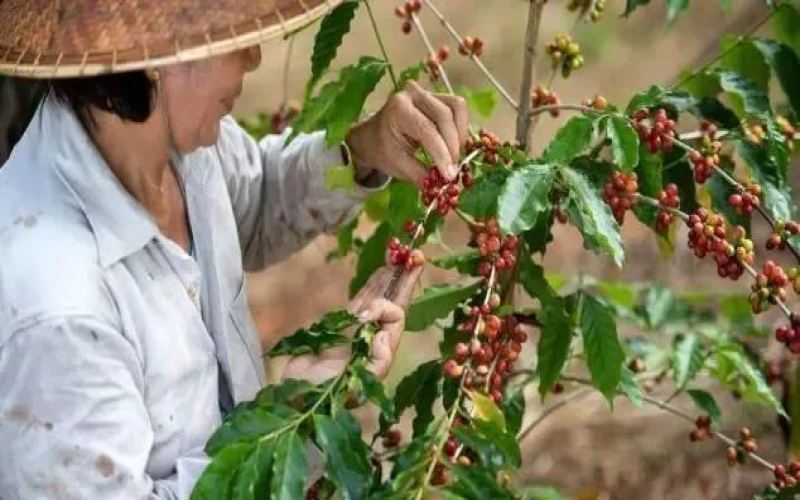
As coffee prices rise, Nestlé ramps up a $100 million expansion at its Tri An factory in Vietnam.
Global coffee prices remain elevated, and although Vietnam, as a key producing region, has seen its domestic green coffee quotes retreat slightly from earlier highs, they remain at relatively high levels. Meanwhile, Vietnam's coffee exports in 2023 showed a trend of lower volumes but higher values, with total export value hitting a record high. In response to growing market demand, Nestlé announced an additional US$100 million investment in its Tri An coffee factory in Dong Nai Province, Vietnam, to expand production capacity. Behind this decision are both expectations of a recovery in coffee consumption demand and supply-side disruptions driven by weather factors and the Red Sea shipping crisis. This article will review recent coffee price trends, Vietnam's export data, Nestlé's layout in Vietnam, and the multiple factors affecting market supply and demand. [more…]

CHAGEE's lottery mechanism questioned: user wins four times in one month, fairness under scrutiny
Recently, netizens discovered that in a lucky draw event run by the official Chongqing account of Chagee, the same user won four times within a single month, sparking widespread skepticism. Because the account's lucky draw did not use the platform's built-in system tool but was instead manually selected by operations staff, many netizens suspected "black box manipulation" in the event. Although the questioned winner came forward to clarify that they simply participated frequently and had good luck, the explanation only deepened public suspicion. As of press time, Chagee's official side has yet to make any response to the matter. [more…]