







Search Results for: optimal flavor window
Coffee Storage | How long is coffee's optimal flavor period? How long can ground coffee be stored after grinding? Which storage method can extend the optimal flavor period of ground coffee?
Recently, due to the crazy discounts of Double Eleven, many friends have gathered to place orders online, and Front Street Coffee's Taobao Tmall customer service has therefore received more coffee-related questions than ever before. Questions related to grinding on demand, such as "how long can coffee beans last after being ground into powder" and "within how many days after grinding is it best to finish drinking it," are among the questions these friends have been consulting about recently. [more…]
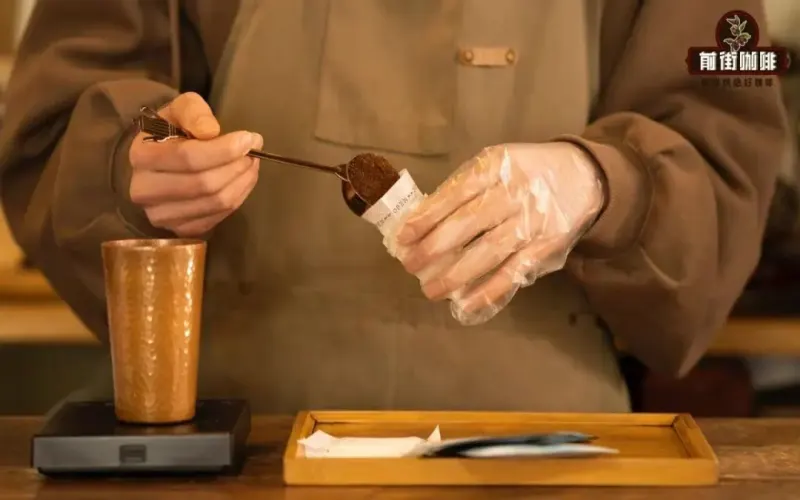
Drip Coffee Bag Shelf Life and Optimal Flavor Period Explained: Why Ground Coffee's Best Flavor Lasts Only One Month
Drip bag coffee is the preferred way for many office workers and people on the go to enjoy black coffee, but have you ever paid attention to its shelf life? Compared with whole coffee beans, pre-ground drip bag coffee loses its flavor noticeably faster. Front Street Coffee insists on grinding and preparing each order fresh, precisely to preserve the best flavor of every drip bag as much as possible. This article will explain in detail the principles of coffee aroma volatilization, clarify the differences in shelf life between whole coffee beans and ground coffee powder, and introduce the product features and tasting order of Front Street Coffee's classic five-origin drip bag coffee, helping you better understand and store the specialty drip bags in your hands. [more…]
How long can coffee maintain its optimal flavor window? Why does the flavor deteriorate after cooling? Is storing it in a thermos feasible?
Freshly brewed coffee is rich with aroma, but once you get delayed by something, the coffee left to cool often loses its fragrance and its taste deteriorates, making it seem like a completely different cup from when it was first brewed. This shows that the coffee in your cup also has an optimal window for enjoyment, and beyond that window, the experience drops off noticeably. So, is there a way to extend this golden tasting period? Front Street Coffee once shared a simple method: create a relatively sealed environment for the coffee, such as putting on a cup lid or pouring it into a thermos. This article will explain, from the perspectives of the concentration gradient principle behind aroma volatilization and oxidation reactions, why coffee tastes bad after it cools, and how sealed storage slows the loss of flavor, while also reminding you that the container capacity should not be too large, so that every cup of coffee can be enjoyed in its best state. [more…]
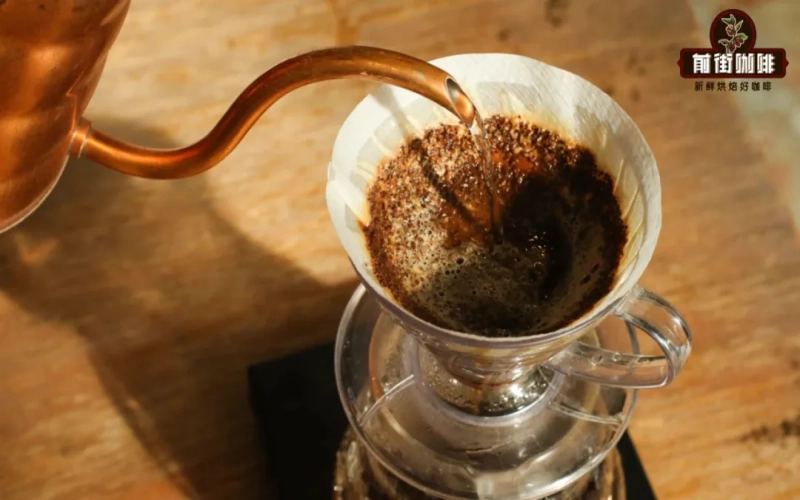
A Complete Analysis of the Optimal Drinking Time for Pour-Over Coffee and How Temperature Changes Affect Flavor
A freshly ground and brewed cup of coffee, like the coffee beans themselves, has its own optimal tasting window. Coffee aromas volatilize easily, and temperature constantly affects how the taste buds perceive sweetness, acidity, and bitterness. Therefore, from the moment it is brewed, the flavor continuously changes with time and temperature. Front Street Coffee compares the tasting performance of dark-roasted Golden Mandheling and light-roasted Gedinding at different time points, documenting the evolution of aroma, mouthfeel, and taste, to find the limit of coffee's tasting window under normal standing conditions. It will also answer common questions such as whether reheating can restore the flavor, and how to extend aroma retention with a lid or thermos, helping you seize the most brilliant drinking window of every cup of coffee. [more…]
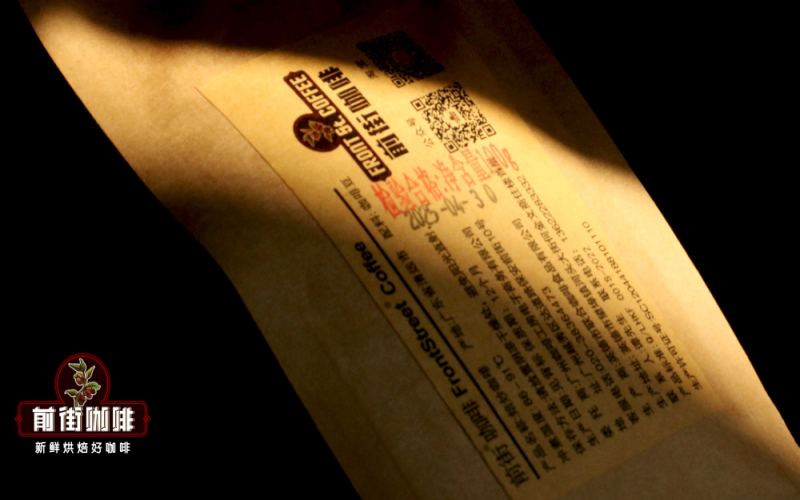
How to Read Coffee Bean Roast Dates? A Full Guide to Resting Period and Optimal Flavor Window, Differing for Light and Dark Roasts
When buying coffee beans, have you ever noticed the roast date on the packaging? This date is not used to judge whether the coffee has expired like ordinary food—roasted coffee beans typically have a shelf life of six months to a year, and what truly matters is when they reach their peak flavor. Freshly roasted beans degas vigorously, and carbon dioxide hinders extraction; leave them too long and the floral and fruity aromas dissipate, leaving only a woody taste. That is why light-roasted single-origin beans and dark-roasted espresso beans each have their own preferred resting periods. This article will walk you through the flavor logic behind the roast date, help you master the optimal drinking window for coffee beans, and show you how Front Street Coffee manages its shipping schedule so that every bag of beans reaches its peak the moment it arrives. [more…]
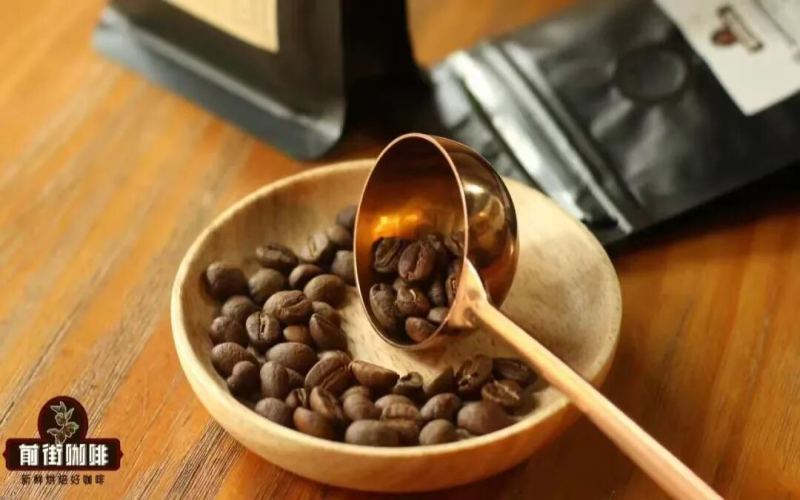
Drip Bag Coffee | Why Can't Drip Bag Coffee Be Stored for Too Long? What Is the Optimal Flavor Period for Drip Bag Coffee?
Besides coffee beans, Front Street Coffee stores also sell drip bag coffee. However, drip bag coffee needs to be made on the spot, so if a customer wants to buy a pack of drip bag coffee at the store without a reservation, they usually have to wait about 10 minutes. So some customers will ask this question while waiting: "Lift the drip bag [more…]
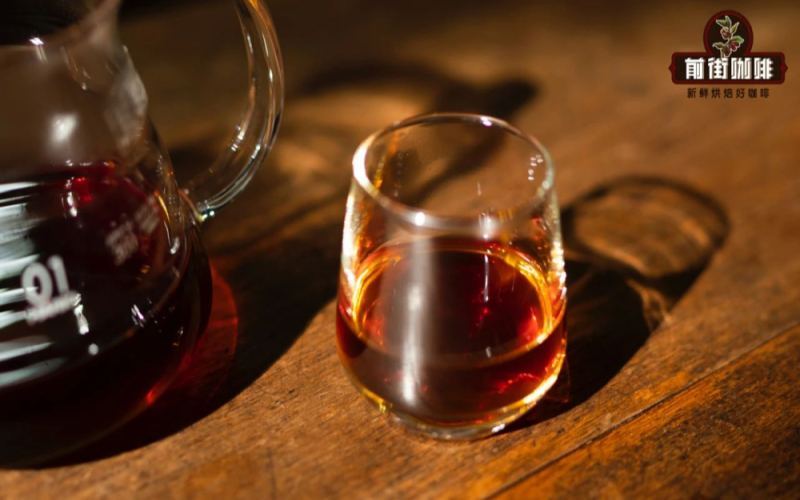
A Complete Guide to Coffee Bean Resting and Peak Flavor: The Science of Storing from Roast Date to Optimal Taste
Are freshly roasted coffee beans the most delicious? The answer is not necessarily. Many enthusiasts compare coffee bean roasting to cake baking, assuming that the fresh flavor is at its peak within two to three days of coming out of the roaster. But in fact, freshly roasted and freshly bought beans are not when the beans taste their best. Through years of roasting and cupping, Front Street Coffee has found that beans 1-2 days after roasting often carry smoky notes and a harsh, dry sensation, with sharp acidity and insufficient sweetness. This is because coffee beans continue to release carbon dioxide for about 48 hours after roasting, emitting roughly 6-10 liters per kilogram, with 35% of that released in the first three days. So what is bean resting? How long do different roast levels need to rest? And how should the peak flavor period be defined? Starting from Front Street Coffee's practical experience, this article will systematically answer core questions such as resting time, the optimal peak flavor period, and shelf life, helping you find the flavor peak of every bean. [more…]
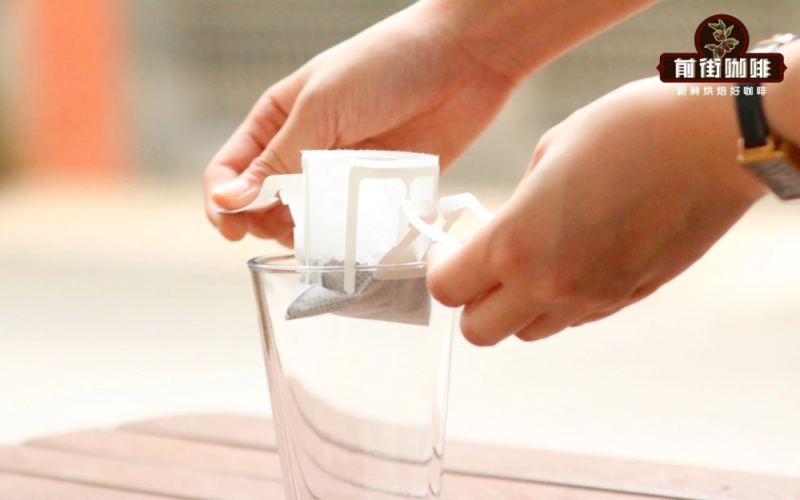
Drip bag coffee is not forever fresh: how long is its optimal flavor window, according to experimental data?
Drip bag coffee has become a daily choice for many coffee lovers thanks to its convenient brewing method. But many people overlook the fact that the coffee grounds inside a drip bag also come from freshly roasted beans, and once ground into powder, the flavor fades far faster than one might imagine. Through a set of controlled experiments, this article uses drip bags made from Front Street Coffee Red Cherry coffee beans, stored with and without preservatives for 1 to 4 months respectively, to observe changes in flavor. The experiment clearly reveals the boundary of the optimal flavor period for drip bag coffee, as well as the actual effect of preservatives on maintaining flavor. For consumers who like to stock up, these conclusions offer directly useful reference value. [more…]
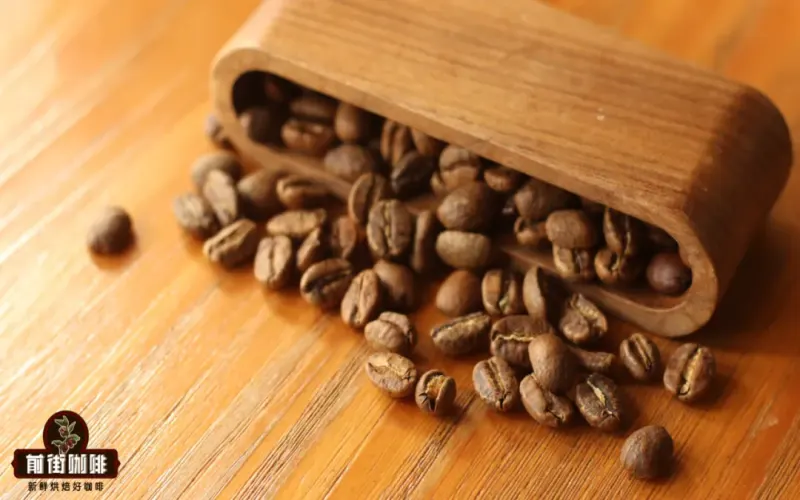
Can You Still Drink Coffee Beans Past Their Peak Flavor Window? Adjusting Grind and Pouring Technique in Pour-Over to Salvage Stale Beans
The peak flavor period of coffee beans is the stage when they display their best flavor, when aromatic compounds are abundant and the carbon dioxide content is just right, making extraction easy and thorough. Once the storage time exceeds the peak flavor period, a large amount of volatile aromatics is lost, and the brewed coffee tends to be thin and prone to harsh bitterness. So does that mean beans past their peak flavor period can only be discarded? In fact, by adjusting the grind size and pouring technique, you can still avoid the risk of over-extraction to some extent and give stale beans a second life. This article will explain what the peak flavor period means and provide a specific brewing recipe suitable for beans within two months of the roast date, including operational details such as bloom time and pouring rhythm, to help coffee lovers deal with having too many beans stockpiled or flavors that don't suit their taste. [more…]
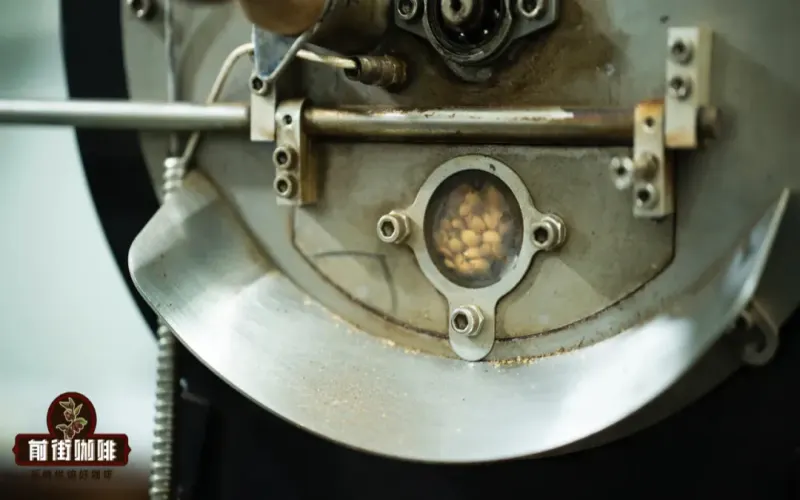
What exactly is coffee bean resting? A detailed explanation of the degassing principle and how to determine the optimal flavor window
Many coffee enthusiasts have heard the saying that "resting beans improves the flavor," but the real purpose of resting is not to create new flavors—it is to let the carbon dioxide accumulated after roasting gradually escape, thereby reducing interference with extraction. The formation of coffee flavor mainly occurs during the roasting stage; once roasting ends, flavor development essentially stops, and from then on the beans continuously degas, entering the resting and peak-flavor stages. Only when carbon dioxide is released to the point where it no longer noticeably hinders the dissolution of flavor compounds does the coffee reach its optimal drinking window. So how long does resting actually take? Different roasting methods, roast levels, and roasting styles all affect the rate of degassing, which is why merchants' recommended resting periods range anywhere from 4 to 30 days. This article starts from the underlying principles and, drawing on Front Street Coffee's practical experience, teaches you how to find a bean's peak state through sensory tasting. [more…]
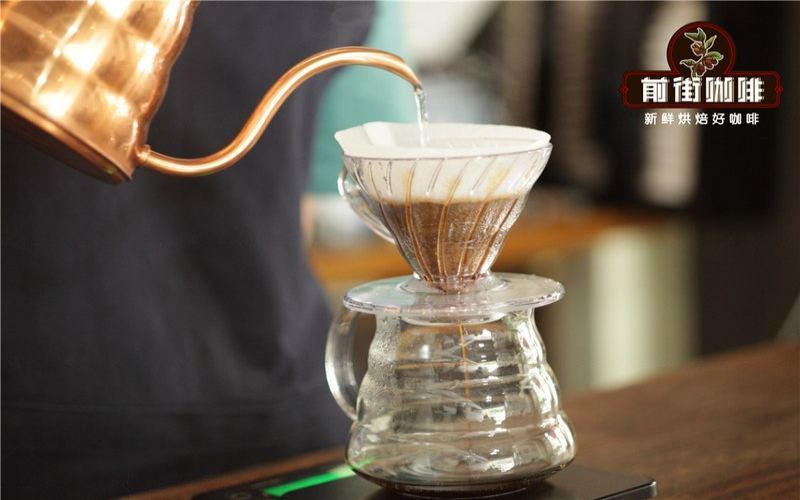
SOE Roast Days and Degassing Changes: Letting a Single Origin Fully Release Its Aroma During the Optimal Drinking Window
Freshly roasted single-origin coffee beans hold a large amount of carbon dioxide gas trapped inside. In the first days after opening, this gas rushes out violently on contact with water, forming a dense layer of foam. Too much gas prevents water from fully contacting the coffee grounds, so aromatic compounds cannot dissolve out smoothly. Give the beans a quiet period to degas. [more…]
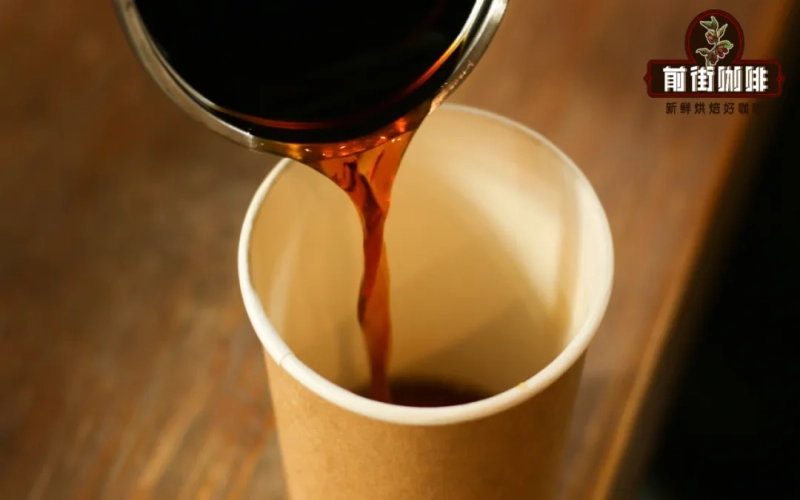
The Optimal Drinking Window for Pour-Over Coffee: An Analysis of Thermos Storage Duration and Why Flavor Deteriorates After Cooling
Freshly brewed hot coffee is rich in aroma and smooth in taste, but as the temperature drops, the flavor gradually becomes flat and even harsh. This is due not only to the effect of temperature on taste bud perception, but also to the continuous loss of volatile flavor compounds in the coffee. So, how long is it best to finish a pour-over coffee? And how much longer can a thermos extend the "enjoyable window"? Front Street Coffee conducted a real-world test using a thermos that keeps coffee hot for 12 hours, preheating all contact vessels in advance to faithfully reproduce actual performance. This article will break down the reasons why coffee flavor deteriorates after cooling and provide practical reference for thermos storage. [more…]
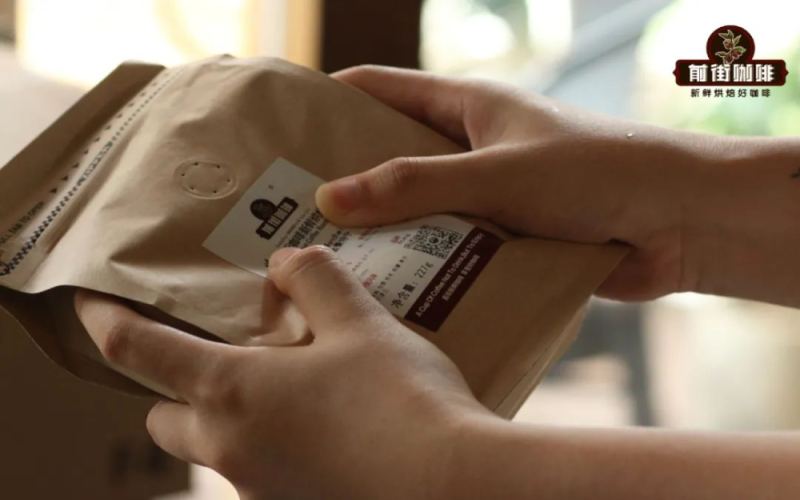
How to brew coffee beans past their optimal flavor window? A detailed guide to adjusting for flavor-degraded beans and everyday uses
When coffee beans sit for a long time after you bring them home, their aroma no longer bursts forth, and the brewed cup turns flat or even develops off-flavors—a situation almost every coffee lover encounters. In fact, "not fresh" does not mean undrinkable; as long as the beans are within their shelf life and stored properly, they remain safe to drink, though the flavor suffers greatly. When facing beans that have passed their peak flavor window, rather than lamenting, it is better to make targeted adjustments to grinding, water temperature, pouring technique, and other aspects to restore as much of their remaining goodness as possible while avoiding the negative experience of bitterness and clogging. Drawing on Front Street Coffee's practical experience, this article outlines a set of useful brewing ideas and shares other uses for expired beans in daily life, helping you make the most of every single bean. [more…]
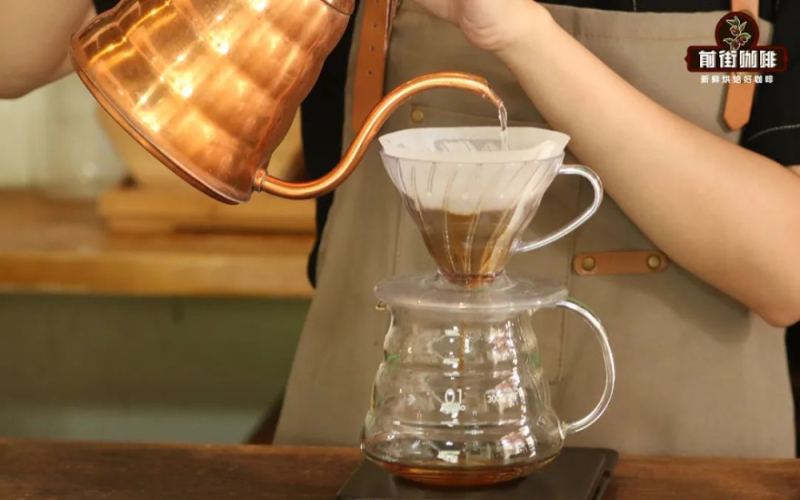
A Complete Guide to Degassing and Resting Espresso Beans: Resting Times and Optimal Flavor Window
You just bought coffee beans and brewed them right away, only to find the taste falls short of expectations—yet after a few days, they become smooth and pleasant instead. The key behind this lies in the degassing process of the coffee beans. This article will systematically explain the resting principles for espresso beans, the recommended resting times for different roast levels, and the specific methods and precautions for awakening the beans. At the same time, for those who can't resist tasting early, Front Street Coffee will also share two practical tips to help you maximize extraction performance even when the beans haven't finished resting. [more…]
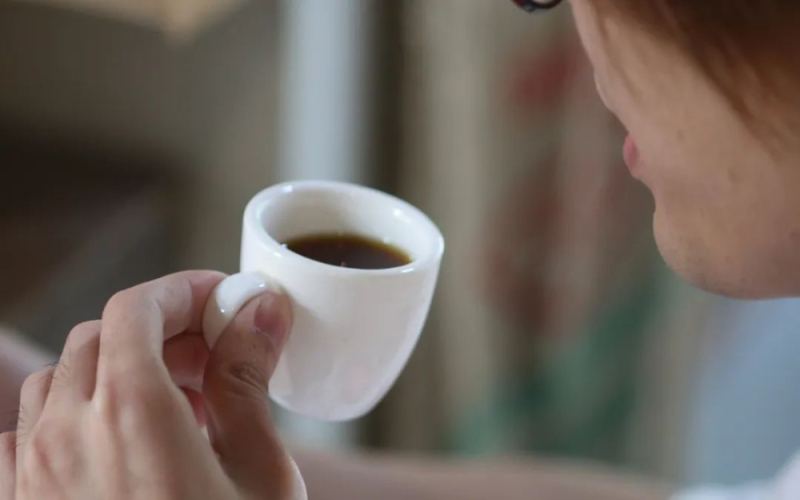
How Temperature Affects Pour-Over Coffee Flavor, Optimal Drinking Window, and the Patterns of Taste Change
When tasting pour-over coffee, you often hear the saying "you should drink it from hot to cold." This is not without reason—as the coffee liquid gradually cools, our taste buds' perception of acidity, sweetness, and bitterness quietly changes as well. So how exactly does temperature affect the presentation of flavor? What temperature range is best for drinking? This article starts from the scientific perspective of taste perception, combines Front Street Coffee's brewing and tasting experience, analyzes the flavor change patterns of pour-over coffee at different temperature stages, and offers recommendations on the best drinking temperature and timing to help you more fully capture a cup of coffee's layers and details. [more…]
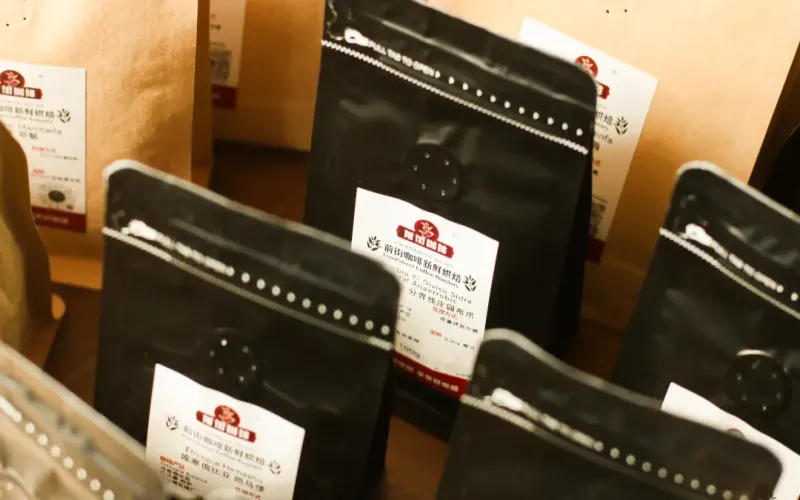
Coffee Beans vs. Ground Coffee Buying Guide: Why Pre-Ground Coffee Loses Flavor and Key Storage Tips
As the Spring Festival approaches, many coffee lovers are starting to stock up on their everyday beans. It is widely agreed that freshly ground coffee smells better, but to save effort, many people have the vendor grind it for them. This article focuses on the choice between whole bean and ground coffee, and drawing on Front Street's practical experience, it explains in detail the optimal flavor window of coffee beans, how long flavor lasts after grinding, and exactly how the taste of coffee changes when it is ground in advance. Through comparative experiments and real-world tests, it helps readers understand why pre-ground coffee doesn't taste good when brewed, and offers proper storage advice, so you can easily enjoy a good cup of coffee even during the holiday. [more…]
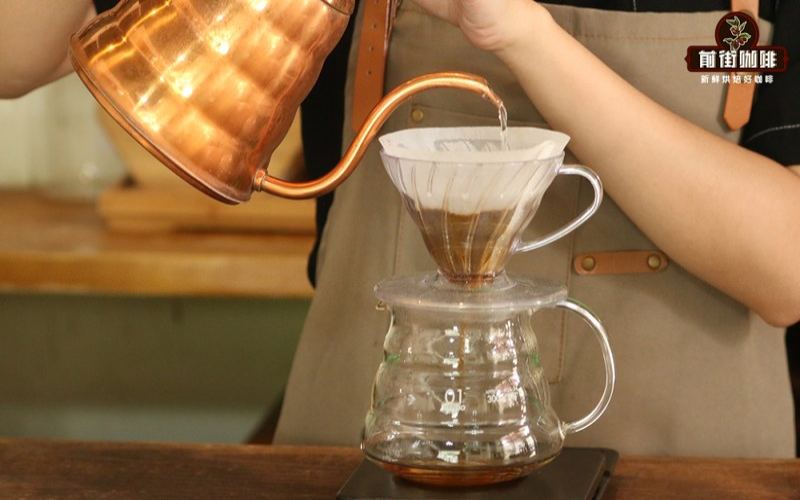
Roast date and the optimal tasting window: helping floral and fruity coffee beans lock in fresh aromas
Freshly roasted floral and fruity coffee beans accumulate a large amount of carbon dioxide gas inside. When this gas meets water, it expands rapidly and can easily prevent hot water from coming into even contact with the coffee grounds. Let the beans rest for a few days in packaging with a one-way degassing valve, allowing the internal pressure to gradually stabilize. The delicate floral and [more…]
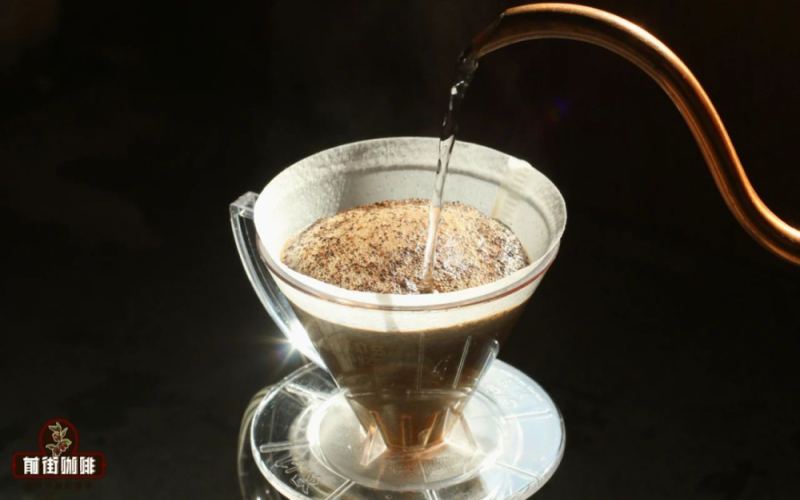
How can you tell if coffee beans are fresh? The necessity of storing them in an airtight container and an analysis of the pros and cons of storing ground coffee
Many people mistakenly believe that freshly ground equals fresh. However, to truly savor the aroma of coffee, the roast date of the coffee beans is just as crucial as freshly grinding them. Front Street Coffee has always regarded freshness as the foremost factor for high-quality coffee beans, because beans that have been roasted for over 50 days lose almost all their flavor. Therefore, every bag of coffee beans sold includes a note that the optimal flavor period is within 30 days, with the best drinking window being 14 days after the resting period ends. This article will systematically explain how to select fresh coffee beans, the principles and duration of resting, the difference between the optimal flavor period and the shelf life, and the correct storage methods, while also explaining why coffee beans should not be ground and stored. [more…]
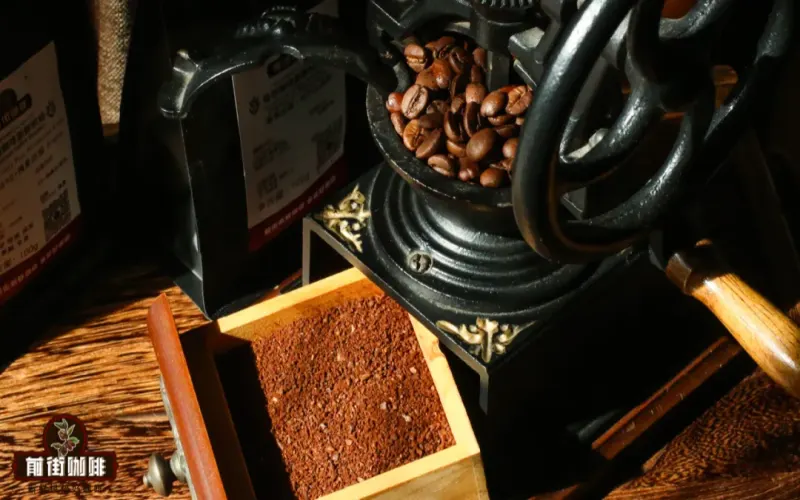
After coffee beans are ground into powder, how long is the remaining flavor period? Coffee powder storage methods and the truth about flavor loss
Many people care about the shelf life of ground coffee, but what truly deserves attention is its peak flavor window—the optimal time for enjoying it. Once coffee beans are ground, aroma molecules volatilize more rapidly, and flavor loss occurs far faster than with whole beans. Through experiments, Front Street Coffee found that the peak flavor window of ground coffee is about two-thirds that of whole beans; if beans have a 45-day window, ground coffee has only about 30 days. This article provides a detailed analysis of how the peak flavor window of ground coffee is calculated, why flavor loss occurs, and shares Front Street Coffee's recommended method of sealed portioned storage, helping you enjoy a cup of coffee with full flavor before the aroma fades. [more…]
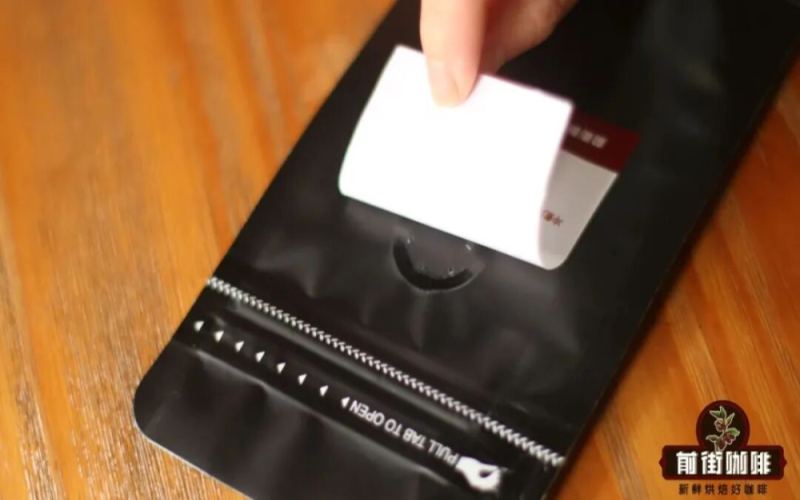
Should coffee beans be stored in the refrigerator? How long can they stay fresh after grinding? This article explains shelf life and flavor changes clearly.
Coffee enthusiasts often struggle with storage questions: should coffee beans be put in the refrigerator after purchase? And how long can they be stored once a merchant has ground them into powder? The impact of freshness on flavor is self-evident, but ground coffee has a dramatically increased surface area exposed to air, causing aromas to dissipate far faster than with whole beans. Drawing on Front Street Coffee's practical experience and comparative experiments, this article sorts out the optimal flavor window for coffee beans, the finer points of storage environments, and how ground coffee's flavor evolves over different storage days, helping you find a balance between convenience and quality. If you're also in the habit of stockpiling ground coffee all at once or grinding ahead of time, this piece is worth a read. [more…]