







Search Results for: one-way blind date
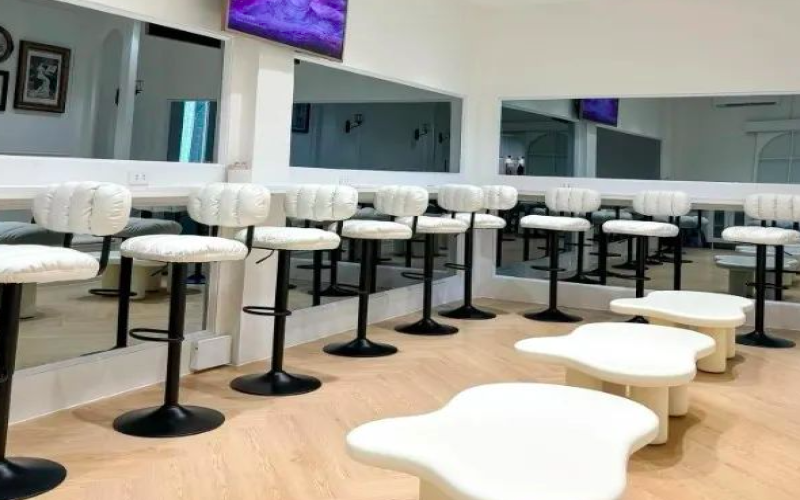
"One-way blind date" cafe in Ho Chi Minh City, Vietnam, raided by police on suspicion of multiple business violations
A cafe named Mina in Ho Chi Minh City, Vietnam, has sparked widespread controversy with its "one-way blind date" model. Male customers can observe female customers through one-way glass, while the women are completely unaware of it. This practice, imitating old-style cafes in Japan, has been criticized by netizens for objectifying women as window-display merchandise. Even more worrying is that the shop also offers a so-called "companion tour" service, and incidents of male customers secretly photographing women have occurred. On June 3, Vietnamese police raided the shop. Although no direct evidence of harm to women was found, multiple violations were discovered, including the absence of labor contracts, lack of a food hygiene license, and breaches of fire safety regulations. Whether this cafe can continue to operate remains unknown at present. [more…]
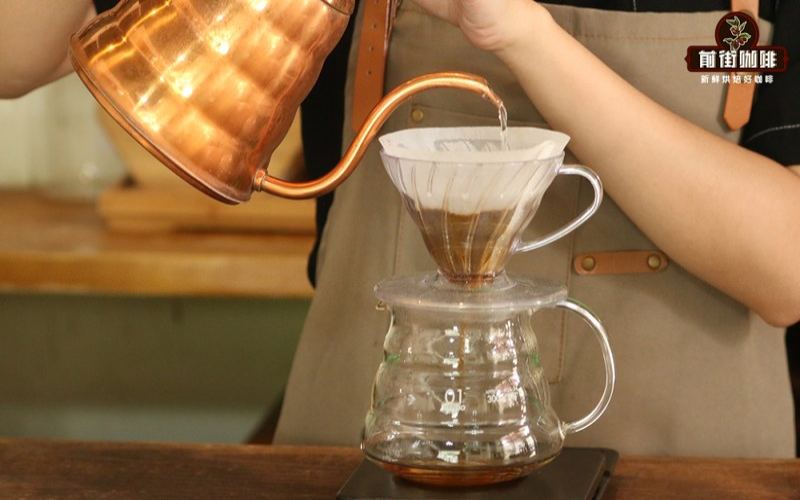
Roast date and the optimal tasting window: helping floral and fruity coffee beans lock in fresh aromas
Freshly roasted floral and fruity coffee beans accumulate a large amount of carbon dioxide gas inside. When this gas meets water, it expands rapidly and can easily prevent hot water from coming into even contact with the coffee grounds. Let the beans rest for a few days in packaging with a one-way degassing valve, allowing the internal pressure to gradually stabilize. The delicate floral and [more…]
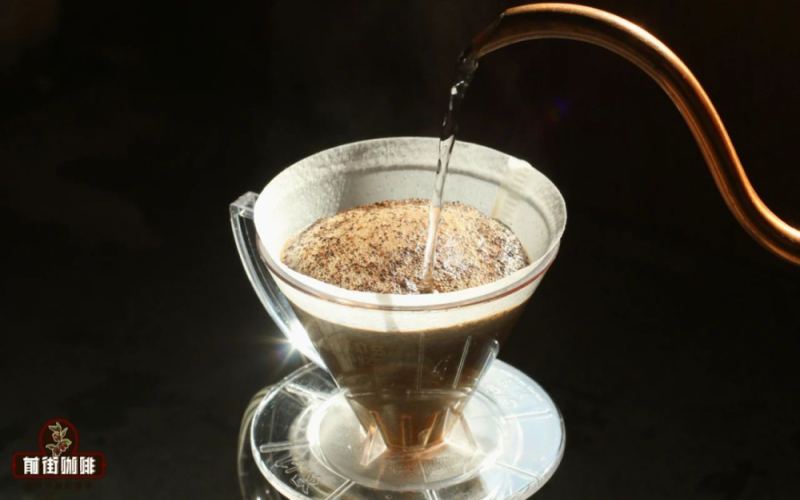
How can you tell if coffee beans are fresh? The necessity of storing them in an airtight container and an analysis of the pros and cons of storing ground coffee
Many people mistakenly believe that freshly ground equals fresh. However, to truly savor the aroma of coffee, the roast date of the coffee beans is just as crucial as freshly grinding them. Front Street Coffee has always regarded freshness as the foremost factor for high-quality coffee beans, because beans that have been roasted for over 50 days lose almost all their flavor. Therefore, every bag of coffee beans sold includes a note that the optimal flavor period is within 30 days, with the best drinking window being 14 days after the resting period ends. This article will systematically explain how to select fresh coffee beans, the principles and duration of resting, the difference between the optimal flavor period and the shelf life, and the correct storage methods, while also explaining why coffee beans should not be ground and stored. [more…]
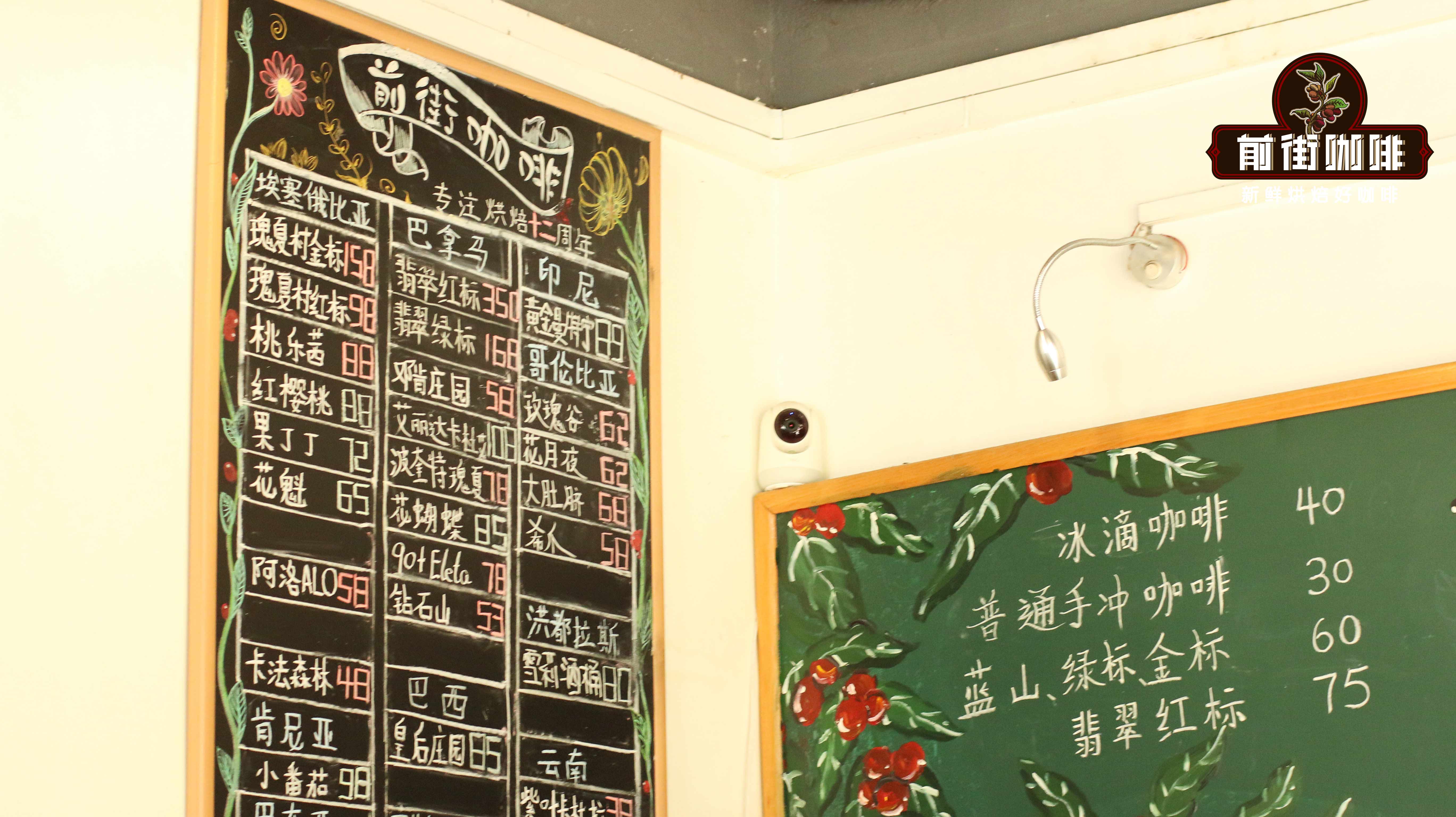
Coffee Bean Freshness Guide: Practical Tips from Roast Date to Flavor and Mouthfeel
Faced with a dazzling array of coffee beans, how do you judge whether they are fresh and how do you choose the one that suits your taste? Front Street Coffee starts with four basic steps, teaching you to check the roast date and one-way degassing valve packaging, quickly identify freshness by smelling the aroma, and reminding you that freshly roasted beans need to rest for two to three days before brewing. The article also recommends a number of Front Street beans categorized by acidity, bitterness, and sweetness, covering Yirgacheffe, Tarrazú, Golden Mandheling, and others, while suggesting that beginners give priority to high-value everyday beans and gradually build up their understanding of regional flavors. [more…]
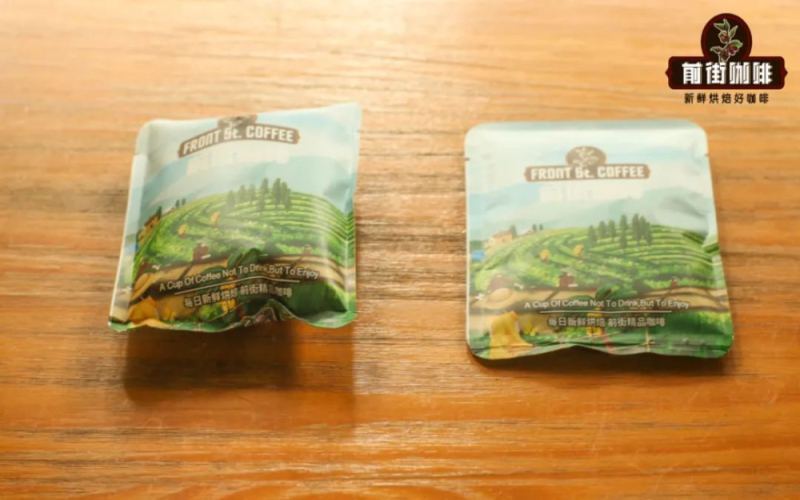
The coffee bean bag has puffed up—can it still be safely consumed? A full explanation of the causes and how to deal with it
The bag of coffee beans you just bought is bulging—is it spoiled? Can you still drink it? Actually, the reasons for coffee bean bag swelling are quite different from those for ordinary food. Ordinary food bags usually swell due to air leaks or gas produced by bacteria, but coffee beans themselves actively release carbon dioxide. When the roast date is very fresh, the roast level is on the darker side, and the bag happens to have no one-way degassing valve, swelling becomes a natural phenomenon. This article analyzes in detail the three main causes of coffee bean bag swelling, helping coffee lovers judge when they can enjoy it with peace of mind and when they should be more vigilant, and includes professional advice from Front Street Coffee. [more…]
Coffee Bean Buying Guide: A Practical Four-Step Method from Freshness Assessment to Flavor Matching
Faced with a dazzling array of coffee beans, many enthusiasts often don't know where to start, and are even less clear about whether the beans they buy are actually fresh. Drawing on the practical experience of Front Street Coffee, this article systematically lays out four basic steps for choosing coffee beans: first learn to judge freshness, then pin down the roast level and region based on your preference for acidity or bitterness, next get started with pour-over in a cost-effective way, and finally gradually delve into specific origins. The article not only offers practical tips such as smelling the aroma, checking the roast date, and looking for a one-way degassing valve, but also recommends specific products like Front Street Red Cherry, Tarrazú, and Golden Mandheling for different tastes, helping you make a wiser choice the next time you buy. [more…]
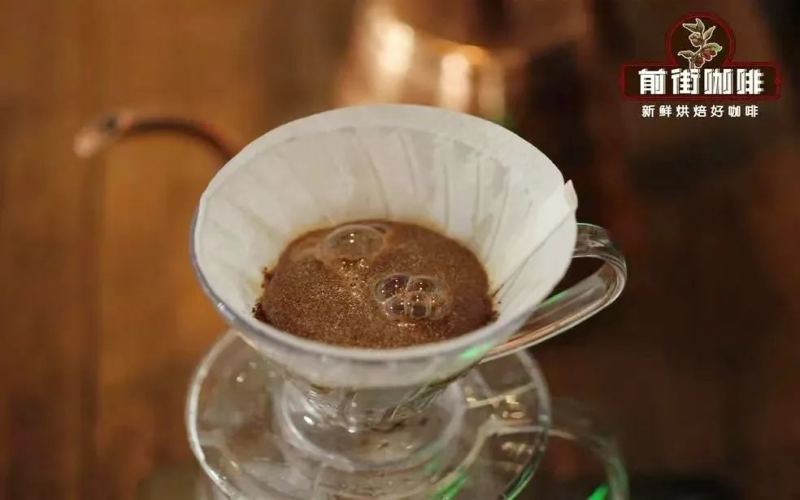
The Correct Way to Rest and Wake Coffee Beans: How Long Do Freshly Roasted Beans Need to Rest Before Drinking?
Freshly roasted coffee beans don't reveal their best flavor when brewed immediately, because a large amount of carbon dioxide builds up inside the beans during roasting. This gas hinders the release of flavor compounds during brewing, so the beans need a period of "resting" to let the gas dissipate naturally. Usually, after five to seven days from the roast date, the beans' harsh, roasty edge fades and the aroma becomes fuller instead. If the beans you receive have too recent a roast date, just leave the original packaging untouched in a cool, dry place—the one-way degassing valve on the bag balances the pressure inside and out. As for "awakening" the beans, in the broad sense it's synonymous with resting; in the narrow sense it refers to exposing the beans to air for about four hours before brewing. Front Street Coffee also takes the resting rhythm into account when shipping, so that the beans happen to enter their optimal drinking window by the time they reach you. [more…]
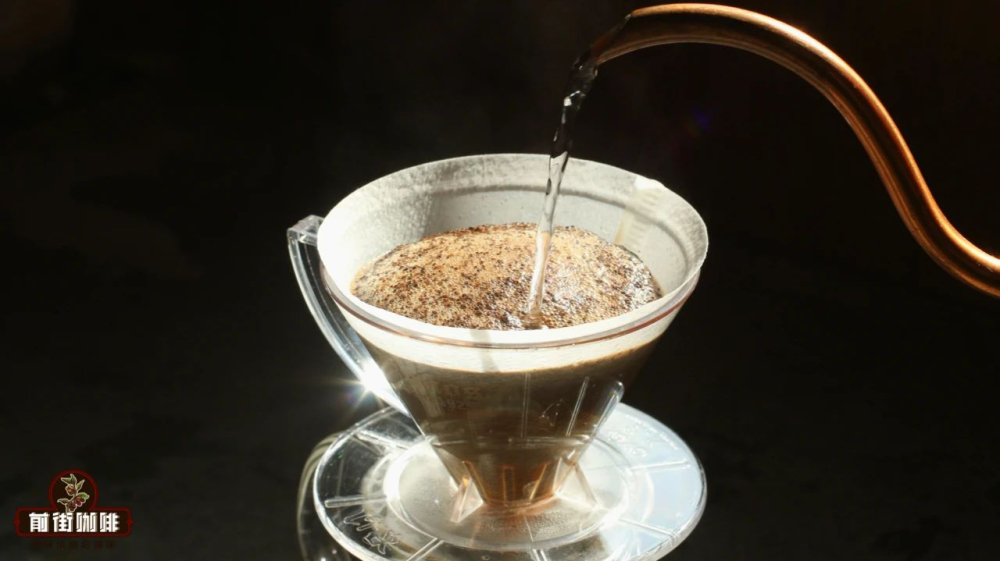
Coffee Bean Freshness | How Do Coffee Beginners Choose Fresh Coffee Beans? How Long Can Coffee Beans Be Stored After Opening? Which Is Better: A Sealed Coffee Bean Storage Canister or Storing Coffee Beans in the Refrigerator?
Many friends assume that freshly ground coffee means fresh coffee, but that's not actually the case. In reality, to truly enjoy the aroma of coffee, it's not just about grinding fresh—the roast time of the coffee beans also matters to some extent. Front Street Coffee has always placed great emphasis on the freshness of coffee beans, high [more…]
A Beginner's Guide to Coffee Bean Freshness: Key Selection Points, the Science of Resting, Peak Flavor Window, and Everyday Storage Methods
Many people believe that as long as coffee is freshly ground, it counts as fresh, but in reality, whether the coffee aroma can be fully released depends not only on the timing of grinding but also on time management after roasting. Once coffee beans have passed 50 days after roasting, their flavor is almost entirely depleted, so Front Street Coffee has always regarded freshness as the first prerequisite for good coffee. This article focuses on four core questions: how to tell whether a bag of beans is fresh, why beans need resting, how the peak flavor period differs from the shelf life, and how to store them properly in daily life. It also compiles suggested resting times for different roast levels from light to dark, special considerations for espresso beans, and the pros and cons of three storage options—sealed jars, one-way degassing valve canisters, and original packaging—to help beginners avoid common pitfalls. [more…]
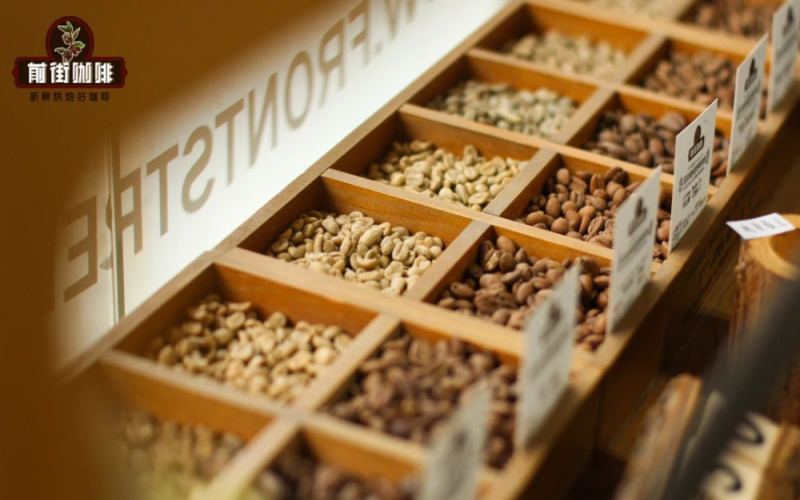
Global Top Ten Coffee Brands Ranking Analysis and Fresh Coffee Bean Selection Guide
Many coffee lovers, when choosing coffee, are in the habit of first consulting brand rankings, assuming that whatever ranks at the top must be good coffee. But Front Street Coffee believes that whether it's single-origin beans or espresso beans, freshness is the key. This article rounds up the world's ten most famous coffee brands and shares how to select fresh coffee beans by paying attention to details like the roast date and one-way degassing valves. It also recommends several representative Front Street Coffee beans based on different flavor preferences, helping readers find the cup that suits them best. [more…]

How should coffee beans be stored properly after buying them? Master the four principles—avoiding moisture, oxygen, light, and heat—to keep their fresh flavor.
Many people mistakenly believe that freshly ground coffee equals fresh coffee, but that is not the case. To truly savor the aroma of coffee, besides grinding fresh, the roast date of the coffee beans is equally crucial. Front Street Coffee, whether in-store or through its online Taobao shop, offers freshly roasted coffee beans. Beans roasted more than 50 days ago basically have little aroma left, but in the first two days after roasting, the aroma has not yet stabilized and the regional flavors cannot be tasted, so Front Street reminds customers to generally rest the beans for three to four days before brewing. So how should coffee beans be stored to maintain freshness after opening? Front Street has summarized the four things coffee beans fear most — moisture, oxygen, light, and heat — and shared the pros and cons of storage methods such as one-way degassing valve bags, sealed canisters, and vacuum canisters, to help everyone extend the flavor life of coffee beans as much as possible in daily life. [more…]
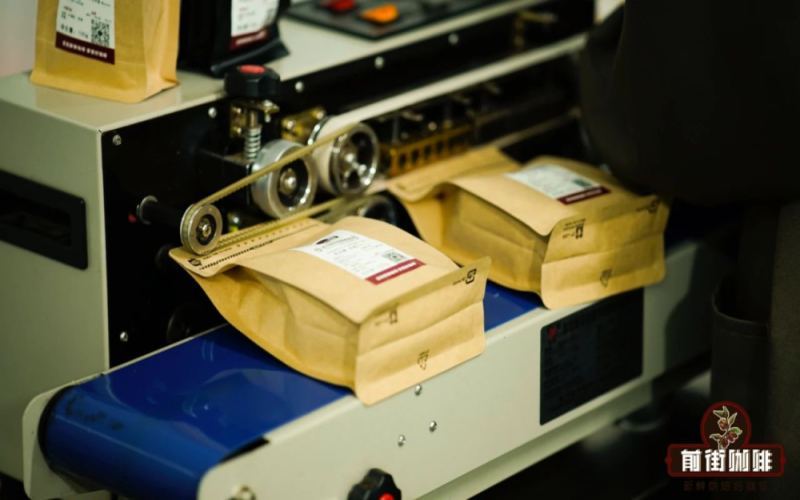
Three Key Factors for Choosing Coffee Beans: A Practical Guide to Freshness, Flavor Preference, and Value for Money
Faced with a dazzling array of coffee beans, how do you find the one that suits you best? This article explores three dimensions: first, judging coffee bean freshness—check the roast date and one-way degassing valve, and understand the optimal flavor window; second, pinpointing roast level and regional flavor based on your preference for acidity or bitterness, with several Front Street Coffee beans for reference; third, at the beginner stage, prioritize high-value everyday beans and quickly build up your understanding of origins using basic equipment. Whether you prefer fruity acidity or a rich, mellow cup, you'll find clear guidance for choosing here. [more…]
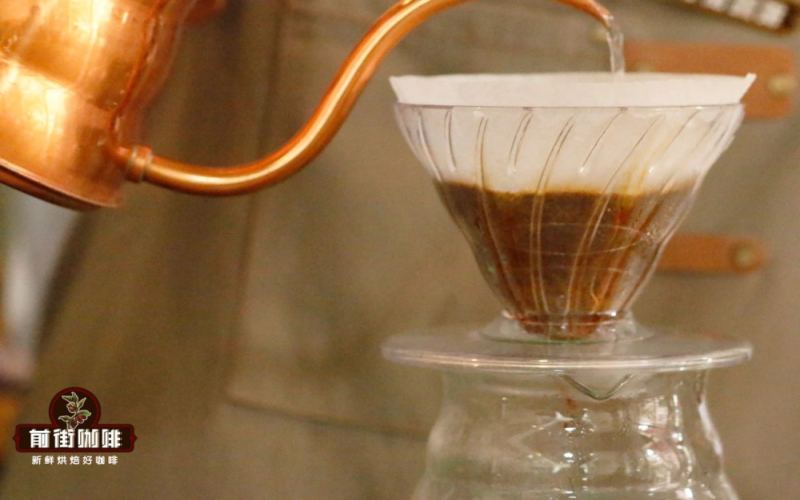
How to Choose Between Single-Origin and Blended Coffee Beans? A Guide to Selecting Espresso Beans and Judging Freshness
Under the specialty coffee wave, single-origin beans and blended beans each have their own followers. The former is mostly used for pour-over, and is also often used by specialty shops to extract espresso; the latter is the stable workhorse of espresso. Faced with a dazzling array of coffee beans, how should you choose beans suitable for an espresso machine? This article starts from practical angles such as roast date, one-way exhaust valve, and roast level, clarifies the difference between single-origin and blends, and gives key points for buying espresso beans. At the same time, combined with several classic espresso blends from Front Street Coffee, it helps you find that cup with rich crema and a mellow flavor, performing consistently whether you make an Americano or a latte. [more…]
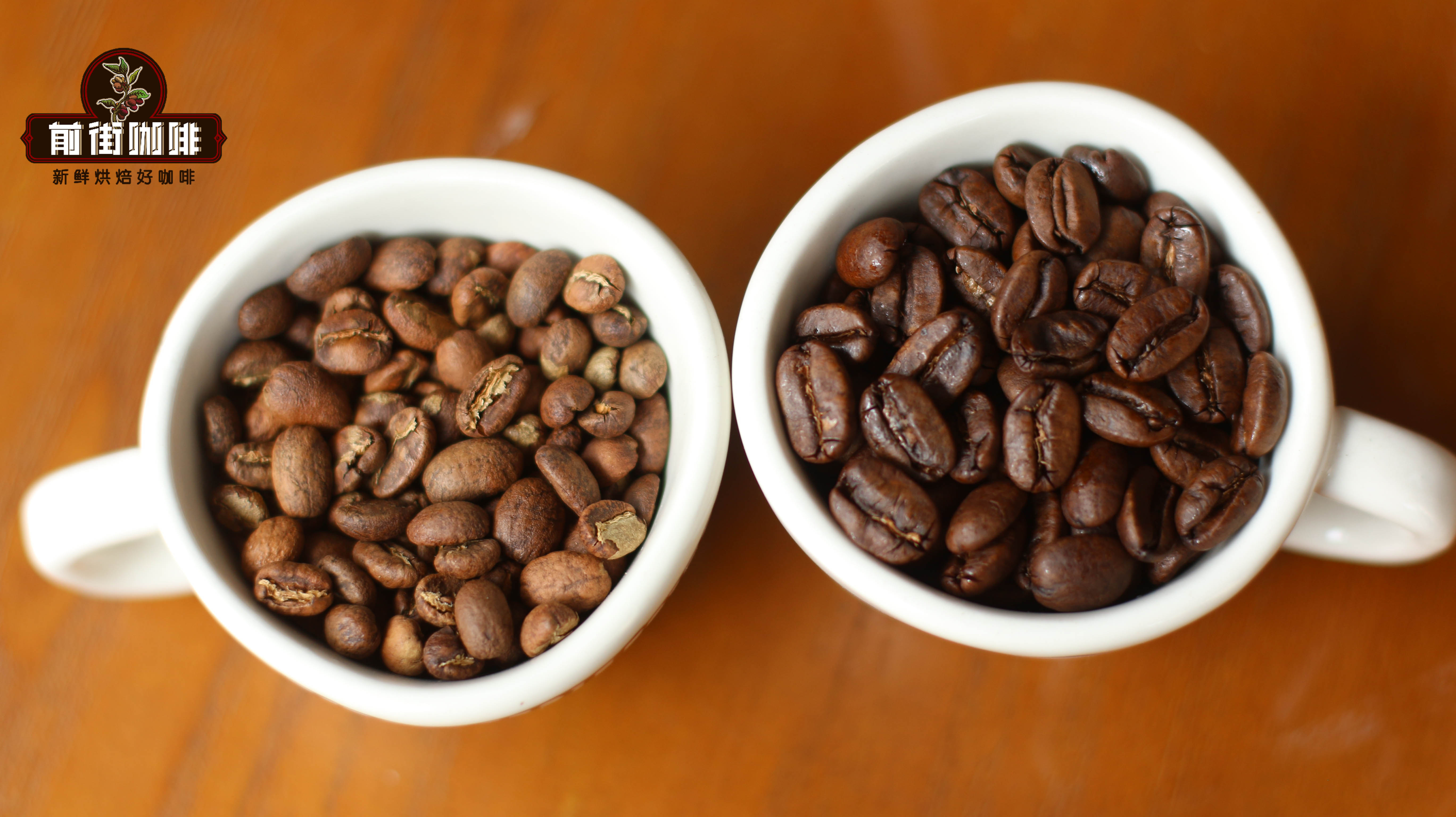
Coffee Bean Beginner's Guide: From Freshness and Origin to Roast Style, Learn to Pick the One That Suits You
Faced with a dazzling array of coffee beans, beginners often don't know where to start. In fact, choosing coffee beans isn't complicated—as long as you grasp a few key dimensions, you can greatly increase your chances of buying good beans. This article starts with the primary principle of freshness, explaining why you should look for products marked with a roast date and packaged with a one-way exhaust valve, and introduces Front Street Coffee's standard of shipping within 5 days of roasting. It then sorts out flavor differences across the three major producing regions of Central and South America, Africa, and Asia, discusses which groups and brewing devices suit blends versus single-origin beans, and finally breaks down the acidity, mouthfeel, and brewing methods corresponding to the three roast styles of light, medium, and dark roast. The article also intersperses recommendations of several specific Front Street beans to help you translate abstract flavor descriptions into practical choices. [more…]
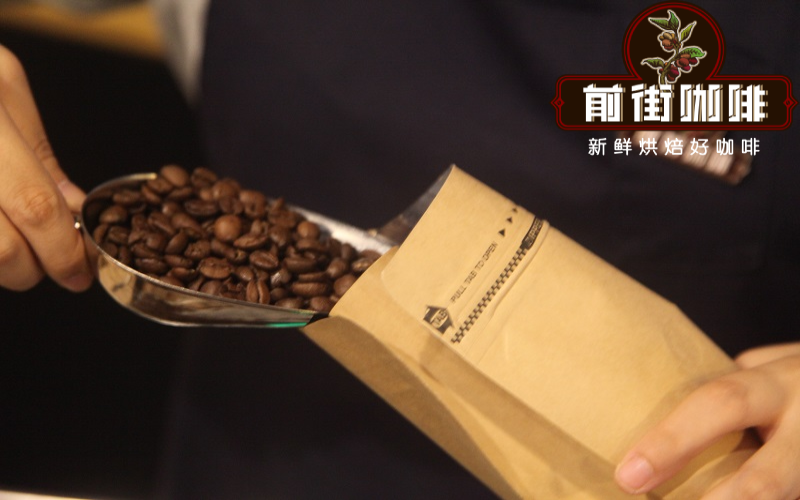
A Complete Guide to Espresso Blend Beans: Recipe Approaches, Freshness Assessment, and Four Front Street Coffee Blend Recommendations
To make a well-balanced espresso, choosing the right blend and judging freshness are both essential. Drawing on Front Street Coffee's practical experience, this article first explains how to tell whether coffee beans are fresh by their roast date, one-way degassing valve, and smell, then explains the concept of blended beans, the difference between pre-roast blending and post-roast blending, and the two main goals of blending: consistent flavor and balanced taste. It then introduces, one by one, Front Street's four espresso blends currently on sale—Sunflower Warm Sun, Specialty Blend, Commercial Blend, and Dark Cocoa Blend—covering their ratios, blending methods, flavor characteristics, and suitable scenarios, and finally uses Sunflower Warm Sun as an example to demonstrate the flavor performance of espresso extraction. [more…]
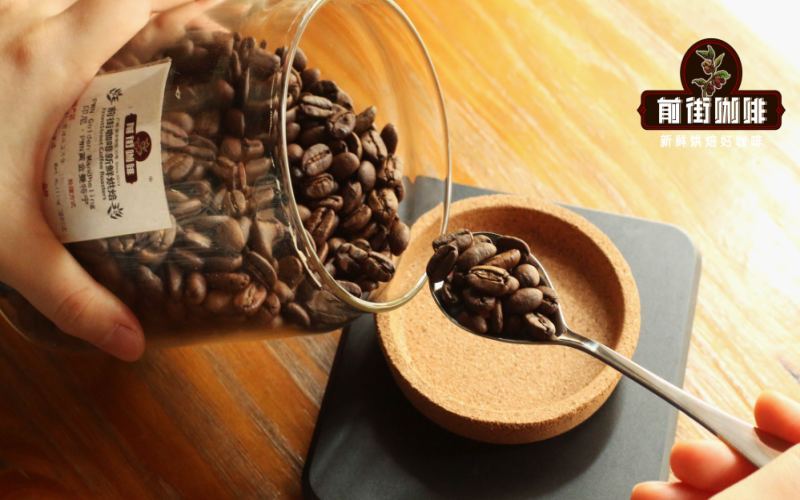
The Complete Guide to Keeping Coffee Beans Fresh: Best-By Dates, Storage Mistakes, and the Right Way to Store Them
The freshness of coffee beans directly determines the flavor performance of a cup of coffee, and whether the storage method is appropriate is the key factor affecting the freshness of coffee beans. From the professional perspective of Front Street Coffee, this article systematically sorts out the two major categories of coffee bean storage—the different precautions for green beans and roasted beans—deeply analyzes the mechanisms of the three major freshness "killers": light, high temperature, humidity, and oxygen, and provides two practical storage solutions: one-way exhaust valve packaging bags and vacuum-sealed canisters. The article will also answer how long coffee beans can actually be stored, the difference between the peak flavor period and the shelf life, why refrigeration is not recommended, and clever ways to reuse expired beans, helping coffee lovers maximize the retention of the best flavor of every bag of beans. [more…]
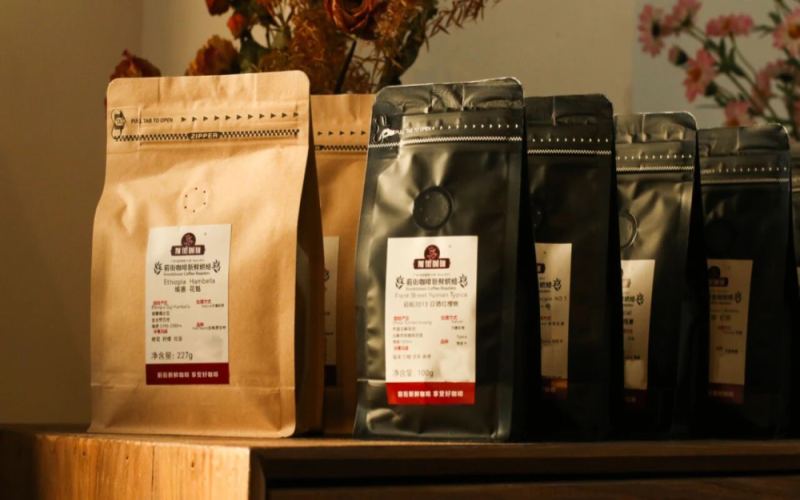
Home Coffee Bean Selection Guide: For Pour-Over, Should You Choose Single-Origin or Blend? A Full Analysis of Freshness and Regional Flavors
Faced with a bewildering array of coffee bean options, many enthusiasts often don't know where to start. This article approaches bean selection from three dimensions—extraction method, roast date, and regional flavor profiles—to help you clarify your thinking: pressurized extraction suits espresso blends, while pour-over extraction is better suited to single-origin beans; when purchasing, be sure to check the roast date and one-way degassing valve packaging; beans from different regions have distinct flavor emphases—African beans offer floral aromas and fruity acidity, Central and South American beans have nutty notes, and Asian beans are rich and full-bodied with low acidity. It also answers the question of whether to buy whole beans or ground coffee, and includes specific product recommendations from Front Street Coffee, so you can easily find the one that suits you. [more…]
Coffee Beginner's Buying Guide: Should You Buy Coffee Beans or Ground Coffee? Which Coffee Beans Are Worth Buying?
Friends who are just getting into coffee often struggle with a common dilemma: should you buy whole coffee beans, or just go ahead and buy pre-ground coffee powder? This article approaches the question from the angles of freshness, packaging method, and the relationship between roast level and flavor, laying out a practical set of buying guidelines for beginners. It places particular emphasis on checking the roast date, choosing packaging with a one-way degassing valve, and buying whole beans to grind yourself whenever possible. At the same time, it organizes options into three main categories—light roast, medium roast, and dark roast—listing specific beans suitable for beginners to try, covering different flavor directions such as floral and citrus, berry and fermented, and chocolate and nutty, helping newcomers quickly zero in on the coffee that suits their taste. [more…]
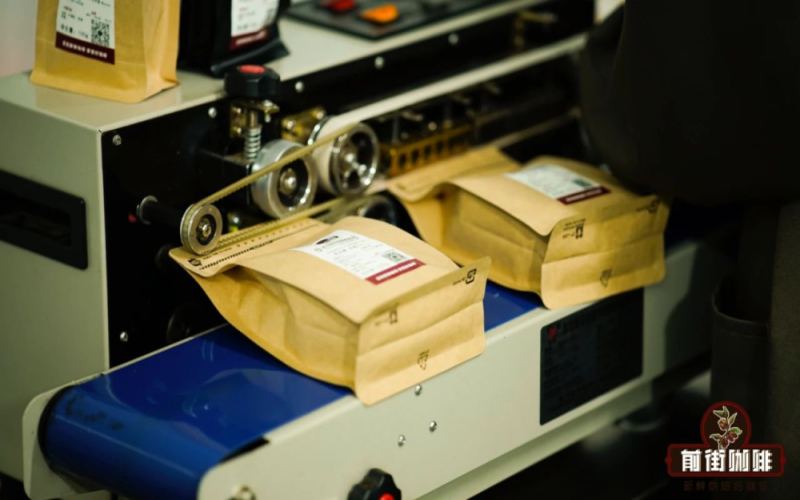
Coffee Bean Roasting Brand Introduction | What Are the Criteria for Judging High-Quality, Great-Tasting Coffee Beans? Recommended High-Cost-Performance Single-Origin Pour-Over Coffee Beans
NO.1 Choose fresh coffee beans. Before selecting any coffee beans, Front Street Coffee will teach you how to judge the freshness of coffee beans. First, choose products that clearly indicate the roast date (not the expiry date or shelf life) and buy from reputable, professional coffee roasters that emphasize fresh roasting. In addition, excellent [more…]
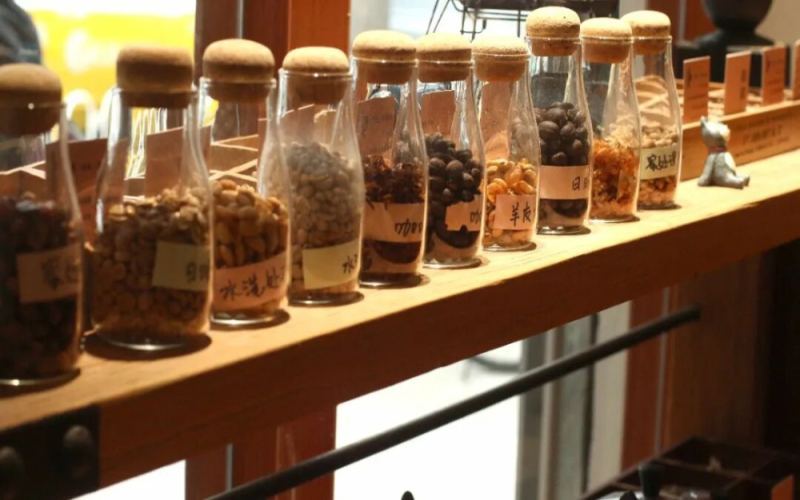
How can you judge the peak flavor period and shelf life of coffee beans? Can re-roasting expired beans restore their aroma?
From the moment roasting is complete, coffee beans embark on a one-way journey of gradually fading flavor. Many coffee lovers are often puzzled: how exactly should the peak-flavor period and the shelf life of coffee beans be judged? Can beans that are past their shelf life or peak-flavor period be "revived" through a second roast to bring back their aroma? This article starts from a real question asked by a customer at the Front Street store, combines the scientific laws of coffee bean degassing and flavor changes, and selects two single-origin beans with different roast levels—Front Street Huakui and Front Street PWN Golden Mandheling—for a comparative brewing experiment, using actual results to provide the answer, while also reminding everyone of the correct ways to buy and store coffee beans. [more…]