







How Should You Pick Blended Coffee Beans for Espresso?
Blended coffee beans are the stable backbone of espresso, while single-origin beans suit pour-over and are also used by specialty cafes for espresso. Choose based on how you brew: blends give more consistent flavor under pressure, and single-origin lots highlight a specific region. For either, buy from roasters that clearly mark the roast date instead of an expiration date.
Check freshness before buying. Look for a one-way exhaust valve on the bag, squeeze gently, and smell the released gas; a rich coffee aroma means the beans are fresh, while a faint or rancid oil smell means they have deteriorated. Whether you make americano or latte, freshly roasted beans perform more steadily in the cup.
Under the specialty coffee wave, single-origin beans and blended beans each have their followers. The former is mostly used for pour-over, and is also often used by specialty shops to extract espresso; the latter is the stable backbone of espresso. Faced with a dazzling array of coffee beans, how should you choose beans suitable for an espresso machine? This article starts from practical angles such as roast date, one-way exhaust valve, and roast level, explains the difference between single-origin and blends, and gives key points for buying espresso beans. At the same time, combined with several classic espresso blends from Front Street Coffee, it helps you find that cup with rich crema and a mellow flavor, whether you make americano or latte, it can perform steadily.
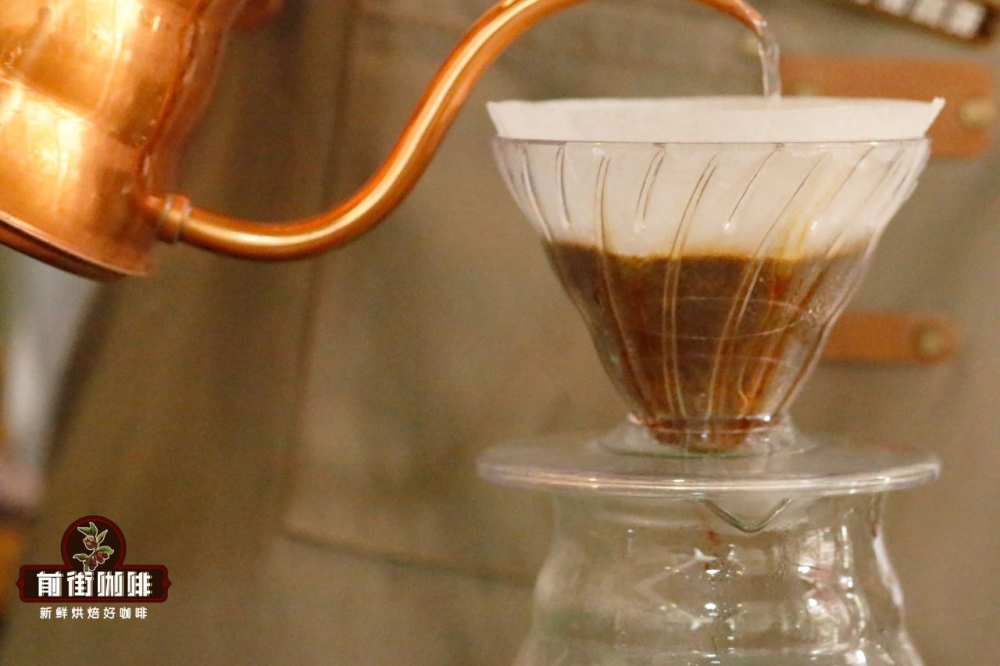
As specialty coffee becomes increasingly popular, single-origin coffee is also accepted by more and more people. Coffee beans on the market today can be roughly divided into two categories: one is single-origin coffee beans, and the other is blended coffee beans. Single-origin beans are usually used for pour-over, though many specialty cafes also use them to extract espresso. Blended beans mainly serve espresso, and they can bring more stable flavor performance to espresso.
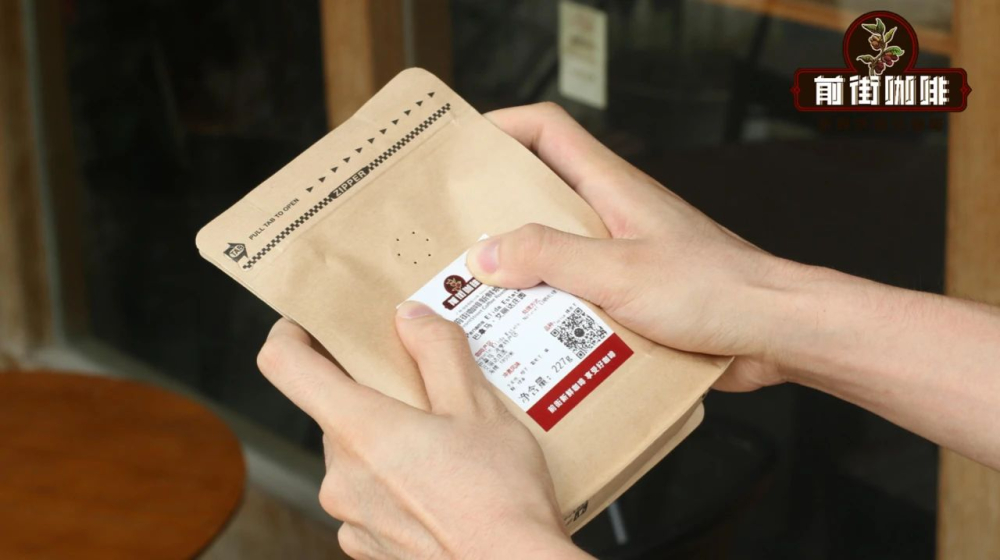
No matter whether you ultimately choose single-origin or blended, when buying you should look for professional roasters that clearly mark the roast date (rather than the expiration date or shelf life), have a good brand reputation, and focus on freshness. Front Street Coffee always puts the freshness of coffee beans first. The beans are all roasted within 5 days, support 24-hour shipping, and strive to maintain freshness in every way. In addition, good-quality coffee packaging bags generally come with a "one-way exhaust valve," which is the small button-like hole on the upper part of the bag, used to let the carbon dioxide naturally released by the coffee beans escape.
Bring the one-way exhaust valve close to your nose, gently squeeze the coffee bag, and smell the gas released. If a rich and alluring coffee aroma wafts out, it means the freshness is fine; if the aroma is faint, or even carries a rancid oil smell, then this bag of beans has long deteriorated and lost its flavor, and is not recommended for purchase. The reason for repeatedly emphasizing freshly roasted coffee is that over time, once coffee beans are more than 50 days past roasting, the aroma is almost completely gone, and using them to make espresso leaves no flavor at all.
Unlike other extraction methods, espresso grounds have to withstand the high-temperature and pressurized environment of the coffee machine, so it is best not to choose beans roasted below medium. This type of bean has a short heating time, thin oils, and is also prone to sputtering, resulting in under-extraction, and the espresso will taste harsh.
Espresso machines also have another characteristic: they magnify the most prominent flavors of the coffee beans exponentially. If the beans themselves are on the bitter side, the Espresso made will be absurdly bitter; if they are on the sour side, it will be sharply acidic. If you want stable flavor, you have to rely on blending to balance the various tastes. At the same time, if you want the espresso to have abundant crema and a mellow mouthfeel, it is best to choose medium-dark roast or dark roast coffee beans, as this is more conducive to extraction, and it will taste better whether you add water to make americano or add milk to make latte.
Beginner's premium choice: Front Street Classic Espresso Blend
Recommended reason: Rich crema, strong caramel aroma, with flavors of dark chocolate, butter, and hazelnut, and a mellow mouthfeel. Front Street Classic Espresso Blend has a long-lasting aftertaste when made as americano, and is sweet, fragrant, and silky when made as latte.
The king of value: Front Street Basic Espresso Blend
Recommended reason: Prominent chocolate and nut flavors, with soft fruity acidity and moderate crema. The biggest advantage of Front Street Basic Espresso Blend is stable extraction and an affordable price, making it most suitable as a daily household staple.
Wreathed in floral and fruity aromas: Front Street Strawberry Candy Espresso Blend
Recommended reason: Flavors of rose, red grape, sweet orange, and fruit hard candy. Front Street Strawberry Candy Espresso Blend has an obvious juicy feel when made as americano, and is as sweet and fragrant as strawberry milk when made into a latte.
The above content is compiled by CoffeeHunters, a coffee news website.


