







How Do You Judge Coffee Bean Freshness Before Buying?
Coffee bean freshness comes down to four checks: look for a clear roast date rather than an expiration date, confirm the bag has a one-way degassing valve, smell the aroma, and rest freshly roasted beans for two to three days before brewing. Beans roasted more than 50 days earlier have largely lost their aroma, so the peak flavor window matters more than price.
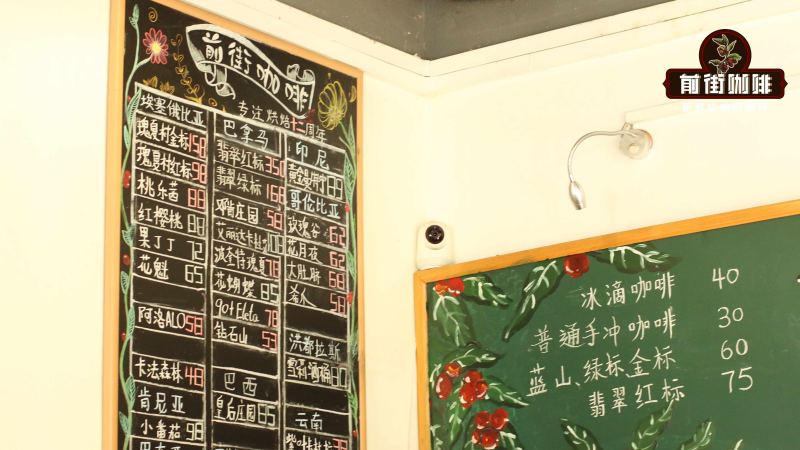
Front Street Coffee ships within five days of roasting and packages every bag with a one-way degassing valve that lets carbon dioxide escape. Beans sold by acidity, bitterness, and sweetness include Yirgacheffe, Tarrazú, and Golden Mandheling coffee, while beginners are advised to start with cost-effective everyday beans and build up an understanding of regional flavors over time.
Faced with a dazzling array of coffee beans, how do you judge whether they are fresh, and how do you choose the one that suits your taste? Front Street Coffee starts with four basic steps, teaching you to check the roast date and one-way degassing valve packaging, quickly identify freshness by smelling the aroma, and reminding you that freshly roasted beans need to rest for two to three days before brewing. The article also recommends a number of Front Street beans categorized by acidity, bitterness, and sweetness, covering Yirgacheffe, Tarrazú, Golden Mandheling, and more, while suggesting that beginners prioritize cost-effective everyday beans to gradually build up their understanding of regional flavors.
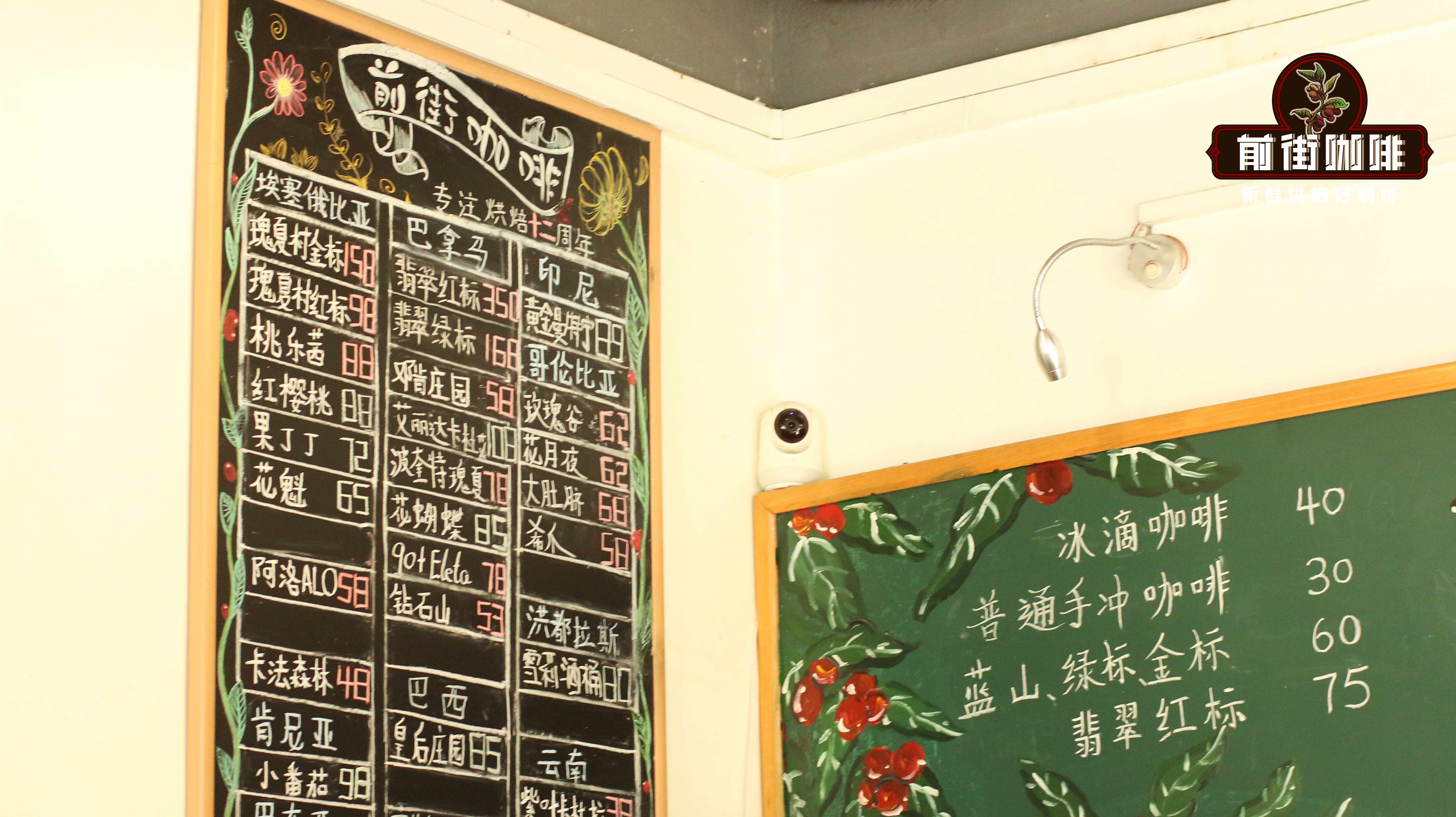
Friends often say in the comments that they don't know where to start when faced with coffee beans on the shelf, and they're not sure whether the beans they bought are still fresh. Today Front Street Coffee will talk about choosing coffee beans. Master the following four basic steps, and in the future you won't easily fall into traps when buying coffee, nor will you buy beans that don't suit you or have been sitting too long.
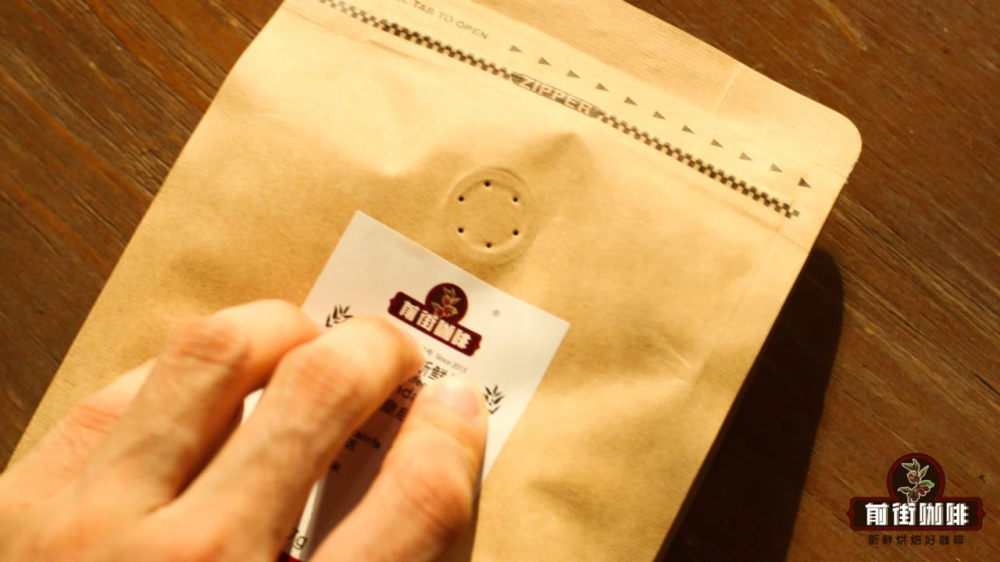
Before choosing any coffee bean, Front Street will first teach you how to judge how fresh the beans are. First, check whether the product clearly states a roast date—note that this is not an expiration date or shelf life—and try to choose reputable professional roasters that focus on fresh roasting. In addition, good-quality coffee packaging bags generally have a "one-way degassing valve," which is the button-like hole at the top of the bag. Its purpose is to let the carbon dioxide naturally released by the coffee beans escape.
Every bag of coffee beans sold by Front Street uses packaging with a one-way degassing valve, and we guarantee shipment within 5 days after roasting, so that when customers receive it, the beans are still in their freshest state. Front Street repeatedly emphasizes fresh roasting because once coffee beans have been roasted for more than 50 days, the aroma has basically dissipated completely. Even if the beans are expensive, the brewed cup won't taste good, so we recommend drinking them within the peak flavor period.
Of course, coffee beans are not better the fresher they are. In the first two days after roasting, the gases inside the beans are too active and the aroma is not yet stable, so it's best to let them rest for 2~3 days before brewing and tasting.
If you've already bought the beans and want to quickly judge whether they are fresh, you can try Front Street's method: after opening the package, bring the coffee beans or ground coffee close and take a deep sniff. If the aroma is rich and pleasant, the beans are fresh enough; if the aroma is very weak, they may have been sitting for a while and should be used up as soon as possible; if there is not only no aroma but even a greasy smell starting to appear, that means this bag of beans is no longer fresh. It should be noted that the greasy smell mentioned here refers to the odor, not the appearance. Coffee grounds that have been left too long smell more like the smoky feeling of a kitchen.
NO.2 Choose coffee that suits your taste
Acidity and bitterness are the two main flavor directions in coffee today. Brewed coffee is either dominated by acidity or by bitterness, and these two tastes correspond respectively to light-roasted and dark-roasted coffee beans.
If you prefer coffee with fruity acidity, we recommend light-roasted Front Street Red Cherry Coffee (lemon, citrus), Front Street Tarrazú Coffee (sweet orange, honey), and Front Street Kenya Coffee (cherry tomato, smoked plum, plum);
If you like a rich, sweet-bitter taste, you can try dark-roasted Front Street Golden Mandheling Coffee (caramel, spices), Front Street Queen's Estate Coffee (cocoa, chocolate), and Front Street Yunnan Small-Bean Coffee (nuts, brown sugar);
If you want coffee that is neither bitter nor sour, we suggest choosing beans with prominent sweetness such as Front Street Strawberry Candy Coffee (rose, grape) and Front Street Mozart Coffee (pineapple, raisin).
NO.3 Prioritize cost-effective coffee
Front Street believes that beginners are still at the introductory stage. Apart from the grinder, which is worth investing a bit more budget in, other equipment can actually make do for now. First use a low-spec setup to try different types of coffee beans, then slowly improve your brewing technique and tasting ability.
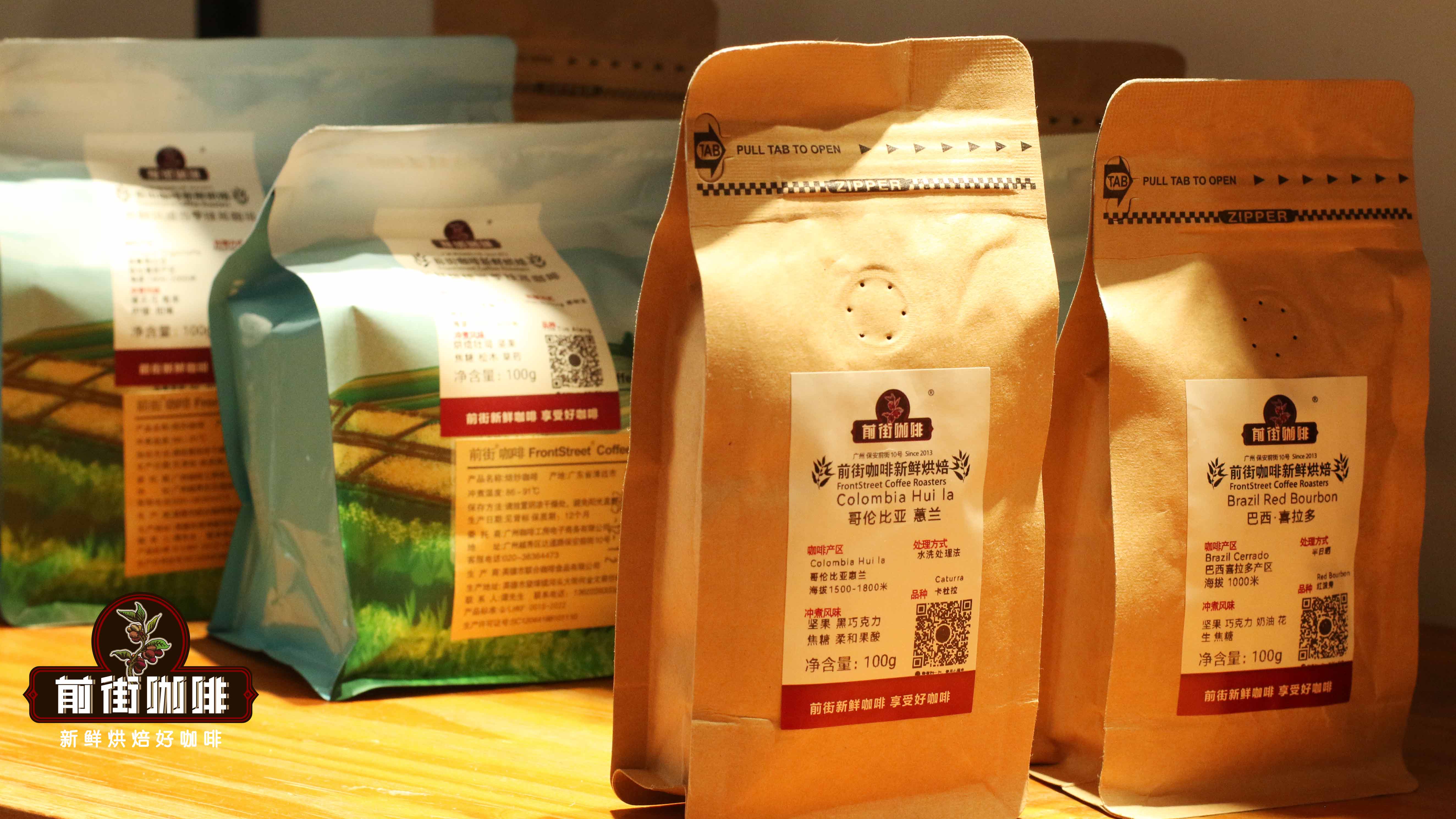
Coffee beans used for pour-over are usually single-origin coffee, from a single region, and generally no more than half a pound in specification. Differences in region, variety, processing method, grade, and roast level all influence the final taste of the coffee. From experience, at the introductory stage it's best to first choose beginner-friendly everyday beans according to your own taste preferences. First, this quickly builds up your understanding of regional flavors; second, even if you practice a few more times, it won't hurt too much. Taking Front Street's everyday beans as an example, if you can accept acidity, you can start with Front Street Ethiopia Yirgacheffe;
If you like a soft sweet-and-sour feel, you can choose Front Street Costa Rica Tarrazú or Front Street Rwanda Red Bourbon; if you want lower acidity, you might try Yunnan Small-Bean; if you want no acidity and nutty, chocolatey aromas, you can choose Front Street Brazil Cerrado or Front Street Colombia Huila; if you're afraid of acidity and prefer a mellow mouthfeel, then choose Front Street Indonesia Mandheling... Once you've found a origin you like, you can continue exploring deeper into more specific regions, estates, and varieties.
The above content is compiled by CoffeeHunters, a coffee news website.


