







Search Results for: not washable
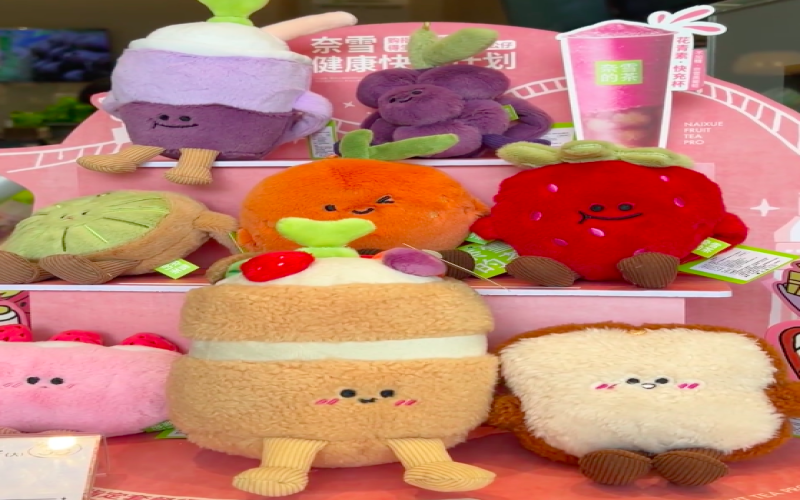
Nayuki's ninth-anniversary limited-edition figurine falls apart on contact with water, with hot-melt adhesive assembly becoming the focus of quality concerns.
Nayuki launched limited-edition plush dolls for its ninth-anniversary birthday season, attracting a large number of fans to snap them up. However, after a consumer put a newly bought grape plush into the washing machine to clean it, the doll fell apart completely, turning from a whole bunch into scattered individual "grapes." This was not an isolated case; several other users also reported that parts fell off the plush after washing and drying. The reason is that these dolls are bonded with hot-melt adhesive rather than sewn, and the label clearly states they must not be washed in water. In addition, some consumers received "hidden edition" dolls with missing or incorrect facial expressions, sparking widespread dissatisfaction with the quality control of the merchandise. [more…]
The Complete Process of Making Fancy Coffee: From Grinding and Brewing to Milk Steaming and Latte Art Techniques
Fancy coffee is a leisure drink beloved by many, but its preparation process is not complicated. This article breaks down, step by step, the practical methods for making fancy coffee at home—from grinding coffee beans, brewing coffee, frothing milk, to pouring latte art and blending—and reminds you of easily overlooked details such as grinding temperature and the best time to drink it. It also recommends Front Street Blue Mountain coffee, which is suitable for making fancy coffee, as well as practical equipment such as hand-cranked coffee grinders, electric coffee grinders, French presses, siphon pots, milk frothing pitchers, and coffee cups, helping coffee lovers easily enjoy the pleasure of homemade fancy coffee. [more…]
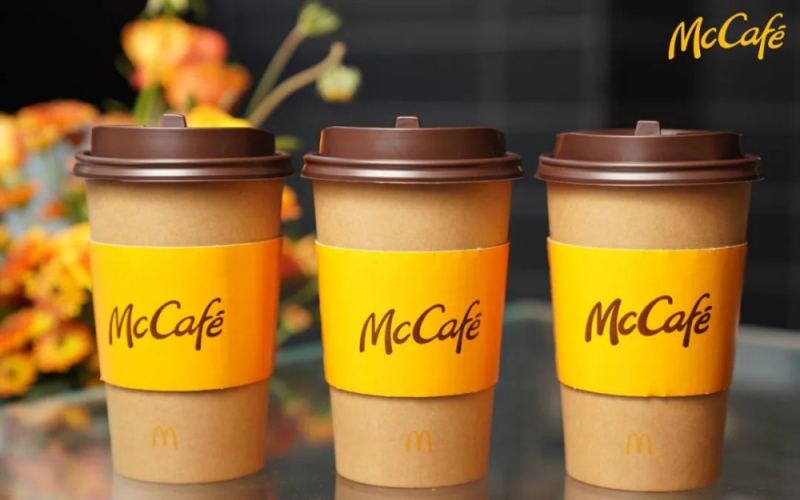
McDonald's McCafé operating procedures under scrutiny: grounds not weighed, portafilter baskets not cleaned, quality control standards spark debate
Since McDonald's coffee brand McCafé announced increased investment in the Chinese market, its number of stores has surpassed 3,200. Its "store-within-a-store" model is equipped with semi-automatic espresso machines and dedicated baristas, focusing on a specialty coffee approach. However, recently a netizen posted pointing out that baristas at some McCafé locations operate in a highly non-standard manner: dosing the portafilter in advance, not weighing the dose, not tamping, not cleaning the steam wand, and repeatedly extracting with wet spent grounds left in the basket. Although the prices are not low, the quality of the output has raised consumer doubts. At the same time, some netizens claiming to be McCafé baristas responded that the brand has unified standards, and isolated incidents should not represent the whole. This controversy reflects the quality control and training challenges McCafé faces amid rapid expansion, and is worth the attention of coffee enthusiasts. [more…]

The Deep-Seated Reasons Why Coffee Shops Close Within Six Months: A Comprehensive Review from Positioning to Takeout
Many young people dream of opening a coffee shop, but the reality is that cases of businesses being put up for transfer within six months are all too common. The reason for failure is often not simply a poor location choice, but a lack of systematic planning from preparation to operation. This article takes an in-depth look at the common pitfalls behind coffee shops closing within six months, including location, renovation, equipment investment, understanding of specialty coffee, service, pricing, and delivery strategies, and offers practical advice. Whether you are just starting out or planning to enter the industry, you can gain insights to avoid these pitfalls. [more…]
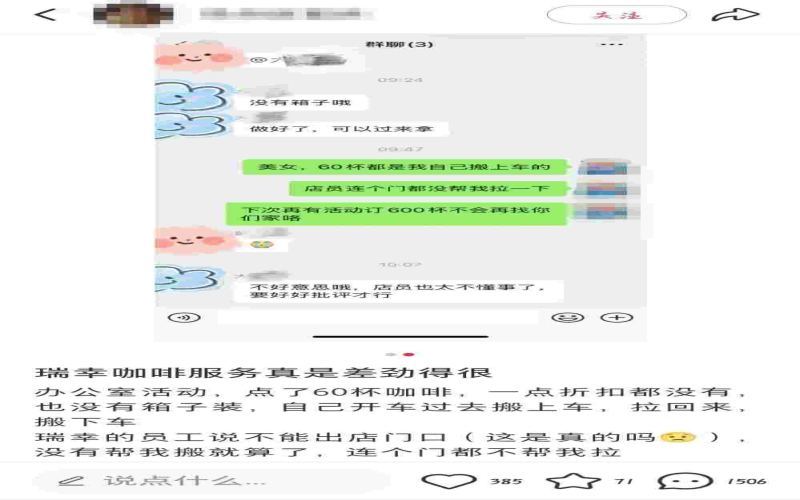
Luckin's 60-cup group buy had no discount and no help with carrying, so why did netizens actually support the staff?
A post about a Luckin Coffee service experience recently sparked discussion on social media. The poster said that while organizing an office event, they ordered 60 drinks from a local Luckin store. When picking up the order, they found the coffee had not been packed into boxes and had to carry it to the car bag by bag, while the staff did not offer help on the grounds that they could not leave the store entrance. The customer also complained that the entire order had no discount and said that even if they ordered 600 cups next time, they would not choose this store again. However, most netizens sided with the staff, arguing that chain coffee stores do not normally offer group-meal discounts, and that Luckin has strict requirements for food safety and operating procedures, making it difficult for employees to leave their posts to help with carrying during peak hours. [more…]
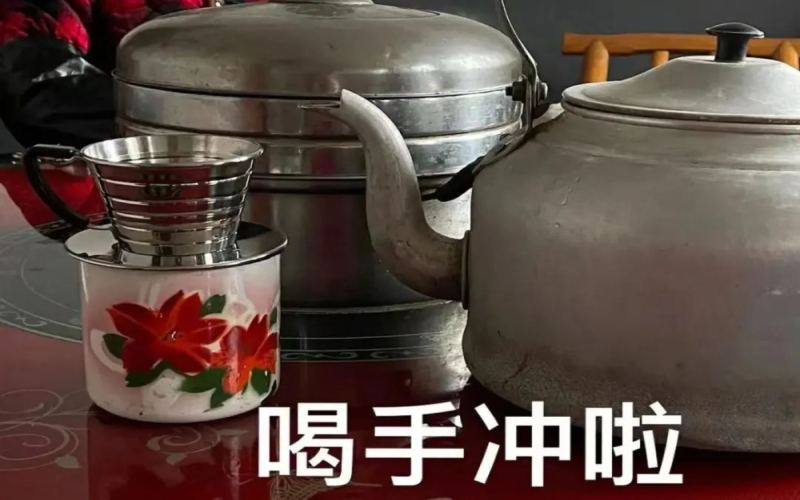
Analysis of the Role Positioning and Professional Competence Requirements of Baristas in the Dissemination of Coffee Culture
A barista is not just a maker of drinks, but a transmitter of coffee culture. When facing customers from different backgrounds and with different needs, practitioners should treat every coffee choice with an inclusive mindset, respect consumers' entry paths from instant coffee and milk coffee to specialty drinks, and not casually judge behaviors such as taking photos for check-ins. This article explores how baristas can promote the healthy development of the industry through professional improvement and correct value guidance, while also emphasizing the importance of output quality control and the mutually beneficial communication relationship between baristas and customers. [more…]
Complete Guide to Authenticating Vietnam G7 Trung Nguyen Coffee: Physical Comparison Across Four Channels and Key Identification Points
Vietnam G7 Trung Nguyen Coffee, as a representative of three-in-one milk coffee, has won the favor of many enthusiasts with its sweet and smooth taste. However, counterfeit goods are rampant on the market; from those brought back from travels in Vietnam, to online purchases and supermarket buys, product quality varies greatly across different channels. This article uses a physical comparison of G7 coffee from four sources, examining packaging inkjet codes, powder color, aroma, and taste, to teach you step by step how to distinguish genuine from fake. The article also mentions related product information from Front Street Coffee, providing a useful reference for coffee lovers. [more…]

What Exactly Is Flow Cut-off in Pour-Over Coffee? An In-Depth Look at Why It's Not Recommended to Cut the Flow Casually
In the world of pour-over coffee, the technique of "flow cutoff" is regarded by many beginners as a clever trick to avoid over-extraction—by simply removing the dripper early during the extraction, it seems you can shut bitterness out. However, Front Street Coffee has found that this seemingly smart approach actually hides a misconception: flow cutoff cannot truly stop the release of bitter compounds, and it may instead strip away the coffee's rich layers and lingering aftertaste. So how exactly is bitterness dissolved? Why can't flow cutoff stop bitterness? In what scenarios is using flow cutoff correct and necessary? This article, drawing on Front Street Coffee's brewing experience, will answer these questions one by one, helping you make a clearer brewing decision between the coffee-to-water ratio and the coffee-to-beverage ratio. [more…]

What exactly are the standards for specialty coffee? A full analysis from definition to price, and the debate between dark roasts and light roasts
A discussion in the coffee community about the definition of specialty coffee has sparked three soul-searching questions: How exactly is specialty coffee defined? Must drinks made from specialty beans be sold at high prices? Can specialty beans not be dark-roasted? Some people value single-origin traceability and SCA scores, some care about roasting freshness and flavor complexity, and others firmly believe that price equals justice. But the essence of specialty coffee is not "refined and expensive," but a continuous quality improvement from cultivation, processing, roasting, and brewing to service. Dark roasting is not a cover-up for defects, and light roasting is not a guarantee of specialty quality. If good beans lack reasonable brewing and professional service, they are equally disqualified from being specialty coffee. [more…]

Why are Starbucks delivery drinks often not filled to the top? The company advises drinking them as soon as possible, while consumers are calling for greater consistency in product quality.
Recently, there have been many complaints on social media about Starbucks delivery drinks not being filled to the top, involving the Mousse Espresso series, drinks with cream on top, and some hot beverages. Images shared by netizens show that upon delivery, the liquid level is noticeably lower than in-store offerings. A customer used a buy-one-get-one coupon to purchase two Rum Mousse Espresso Lattes, and one of them was not full. Customer service only compensated with a 10-yuan delivery coupon. Starbucks officially explains that the top of the Cloud Macchiato series is made by whipping light cream with milk, while the Mousse Espresso series involves whipping espresso into a mousse texture. For these drinks, the milk foam or coffee foam dissipates over time, and the ordering interface also reminds customers to drink them promptly. Consumers hope the official will pay attention to the consistency between delivery and in-store offerings, or consider not listing such drinks on delivery platforms. Front Street Coffee continues to monitor coffee industry trends and brings you professional insights. [more…]
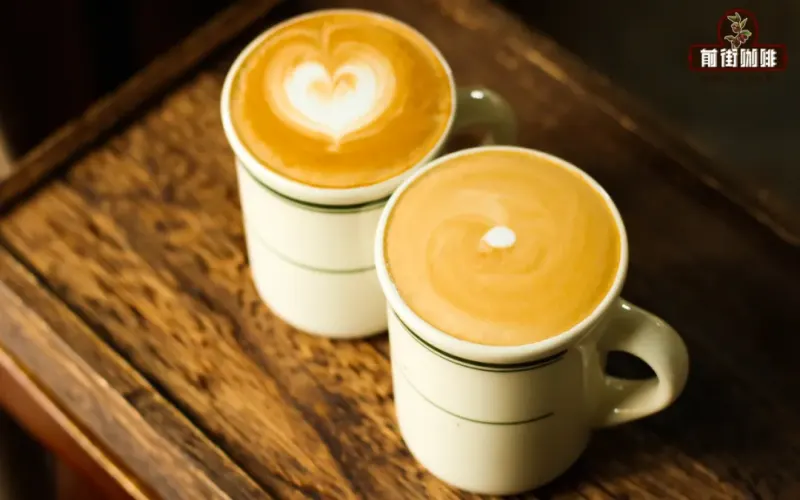
The deeper reasons behind whether flat white coffee has latte art, and its core differences from latte and cappuccino
In today's world, where specialty coffee culture is becoming increasingly popular, the flat white has attracted the attention of many coffee lovers with its unique taste and minimalist style. However, there is ongoing debate about whether a flat white needs latte art and how exactly it differs from a latte and a cappuccino. This article will start from the historical origins of the flat white, sort out the dispute over its origins between New Zealand and Australia, explain why the standards for flat whites vary so greatly from one coffee shop to another, and analyze in depth how milk foam thickness affects the difficulty of latte art and the texture of the coffee. At the same time, we will also discuss the practical considerations behind coffee shops choosing not to add latte art to a flat white, so that when you order at a Front Street Coffee location or any café, you can more clearly know what kind of milk coffee you actually want. [more…]
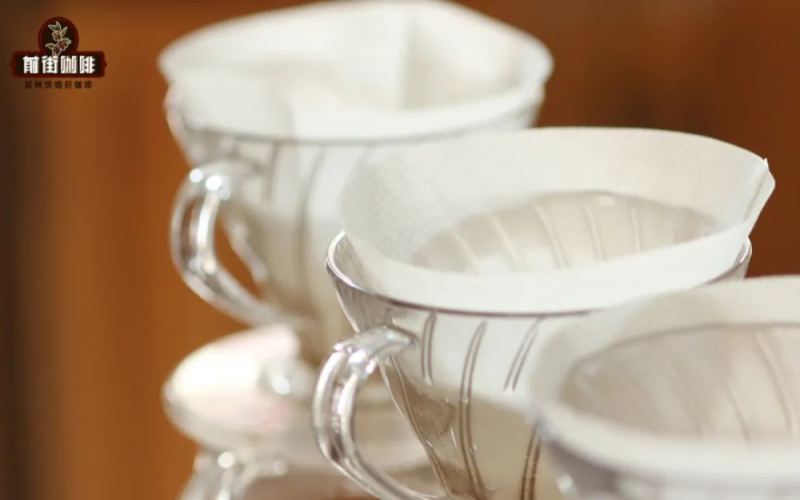
How does a poor fit between the filter paper and the dripper affect the flavor of pour-over coffee? Testing four scenarios and analyzing the causes
When brewing pour-over coffee, many people habitually rinse the paper filter with water first, aiming to make the filter cling tightly to the dripper. But does whether the filter clings or not really sway the taste of a cup of coffee? Front Street used a V60 and Yirgacheffe Red Cherry to run a set of comparison experiments, dividing filter states into four types: fully clinging, folded edge sticking up, placed crookedly, and not clinging at all, and recorded extraction time and flavor differences for each. The results showed that although the degree of clinging does not change the overall direction, it does leave traces on sweetness, acidity, mouthfeel, and astringency. Below, we break down the reasons one by one in the context of the brewing process. [more…]
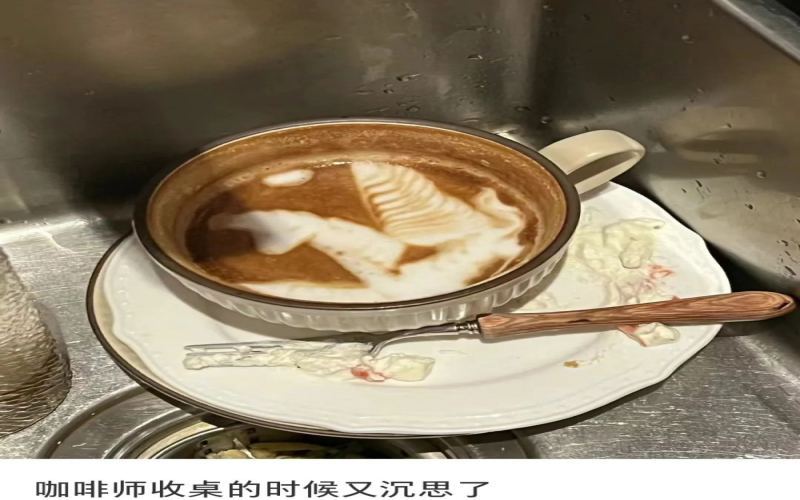
When a barista sees more than half a cup of coffee left, should they really doubt their own barista skills?
When a customer leaves, the barista's greatest hope while clearing the table is to see an empty cup—it's the best affirmation of their work. However, if the latte art on a hot latte is still intact and most of the cup remains, many baristas will instantly fall into self-doubt. Why didn't the customer finish it? Is the coffee not good, or was the espresso not dialed in properly? This article explores the various possibilities behind a leftover cup of coffee from the perspectives of customers, fellow baristas, and netizens, and cites the views of Front Street Coffee, reminding baristas to view individual cases rationally and not to overthink. [more…]
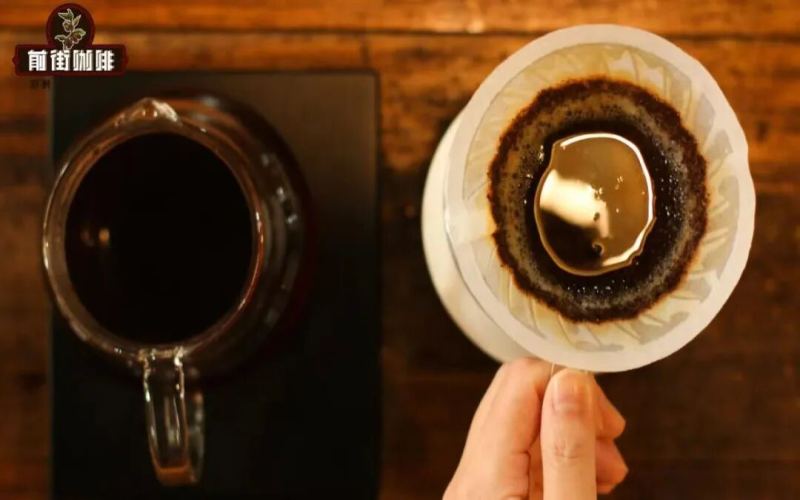
Pour-over coffee tutorial | What common pitfalls do coffee beginners easily fall into when self-learning pour-over coffee? How can coffee novices avoid mistakes in pour-over coffee brewing?
With its extremely high fault tolerance and outstanding flavor performance, pour-over coffee has become one of the top extraction methods after the rise of specialty coffee. At the same time, because it is simple to operate and has a low barrier to entry, many friends have bought their own pour-over equipment and started teaching themselves how to make pour-over coffee at home. Logically speaking, self-learning pour-over coffee [more…]

Is It Normal That You Can't Taste the Notes on the Coffee Flavor Wheel? Is Localization Necessary? Explained in One Article
Many people who are just getting into specialty coffee are often baffled by the flavors described on packaging or by baristas, and may even wonder whether they are simply not suited to drinking single-origin coffee. In fact, it is not at all unusual to be unable to taste specific flavors—the purpose of the SCA Flavor Wheel is to provide a reference range, not to require you to identify each item one by one. This article discusses the origins of the flavor wheel, the 2016 revised edition, localization attempts in Taiwan and Indonesia, and whether China needs its own local flavor wheel, helping coffee lovers set aside their anxiety and return to the simple pleasure of drinking coffee. [more…]
Avoiding Common Misconceptions for Pour-Over Coffee Beginners: Correct Understanding of Water Temperature, Pouring Technique, Blooming Dome, and Bitterness Release
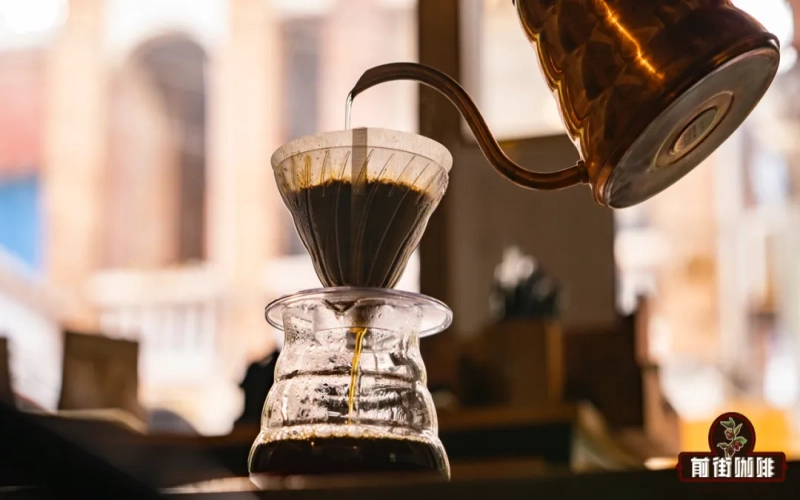
Self-learning pour-over coffee may seem to have a low barrier to entry, and tutorials and shared tips are everywhere online, but the scattered, unsystematic nature of this information can easily lead beginners into various misconceptions and operational pitfalls. This article compiles the frequently asked questions Front Street Coffee has recently received, covering common myths one by one: understanding extraction parameters, the habit of washing the coffee bed wall while pouring, the pros and cons of pouring from a high position, whether a lack of blooming means the beans are not fresh, and whether bitterness is only released in the final phase. Whether you are just starting out with pour-over or have been brewing for a while but still find the flavor falls short of expectations, you can use this to check yourself, avoid these easily stumbled-into traps, and make your extraction more stable and your coffee taste better. [more…]
Heytea's "Remake If Not Satisfied" Promise Questioned: Multiple Customers Report Being Refused Remakes Over Sweetness Issues
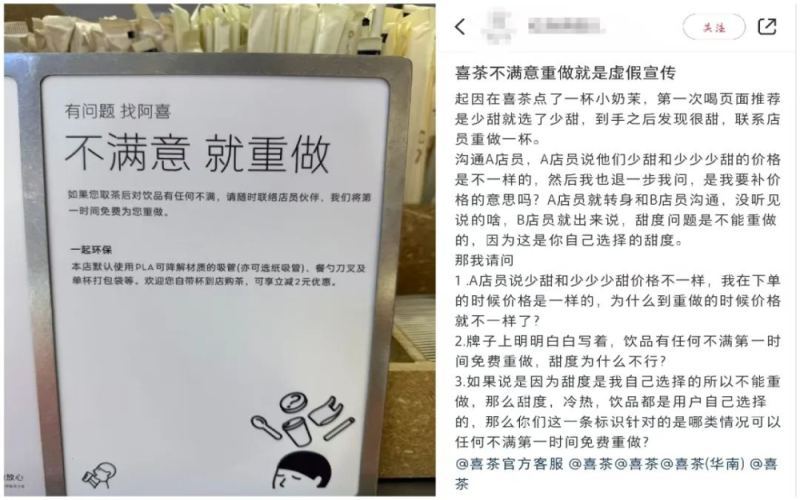
Heytea's publicly posted "remake if unsatisfied" service commitment has recently sparked a string of consumer doubts. Some customers report being refused by staff when asking for a remake because a drink was sweeter than expected, with customer service responding that drinks must be "made to the original standard." Similar cases have also occurred in Shandong. Some long-time customers point out that there are differences in how the standard is applied between directly operated stores and franchise stores. Consumers generally believe that if a brand makes a public commitment, it should not attach hidden conditions. This article reviews the course of events and the views of all parties, and compares the practices of peers such as Starbucks and Chagee to explore how "remake if unsatisfied" should actually be implemented. [more…]

Want to open a coffee shop but don't know where to start? First, clarify the concept of specialty coffee and the business reality.
Many people, because they enjoy drinking coffee, develop the idea of opening a coffee shop. However, loving to taste coffee and running a coffee shop are two completely different things. Starting from a question raised by a netizen, this article sorts out the common misconceptions involved: specialty coffee is not equivalent to pour-over or single-origin coffee, and opening a shop requires not only stable brewing skills but also a systematic understanding of roasting, quality control, and operations. The article also discusses cost issues such as hiring staff, franchising, and online sales, and offers pragmatic advice—first study coffee thoroughly, then assess whether your own circumstances are suitable for entering the business. [more…]
The proper way to approach coffee tasting: breaking it down item by item from aroma, acidity, and sweetness to body, finish, and off-flavors
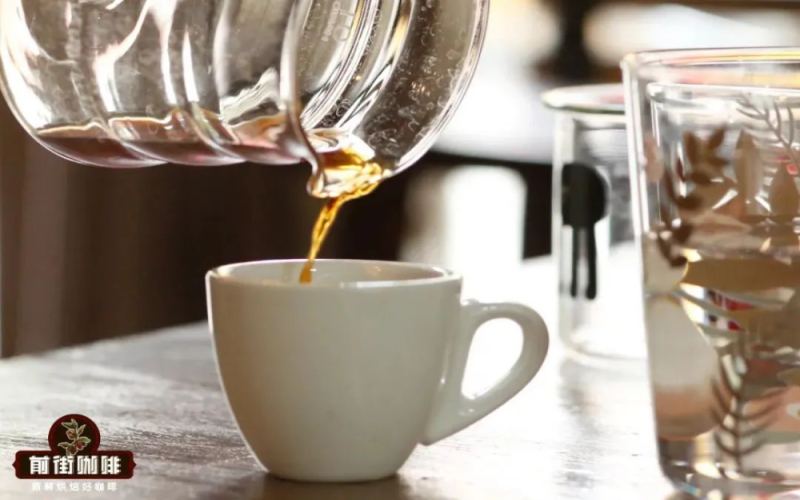
Many people think that coffee tasting is about being able to name a few flavors, but that is not actually the case. The essence of tasting lies in tasting and discerning, and it is fundamentally different from casually drinking a cup in daily life. We rarely "taste" instant coffee, not merely because of differences in quality, but because the two kinds of coffee are drunk for different purposes: instant coffee is mainly about convenience and alertness, while single-origin coffee is meant to present a richer taste experience. Even so, tasting does not require you to be able to recite a string of flavor descriptors. Front Street Coffee believes that the most important thing is to be able to tell whether a cup of coffee is good or not, what is good about it, or if it is not good, in what way it is not good. This article will take you step by step through a practical method for coffee tasting from six dimensions: aroma, acidity, sweetness, mouthfeel, aftertaste, and off-flavors. [more…]
Mixue Ice Cream & Tea was complained about its lemonade containing seeds; after market regulators visited and investigated, they responded: it does not involve food safety.
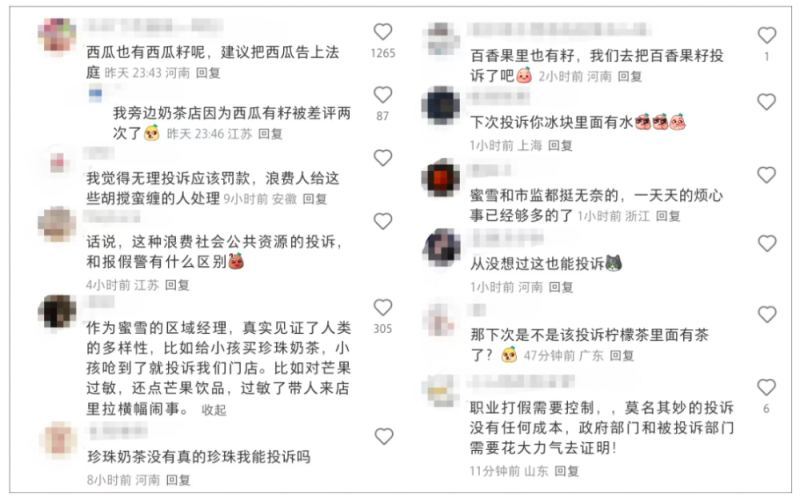
A single lemon seed in a cup of iced fresh lemonade actually prompted a market regulation inspection? Recently, a netizen in Hefei, Anhui, captured footage of a Mixue Ice Cream & Tea store being inspected by market regulation staff, triggered by a consumer complaint that the drink tasted bitter and had lemon seeds left in the cup. The incident sparked widespread discussion online, with some finding the complaint absurd and others believing a consumer would not make such a fuss over a mere lemon seed. The Mixue store responded that freshly cut lemon slices containing seeds is normal and that their presence in the drink was not due to employee misconduct. Market regulation staff confirmed they had inspected the store and made clear that the lemon seed issue does not involve food safety. This seemingly trivial customer complaint reflects the various bizarre complaints the tea beverage industry faces daily and has also sparked discussion about standardized procedures for freshly cut fruit drinks. [more…]