







Search Results for: moldy humid weather
Sumatra Wet-Hulling Revealed: Where Does Aged Mandheling's Unique Flavor Come From?
Sumatra Mandheling coffee from Indonesia has always been loved as the darkest-roasted bean on Front Street Coffee's menu, with a full body and low acidity. Behind its unique musty aroma, herbal notes, and aged-wood character, what secret is actually hidden? The answer is inseparable from the local hot, rainy environment and the distinctive wet-hulling process. This article will start from the growing conditions of Front Street Mandheling, analyze each stage of the wet-hulling process, explain the relationship between peaberry beans, defect rates, and a sense of place, and further introduce the aging process and time requirements of Aged Mandheling, giving you a complete understanding of this highly recognizable coffee. [more…]
An Ethiopian Treasure Interweaving Fruit and Floral Notes: A Complete Analysis of the Flavor, Mouthfeel, and Aroma of Yirgacheffe Worka Coffee
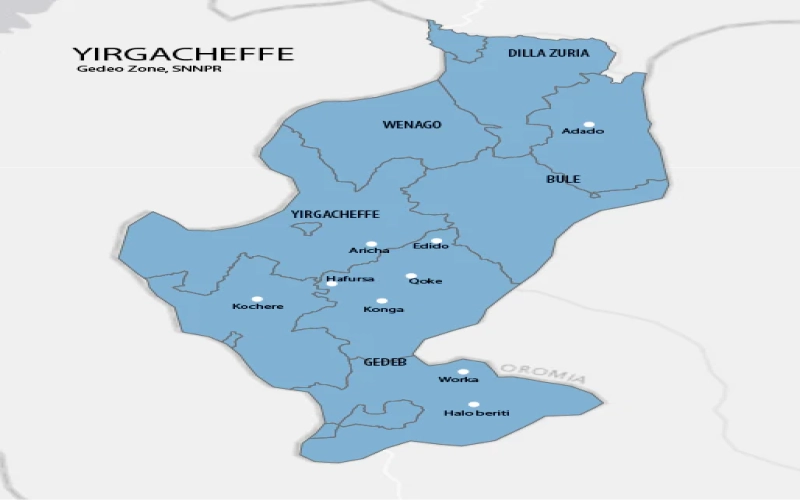
Yirgacheffe Worka, a highland nearly two thousand meters above sea level, gives rise to one of the world's most renowned specialty coffees. From the classic jasmine aroma and citrus sweetness to the stunning natural-process lots of recent years, Worka coffee has won over countless palates with its sweet, delightful character. This article takes you deep into the terroir of Front Street Yirgacheffe Worka, the evolution of its processing methods, and the diverse charms it reveals under different brewing methods such as pour-over, French press, and cold brew—whether it's a silky, full-bodied mouthfeel or a fragrance experience like a hundred flowers in full bloom, all will be presented one by one. [more…]
Analysis of Mandheling Wet-Hulled Flavor: Processing Flow, Differences from Wet-Processing, and Indonesian Coffee Grading
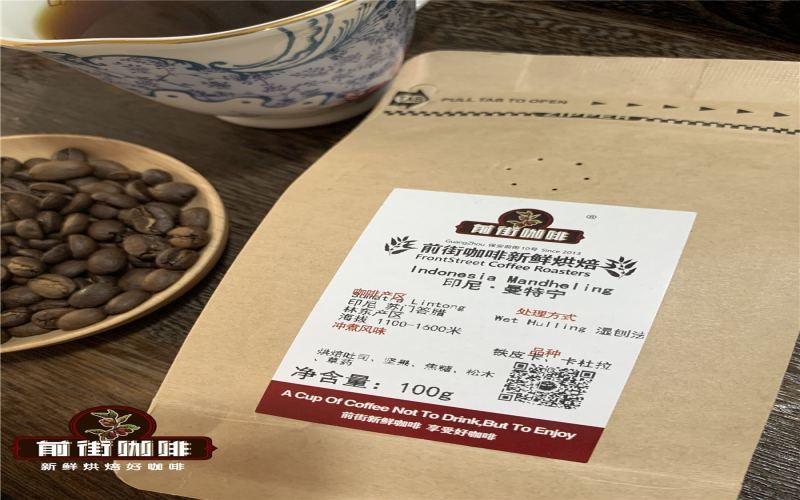
Mandheling coffee is well known for its herbal aroma, full body, and smoky notes, and the root of this distinctive flavor lies in the wet-hulling method used locally in Indonesia. What exactly makes wet-hulling so special? How does it differ from the conventional washed process? Why did Indonesia develop this processing method? This article will walk through the complete wet-hulling process, analyze the causes of Mandheling's signature flavor, and explain the grading system for Indonesian green coffee beans. At the same time, it retains information on two Mandheling products regularly sold by Front Street Coffee, including a daily-drinker bean from the Lintong region and PWN Golden Mandheling from the Aceh region, for coffee lovers' reference. [more…]

A Complete Analysis of Indonesian Aged Mandheling Wet-Hulled Method: From Accidental Aging to Golden Mandheling, A Front Street Coffee Brewing Guide
In the world of specialty coffee, freshness is usually regarded as the key to quality, yet Indonesia's aged Mandheling has won the favor of coffee lovers with a completely different stance. This coffee bean, known for its "expired" name, holds behind it a story of colonial-era shipping and a unique aging process. This article will explore in depth the origins of aged Mandheling, the characteristics of the wet-hulling process, and how it differs from Golden Mandheling, and, using Front Street Coffee's Golden Mandheling as an example, share how to brew a rich, full-bodied Mandheling black coffee at home. Whether you are a beginner just getting to know Mandheling or a seasoned connoisseur seeking advanced techniques, you will gain practical knowledge and inspiration from it. [more…]
An In-Depth Look at Indonesia's Wet-Hulling Method: From Process Principles to Peaberry Beans, Unlocking the Semi-Washed Secret Behind Mandheling Flavor
The rich, deep, low-toned flavor of Mandheling comes not only from the genetic contribution of Robusta beans, but also from a unique post-harvest processing technique local to Indonesia—wet hulling. How exactly does this process, jokingly called "semi-washed," remove the parchment layer early, before the green coffee beans are fully dried? Why did Indonesian producing regions invent this processing method to suit local conditions? What details are hidden in each step of the entire process, from flotation, fermentation, drying, hulling, to final drying? Are the "sheep's hoof beans" produced by wet hulling truly the creators of Mandheling's flavor? In this article, Front Street will guide you through the operational logic of wet hulling, clarify common misunderstandings, and restore the true face of this processing method. [more…]
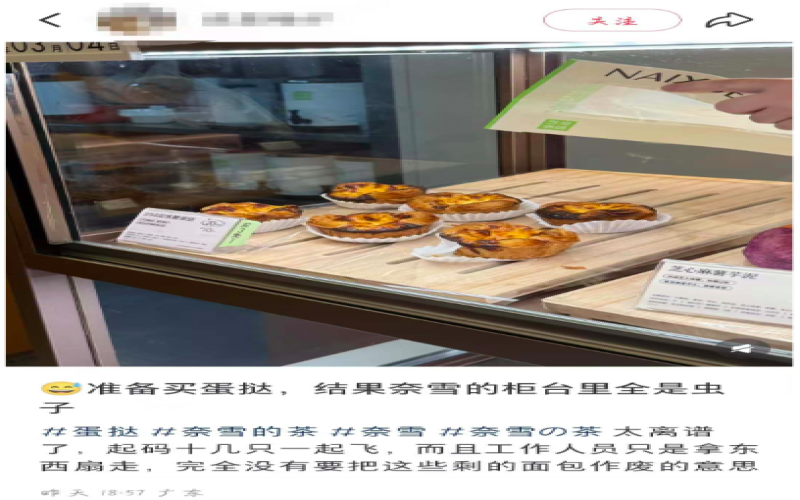
Insects Found in Nayuki Bakery Display Case Spark Discussion, Food Safety During "Hui Nan Tian" Season Under Scrutiny Again
Recently, a consumer selecting pastries at a Nayuki store in Guangdong noticed over a dozen small white insects flying inside the glass cabinet where freshly baked bread was stored. Although the staff used packing bags to shoo the insects away, they did not discard the potentially contaminated bread, prompting the customer to immediately abandon the purchase. The post quickly sparked discussions among netizens, with some expressing understanding due to Guangdong's humid "hui nan tian" climate, while others pointed out that insects appearing in Nayuki's baking cabinets are not an isolated incident, and the brand should strengthen protective and disinfection measures. Food safety is no trivial matter; after Nayuki's return to the baking sector, it is even more crucial to heed consumer feedback and ensure the quality and hygiene of freshly made products. [more…]
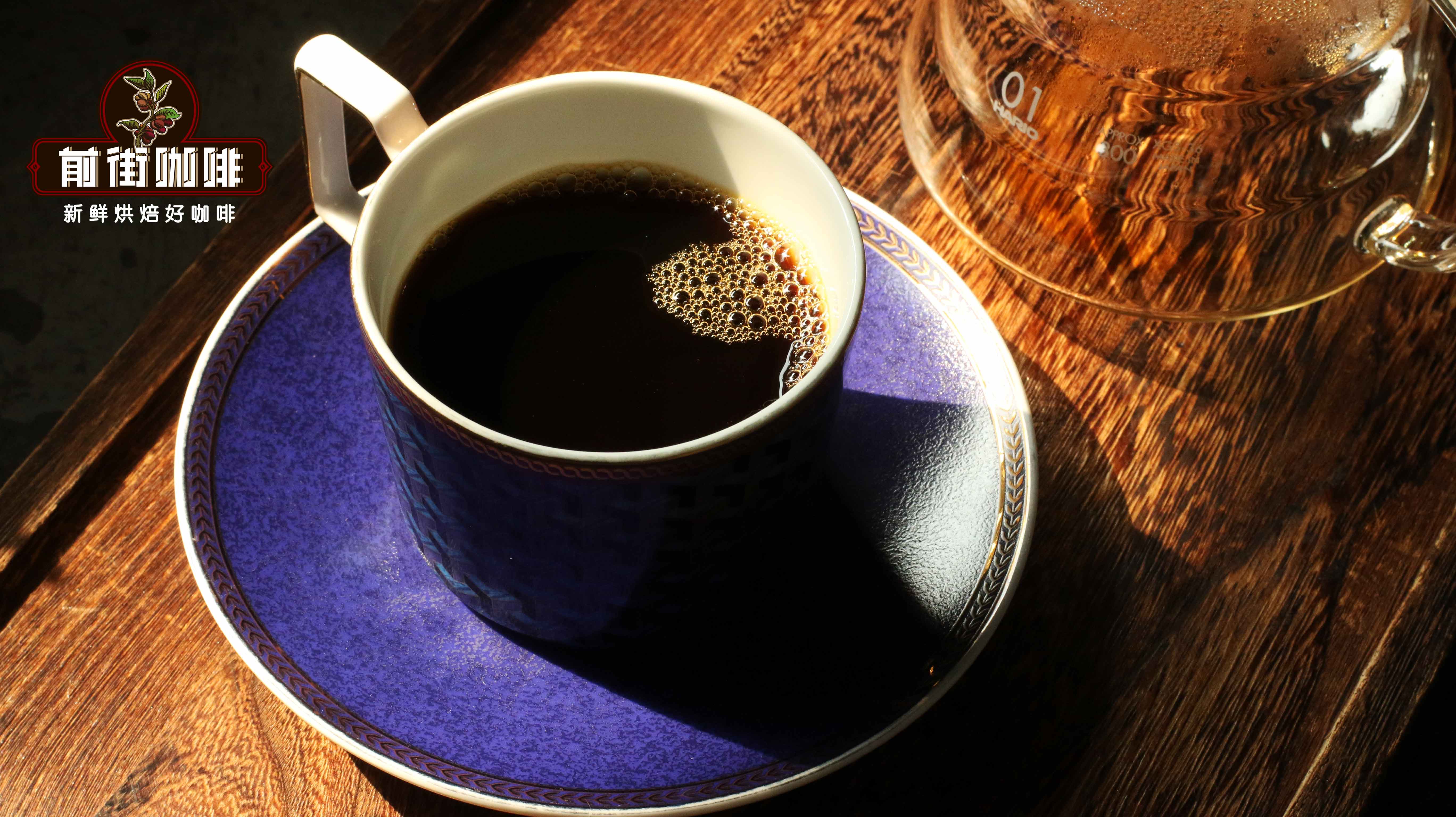
Indonesian Sumatra Golden Mandheling Pour-Over Single Origin: Dark Roast Flavor, PWN Authenticity Identification, and Wet-Hulled Processing Explained
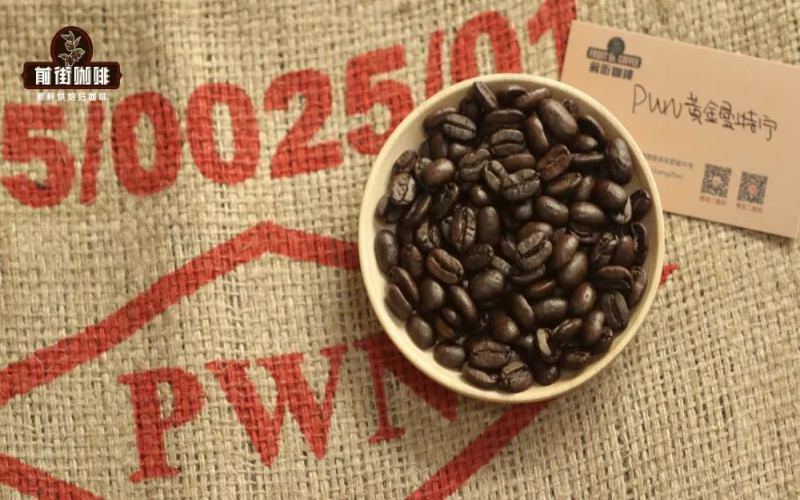
Mandheling is the representative coffee of the Sumatra region, and the Golden Mandheling produced by PWN is the finest among them. This article focuses on Front Street Golden Mandheling, starting with the identification of the authenticity of the PWN trademark and certificate of origin, sorting out the unique features of Golden Mandheling in terms of screening standards, green bean appearance, and flavor performance, and extending to the geographical distribution of the Sumatra region, Indonesia's green bean grading system, and the local unique wet-hulling process. It also explains in detail why Front Street's roaster chooses a deep roast to highlight the mellow, nutty, and caramel notes, giving you a comprehensive understanding of this classic coffee known as "the ugliest appearance, the best taste." [more…]
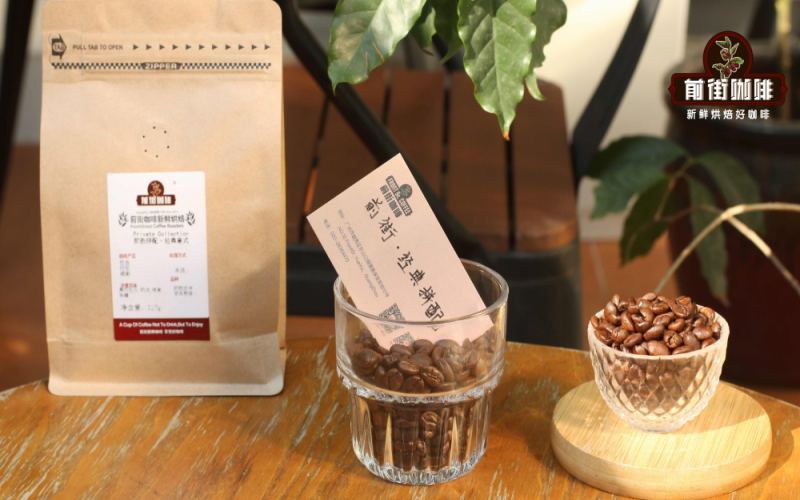
Worth-Repurchasing Everyday Bean List | How Should Beginners Choose Home Coffee Beans? What Specialty Coffee Beans Are Suitable for Pour-Over/Espresso Extraction?
Coffee lovers often enjoy dining out, but after eating out too often, they always think about making a cup of equally rich coffee at home themselves. At times like this, a bag of delicious yet affordable everyday beans can easily eliminate most of the trouble. Today, we'll introduce a few selected good buys that are most worth ordering and repurchasing. All coffee beans come from Guang [more…]
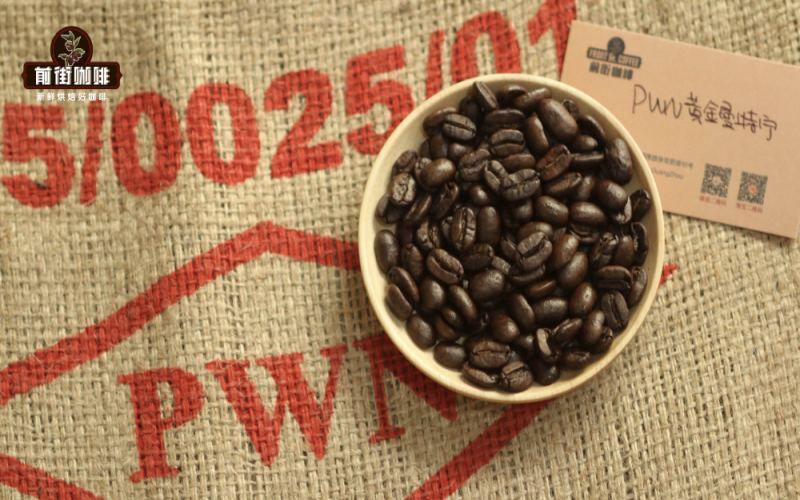
How Does Wet-Hulling Differ from Washed Processing? Where Does the Unique Flavor of Mandheling Coffee Come From?
The signature herbal, medicinal aroma and full-bodied mouthfeel of Indonesian Mandheling coffee are inseparable from its unique wet-hulling processing method. Why did wet-hulling become the choice of the Indonesian producing regions? What exactly are the differences between it and the washed method and semi-dry (pulped natural) method in terms of process flow and flavor presentation? Drawing on Front Street Coffee's years of experience in listing Mandheling, this article sorts out the specific operational steps of wet-hulling, its flavor characteristics, and the causes of common defects, while comparing the processing logic of the washed method and Brazil's semi-dry method, to help readers understand how processing methods shape the final appearance of a cup of coffee. At the end of the article, Front Street's recommended Mandheling bean selection suggestions and pour-over extraction parameters are also included, for coffee lovers at different stages to refer to. [more…]
A Beginner's Guide to Choosing Home Pour-Over Coffee Beans: Six Major Regions' Affordable Specialty Front Street Coffee Daily Drink Recommendations
For friends who are just getting into pour-over coffee, choosing the right coffee beans is the key step that determines whether a cup of coffee tastes good or not. The quality of the coffee beans directly affects the final flavor performance—if the beans themselves aren't good enough, even the best brewing technique can hardly save the cup. So for beginners making pour-over at home, which coffee beans from which producing regions should they start with? This article organizes the representative flavors of six classic producing regions according to the three major areas of Africa, the Americas, and Asia, and recommends the corresponding Front Street Coffee everyday beans, including Ethiopia Yirgacheffe, Colombia Huila, Brazil Cerrado, Costa Rica Tarrazu, Yunnan small-bean, and Indonesian Mandheling, to help everyone quickly find the one that suits their taste. [more…]
A Complete Guide to Indonesian Coffee Grading: Does Sumatra Golden Mandheling Really Belong to G1?
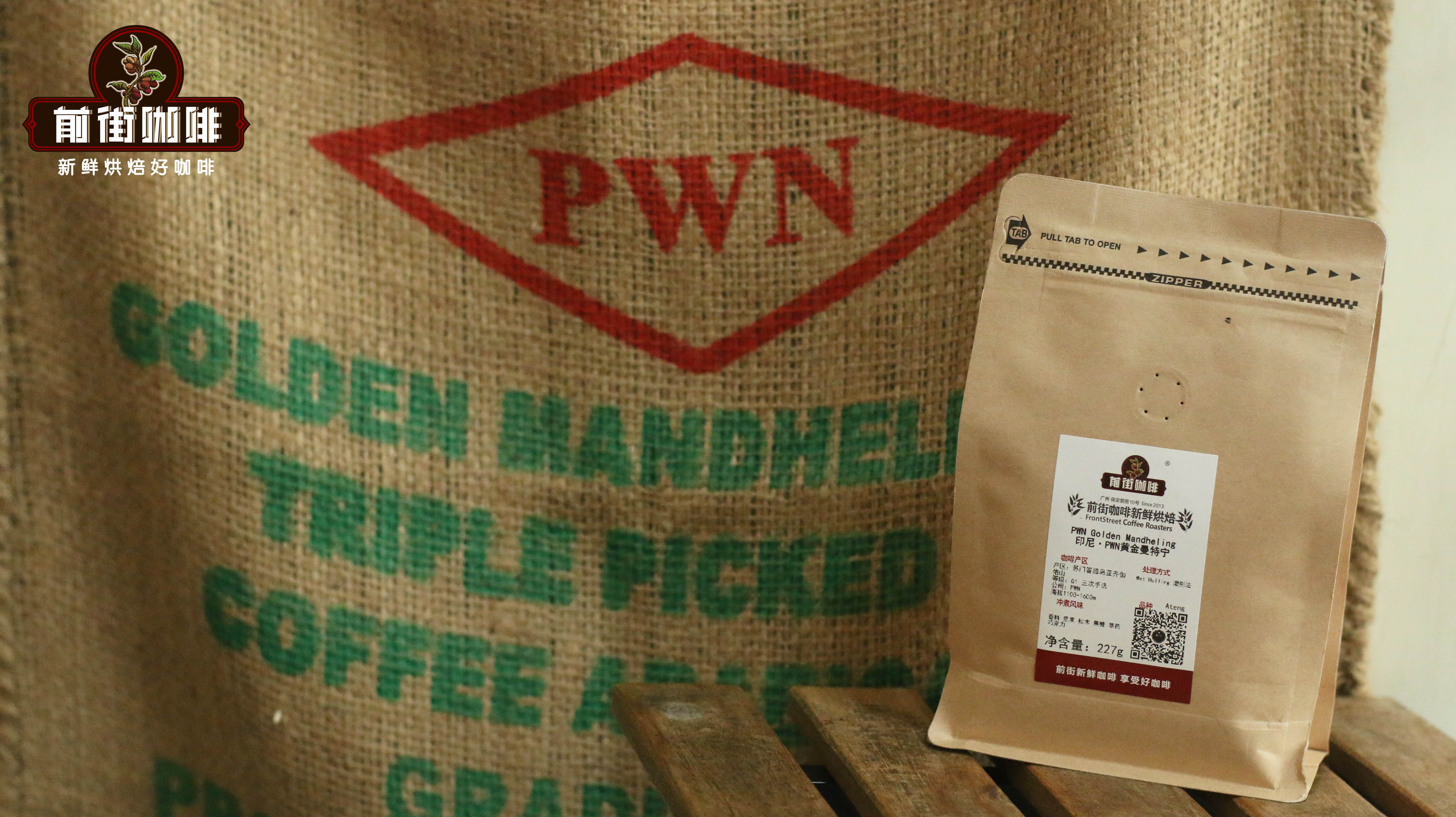
Indonesia is the world's largest archipelagic nation, and Sumatra, its largest island, produces Mandheling coffee, which occupies an important place in the global coffee landscape. But how does Golden Mandheling, the exclusive signature product of Indonesia's PWN company, differ from ordinary Mandheling? What standards are used to classify Indonesian green beans from G1 to G6? This article will systematically sort through Indonesia's coffee grading system, the varietal origins of Mandheling, the history of the wet-hulled process, and the brewing parameters and flavor performance of Front Street Coffee's Golden Mandheling, giving you a complete understanding of the story behind this coffee bean that is "the ugliest yet the best-tasting." [more…]
An Analysis of the Indonesian Coffee Green Bean Grading System: The Characteristics of the Wet-Hulling Process for Mandheling and Key Points for Identifying Golden Mandheling
Mandheling is the most representative variety of Indonesian coffee, and Golden Mandheling is highly sought after for its full-bodied taste and piney spice flavors, with a price noticeably higher than ordinary Mandheling. This article starts with Indonesia's green bean grading standards, analyzes the unique process of wet-hulling, explains in detail the quality control behind the G1 grade and triple hand sorting, and clarifies PWN's exclusive ownership of the Golden Mandheling trademark. At the same time, Front Street Coffee uses PWN Golden Mandheling as an example to share the cup profile under a deep roast, helping readers fully understand the value of this bean. [more…]
Where Does the Flavor of Indonesian Golden Mandheling Come From? An Analysis of PWN Golden Mandheling Coffee's Grade Standards and Wet-Hulling Process
Golden Mandheling has always been a representative of Indonesian specialty coffee. Its rich body and notes of pine and spice have captivated countless coffee lovers, but why is it so much more expensive than regular Mandheling? This article starts with Front Street Golden Mandheling and first clarifies a key fact—only the Golden Mandheling produced by PWN is authentic. It then provides a detailed explanation of Pawani's background, Indonesia's unique wet-hulling process, the G1 grade and triple hand-sorting quality control standards, and the classic Mandheling flavor brought by dark roasting, giving you a comprehensive understanding of what makes this high-end Indonesian coffee bean so unique. [more…]
A Complete Guide to the Flavors of the World's Three Major Coffee Regions: From Africa to the Americas and Asia
The flavor map of coffee can be broadly divided into three major regions: Africa, the Americas, and Asia. Each producing area, due to differences in climate, altitude, and processing methods, nurtures completely different expressions in the cup. For beginners just getting into pour-over coffee, starting with beans that have distinctive regional flavors and are affordably priced is the fastest path to building taste awareness. This article will take you to visit six representative producing regions one by one—Ethiopia, Colombia, Brazil, Costa Rica, Yunnan in China, and Indonesia—analyzing the growing environment, processing techniques, and flavor characteristics of coffee in each place, and attaching a selected bean list corresponding to the Front Street Coffee brand, helping you find your own cup's flavor coordinates in the dazzling world of coffee. [more…]
A Complete Analysis of Yirgacheffe Coffee Beans: Flavor, Mouthfeel, Origin, Variety, and Grinding Parameters
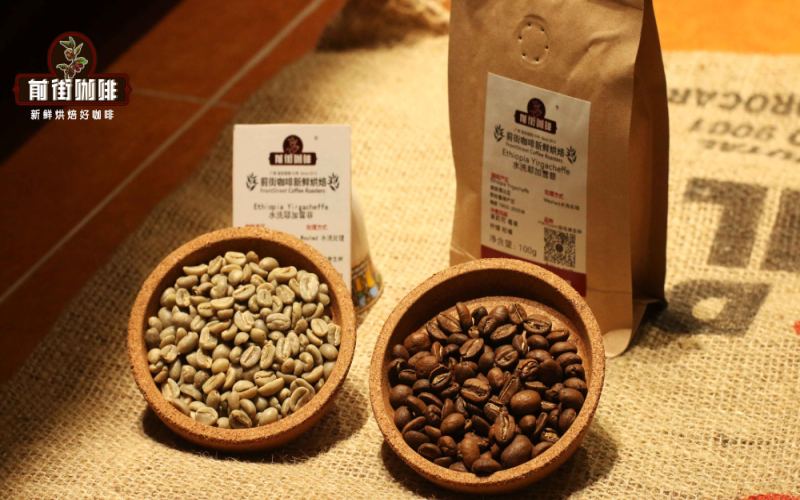
Yirgacheffe is one of Ethiopia's most recognizable coffees, known for its floral, lemon, and citrus notes. This article focuses on Front Street Yirgacheffe, outlining its flavor characteristics, mouthfeel, growing region environment, and variety background, and provides specific grinding settings and brewing parameters. The article also compares the flavor differences between the washed and sun-dried Red Cherry processing methods, helping coffee enthusiasts more systematically understand the charm of this bean and the key points of brewing. [more…]
Entry-Level Single-Origin Beans | How to Choose Pour-Over Coffee Beans Without Getting Burned? Beginner-Friendly, High-Value Picks from Asia, Africa, and the Americas
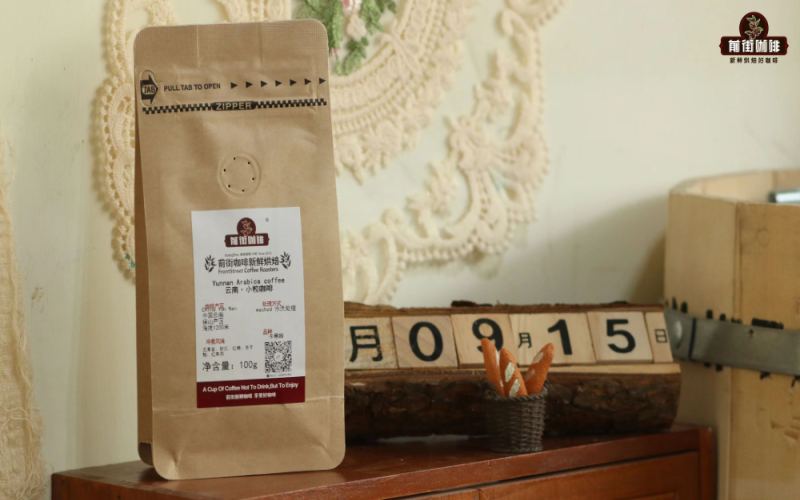
Specialty coffee refers to coffee beans that can clearly express the flavors of their region of origin. There are many ways to subdivide specialty coffee beans; for example, the SCA has also laid out standards for specialty coffee, and its definition of specialty coffee is "coffee beans grown in excellent terroir, with the aromatic characteristics of their local area." Broadly and simply put, being able to taste the flavor of the place of origin [more…]
What is the flavor of Yirgacheffe Worka coffee beans? A detailed explanation of the Worka cooperative producing region and the development history of Yirgacheffe
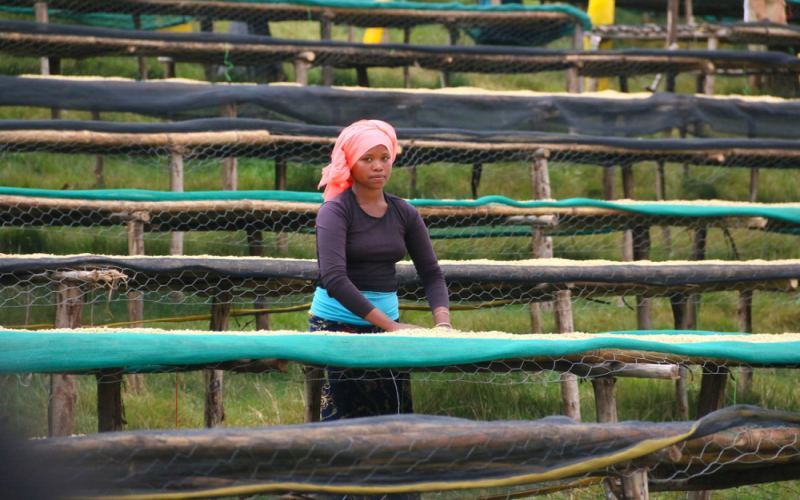
Yirgacheffe is a signature growing region for specialty coffee in Ethiopia, and the Worka cooperative is a particularly representative producer within this region. This article begins with the origins of coffee, tracing how coffee spread from its African homeland to Yemen and then to the Netherlands, before focusing on Yirgacheffe's unique terroir—the microclimate woven together by misty valleys, lakes, and wetlands—to explain the source of its flavor profile, which blends floral and fruity notes. At the same time, the article compares how the two processing methods, natural and washed, affect Yirgacheffe's flavor, introduces the strict standards of the Worka cooperative in red cherry picking, sorting, and drying, and presents the specific characteristics of Front Street Yirgacheffe in dry aroma, wet aroma, mouthfeel, and roasting performance, giving you a comprehensive understanding of what makes this bean so appealing. [more…]
Recommendations for High-Value Hand-Brewed Beans | What's the Difference Between Mandheling and Huakui Coffee? What Pour-Over Parameters Should Be Used for Mandheling Coffee Beans and Huakui Coffee Beans?
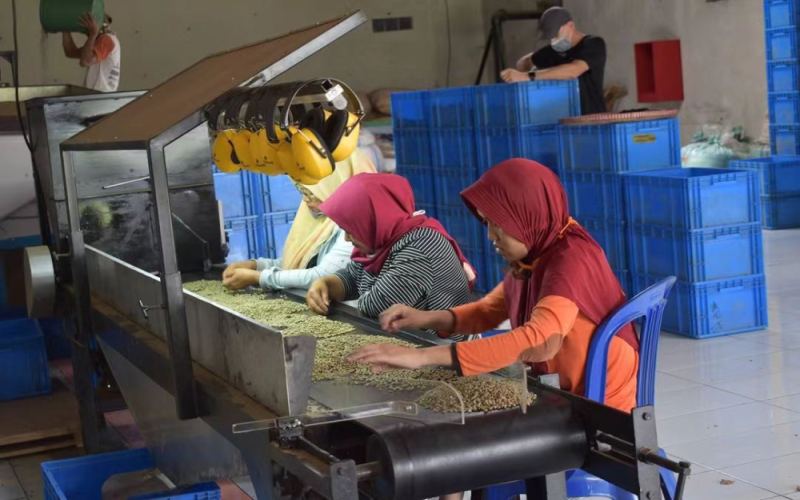
Friends who enjoy visiting specialty coffee shops should be familiar with Front Street Mandheling coffee, known worldwide for its unique herbal aroma and excellent body, making it especially suitable for those who prefer a rich taste; in recent years, a Front Street Huakui coffee from Ethiopia has offered full fruit aromas and a clear [more…]
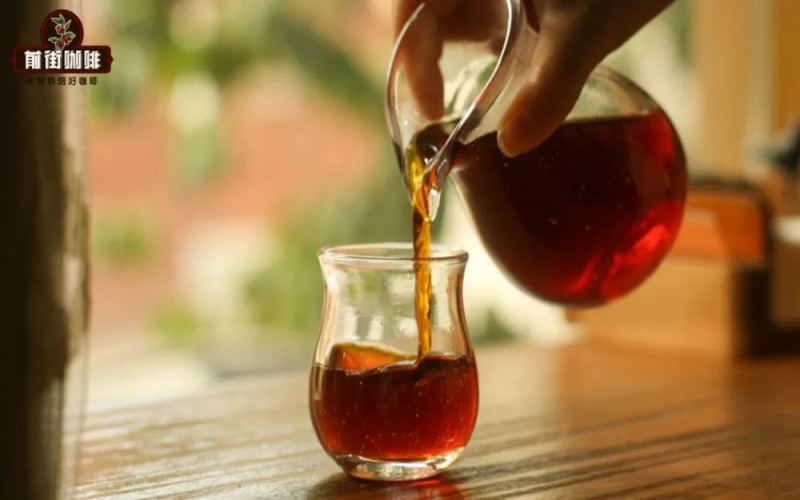
Comprehensive Comparison of Mandheling and Huakui: Origins, Processing Methods, and Pour-Over Parameters in Detail
Front Street Mandheling and Huakui are two beans with strikingly different styles in the specialty coffee world. The former is known for its herbal aroma and full body, while the latter has gained popularity for its rich fruity notes and bright acidity. This article analyzes the essential differences between these two coffees layer by layer, from origin background and processing method differences to flavor causes and pour-over parameters. Mandheling comes from Sumatra, Indonesia, and uses the unique wet-hulling method; Huakui originates from Ethiopia and preserves rich fruitiness through natural processing. The article also explains in detail their respective roasting logic and brewing plans, helping coffee lovers understand why the same bean can present the two poles of bitter and acidic flavors. [more…]

Yirgacheffe Region Introduction | Why is Yirgacheffe so popular? What makes Ethiopian coffee taste so good? Must-buy floral and fruity coffee bean recommendations for beginners
As one of Ethiopia's most iconic specialty coffee beans, Yirgacheffe has consistently maintained high popularity. Whether it's coffee connoisseurs who have been drinking for years or complete beginners just starting out, everyone favors it so much. Why is Yirgacheffe so popular? Let's first look at three Yirgacheffe coffees with different styles: ① Front [more…]