







Why Is Golden Mandheling Coffee More Expensive?
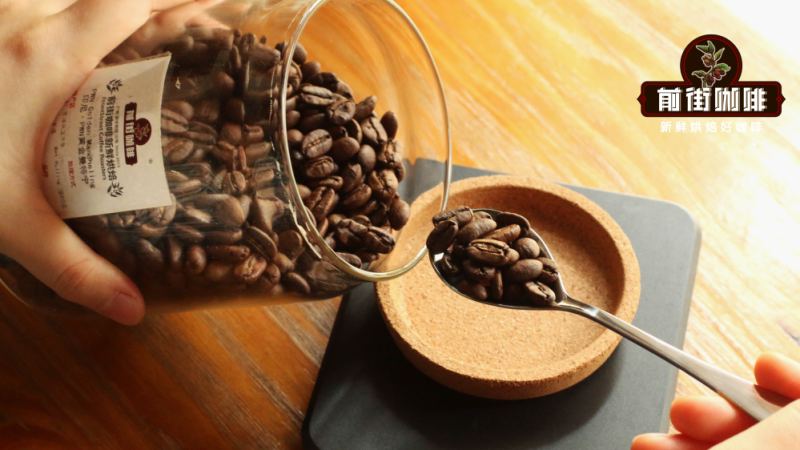
Golden Mandheling commands a higher price than regular Mandheling because only beans exported by PWN, short for Pawani, are considered authentic. PWN registered the English name as an exclusive trademark after developing a bean source in the Gayo region of Aceh that matched Japanese buyers' preferred taste. The result is a thick body with pine and spice notes that linger in the cup.
Pawani was founded in 1957 and started in the rubber trade before focusing on Mandheling coffee. Its beans come from high-quality Indonesian regions and are graded G1, then triple hand-sorted for defects. Indonesia's wet-hulling process, followed by a dark roast, brings out the classic pine and spice flavors that set Golden Mandheling coffee apart from ordinary Mandheling.
Golden Mandheling has always been a flagship of Indonesian specialty coffee. Its full-bodied mouthfeel and notes of pine and spice have captivated countless coffee lovers—but why is it so much more expensive than regular Mandheling? This article starts with Front Street Golden Mandheling and first clarifies a key fact: only Golden Mandheling produced by PWN is authentic. It then explores Pawani’s background, Indonesia’s unique wet-hulling process, the G1 grade and triple hand-sorting quality-control standards, and the classic Mandheling flavors brought out by dark roasting, giving you a comprehensive look at what makes this high-end Indonesian coffee bean so distinctive.
Front Street Golden Mandheling
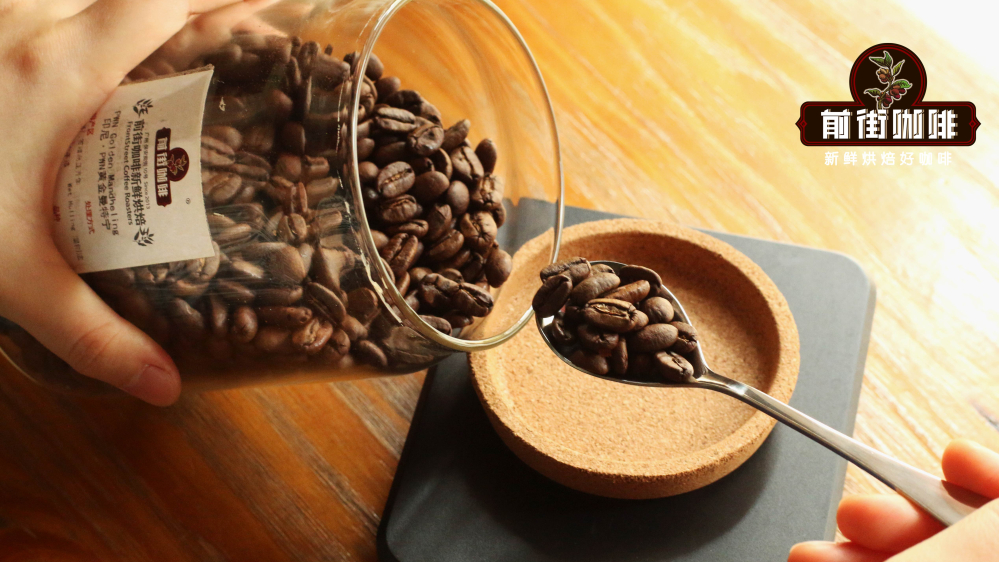
When it comes to Indonesian specialty coffee, Front Street Golden Mandheling is a name you can’t avoid. Many people’s first reaction is that it costs noticeably more than regular Mandheling, and at the same time its thick body and intertwined pine and spice notes make the cup especially rich and full, with a finish that lingers in the mouth. So the question is: when both are called “Mandheling,” exactly what makes Golden Mandheling so “expensive”?
First, it must be made clear that Front Street has always emphasized: only Golden Mandheling produced by PWN truly deserves the title “Golden Mandheling.”
PWN is short for Pawani. This Indonesian green-bean buyer is well known locally, and its core business revolves around the Mandheling coffee variety. It has a near-monopoly on beans from several high-quality Indonesian regions, and most high-quality Mandheling on the market comes from Pawani. The company was founded in 1957 and began in the rubber trade. Because it dealt with Japanese merchants for years, the Japanese side asked them to find Mandheling that matched their preferred taste. The Pawani team then went deep into the GAYO region of Aceh to collect top-quality Arabica green beans, and after repeated sample testing, they finally identified a bean source that met the requirements. Pawani’s Mr. Du then registered the English name of the beans from that region, “Golden Mandheling,” as an exclusive trademark. Therefore, only Golden Mandheling exported by PWN is the genuine article.
Now that we understand the producer’s background, let’s look at exactly what characteristics Front Street Golden Mandheling has that make coffee connoisseurs favor it.
1. It uses Indonesia’s unique wet-hulling method.
Anyone familiar with Mandheling coffee will know the term “wet-hulling.” Indonesia’s situation is completely different from that of coffee-producing countries such as Ethiopia, Brazil, and Colombia. The local climate is humid year-round, with average annual humidity as high as 70–90%, frequent typhoons, and annual rainfall even exceeding 2000 mm. Under these weather conditions, sun-drying for 2–3 weeks is almost impossible, while washed processing is time-consuming and labor-intensive and would greatly increase labor and water costs. As a result, farmers aiming for mass production adapted to local conditions and developed a unique processing method—wet-hulling.
Specifically, the wet-hulling process is as follows: first, coffee cherries are depulped, then the green beans are placed in a fermentation tank to ferment, and the mucilage is washed off—this step is the same as in the washed method. After that, the beans with parchment still on are dried in the sun for 2–3 days, and when the moisture content drops to 20–24%, the parchment is removed. At this point the beans are still relatively soft and will deform slightly under pressure, which is exactly why Mandheling green beans look like goat hooves. Finally, the beans are placed in a temperature- and humidity-controlled room to continue drying, and once the moisture content is only 12–13%, they can be bagged and stored.
Because the huller generates considerable friction during operation, it tears open the parchment layer clinging tightly to the green beans, and during this process white or green mucilage often oozes out. Through prolonged soaking in mucilage and the effects of the humid environment, the green beans gradually soften, turn pale and swell, and finally take on a grayish-green color. The friction and stirring can also easily crush or bruise the green beans, especially at both ends, forming small nicks—these are the so-called goat-hoof beans. The “naked beans” with the parchment removed dry extremely quickly, but at the same time they are directly exposed to humid air, allowing various microorganisms to multiply and giving Indonesian coffee its unique woody, spicy, and herbal notes—what people often call the “Mandheling flavor.”
2. G1 grade + 3 times hand-sorted
The grading of Indonesian green coffee is mainly based on the number of defective beans, with bean size as a secondary factor. General quality requirements are: no live insects, no moldy or rotten-smelling beans, maximum moisture content of 12.5%, and impurity rate below 0.5%. There are six grades in total based on defect rate, and the highest grade, G1, requires no more than 11 total defective beans in a 300 g sample.
If you want to experience the flavor of Indonesian specialty coffee, you can try Front Street Lindong Mandheling Coffee. This bean reaches the highest green-bean grade, G1, and is medium-dark roasted, showing caramel, nut, and spice flavors. It works well with pour-over, moka pot, espresso machine, and many other brewing methods.
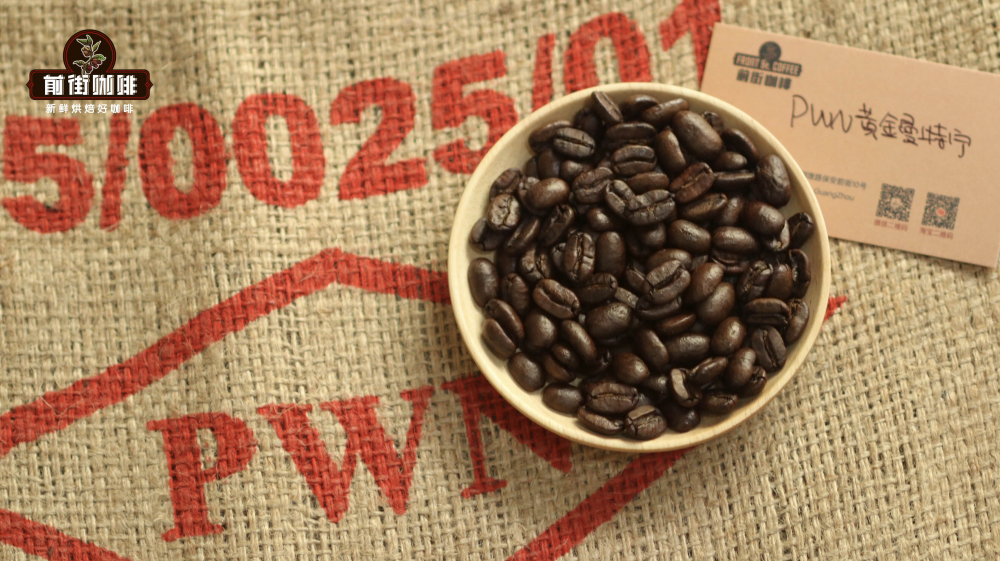
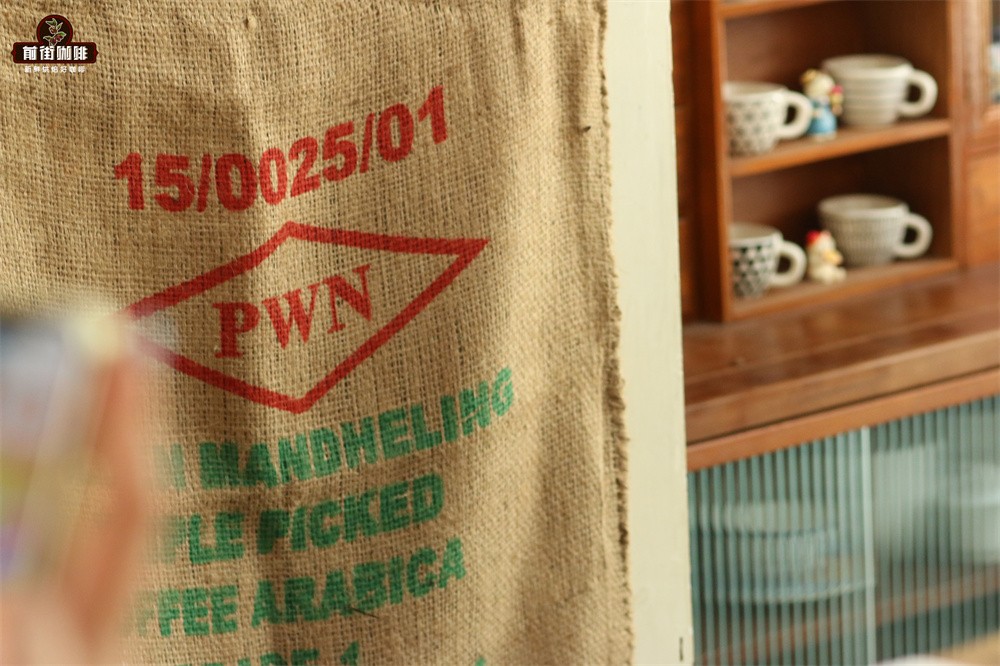
But if you want to drink the top-tier expression of Indonesian Arabica coffee, then you should choose Front Street PWN Golden Mandheling. If you look closely at the burlap sack of Golden Mandheling green beans, besides indicating Indonesia’s highest coffee grade, it also has the words “TRIPLE PICKED” printed on it, which means “hand-sorted three times.”
PWN pursues the utmost in screening. It purchases Mandheling green beans of 18 screen size and above, at G1 grade with fewer than 11 defective beans in a 300 g sample—the highest level for Indonesian green beans. It then strictly follows standards by carrying out one machine sorting plus three rounds of manual defect picking to ensure that the shape and size of the Mandheling coffee beans are uniform and consistent. In addition, before packaging, PWN also sends the green beans through machines for density and color sorting, making the Mandheling beans uniform and translucent in color—hence the name “Golden.”
3. Dark roasting highlights the “Mandheling flavor.”
Front Street PWN Golden Mandheling is dark roasted, intended to present Mandheling’s classic roasted aroma and mouthfeel. Immediately after fresh roasting, Front Street conducted a cupping evaluation. In the dry aroma stage, Golden Mandheling shows cedar wood, nut, spice, and herbal notes. After hot water is poured in, licorice and caramel notes emerge. On the palate, there are flavors of dark chocolate, cocoa, nuts, and spices. Overall, it is very clean, with obvious sweetness in the finish and excellent body.
Front Street PWN Golden Mandheling
Country: Indonesia
Coffee origin: Aceh designated purchasing area
Grower: P.W.N partner farmers
Coffee variety: native tree species from the Indonesian highlands
Growing altitude: 1100 m–1600 m
Main harvest season: October–November
Processing method: wet-hulled
Flavor reference: strong woody tone, rich malt and caramel aroma, clean with bittersweet notes
The above content is compiled by CoffeeHunters, a coffee news website.


