








How does the coffee farm's region shape flavor in the cup?
Coffee flavor broadly follows three regions: Africa, the Americas, and Asia. Climate, altitude, and processing separate them in the cup. For beginners starting pour-over, beans with clear regional character and moderate prices build taste awareness fastest, which is why the guide visits Ethiopia, Colombia, Brazil, Costa Rica, Yunnan, and Indonesia.
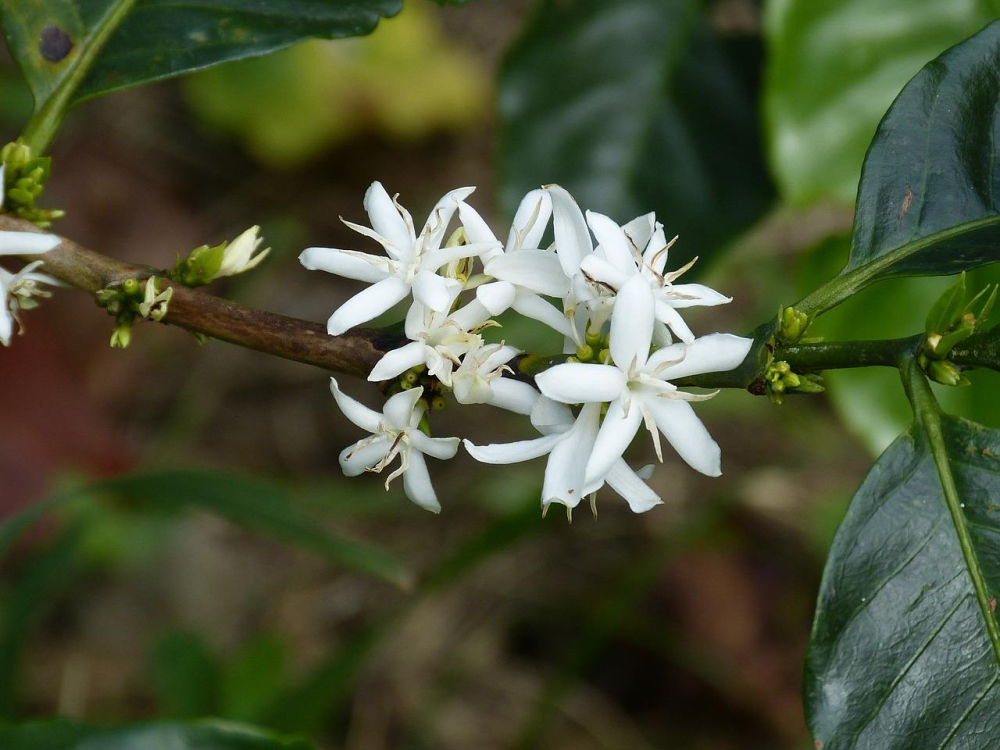
Ethiopia's Yirgacheffe shows the effect clearly. The coffee farm there sits around 2,000 meters, where cool temperatures, steady rainfall, and wide day-night swings slow cherry growth. On a coffee farm in Yirgacheffe, coffee trees often grow in garden-style plots under banana shade, and the slower ripening stores more aromatic compounds, giving washed lots their clean lemon and citrus profile.
The flavor map of coffee can be roughly divided into three major regions: Africa, the Americas, and Asia. Each producing region, due to differences in climate, altitude, and processing methods, cultivates completely different expressions in the cup. For beginners just getting into pour-over coffee, starting with beans that have distinct regional flavors and are affordable is the fastest path to building taste awareness. This article will take you on a visit to six representative producing regions—Ethiopia, Colombia, Brazil, Costa Rica, Yunnan China, and Indonesia—analyzing the growing environment, processing techniques, and flavor characteristics of coffee from each place, along with a curated bean list from Front Street Coffee, to help you find your own flavor coordinates in the dazzling world of coffee.
Recommended pour-over coffee beans for beginners. Generally, for a beginner's first pour-over, it is suggested to choose coffee beans with distinct regional flavors that are also economical. They are usually divided geographically into three continents: Africa, Asia, and the Americas, each with different flavor characteristics:

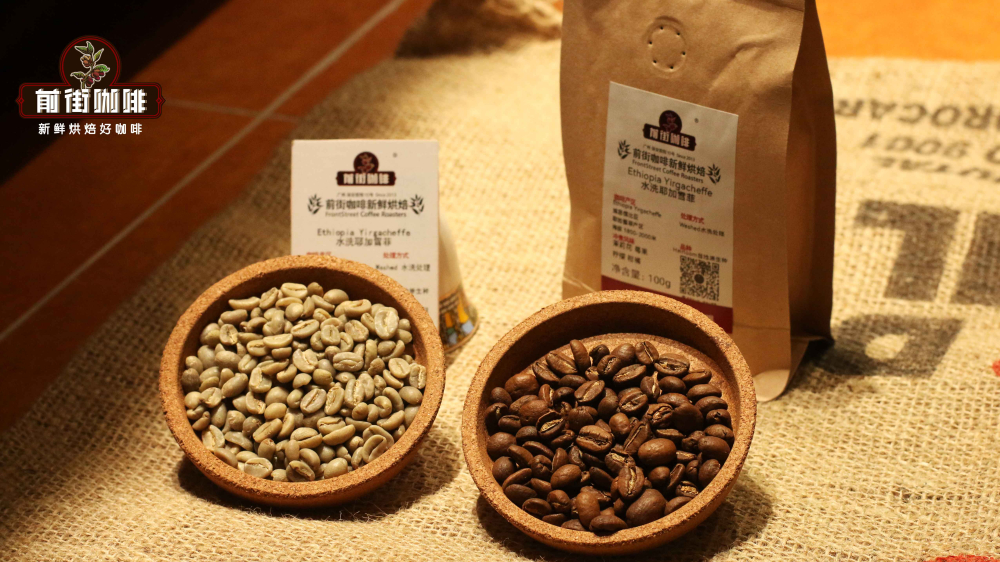
1. Africa Ethiopia — Front Street Washed Yirgacheffe Coffee Beans
Coffee beans are a very important cash crop in Ethiopia, and coffee is produced in different regions throughout the country. Among them, Yirgacheffe is a very small town, yet it produces thousands of tons of specialty coffee every year, showing the pivotal position of the Yirgacheffe producing region in Ethiopia. The Yirgacheffe region has a very high altitude, a comfortable and cool temperature, and appropriate rainfall without being humid, making it very suitable for coffee trees, which are sensitive plants. Here, coffee farmers grow coffee trees in the misty rural mountains, mostly using a garden-style model mixed with some harvestable crops, and you can see many planted under banana trees.
A growing altitude of about 2,000 meters creates a large temperature difference between day and night. Coffee trees grow slowly, and the fruit takes longer to mature, correspondingly storing more aromatic substances, so the harvest season is also relatively late. In addition, thanks to improvements in washed processing, Front Street Yirgacheffe's flavor has advanced by leaps and bounds, becoming an important member of specialty coffee with a clean and bright lemon and citrus profile. Front Street Yirgacheffe as a daily drinker shows elegant white floral, citrus, orange, and green tea flavors.
2. Americas Colombia — Front Street Huila Coffee Beans
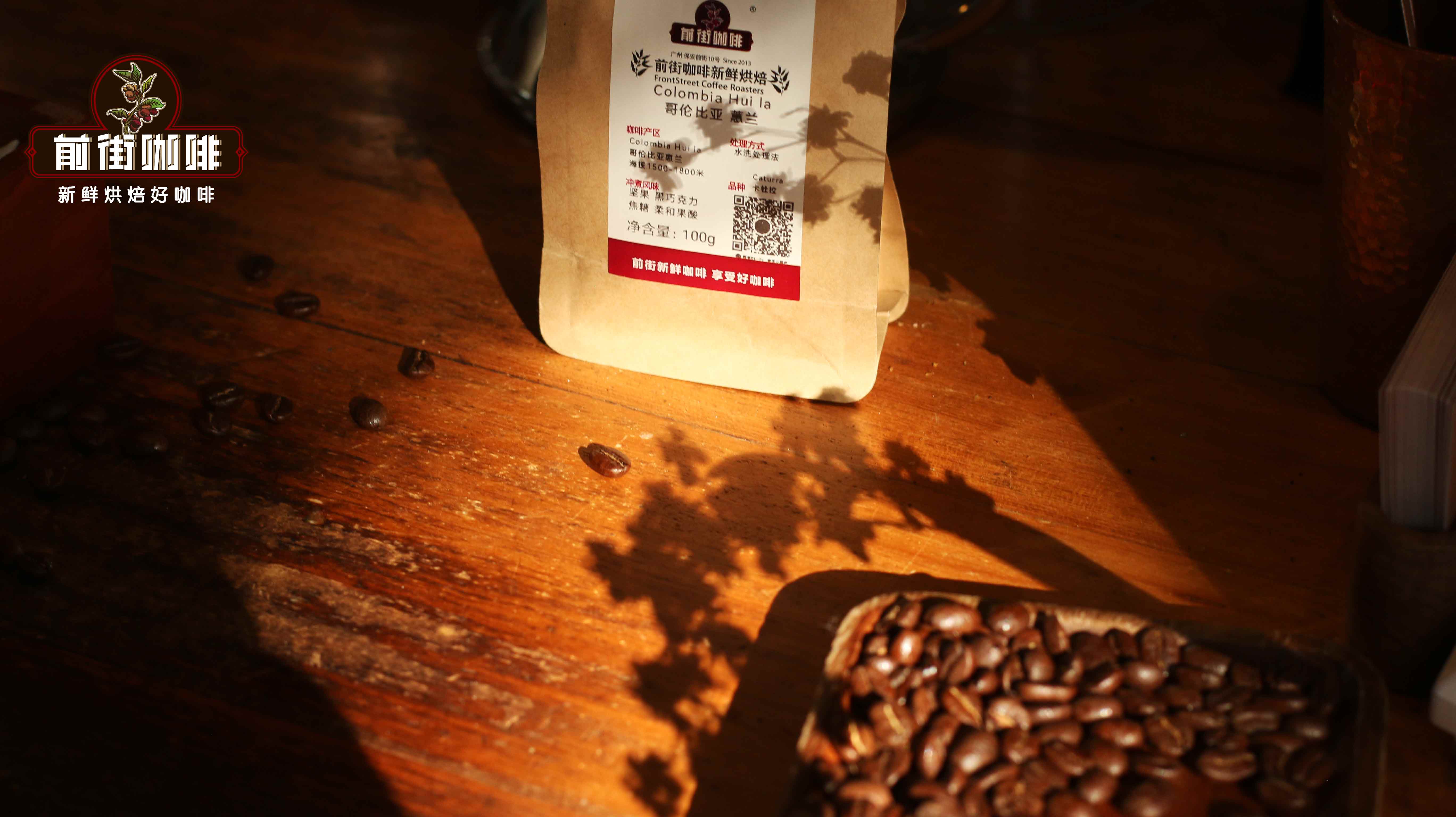
Colombian coffee has an excellent reputation in the coffee circle for its mild and rich aroma, and has ranked among the top in world coffee exports for many years. Whenever high-quality coffee is mentioned, Colombia is indispensable. On Front Street's bean list, whether pour-over single origins or espresso blends, Colombian coffee beans are included, showing just how popular they are.
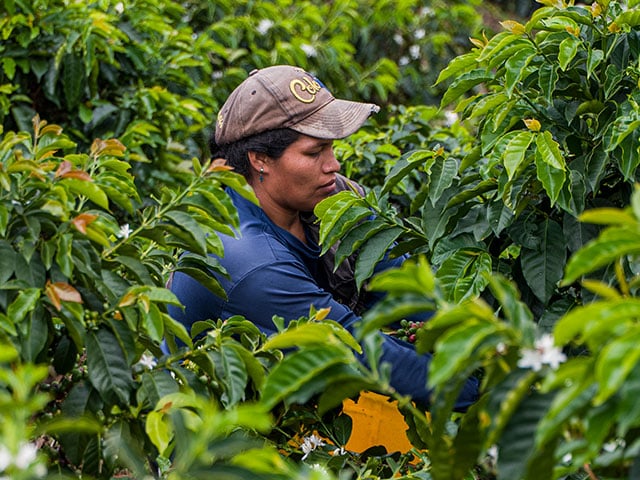
Colombian coffee farmers usually plant coffee trees under shade trees, mostly tall trees or banana trees. During the seedling stage, they build shade shelters for the coffee trees to ensure the cool and humid environment needed for coffee growth. Because the humidity in the coffee forest is high and the temperature difference is small, the coffee beans mature slowly, which is conducive to the accumulation of caffeine and aromatic substances, thus producing the best coffee quality. Front Street's Colombian coffee representative comes from the famous specialty region of Huila, using washed processing, with flavors of dark chocolate, nuts, cream, caramel, and mild fruit acidity.
3. Americas Brazil — Front Street Cerrado Coffee Beans
Brazil has a vast territory, divided into 26 states, 17 of which produce coffee, including both Arabica and Robusta varieties. From the data, the four states of Paraná, São Paulo, Minas Gerais, and Espírito Santo account for 80% of total production. Compared with the altitudes of various producing countries in Central and South America, Brazil is noticeably lower. The terrain here is flat and monotonous, lacking microclimates, and it habitually uses unshaded (sun-exposed) cultivation, thus developing Brazil's unique soft bean flavor—low acidity, strong nutty notes, chocolate sweetness, and good body.
Brazil has made full use of its tropical geographical environment and attaches importance to coffee production and sales, keeping its coffee output, export volume, and per capita consumption at the top of the world for many years, earning it the title of "Coffee Kingdom." Front Street Brazilian coffee beans are known for being plump and having a mild aroma, with various tastes that are moderate and smooth. They are representative of neutral coffee and can be extracted and enjoyed as single-origin coffee through pour-over and other methods, or blended with other coffee beans to make espresso. As a representative of Brazilian coffee, Front Street Cerrado tastes of roasted peanuts, nuts, chocolate, and caramel.
4. Americas Costa Rica — Front Street Tarrazú Coffee Beans
Costa Rica, located on the Central American isthmus, is one of the most famous producing regions in Latin America. Coffee beans produced in its high-altitude areas are world-renowned, rich, mild in taste, and moderate in acidity. The coffee beans here are carefully processed, and it is precisely because of this that high-quality coffee is produced.
The Tarrazú region is Costa Rica's most important and highest-quality specialty producing region. Apart from micro-lots, Tarrazú also produces large quantities of extremely high-quality large lots. Tarrazú is located in Costa Rica's picturesque Central Valley, and no pesticides or artificial fertilizers are used during cultivation. All these factors make this region a truly perfect growing area for Arabica. Front Street's selected Costa Rican coffee comes precisely from Tarrazú, using the more traditional washed processing, and when brewed it shows flavors of sweet orange, nuts, citrus, and berries.
5. Asia China — Front Street Yunnan Small Bean Coffee Beans
Yunnan Province is rich in forest resources, has fertile soil, abundant rainfall, complex terrain, a slightly higher altitude, and mild temperatures year-round. Located near the Tropic of Cancer, it is a rare treasure land for growing coffee in China. Coffee-producing areas in Yunnan are not limited to the well-known Pu'er and Baoshan; there are even Dehong, Lincang, and others. Yunnan is not a place with four distinct seasons; here there are only the dry season and the rainy season. In terms of cultivation, Front Street has adopted extremely high standards to provide coffee trees with a natural and comfortable living environment. Because Typica is more difficult to manage in the field than Catimor and is sensitive to long periods of sunlight, Front Street has maintained the diversity of plant species and the ecological environment on the estate.
Due to the year-round rainy season and unstable climate, most Yunnan coffee beans are processed using the washed method. But there are also sun-dried coffee beans. In order to better present Yunnan small bean flavor to everyone, Front Street selected a washed batch and used medium roasting, allowing Front Street Yunnan Small Bean to show a balanced profile, tasting of nuts, brown sugar, and chocolate.
6. Asia Indonesia — Front Street Mandheling Coffee Beans
Mandheling coffee is produced in Sumatra, Indonesia, in Asia, and is also called "Sumatra coffee." Its main producing areas include Java, Sulawesi, and northern Sumatra. Although most coffee beans in Indonesia are Robusta, it is Mandheling coffee that has made Indonesian coffee shine in the world coffee scene. Mandheling is not the name of a producing region, place, port, or coffee variety. So how did its name come about? In fact, it is a mispronunciation of the Indonesian Mandailing ethnic group.
Due to Indonesia's humid and hot weather, local people encounter many difficulties when processing green coffee beans, such as moldy beans and unstable sunlight. In order to shorten processing time and reduce labor costs, a unique method gradually emerged—wet hulling. Because fermentation time and drying time are shortened, and the entire process takes place in a hot and humid environment, the resulting Mandheling coffee carries a dull, stuffy herbal note and flavors such as pine wood. The emergence of wet hulling was a response to local conditions, but it is precisely this that makes Front Street Mandheling coffee different from other dark-roasted coffees, becoming one of the classic representatives among many coffees with its unique herbal, spice, and wood notes.
The above content is compiled by CoffeeHunters, a coffee news website.


