







Yirgacheffe is a signature region for Ethiopian specialty coffee, and the Worka cooperative is a highly representative producer within this region. This article begins with the origins of coffee, tracing how it spread from its African homeland to Yemen and even to the Netherlands, before focusing on Yirgacheffe's unique terroir—the microclimate woven from misty valleys, lakes, and wetlands—to analyze the source of its flavor profile where floral and fruity notes intertwine. At the same time, the article compares how the natural and washed processing methods affect Yirgacheffe's flavor, introduces the Worka cooperative's strict standards for red cherry picking, sorting, and drying, and presents the specific characteristics of Front Street Yirgacheffe in terms of dry aroma, wet aroma, mouthfeel, and roasting performance, giving you a comprehensive understanding of what makes this bean so captivating.
Front Street Coffee's Yirgacheffe Worka with rich dried-fruit flavors: tracing its origins, development, and history
Africa's status as the birthplace of coffee is something forever etched in the memory of coffee lovers. It is widely believed that the coffee tree was first discovered in the Kaffa province of Ethiopia. Later, as batches of slaves were sold to Yemen and the Arabian Peninsula, coffee spread along this route to various places along the way. It is certain that Yemen was already cultivating coffee in the 15th century or earlier. Although Arabia at the time possessed Mocha, the world's most prosperous port city, it strictly forbade any coffee seeds from leaving the country. This blockade was eventually broken by the Dutch—in 1616, they successfully smuggled living coffee trees and seeds to the Netherlands and began cultivating them in greenhouses. Yirgacheffe sits at an altitude approaching 2,000 meters, making it one of the highest coffee-growing regions in the world.
Ethiopia's Yirgacheffe has been a wetland since ancient times. "Yirga" means "to settle down," while "Cheffe" refers to "wetland." Lake Turkana, Lake Abaya, and Lake Chamo bring abundant moisture to this land. The rift valley region, represented by the Misty Valley, is shrouded in fog year-round, with spring-like weather in all seasons, gentle breezes, and a cool, moist climate. Thousands of coffee varieties flourish here, creating the unique terroir of Front Street Yirgacheffe—floral and fruity notes ambiguously intertwined, ever-changing.
The aroma of Front Street Yirgacheffe is extremely complex, and its mouthfeel is equally outstanding—difficult to accurately describe in just a few words. Overall, the dry aroma of Front Street Yirgacheffe exudes intense fruity notes, with rich dried-fruit flavors and aromas reminiscent of strawberry, mango, and apricot jam. The wet aroma is like sweet syrup, resembling thick apricot nectar wrapped in rustic honey or chocolate. On the palate it is not intense, with medium body and understated acidity, yet it is lively and bright, like fruity black tea.
Ethiopia's Yirgacheffe originally used the oldest natural processing method, but in 1972, to improve quality, Ethiopia introduced washed processing techniques from Central and South America, making the jasmine and citrus notes of Front Street Ethiopian Yirgacheffe clearer and more refined, propelling it into the ranks of the world's specialty coffees—the exquisite washed technique played an indispensable role. After the 1970s, washed processing became the norm.
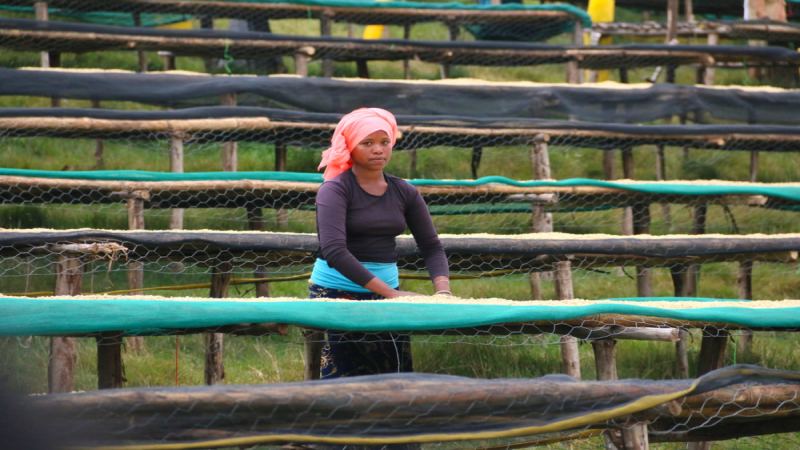
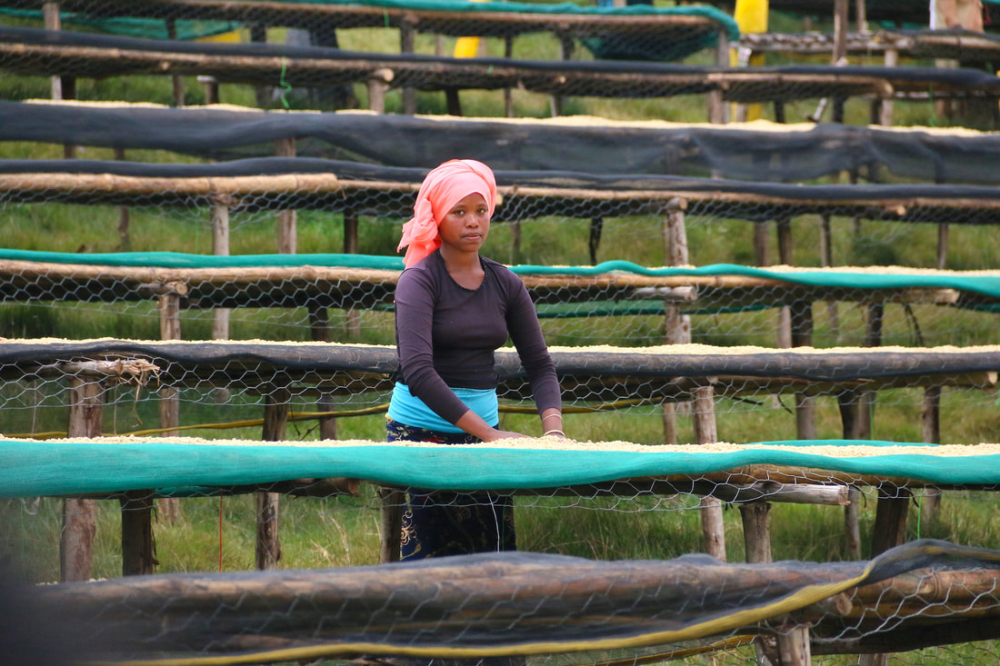
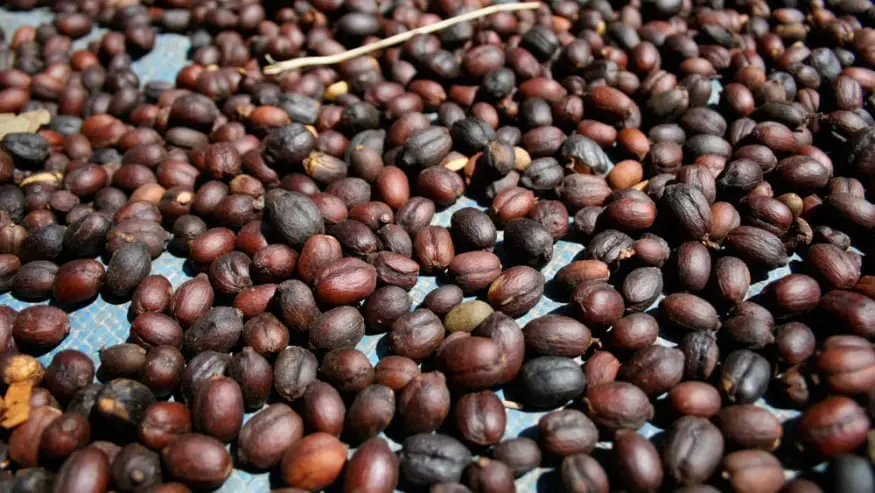
However, in the past two years, Yirgacheffe has broken with convention, frequently releasing stunning natural-process beans. Natural Yirgacheffe has established strict standards for harvesting red cherries (the fruit borne by coffee trees): before sun-drying the coffee cherries, unripe green cherries or defective fruits are removed by hand; during the drying process, damaged or moldy fruits are removed again. After two weeks, the sugar and essence in the fruit pulp have fully permeated the coffee beans, and the moisture content drops to 12%. The hardened pulp, pectin layer, and pod are then scraped clean together by a hulling machine. After the coffee beans are extracted, they must still undergo density and bean-color testing. After eliminating defective beans, workers finally pick out any remaining瑕疵 beans by eye. This层层把关层层筛选 creates the clean, refined character of Front Street Ethiopian Yirgacheffe natural beans, with a rich and alluring fruity aroma.
Although Ethiopian Yirgacheffe coffee beans are small in appearance, they are elegant and graceful, sweet and lovely. As the homeland of coffee, Ethiopia's millennia of cultivation history and processing traditions have given rise to premium washed Arabica beans. After light roasting, Front Street Yirgacheffe possesses unique lemon, floral, and honey-like sweet aromas, with soft fruit acidity and citrus notes, and a fresh, bright mouthfeel. Without milk or sugar, the rich texture and distinctive soft floral notes sweep across the palate, leaving an endless aftertaste.
In terms of cultivation: coffee trees are mostly planted in farmers' own backyards or intercropped with other crops in their fields. Each household's output is limited, making it a typical garden coffee. These small mountain villages are shrouded in mist, with spring-like weather year-round—gentle summer breezes, cool rather than hot, rainy rather than humid—and winters free from cold damage, nurturing the distinctive citrus and floral terroir of Front Street Yirgacheffe.
Flavor: The so-called "Yirgacheffe flavor" refers to intense jasmine, lemon, peach, almond sweetness, and tea-like notes. The tasting experience can be summed up in one sentence: coffee enters the mouth, and a hundred flowers bloom! It is just like the soothing sensation of flowers touching the taste buds and nasal olfactory cells. Beyond the floral notes, the delicate body is like silk massaging the mouth—a wondrous tactile experience.
Front Street Yirgacheffe coffee on the Front Street bean list refers to Yirgacheffe coffee produced in Ethiopia. Yirgacheffe is the name of a small local town, at an altitude of approximately 1,700–2,100 meters. This place has been a wetland since ancient times. In the ancient language, "yirga" means "to settle down," and "cheffe" means "wetland," so "Yirgacheffe" means "let us settle down and make our home in this wetland." It is one of the highest-altitude coffee-growing regions in Ethiopia on average. Today, Yirgacheffe coffee has become synonymous with Ethiopian specialty coffee.
The above content is compiled by CoffeeHunters, a coffee news website.


