







Search Results for: annual

Starbucks' 12.8 yuan discount annual card launches — how much does a cup of coffee actually cost?
Starbucks has recently launched a 12.8 yuan discount annual card, allowing customers to enjoy medium-sized drinks for as low as 25 yuan, sparking speculation about a coffee price war. In fact, since 2021, Starbucks has been successively offering discounted annual benefit cards for 9.9 yuan on major lifestyle service platforms, with various discount forms, including 20% off and a flat rate of 25.9 yuan. In addition to annual cards, Starbucks is also quietly distributing coupons in livestreams. Why not simply lower prices? Because coupons can continuously stimulate consumption, attract consumers from different sectors, and pave the way for expansion into lower-tier markets. This strategy both maintains the brand image and makes Starbucks appear more approachable. Although domestic chain coffee brands are increasing, Starbucks still attracts many consumers with its social spaces and brand style. This article was compiled by Front Street Coffee (FrontStreet Coffee), bringing you insights into Starbucks' pricing strategy and market trends. [more…]

Luckin's Kunshan roasting base breaks ground: second self-built factory boosts annual capacity to 45,000 tons and fresh supply for stores
Luckin Coffee, which now operates over 7,846 stores, is accelerating its upstream supply chain expansion. Following the start of production at its first roasting plant in Pingnan, Fujian, Luckin's second fully automated smart roasting base—independently invested and built in Kunshan, Jiangsu—has recently broken ground and is expected to begin production in 2024. With a total investment of approximately US$120 million, the base covers 53,000 square meters and will have an annual roasting capacity of 30,000 tons, incorporating core equipment such as the Italian BRAMBATI roasting system. By then, Luckin's two major roasting bases will have a combined annual capacity of over 45,000 tons, supplying fresher and safer green coffee beans to stores nationwide while advancing the brand toward its goal of a globalized, refined supply chain. [more…]
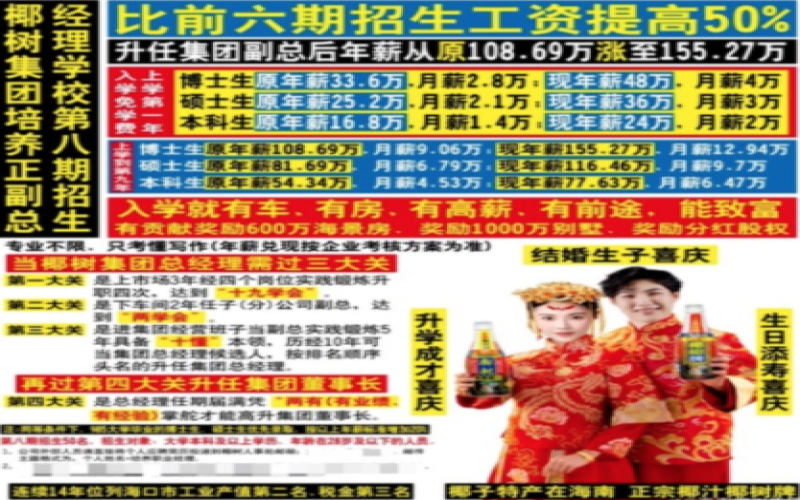
Coconut Palm Group's eighth recruitment drive offers annual salaries up to 480,000 yuan, sparking heated debate and controversy with its changed advertising style.
Coconut Palm Group recently released an advertisement for the eighth intake of its training school for deputy general managers, drawing attention with a maximum annual salary of 480,000 yuan and generous perks such as a car and housing upon enrollment, while also replacing its previous sexy model images with a festive wedding style, sparking heated discussion among netizens. This is not the first time Coconut Palm has found itself in controversy over its advertising—over the years it has persisted in borderline marketing and has been penalized by regulators multiple times, including a 400,000 yuan fine in May this year for using state agency personnel in commercial marketing and for advertising slogans that violate public order and good morals. This article will review the details of this recruitment drive, the changes in advertising style, and Coconut Palm Group's repeated history of marketing violations. [more…]
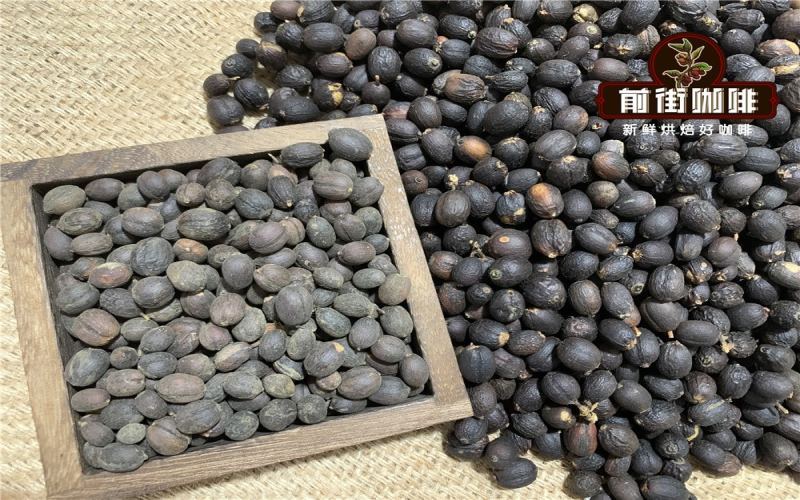
Yunnan Coffee Flavor Analysis: From Origin and Variety to Processing Method, Does Pour-Over Really Have a Pu'er Tea Note?
Coffee is often seen as an imported product, but Yunnan, China has long since become a coffee-producing region that cannot be ignored. The movie "Coffee or Tea" introduced more people to Yunnan coffee. How does it actually taste? Does it really carry a Pu'er tea-like flavor? This article starts from Yunnan's main producing regions (Dehong, Baoshan, Lincang, Pu'er), mainstream varieties (Catimor, Typica, Bourbon), and washed and natural processing methods to break down the sources of Yunnan coffee's nutty, brown sugar, full-bodied and balanced flavors, and introduces Front Street Coffee's Yunnan daily-drinker beans and natural Typica, helping you decide whether Yunnan coffee suits your taste. [more…]
How Does Yunnan Coffee Taste in Pour-Over? An Analysis of Its Origin Story, Small-Bean Varieties, and Processing Characteristics
Coffee is often seen as an imported product, but China also has its own important producing region—Yunnan. With the development of the domestic coffee market and the influence of film and television works, more and more people are beginning to pay attention to Yunnan coffee. Unlike the citrus notes of Yirgacheffe, the floral aroma of Geisha, and the herbal spices of Mandheling, Yunnan coffee shows a balanced style of nuts, brown sugar, and high body. This article will help you understand the source of Yunnan coffee's flavor from three angles: Yunnan's main producing regions, cultivated varieties, and processing methods, and answer the question "Is Yunnan coffee good to drink?" The article also retains Front Street Coffee's representative recommendations in Yunnan's producing regions for coffee lovers' reference. [more…]
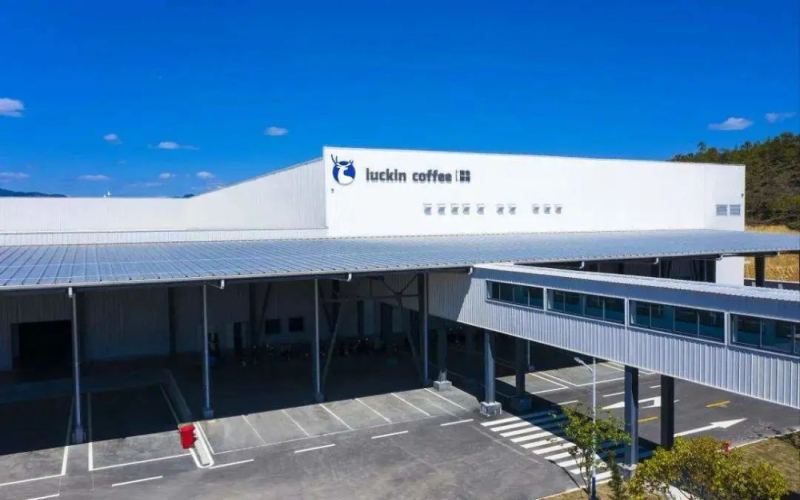
Luckin Coffee expands with a second roasting facility in Kunshan, adding 30,000 tons of annual capacity and accelerating its global strategy
After successfully turning itself around and achieving rapid expansion, Luckin Coffee is continuing to ramp up its supply chain development. Following the launch of its roasting plant in Pingnan, Fujian, Luckin chose Kunshan, Jiangsu as the site of its second roasting facility, which is expected to have an annual roasting capacity of 30,000 tons, with plans to pursue global expansion within the next one to three years. The new plant will be independently invested in by Luckin to the tune of approximately 1 billion yuan, integrating coffee R&D, roasting production, and a sales center under one roof. This move not only eases capacity pressure but also aligns with Kunshan's push to build a full coffee industry chain base. [more…]
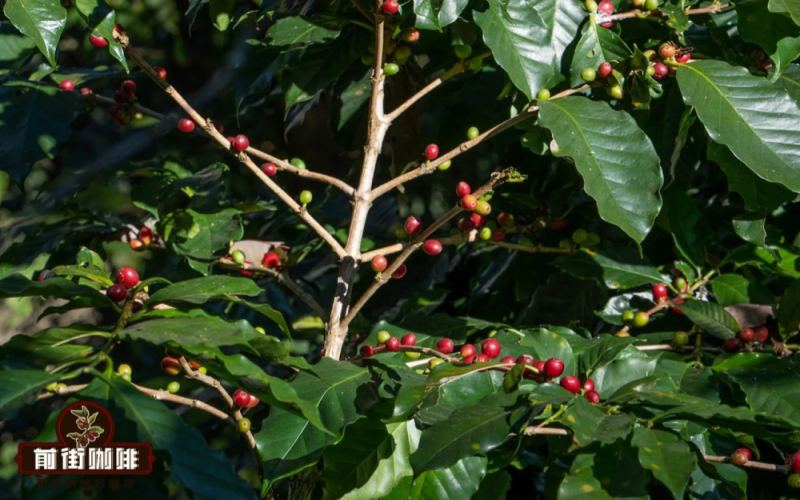
A Complete Analysis of Yunnan Coffee Bean Varieties, Flavors, and Regional Characteristics: The Taste Code from Catimor to Typica
Yunnan is the most significant name on China's coffee map. From the first coffee tree planted by missionaries a century ago to today's scale, accounting for seventy percent of the nation's planting area and over eighty percent of its output, this land has cultivated a full-bodied, well-balanced small-bean coffee. This article systematically reviews the historical threads of Yunnan coffee, the natural conditions of its main growing regions—Dehong, Baoshan, Lincang, and Pu'er—and the flavor differences among the three major varieties: Catimor, Typica, and Bourbon. At the same time, from washed processing methods to pour-over parameters, it guides you through a complete understanding of Yunnan coffee's nutty and brown-sugar notes, and shares Front Street Coffee's sourcing philosophy and brewing practices in the Yunnan production area. [more…]
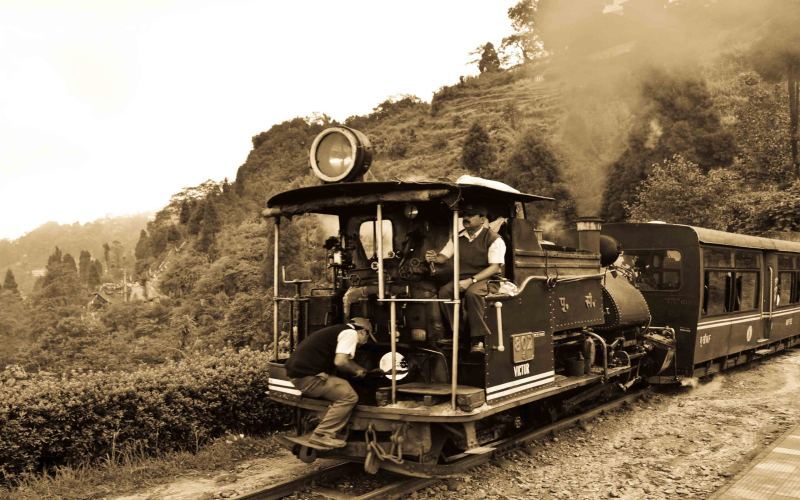
Darjeeling Tea Annual Output and Regional Development: A Cultivation History from Trial Planting to 86 Estates
Darjeeling tea is renowned worldwide for its distinctive muscatel flavor, and its quality is closely tied to the cool, humid climate, soil, and sloping terrain. This article traces the cultivation origins and expanding production regions of Darjeeling tea: from Dr. Campbell's experimental planting, to the establishment of the first commercial tea gardens in the mid-19th century, and to today's scale of 86 tea gardens producing about 10 million kilograms annually. It also introduces the flavor differences across the four main harvest seasons each year, as well as organic certification and industry employment, helping coffee and tea enthusiasts gain a systematic understanding of the past and present of this world-famous tea-producing region. [more…]
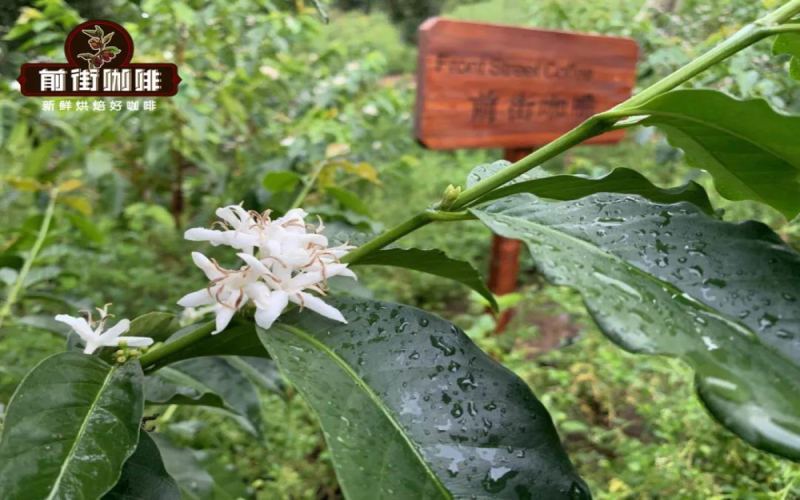
Which producing region of Yunnan small-bean coffee is most worth drinking? An analysis of the flavor characteristics from Baoshan and Dehong to Lincang and Pu'er
Yunnan coffee is gradually moving from a raw material origin to the specialty stage, but what flavor differences do the small-bean coffees from different growing regions actually have? This article focuses on the geographical and climatic conditions of Yunnan's main coffee-growing areas—Dehong, Baoshan, Lincang, and Pu'er—and reviews the planting history and variety composition of Yunnan coffee. It highlights the nutty, brown sugar, and plum-like acidity notes brought by the Catimor variety, and explains why the washed process has become the local mainstream. It also combines Front Street Coffee's estate practices and brewing suggestions in Lincang to provide coffee lovers with a practical reference for understanding Yunnan coffee. [more…]
Front Street Peruvian Coffee: Comprehensive Analysis of Origin Flavor, Processing Methods, Grind Size, Taste, Price, and Annual Production
Peru is best known for its two major coffee-producing regions, Chanchamayo and Cusco, while the northern region also produces distinctive organic coffee. These organic beans are shade-grown; although yields are relatively low, the quality often reaches specialty grade—the shaded environment slows the ripening of the coffee cherries, allowing the beans to accumulate richer natural compounds, resulting in more outstanding flavor complexity and relatively lower caffeine content. Other high-quality coffee-producing regions in Peru include Chasimayo, Norte, and Puno. Coffee grown under natural conditions typically commands export prices 10% to 20% higher, mainly shipped to the United States and Japan. In the mid-1970s, Peru's annual coffee production was about 900,000 bags, and it has since steadily climbed to about 1.3 million bags. Front Street Coffee takes you through a comprehensive look at Peruvian coffee's flavor, processing methods, grinding recommendations, taste profile, price trends, and production overview. [more…]

Barista Annual Review: The Industry Truth from Passion to Persistence and a Sharing from Front Street Coffee
As another year draws to a close, the stories of baristas have quietly unfolded over 365 days. From every encounter with customers to the daily routines of latte art, espresso extraction, washing cups, and hauling supplies, this annual report captures a true portrait of baristas along with their humorous complaints. Front Street Coffee joins you in looking back on the ups and downs of this year, exploring how to grow from passionate enthusiasm into professional expertise. Whether you're a industry insider or an enthusiast, you'll find resonance and inspiration here. [more…]
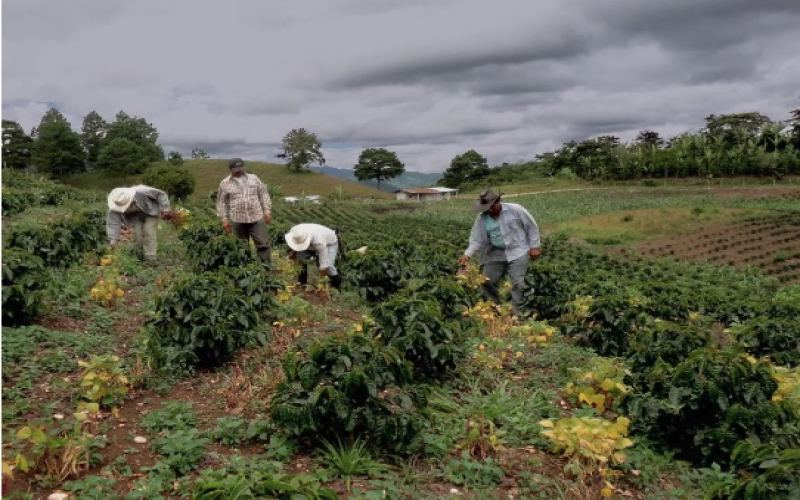
Honduras | Introduction to Coffee Growing Regions and Varieties
The full name of Honduras is the Republic of Honduras (República de Honduras), which is located in the northern part of Central America, bordering the Caribbean Sea to the north, the Gulf of Fonseca on the south side of the Pacific Ocean, and also ad [more…]
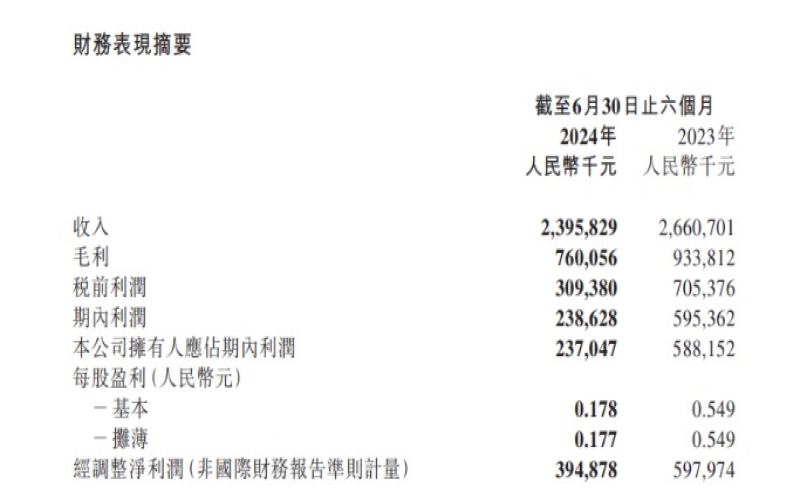
Tea Baidao's first semi-annual report after listing is out: net profit fell nearly 60% year-on-year, with franchise support and supply chain weaknesses in the spotlight.
The first half-year report delivered by ChaPanda after its listing in Hong Kong shows that both revenue and net profit declined in the first half of 2024, with net profit falling by nearly 60% year-on-year. The company attributes this to increased support for franchisees and greater market investment. At the same time, the number of stores continues to grow, but its market value has shrunk significantly, and its reliance on external suppliers for its supply chain is also seen as a key weakness. This article will sort through the core data in the financial report, the adjustments to franchise policy and their knock-on effects, and compare the competitive landscape of the industry, to help coffee and tea beverage enthusiasts understand the challenges this brand currently faces. [more…]

New Q Grader Certification Rules: Starting in 2023, annual flavor calibration is required, with fees and validity periods adjusted accordingly
Starting January 1, 2023, the Q Grader certification system will undergo significant changes. CQI requires all certified individuals and those currently enrolled in courses to independently complete an annual flavor calibration called Flavoractiv Calibration; otherwise, their certification will become invalid, and the certificate validity period will be shortened from three years to one year. At the same time, the triennial cupping calibration must still be attended as usual. The new requirement does not need an instructor present; individuals only need to purchase designated capsules, follow the instructions, and upload their answers to renew. CQI has also introduced calibration packages for different group sizes, priced from $160 to $585, with lower unit prices for larger groups. This article will provide a detailed interpretation of the new rules and fee changes. [more…]

Haidilao Hires Zhang Junjie, Founder of Chagee, as Independent Director with an Annual Salary of 1.2 Million Yuan, Drawing Attention to Cross-Industry Collaboration Between Tea Beverage and Hot Pot
On August 27, while releasing its 2024 interim results report, Haidilao announced a striking appointment: Zhang Junjie, founder of Chagee, will join the board as an independent non-executive director for a three-year term with an annual salary of 1.2 million yuan. This cross-industry collaboration quickly sparked heated discussion among netizens, with some speculating whether the two companies might merge, while others pointed out that the two parties had already collaborated through Shuhai Supply Chain. Zhang Junjie is only 29 years old but has over 13 years of experience in the catering industry. His founded Chagee achieved a store growth rate of 233% in 2023, with total sales exceeding 10.8 billion yuan. Haidilao's move is interpreted as an important step in its product diversification strategy, particularly in exploring the handcrafted tea beverage sector. This article will provide a detailed analysis of the background of this appointment, the origins of the collaboration between the two parties, and Haidilao's ambitions in the beverage market. [more…]
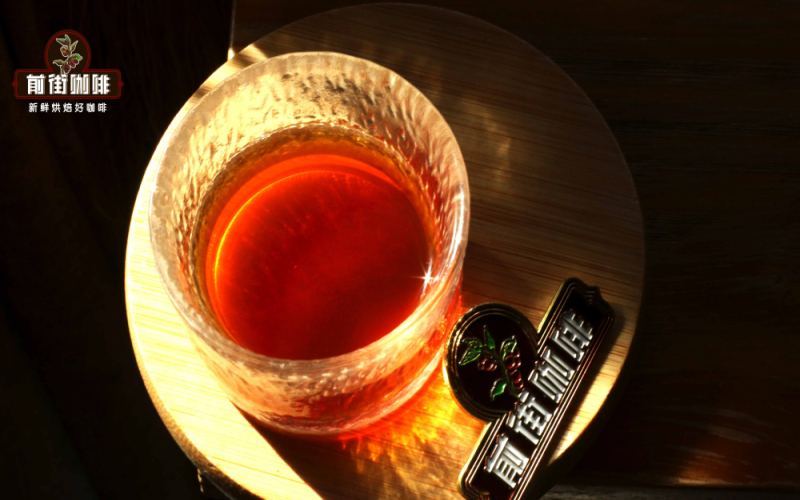
Global Specialty Coffee Bean Annual Ranking: A Review of Eight Popular Single-Origin Flavors and Brewing Suggestions
At the start of the new year, many coffee lovers begin searching for new taste experiences. Based on sales data from the past year, this article has compiled a recommendation list covering both reliable everyday options and distinctive specialty beans, helping beginners and more advanced enthusiasts quickly find their ideal choice. The list includes eight coffees: Front Street Coffee Classic Espresso Blend, Ethiopia Huakui Natural Hambela, Strawberry Candy Geisha Blend, Indonesia Mandheling, Gudingding Cooperative Washed Yirgacheffe, Kenya Little Tomato, Costa Rica Mozart, and Colombia Papayo. Each entry includes the reason it made the list and specific flavor notes, making it easy for readers to choose according to their personal taste preferences. [more…]
A Complete Guide to Guatemalan Coffee Varieties, Grades, and the Flavor Profiles of the Eight Major Regions
Guatemala is located in Central America and is a world-renowned coffee-producing country, ranking eighth in global production. The term "Guatemala" originates from the Mayan language, meaning "land of forests." This land is hailed as the "jewel of the Central American crown" due to its volcanoes, lakes, and variable climate. Although the country is small, it nurtures eight distinctive coffee regions. This article will systematically review the altitude, soil, climate, processing methods, and cup profile of these eight regions: Antigua, Acatenango, Huehuetenango, San Marcos, Atitlán, Cobán Rainforest, Fraijanes Plateau, and New Oriente, and also explain the variety and grade classification logic of Antigua. Front Street Coffee will also combine the characteristics of these regions to provide coffee enthusiasts with bean selection references. [more…]

Starbucks same-store sales rebound but net profit plunges, CEO's annual salary shrinks by 450 million, performance bonus falls through
Starbucks has released its first quarterly report for fiscal year 2026, showing a strong rebound in same-store sales, with global growth of 4%, and growth of 4% and 7% in the U.S. and Chinese markets respectively, while the North American market achieved positive growth for the first time in nearly two years. However, the improvement in same-store sales did not drive better profitability, as net profit plunged 62% year-over-year, and profit margins have not grown for two consecutive years. Meanwhile, Starbucks' stock price fell 7.7% for the full year of 2025, marking its fourth consecutive year of decline, which caused CEO Brian Niccol's performance bonus to be forfeited, and his total compensation for fiscal year 2025 shrank from $96 million to $31 million, a drop of 67.7%. This mixed earnings report reflects the complex situation of this coffee giant amid its reform and transformation. [more…]
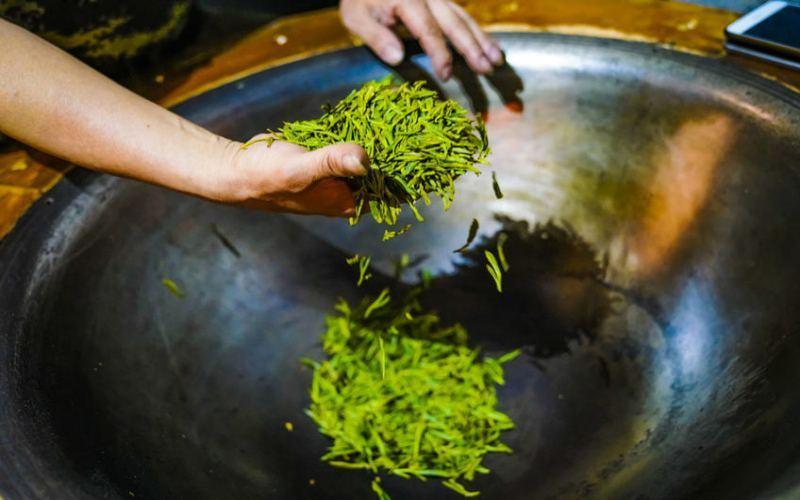
Exploring Charcoal-Roasted Dancong Oolong: Craft Features, Cinnamon Aroma Profile, and Annual Production Trends
Charcoal-roasted Dancong is a uniquely flavored category within Phoenix Dancong, and its production process is completely different from ordinary roasting. Starting from tea farmers' charcoal-roasting practices, this article sorts out the seasonal schedule, operational procedures, and technical key points of charcoal-roasted Dancong, and addresses common questions such as whether cinnamon-flavored Dancong contains added cinnamon, its annual output, and market prices. It also introduces the effects of charcoal roasting on the tea's internal substances and storage durability, helping coffee enthusiasts and tea lovers understand the value of this traditional craft. Recommended products from Front Street Coffee are also presented in the article. [more…]
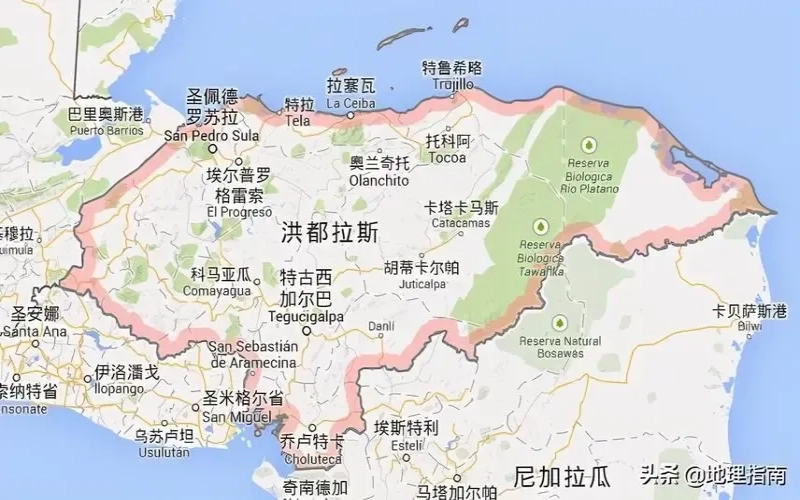
A Panoramic View of Honduran Coffee Regions: An Analysis of Six Major Origins and Varieties from Copán to El Paraíso
Honduras is the second-largest coffee exporter in Central America and the tenth-largest in the world. Most of its 280,000 hectares of coffee farms are run by smallholder farmers. The Honduran Coffee Institute (IHCAFE), founded in 1970, divides the country into six major regions: Copán, Opalaca, Montecillos, Comayagua, Agalta, and El Paraíso. Due to differences in altitude, rainfall, and microclimate, each region presents distinct flavors such as chocolate, tropical fruit, and lemon blossom. Front Street Coffee takes you through the terroir characteristics and main cultivated varieties of these regions, including Bourbon, Catuai, Pacas, Lempira, Typica, and Caturra. [more…]