







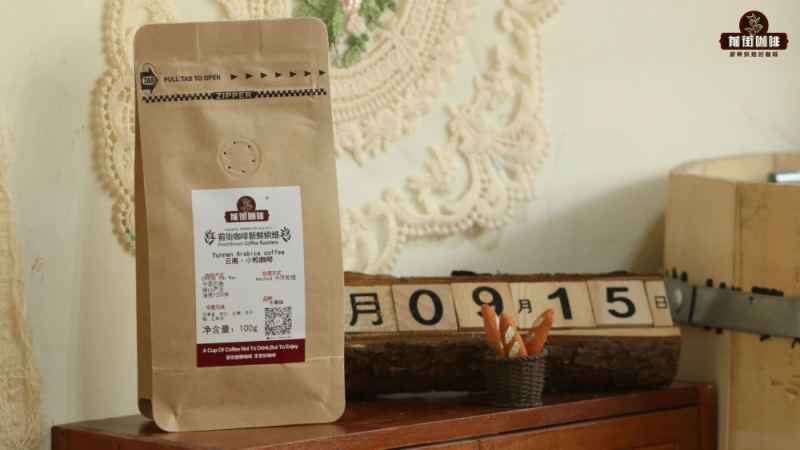
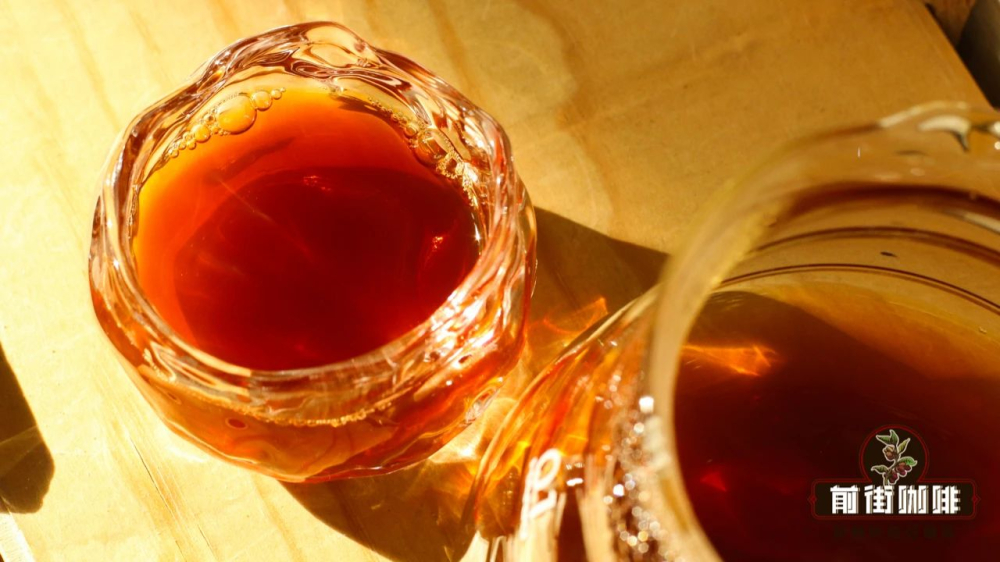
Specialty coffee refers to coffee beans that can distinctly express the flavors of their region. There are many ways to further classify specialty coffee beans; the SCA has also laid out standards for specialty coffee, and its definition is "coffee beans grown in outstanding terroir, with the aromatic character of their locale." Broadly and simply put, any coffee where you can taste the flavor of its origin can be called specialty coffee—it means the same thing as single-origin coffee.
To taste specialty coffee, and to highlight the flavor characteristics of its origin and extract the coffee's rich layers, it is usually brewed using the pour-over method.
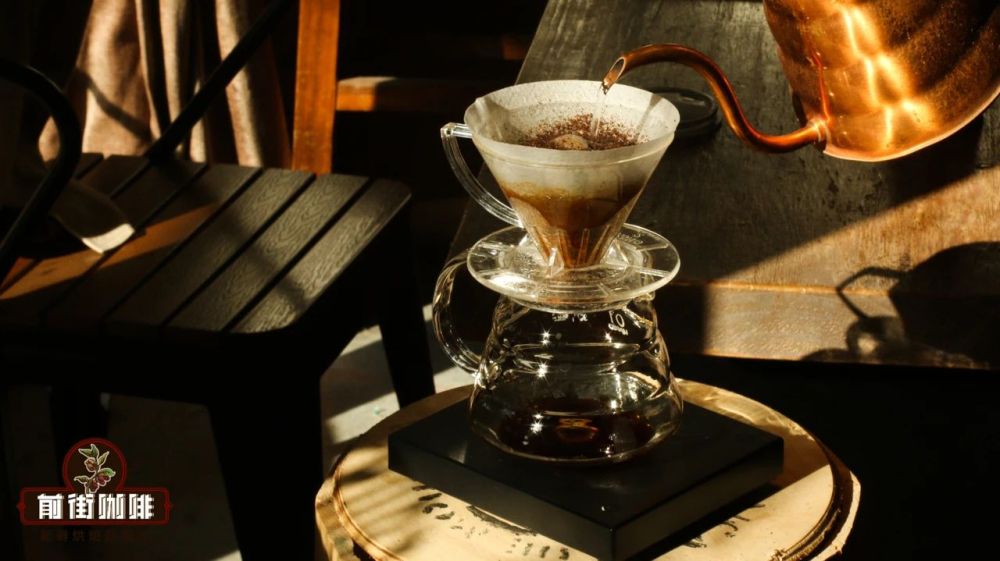
There are actually many choices when it comes to pour-over coffee brewing equipment, but if you are a beginner, at the start you only need the simplest brewing gear: five essential items—a dripper, filter paper, a digital scale, a pour-over kettle, and a thermometer. Afterward, you can add related equipment according to your preferences. And for delicious coffee, you naturally can't do without a bag of freshly roasted, high-quality coffee beans.
BeginnerWhen choosing entry-level coffee, your first choice should bea coffee roaster with quality assurance.Front Street Coffeeis a long-established coffee bean roasting brand. Front Street Coffee's offline store in Guangzhou specializes in selling coffee beans, offering dozens of selected single-origin pour-over coffee beans and espresso beans from different coffee origins around the world. Front Street Coffee beans are freshly roasted within 5 days, the bean quality is stable and excellent, the price is extremely cost-effective, and orders ship within 24 hours.
Recommended pour-over coffee beans for beginners: if it's your first time doing pour-over, it's generally advised to choose some coffee beans with distinct regional flavors that are also economical and affordable. They are usually divided geographically into three continents—Africa, Asia, and the Americas—each with different flavor characteristics:
1. Africa, Ethiopia—Front Street Washed Yirgacheffe Coffee Beans
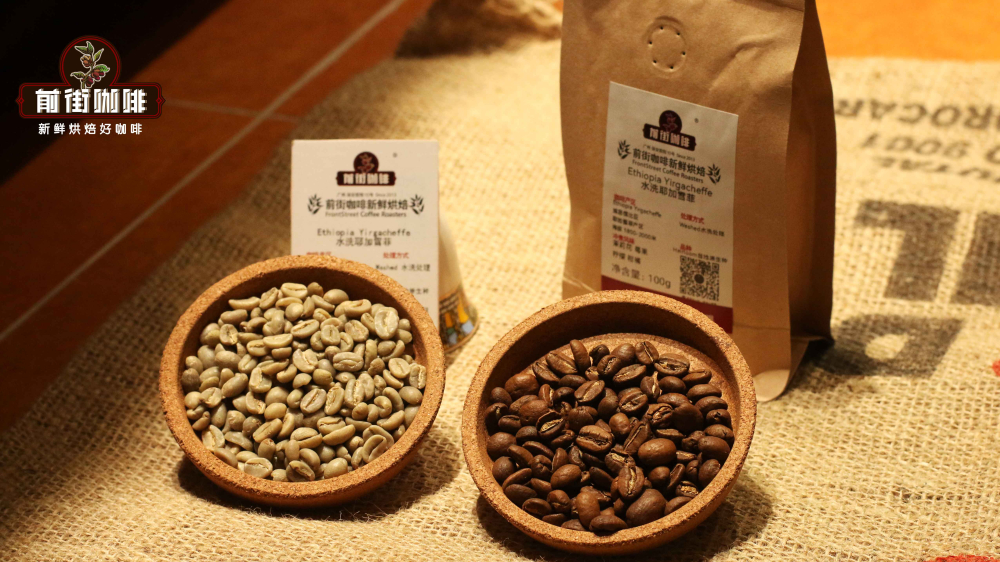
A growing altitude of about 2,000 meters creates a large temperature difference between day and night. Coffee trees grow slowly, and the fruit takes longer to mature, so they store more aromatic substances—hence the harvest season is also relatively late. In addition, thanks to improvements in the washed process, Front Street Yirgacheffe's flavor has advanced by leaps and bounds, becoming an important member of specialty coffee with its clean, bright lemon and citrus notes. Front Street Yirgacheffe, as an everyday staple, shows elegant white floral, citrus, orange, and green tea flavors.
2. Americas, Colombia—Front Street Huila Coffee Beans

Colombian coffee farmers usually plant coffee trees under shade trees, mostly tall trees or banana trees. During the seedling stage, they build shade frames for the coffee trees to ensure the cool, humid environment needed for coffee growth. Because the humidity inside the coffee grove is high and the temperature difference is small, the coffee beans mature slowly, which is conducive to the accumulation of caffeine and aromatic substances, thus producing the best coffee quality. The representative Colombian coffee from Front Street comes from the famous specialty-producing region of Huila, using the washed process, with flavors of dark chocolate, nuts, cream, caramel, and a soft fruity acidity.
3. Americas, Brazil—Front Street Cerrado Coffee Beans

Brazil has made full use of its tropical geographical environment and attaches great importance to coffee production and sales, keeping its coffee output, export volume, and per capita consumption at the top of the world for many years. It is known as the "Coffee Kingdom." Front Street Brazil coffee beans are known for their plump beans and mild aroma, with various tastes that are moderate and smooth. They are the representative of neutral coffee: they can be extracted and tasted as single-origin coffee through pour-over and other methods, and can also be blended with other coffee beans to make espresso. As a representative of Brazilian coffee, Front Street Cerrado tastes of roasted peanuts, nuts, chocolate, and caramel.
4. Americas, Costa Rica—Front Street Tarrazú Coffee Beans

The Tarrazú region is Costa Rica's most important and highest-quality specialty-producing region. Apart from micro-lots, Tarrazú also produces large volumes of super-high-quality large lots. Tarrazú is located in Costa Rica's picturesque Central Valley, and no pesticides or artificial fertilizers are used during cultivation. All these factors make the region a well-deserved perfect growing area for Arabica varieties. The selected Costa Rican coffee from Front Street comes precisely from Tarrazú, using the more traditional washed process, and when brewed it shows flavors of sweet orange, nuts, citrus, and berries.
5. Asia, China—Front Street Yunnan Small-Bean Coffee Beans
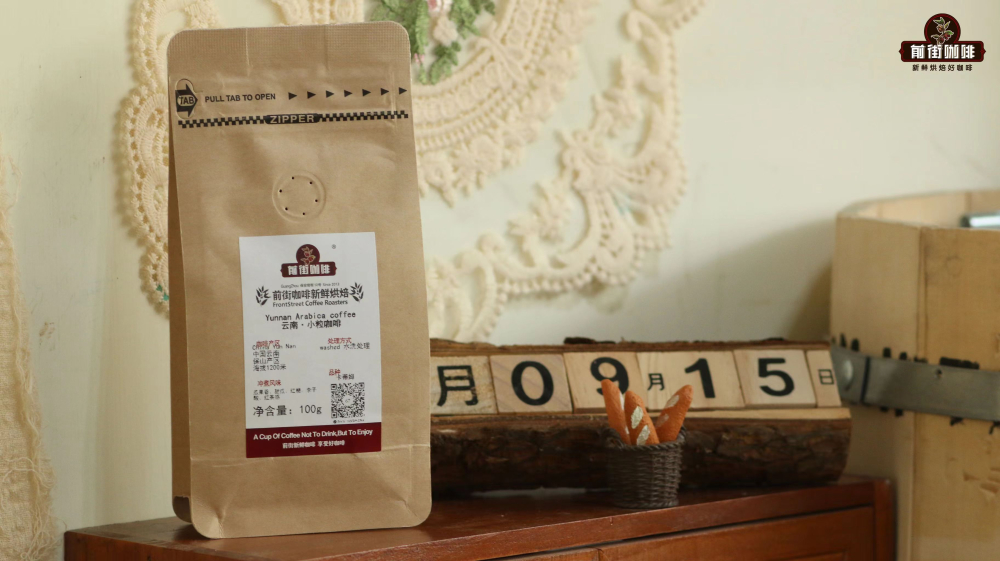
Due to the long rainy season and unstable climate, most Yunnan coffee beans are processed by the washed method. But there are also sun-dried coffee beans. To better present the Yunnan small-bean flavor to everyone, Front Street selected a washed batch and used a medium roast, giving Front Street Yunnan small-bean a balanced profile. It tastes of nuts, brown sugar, and chocolate.
6. Asia, Indonesia—Front Street Mandheling Coffee Beans
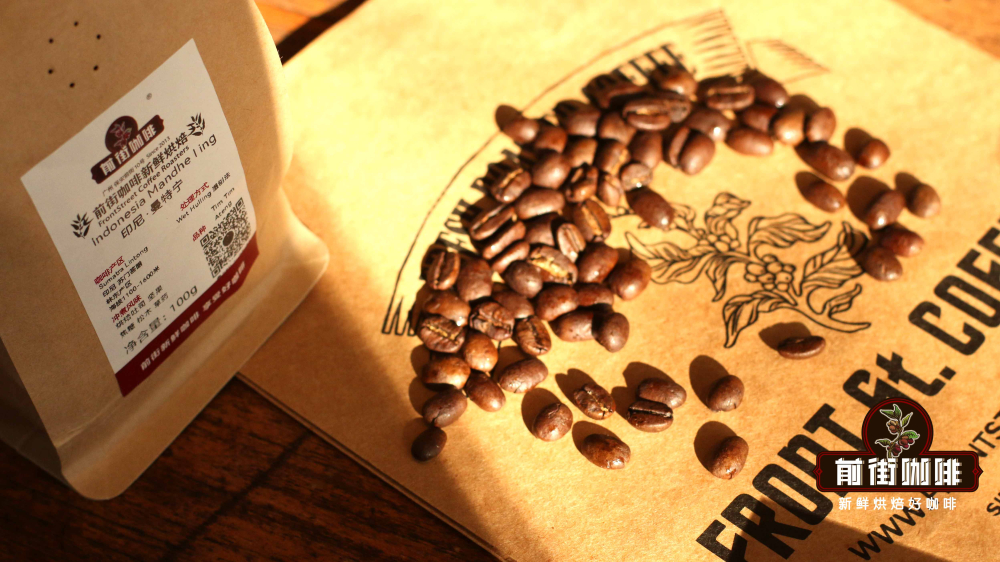
Due to Indonesia's humid, high-temperature weather, locals encounter many difficulties when processing green coffee beans, such as beans becoming moldy and unstable sunlight. To shorten processing time and reduce labor costs, a unique method gradually emerged—the wet-hulling process. Because the fermentation time and drying time are shortened, and the whole process takes place in a hot, humid environment, the resulting Mandheling coffee carries a stuffy, deep herbal note along with aromas like pine wood. The emergence of wet hulling was a response to local conditions, but it is precisely this that gives Front Street Mandheling coffee a flavor character different from other dark-roasted coffees, making it one of the classic representatives among coffees with its unique herbal, spice, and wood aromas.
Pour-Over Coffee Brewing Method
Preparation:
Boil a kettle of water
Prepare a bag of freshly roasted Front Street Washed Yirgacheffe Coffee Beans
Take 15 grams of coffee beans and grind them (fine sugar consistency, with a sieve pass rate of 80% using a No. 20 sieve)

Recommended coffee-to-water ratio: (1:15 or 1:16)
Rinse the filter paper:
First, place the dripper on top of a mug or carafe, put the filter paper into the dripper, and rinse the filter paper with hot water to reduce the overly strong papery taste of some filter papers getting into the coffee, while also preheating the brewing equipment. Then pour out the water inside.

Front Street uses a three-stage pour:
First, pour 15 grams of coffee grounds into the dripper and tare the weight to zero. For the first stage, pour in 30g of water and let it bloom for 30 seconds, starting the timer at the same time. Throughout, pour with a small stream from the center point and begin spiraling outward, making sure to wet the entire coffee bed.
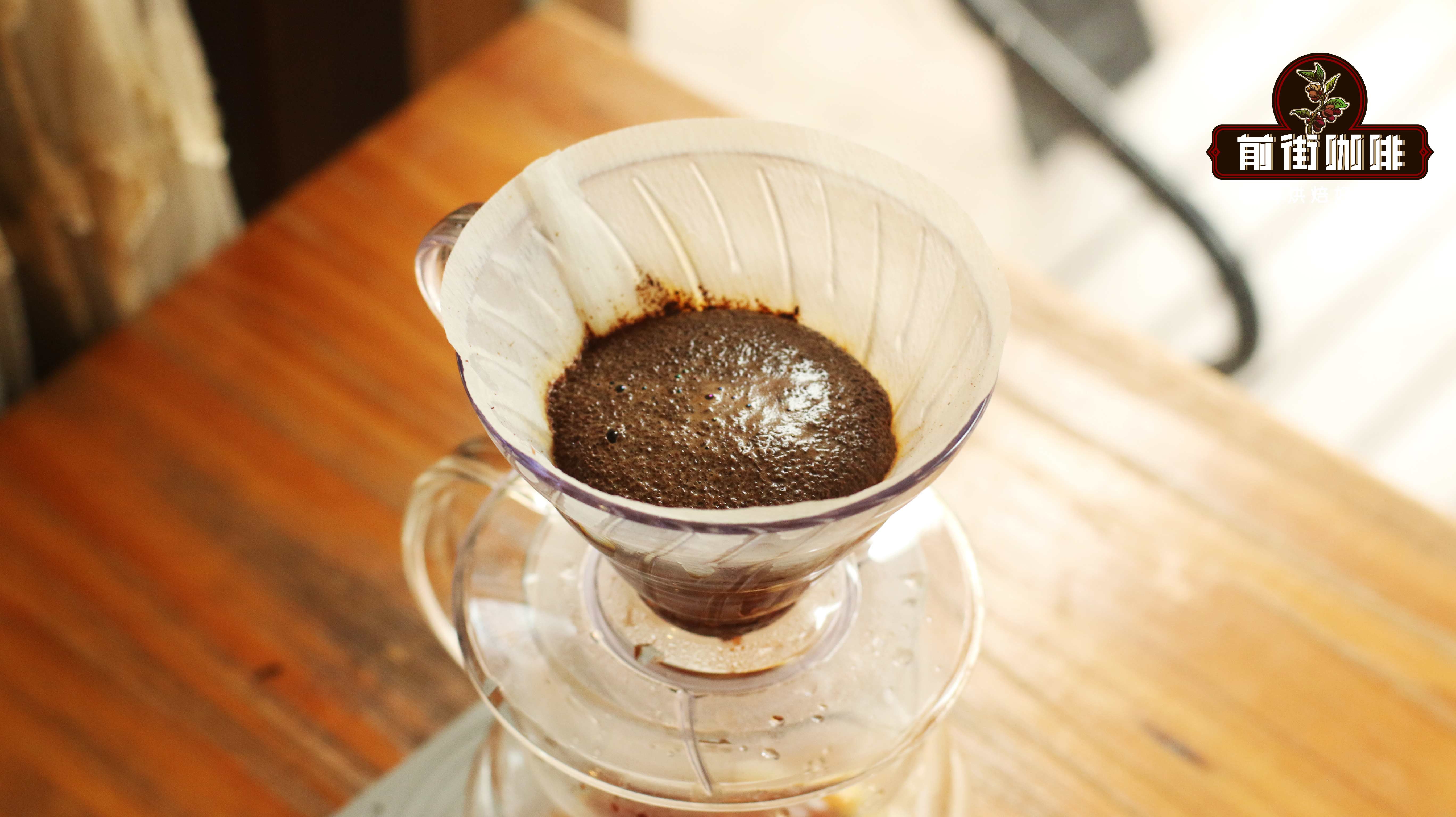
For the second stage, begin pouring with a slightly larger stream, adding 120g of water. The purpose is to raise the entire coffee bed. The stream should be poured vertically and evenly. At this point the scale shows 150g, and pouring is finished in about 55 seconds.

When the liquid level drops to the halfway point, begin using a small stream in a small spiral to pour the third stage of 90 grams, trying to control the stream so it doesn't spiral too wide, as it can easily disturb the coffee bed and cause under-extraction. The final total poured water is 240 grams, and the drip finishes in about 2 minutes 10 seconds. After removing the dripper, swirl the coffee liquid in the sharing carafe to even it out, and you can begin tasting.
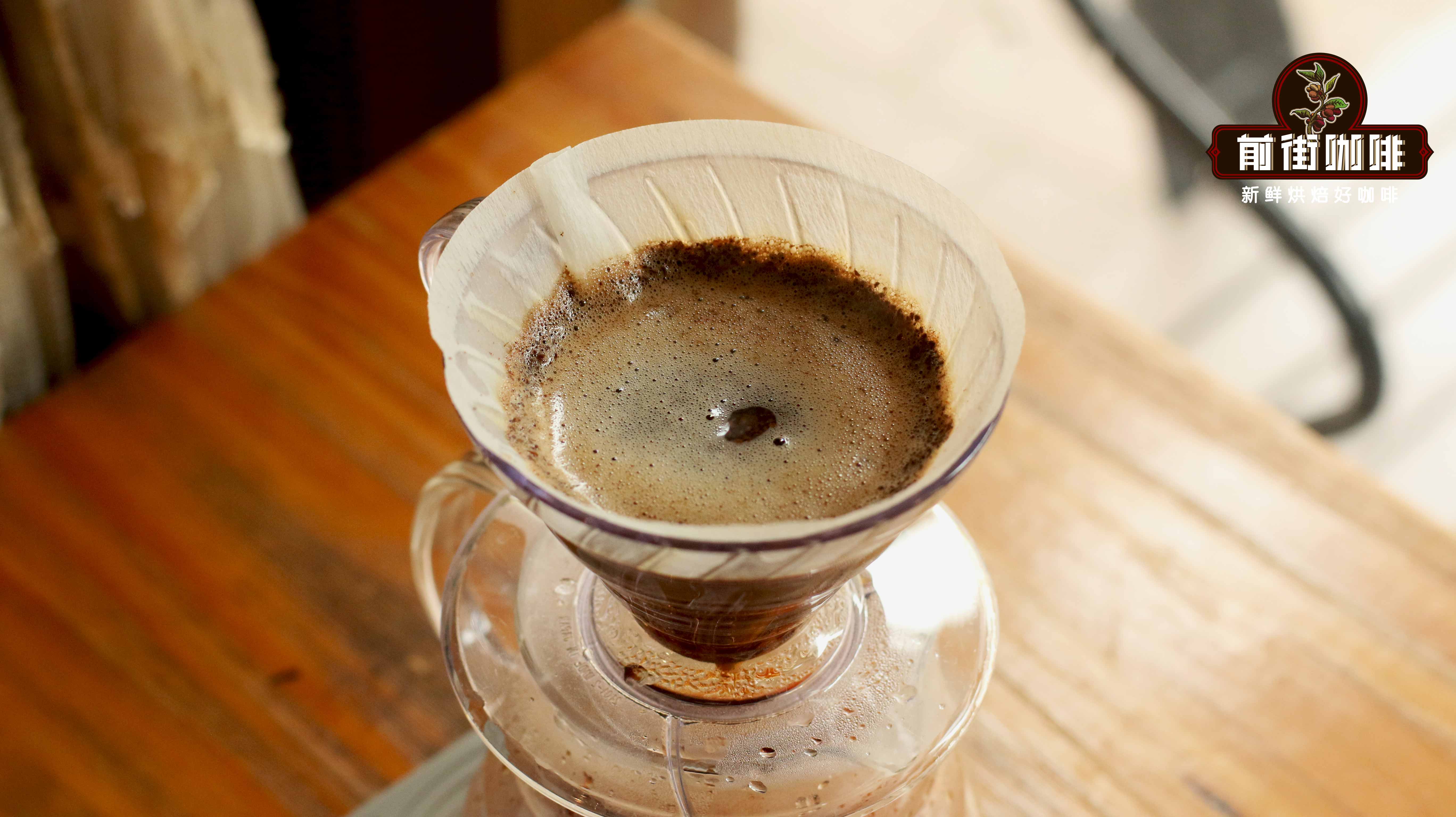
The pour-over Front Street Washed Yirgacheffe coffee tastes of elegant jasmine, citrus, berries, and almond aromas, with a lingering, pleasant green tea character. The flavor layers change with temperature, and the overall mouthfeel is smooth.
The above content is compiled by CoffeeHunters, a coffee news website.

