







Search Results for: misspelled names
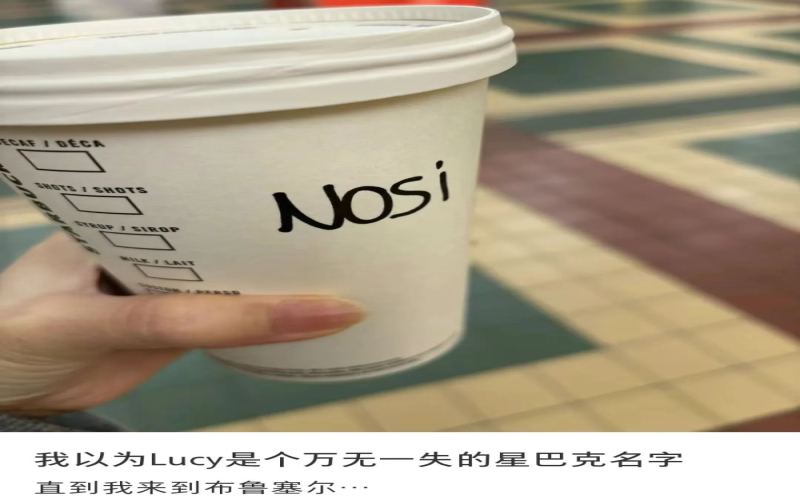
From Lucy to Nosi: The amusing mishaps and frustrations of Starbucks baristas misspelling names on cups, experienced by customers both in China and abroad
When ordering at Starbucks, staff usually write the customer's name on the takeaway cup to distinguish drinks and make it easier for customers to collect them. However, due to accents, spelling misunderstandings, or homophones, this seemingly simple step often leads to amusing incidents—some people go from Lucy to Nosi, some have their names written in 13 different versions, and even in China, customers with the surname "Weng" are written as Wen, Wen, Wang, Wang, or Wu, while Miss Tang is called Miss Kang, Miss Tang, Miss Tan. Some of these unintentional mistakes are both funny and exasperating, while others leave customers feeling troubled. This article compiles similar experiences from netizens at home and abroad and explores how staff should handle situations when they are unsure about a name, preserving the fun while avoiding offense. [more…]
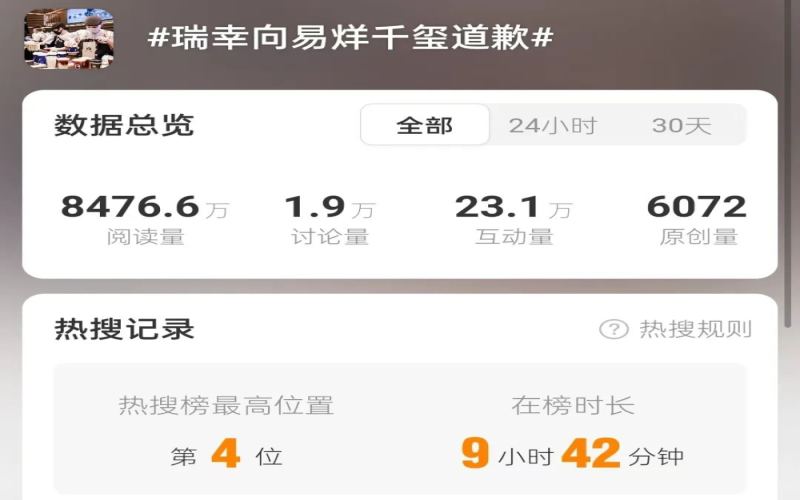
Luckin Customer Service Repeatedly Misspelled Jackson Yee's Name, Official Apology Issued but Fans Still Unappeased
Luckin Coffee has sparked strong dissatisfaction among fans after its online customer service and backend systems repeatedly misspelled the name of its brand ambassador, Jackson Yee, with related topics quickly trending on Weibo and ranking second on Xiaohongshu's hot list. Although Luckin subsequently posted an apology letter on Weibo, admitting the mistake and correcting it immediately, fans were not satisfied with the official response, believing that such disrespectful errors occurring repeatedly during the endorsement contract period were unacceptable. Previously, the roasted coconut latte endorsed by Jackson Yee surpassed 10.04 million cups in first-week sales, with fans contributing enormously, yet now the system cannot even correctly input the ambassador's name, which is truly lamentable. [more…]
Nestlé opens an instant coffee pop-up shop in Toronto, but instead of selling coffee, it asks customers to bring their own brew
Nestlé recently opened a pop-up shop on Queen Street West in Toronto, Canada, but it is completely different from a regular café—there is no menu, no baristas, and not even any coffee drinks for sale. Customers must bring their own Nestlé instant coffee to swipe as a "door access card" to enter, and the shop only provides hot water, takeaway cups, comfortable sofas, and free Wi-Fi. This pop-up, open until June 28, feels more like a carefully planned brand marketing campaign. A senior marketing manager for Nestlé Canada said that although brewing instant coffee at home is simple, people sometimes also long to gather with friends in a café atmosphere. Notably, the cups provided in the shop are printed with deliberately misspelled names, seemingly poking fun at a certain coffee chain brand. Nestlé also built a separate website for its Sweet Cream Instant Coffee and invited consumers to vote on which city the next stop should be. Front Street Coffee believes that this kind of marketing is intended to strengthen the presence of instant products, but the flavor performance of instant coffee itself remains open to debate. [more…]
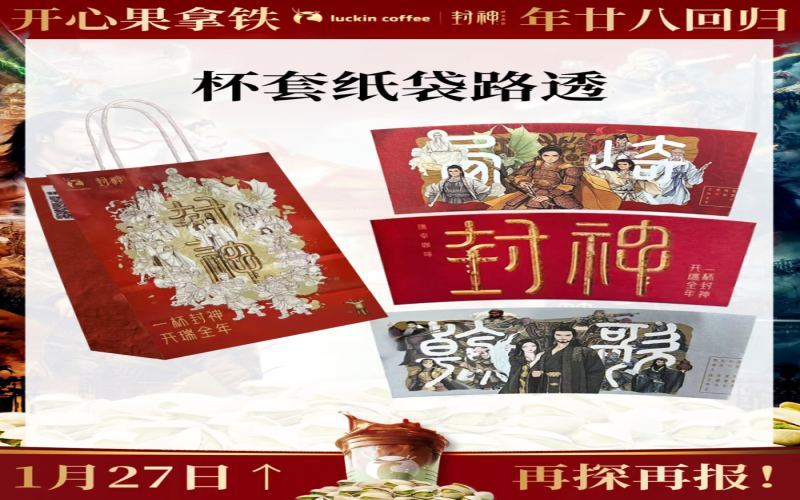
Luckin Coffee's collaboration with "Creation of the Gods II" featured a typo in its promotional materials, where "Xiqi" was mistakenly written as "Xiqi," sparking heated discussion among netizens.
Luckin Coffee's co-branding collaboration with the mythological film "Creation of the Gods II: Demon Force" had not yet officially launched when it drew widespread attention due to a typo on the cup sleeves. The cup sleeves, which should have borne the two characters "西岐" (Xiqi), were mistakenly printed with "西崎" (Xiqi). This error quickly fermented on social media. Netizens flooded online channels to call on Luckin Coffee officials, hoping for a swift recall and reprint. However, given the approaching Spring Festival, factory and logistics shutdowns for the holiday, and the film's release schedule, a reprint was nearly impossible. Ultimately, based on new merchandise photos shared by employees, Luckin appeared to have chosen to let the mistake stand and continued to roll out this batch of misspelled cup sleeves. This article will walk you through the entire sequence of events and also look at how brands like Front Street Coffee have performed with their co-branded merchandise. [more…]
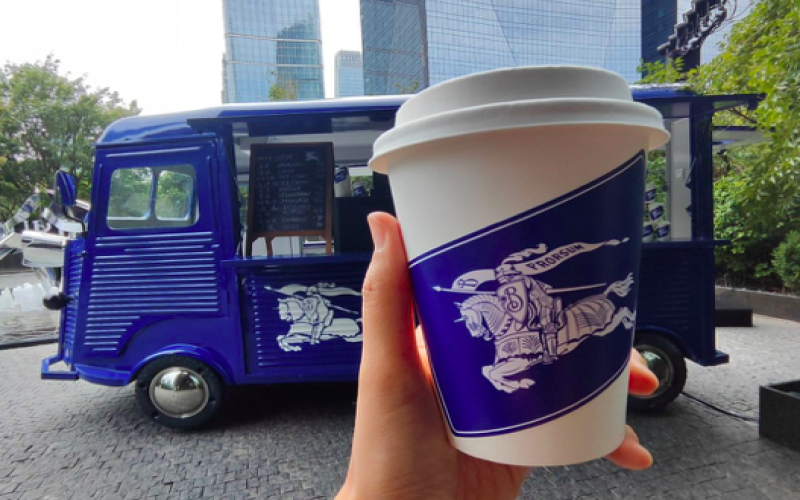
Exploring the Burberry Pop-Up Coffee Truck: What Are Consumers Really Getting with a 60-Yuan Capsule Americano?
Luxury brands venturing into coffee is nothing new—LV, Dior, Gucci, and others have all launched themed coffee events. Recently, Burberry opened a sapphire-blue pop-up coffee truck downstairs from the Rosewood Beijing, drawing plenty of passersby and aesthetics-driven visitors to stop and take photos. However, after one curious consumer paid a visit, they discovered that the coffee here, averaging 60 yuan a cup, was actually made with Nestlé capsules—and the latte they ordered turned out to be an Americano when it arrived. Even more surprising, the handwritten menu had misspelled the English word for Americano. Is this cup, jokingly called "90% emotional value" by netizens, actually worth paying for? Let's find out. [more…]
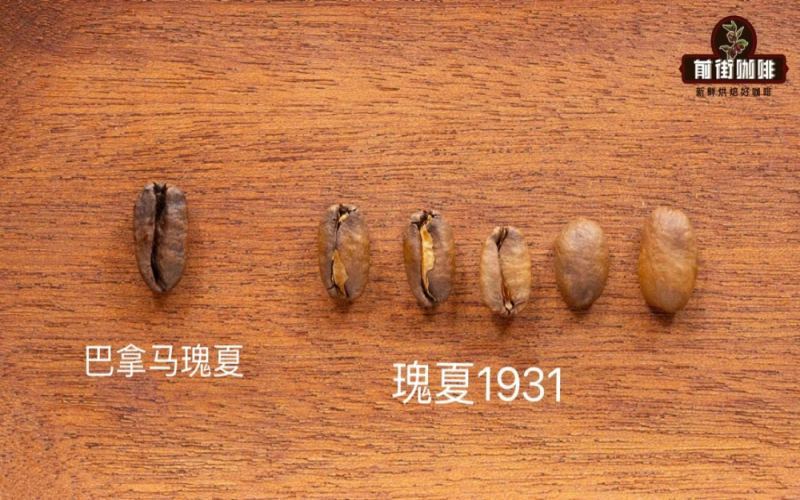
Unraveling the Origins of the BOP Champion Geisha: The Varietal Legend from Ethiopia's Gesha Forest to Panama's T2722
Geisha is the most renowned specialty coffee variety after Blue Mountain, and it is also the priciest signature treasure of many cafés. Yet beans sold under the Geisha name can differ wildly in flavor. This article begins with the 2004 BOP competition, tracing Geisha's complete journey from the Gesha forest in Ethiopia to Kenya, Tanzania, and Costa Rica, before it finally shone at Hacienda La Esmeralda in Panama. It explains the origin of the key designation T2722 and answers why Geisha from Ethiopia and Costa Rica tastes noticeably different from Panama's. Front Street Coffee helps you understand the varietal truth behind sky-high Geisha in one article. [more…]
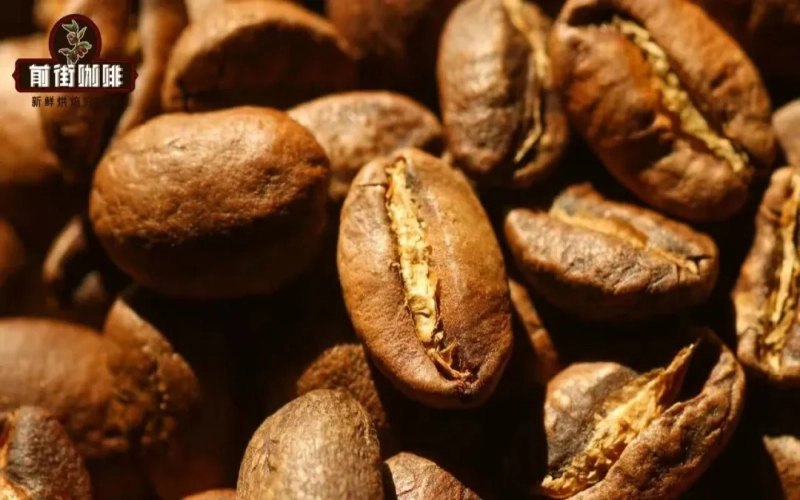
Flavor Differences Between Ethiopian Geisha and Panamanian Geisha: Same Name, Different Variety—Why the Huge Gap in Price and Taste
Geisha coffee varies significantly in flavor and price depending on its origin and processing method. Among them, Ethiopian Geisha and Panamanian Geisha often spark lively discussion among coffee enthusiasts due to their stark differences in price and taste. Although the two share the name "Geisha," they are actually entirely different varieties. Panamanian Geisha originated from the Geisha forest in Ethiopia, was discovered by Hacienda La Esmeralda, and won the 2004 BOP competition, known for its white floral notes, citrus fruit character, and green tea-like quality, with the designation T2722; Ethiopian Geisha, on the other hand, tends to have a rich, juicy mouthfeel and is genetically more distantly related to Panamanian Geisha, making it something of a distant relative. This article will outline the origins and flavor differences of the two, and recommend several high-value Geisha beans from Front Street Coffee for comparative tasting. [more…]
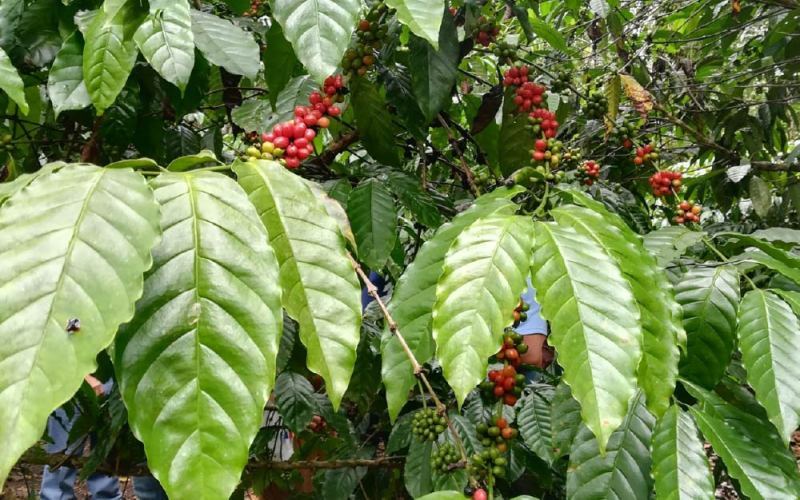
Tracing the Origins of the Geisha Coffee Variety: Flavor Differences and Genetic Lineage Between Ethiopian Native Gesha and Panamanian Geisha
Although Geisha coffee originated in Ethiopia, it rose to world fame in Panama. What many people do not know is that the Geisha grown in Central America today and the native Geisha of Ethiopia are actually two different varieties, a fact hinted at by the difference in spelling between Gesha and Geisha. Through comparison, Front Street Coffee found that Panamanian Geisha is known for its refined fruit acidity, floral aroma, and tea-like body, while native Ethiopian Gesha presents notes of citrus, almond, and tea, with slightly less complexity. This article traces Geisha's century-long journey from being collected in the Kaffa forest to achieving fame in Panama, sorts out the genetic relationship between T2722 and Gesha1931, and introduces the flavor characteristics of the Ethiopian Gesha Village and Panamanian Hacienda La Esmeralda series Geisha coffee beans currently sold by Front Street Coffee. [more…]
How Much Does Geisha Coffee Cost? The Origins, Flavor, and Aroma of the Authentic Geisha Variety Explained
Geisha coffee is also known in China as "艺伎咖啡" (Geisha coffee), and is a member of the Ethiopian strain within the Arabica family, originally from Africa. Although it originated in Ethiopia, it rose to fame in Panama. Interestingly, the Geisha grown today in Panama and Central and South America is actually a different variety from the native Geisha of Ethiopia. Through comparison, Front Street Coffee has found that the two differ noticeably in flavor expression. This article will take you through the history of Geisha's discovery, analyze the varietal relationship between the two major producing regions, and introduce in detail the various Geisha coffee beans currently sold by Front Street Coffee along with their flavor characteristics, providing coffee lovers with a complete guide to Geisha knowledge. [more…]

Gesha Village Coffee Pour-Over Guide: From Estate Grades to Red Label and Gold Label Flavors and Brewing Parameters Explained
Geisha coffee is now a star in the specialty coffee world, but the story of its origin is little known. This article begins with Geisha's bumpy history and takes you into the Gesha Village Estate in Bench Maji, Ethiopia, to learn about the differences among the three main varieties—Gori Gesha, Gesha 1931, and Illubabor—as well as the grading system of Auction, Gold, Red, Green, and CHAKA. Front Street Coffee will also share the pour-over parameters and three-stage extraction steps for Gesha Village Red Label. Whether you are new to Geisha or a seasoned enthusiast, you will find something worth referencing. [more…]
Ethiopia Gesha Village Gesha Coffee Brewing Guide: From Historical Origins to Distinguishing Red Label and Gold Label Flavors
Geisha coffee is now a star variety in the specialty coffee world, but many people are unaware that its true birthplace is actually Ethiopia. This article begins with Geisha's tumultuous origins, tracing its legendary journey from the Kaffa Forest to Panama and back to Gesha Village, providing a detailed introduction to the establishment of Gesha Village, its block divisions, and grading system, and focusing on a comparison of the variety, production area, and flavor differences between the Gold Label and Red Label products. Finally, Front Street Coffee uses its own in-store brewing as an example to fully demonstrate the pour-over steps for Gesha Village Red Label, offering recommendations for the dripper, water temperature, coffee dose, grind size, and three-stage pouring, for coffee enthusiasts to reference and compare with their own brewing approach. [more…]
Gesha Village Red Label Coffee Pour-Over Method Explained: How Much Is a Cup of Ethiopian Gesha Village Red Label?
Gesha Village Red Label Gesha is one of the core lots produced by Gesha Village Estate in Ethiopia, and it is often compared with the Emerald Red Label Gesha on Front Street Coffee's bean list. This article begins with the origin story of Gesha, tracing the complete journey of this variety from the Kaffa forest to Panama and then to Gesha Village Estate, and introduces in detail the grading system of Gesha Village Estate, including the characteristics of each grade: Auction, Gold, Red, Green, and CHAKA. Front Street Coffee also presents the complete brewing parameters and three-stage extraction steps for Gesha Village Natural Red Label, for coffee lovers to refer to and compare, helping everyone brew a clean and bright African natural flavor at home. [more…]

An In-Depth Analysis of Ethiopia's Bench Maji Region: The Origin Story of Gesha Village Estate and Native Geisha
Among Ethiopia's many coffee-producing regions, Yirgacheffe, Sidamo, and Guji Hambela often dominate the conversation, but Bench Maji on the western border is an underrated treasure. Not only does it preserve vast tracts of virgin forest, it is also home to the renowned Gesha Village Coffee Estate and the area where the Geisha variety was first discovered. Front Street Coffee will take you into Bench Maji, sorting through its geography and climate and its forest-based cultivation model, tracing the century-long story of Geisha from the Kafa forest to Panama and then to the founding of Gesha Village, and offering a detailed breakdown of Gesha Village's Gold Label, Red Label, and other grading systems along with brewing recommendations. [more…]
Ethiopia Bench Maji Region Full Guide: The Birthplace of Geisha, Forest Planting Model, and the Grading System of Gesha Village
In Ethiopia's specialty coffee landscape, Yirgacheffe, Sidamo, and Guji Hambela often take center stage in conversations, but along the country's western border lies a coffee region covered in pristine forest and renowned for its high-quality beans—Bench Maji. It is not only the birthplace of the Geisha variety but also home to the Gesha Village Coffee Estate. This article will cover the geography and climate, cultivation patterns, and the history of Geisha's origins, then move on to the grading system at Gesha Village, followed by Front Street Coffee's detailed introduction to Gold Label and Red Label Geisha along with pour-over recommendations, giving coffee lovers a complete picture of this understated yet highly capable region. [more…]
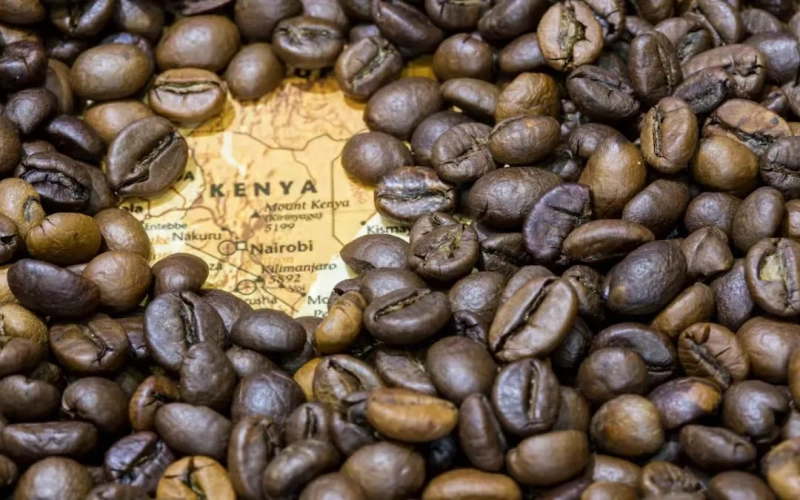
A Complete Analysis of Coffee Bean Naming Logic: From Yirgacheffe to Mandheling, Understanding the Meaning Behind Bean Names
Faced with a dazzling array of coffee bean names—Geisha, Huakui, Guodingding, Cherry Tomato... those new to specialty coffee are often bewildered. Some of these names come from the place of origin, some from the variety, and others carry special meanings. This article systematically sorts out the naming logic of coffee beans, from the early practice of naming by place of origin to today's evolution of "region + micro-region/producer/variety/trade name," combining specific examples from Front Street Coffee's bean list to help readers understand the information behind each bean's name. The article also specifically explains the meaning of Yirgacheffe and the origin of the name Mandheling, so that coffee lovers will no longer be confused when making purchases. [more…]

A Practical Guide to Naming Your Coffee Shop: Start with Positioning, Avoid Pitfalls, and Choose a Name That's Memorable and Shareable
Opening a coffee shop—the name is often the very first way customers remember you. This article explores the challenges of naming a coffee shop, the phenomenon of crowdfunding names online, and practical naming principles. Drawing on real cases from Xiaohongshu and netizens' creative ideas, it explains that a good name should be readable, memorable, and shareable, while also cautioning against blindly chasing foreign-language names at the expense of shareability. The article also retains relevant product information from Front Street Coffee, offering a reference for coffee enthusiasts preparing to open a shop. [more…]
Coffee Bean Names and Their Meanings | How Are Green Coffee Beans Named? Which Coffee-Producing Regions Do Yirgacheffe, Bourbon, Geisha, and Mandheling Come From?
Years ago, coffees were named quite simply, mostly just after the region where the producer was located. For example, coffee from Yirgacheffe was called Yirgacheffe coffee, coffee from Honduras was called Honduras coffee, coffee from Brazil was called Brazil coffee... But [more…]
A Full Analysis of Single-Origin Coffee Bean Naming Rules: The Naming Logic from Origins and Competition Titles to Estate Brands
Step into Front Street Coffee, and faced with the long and short names on the bean list, many coffee lovers can't help but wonder: where exactly do these names come from? This article systematically sorts out the several mainstream naming methods for single-origin coffee beans—naming by producing region or producer, naming by green bean competition titles, naming by estate product lines, and the historical origins of the special name Mandheling. It also explains the meanings of common suffix letters and numbers such as G1, AA, and SHB, helping you understand the information behind the bean list and shop with greater confidence. [more…]
A Complete Guide to Coffee Bean Naming: From Origins and Competition Titles to Processing Methods and Grading Standards
Faced with the dense bean list at Front Street Coffee, many coffee lovers wonder: why can coffee bean names be so long? In fact, behind every string of names lie clues about origin, variety, processing method, or brand positioning. This article systematically sorts out the common logic behind coffee bean naming, including naming by production region or producer, naming by raw bean competition award titles, naming by estate-exclusive products, and the origin of the special name Mandheling. Finally, it also explains the meanings of grading labels such as G1, AA, and SHB, helping you more easily understand the information on coffee bean packaging. [more…]
From Origin to Variety, to Competitions and Estates: A Complete Guide to How Specialty Coffee Beans Are Named
Walking into Front Street Coffee (FrontStreet Coffee) and facing the names of dozens of coffee beans on the menu, many people wonder: Aren't Bach and Mozart musicians? How did they become coffee beans? In fact, there is a complete logic behind the naming of coffee beans. In the early days, coffee beans were mostly named after countries, regions, or ports. After entering the specialty coffee era, traceability information has become increasingly detailed. Estate names, green bean competition rankings, barista competition beans, variety names, processing methods, and even brand classifications can all become the name of a bean. This article will systematically sort out the various rules for naming coffee beans to help you no longer feel confused when ordering. [more…]