







Search Results for: name
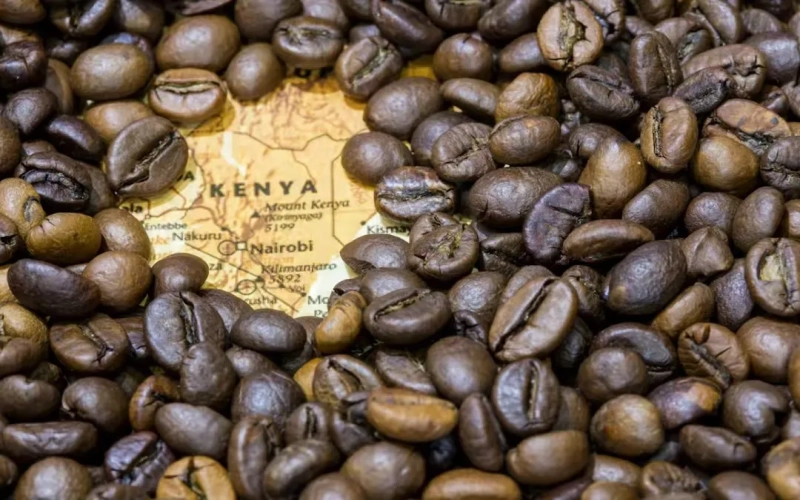
A Complete Analysis of Coffee Bean Naming Logic: From Yirgacheffe to Mandheling, Understanding the Meaning Behind Bean Names
Faced with a dazzling array of coffee bean names—Geisha, Huakui, Guodingding, Cherry Tomato... those new to specialty coffee are often bewildered. Some of these names come from the place of origin, some from the variety, and others carry special meanings. This article systematically sorts out the naming logic of coffee beans, from the early practice of naming by place of origin to today's evolution of "region + micro-region/producer/variety/trade name," combining specific examples from Front Street Coffee's bean list to help readers understand the information behind each bean's name. The article also specifically explains the meaning of Yirgacheffe and the origin of the name Mandheling, so that coffee lovers will no longer be confused when making purchases. [more…]

A Practical Guide to Naming Your Coffee Shop: Start with Positioning, Avoid Pitfalls, and Choose a Name That's Memorable and Shareable
Opening a coffee shop—the name is often the very first way customers remember you. This article explores the challenges of naming a coffee shop, the phenomenon of crowdfunding names online, and practical naming principles. Drawing on real cases from Xiaohongshu and netizens' creative ideas, it explains that a good name should be readable, memorable, and shareable, while also cautioning against blindly chasing foreign-language names at the expense of shareability. The article also retains relevant product information from Front Street Coffee, offering a reference for coffee enthusiasts preparing to open a shop. [more…]
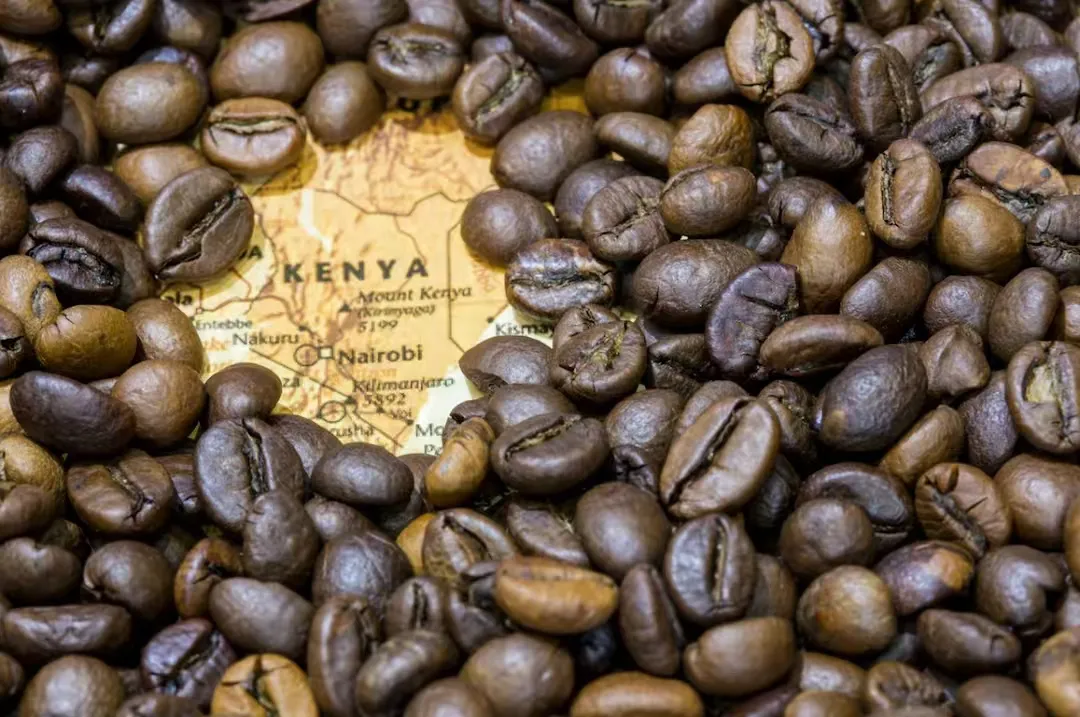
Coffee Bean Names and Their Meanings | How Are Green Coffee Beans Named? Which Coffee-Producing Regions Do Yirgacheffe, Bourbon, Geisha, and Mandheling Come From?
Years ago, coffees were named quite simply, mostly just after the region where the producer was located. For example, coffee from Yirgacheffe was called Yirgacheffe coffee, coffee from Honduras was called Honduras coffee, coffee from Brazil was called Brazil coffee... But [more…]
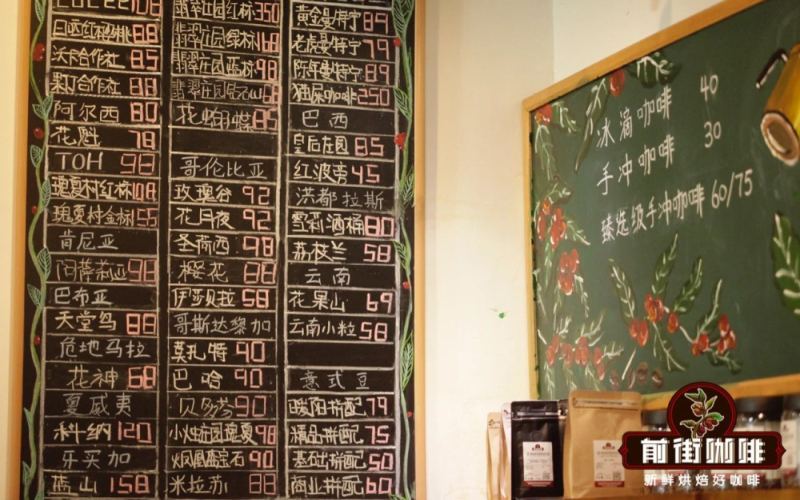
A Full Analysis of Single-Origin Coffee Bean Naming Rules: The Naming Logic from Origins and Competition Titles to Estate Brands
Step into Front Street Coffee, and faced with the long and short names on the bean list, many coffee lovers can't help but wonder: where exactly do these names come from? This article systematically sorts out the several mainstream naming methods for single-origin coffee beans—naming by producing region or producer, naming by green bean competition titles, naming by estate product lines, and the historical origins of the special name Mandheling. It also explains the meanings of common suffix letters and numbers such as G1, AA, and SHB, helping you understand the information behind the bean list and shop with greater confidence. [more…]
A Complete Guide to Coffee Bean Naming: From Origins and Competition Titles to Processing Methods and Grading Standards
Faced with the dense bean list at Front Street Coffee, many coffee lovers wonder: why can coffee bean names be so long? In fact, behind every string of names lie clues about origin, variety, processing method, or brand positioning. This article systematically sorts out the common logic behind coffee bean naming, including naming by production region or producer, naming by raw bean competition award titles, naming by estate-exclusive products, and the origin of the special name Mandheling. Finally, it also explains the meanings of grading labels such as G1, AA, and SHB, helping you more easily understand the information on coffee bean packaging. [more…]

From Origin to Variety, to Competitions and Estates: A Complete Guide to How Specialty Coffee Beans Are Named
Walking into Front Street Coffee (FrontStreet Coffee) and facing the names of dozens of coffee beans on the menu, many people wonder: Aren't Bach and Mozart musicians? How did they become coffee beans? In fact, there is a complete logic behind the naming of coffee beans. In the early days, coffee beans were mostly named after countries, regions, or ports. After entering the specialty coffee era, traceability information has become increasingly detailed. Estate names, green bean competition rankings, barista competition beans, variety names, processing methods, and even brand classifications can all become the name of a bean. This article will systematically sort out the various rules for naming coffee beans to help you no longer feel confused when ordering. [more…]

Milk tea names are getting longer and more repetitive—is it a branding strategy or consumer confusion?
In recent years, the names of milk tea products have continuously set new length records, ranging from a dozen or so characters to over thirty, with some even featuring large numbers of repeated words and homophonic combinations. Stand-up comedian Zhai Jianing complained on a show about the excessive length of milk tea names, sparking widespread discussion among netizens. Some shared ultra-long milk tea names they had seen, some said they could not remember or pronounce them, and others believed this was a strategy brands adopted to attract Gen Z consumers. Why has milk tea naming become so extreme? What is consumers' attitude toward this? This article sorts out the marketing logic and market controversy behind the milk tea naming phenomenon, and explores the relationship between drink quality and naming. [more…]
The Naming Logic of Mandheling Coffee Beans and a Guide to Identifying the Four Major Categories: A Complete Interpretation from Region to Grade
Walking into Front Street Coffee and facing a dazzling array of coffee beans, many coffee lovers feel completely lost. What exactly gives these coffee beans the right to be named this way? This article will systematically sort out the naming rules for single-origin coffee beans from the perspectives of origin naming, competition titles, estate brands, and processing methods, and will focus on breaking down the four major subtypes of Mandheling coffee—Lintong Mandheling, Golden Mandheling, Tiger Mandheling, and Aged Mandheling—to help you quickly distinguish the differences when buying. At the same time, the article will also explain the grading meanings represented by common suffixes such as G1, AA, and SHB, so that you can understand the information behind coffee bean labels at a glance. [more…]
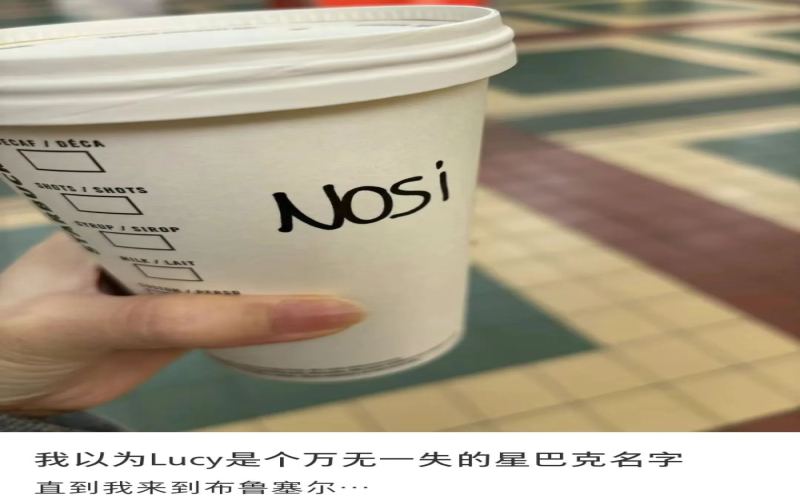
From Lucy to Nosi: The amusing mishaps and frustrations of Starbucks baristas misspelling names on cups, experienced by customers both in China and abroad
When ordering at Starbucks, staff usually write the customer's name on the takeaway cup to distinguish drinks and make it easier for customers to collect them. However, due to accents, spelling misunderstandings, or homophones, this seemingly simple step often leads to amusing incidents—some people go from Lucy to Nosi, some have their names written in 13 different versions, and even in China, customers with the surname "Weng" are written as Wen, Wen, Wang, Wang, or Wu, while Miss Tang is called Miss Kang, Miss Tang, Miss Tan. Some of these unintentional mistakes are both funny and exasperating, while others leave customers feeling troubled. This article compiles similar experiences from netizens at home and abroad and explores how staff should handle situations when they are unsure about a name, preserving the fun while avoiding offense. [more…]
From Blue Mountain to Geisha: The Geographic, Varietal, and Human Logic Behind Coffee Bean Naming
Coffee has become a daily beverage, second only to petroleum in global trading volume. As domestic coffee culture continues to grow, specialty coffee has gradually become the core selling point of cafés, with beans from different origins dazzling the eye. But have you ever wondered where these names actually come from? Blue Mountain, Yirgacheffe, Geisha, Mandheling… behind each name lies a clue of geography, variety, or history. This article systematically sorts out the common naming methods for coffee beans, covering multiple dimensions such as mountains, countries, production regions, varieties, ports, companies, ethnic groups, and translation, helping you understand the ins and outs of coffee names, so that next time you order, you can be a little more informed. [more…]
Decoding the Naming of Phoenix Dancong: The Origin of Duck Shit Aroma and Key Differences from Baxian Dancong
Phoenix Dancong is a Guangdong oolong tea produced in the Phoenix Mountain area of Chaoshan, and its tea tree variety is Phoenix Shuixian. In ancient times, each tree was made into its own tea with a confusing array of names, and later they came to be collectively called "Dancong." Its name is not just a gimmick: some are named by aroma type, some by leaf shape, some by size, some by place of origin, and some from a specific era and background. This article sorts out the naming basis of Phoenix Dancong, reviews the evolution of names from "Songzhong" and "Bird's Beak Tea" to Phoenix Shuixian, explains the origin and flavor characteristics of Duck Shit Aroma, and clarifies the difference between Duck Shit Aroma and Phoenix Baxian Dancong, helping coffee enthusiasts understand this type of tea with a clearer framework. [more…]

Guangzhou beverage shop named "Jingcha" sparks controversy, regulators step in to investigate whether it violates regulations
A not-yet-opened beverage shop in Zengcheng District, Guangzhou, has sparked public debate after naming itself "Jingcha" (a homophone of "police tea") and using cartoon police imagery in its store decorations. Some see it as merely a clever pun, while more people worry it could mislead consumers. Market regulators and public security authorities have stepped in to investigate, and lawyers point out that the name may violate enterprise name registration regulations. Behind the incident lies not just the compliance of a single shop name, but the boundary between commercial creativity and public symbols. [more…]
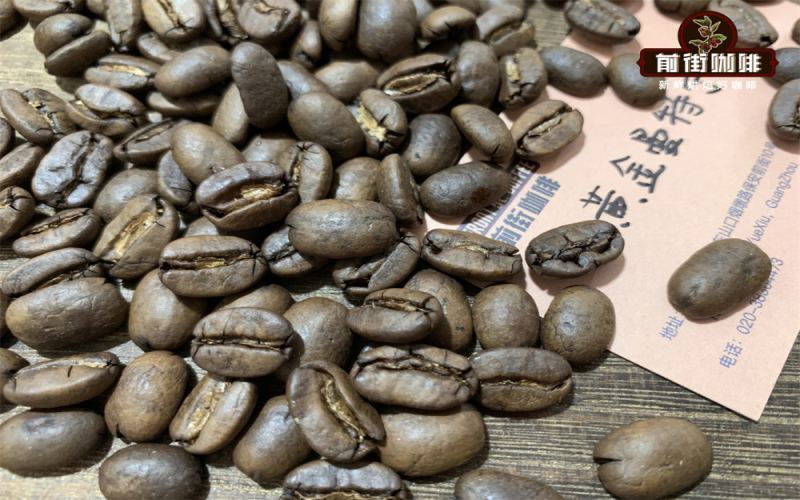
PWN Golden Mandheling Flavor Profile: Wet-Hulling Process and the Origin of the Mandheling Name
Mandheling is a name familiar to coffee lovers, but the many labels on the market—Lintong Mandheling, Golden Mandheling, Tiger Mandheling—often cause confusion. In fact, Mandheling is not a region, place name, or variety name, but a mispronunciation of the Indonesian Mandailing people. Among them, the Golden Mandheling produced by PWN is regarded as the authentic representative, having undergone three rounds of hand sorting, with a rich, full-bodied flavor and notes of honey and cream. Starting from information on Front Street Coffee's PWN Golden Mandheling, this article will sort out the differences among the various Mandheling names and take a deeper look at the characteristics of Indonesia's traditional wet-hulling method (Giling Basah) and its influence on flavor, helping readers gain a comprehensive understanding of the unique value of Golden Mandheling. [more…]

Tracing the Origins of Espresso Drink Names: An Analysis of the Origins of Espresso, Americano, Latte, Cappuccino, and Mocha
Behind every classic espresso drink lies an interesting piece of history. Why is Espresso called "fast"? Was Americano really invented by American soldiers? Is latte originally just milk in Italian? Does cappuccino really get its name from a monk's robe? And mocha—does it refer to a port, a coffee bean, or that chocolate-flavored drink? In this article, Front Street Coffee walks you through the naming logic and historical origins of these common espresso drinks, from the espresso machines of the early twentieth century, to the U.S. military cafés of World War II, to the arrival of caramel macchiato in the 1990s, explaining the stories behind the names all at once. [more…]
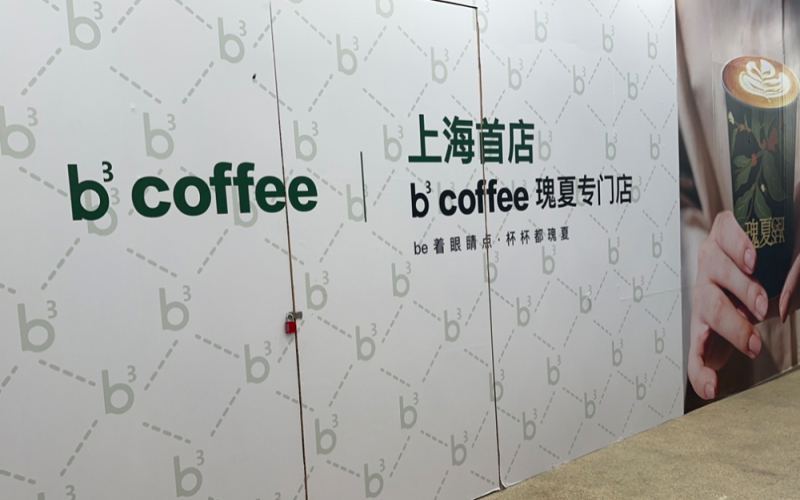
A new Shanghai shop named "b³ Coffee" sparks dialect controversy, mired in negative word-of-mouth before even opening
A yet-to-open Shanghai coffee shop has sparked heated discussion because its name, "b³ Coffee," sounds like "biesan" (a local slang term for a vagrant or good-for-nothing) in the local dialect. Netizens have been poking fun at it, and some say they won't patronize it because of the name. The brand marking itself as "必三咖啡" on a third-party platform has further escalated the controversy. Although the name brings traffic, it also leaves a negative first impression on consumers. This article reviews the whole incident, discusses the importance of businesses adapting to local customs, and includes related recommendations from Front Street Coffee. [more…]
What exactly is Ethiopian heirloom native coffee bean? A full analysis of variety naming and flavor origins
Ethiopia is celebrated as the birthplace of Arabica coffee, and its local coffee varieties are as numerous as the stars. However, due to limitations imposed by history, research conditions, and naming systems, the vast majority of these varieties still cannot be individually identified and named. As a result, a broad and romantic term—heirloom—has become synonymous with these native coffee varieties. Heirloom is not a specific variety, but rather a collective term for the large number of coffees in Ethiopia that have not been clearly classified. This article will guide you through the meaning of heirloom, why it is named this way, how local coffees are named, and the brewing and flavor performance of the Yirgacheffe natural red cherry as an example. [more…]
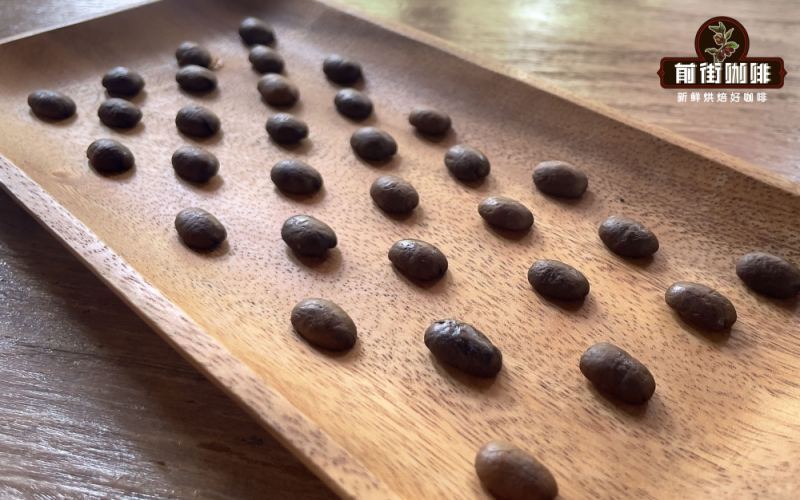
The Origin of the Name Indonesian Mandheling Coffee: A Naming Anecdote Sparked by a Cross-Language Mishearing, Plus a Front Street Golden Mandheling Recommendation
Mandheling coffee is one of Indonesia's most iconic coffees, renowned worldwide for its rich, full-bodied taste. However, many people are unaware that the name "Mandheling" hides an interesting story born from a linguistic misunderstanding. Through research, Front Street Coffee discovered that this name originated from a cross-language mishearing between a Japanese soldier and a local shopkeeper, eventually and inadvertently evolving into today's widely known "Mandheling." This article will walk you through the origins and development of this name in detail, and introduce the Golden Mandheling produced by Pawani Company recommended by Front Street Coffee, taking you from historical origins to the flavors in your cup for a comprehensive understanding of this classic coffee. [more…]

Vulgar Naming Marketing Severely Punished: Shanghai Doi Coffee Fined 30,000 and Quietly Closes
A coffee shop that attracted attention with a suggestive name ultimately paid the price for its marketing approach. In July of this year, a coffee shop named "Doi Coffee" in Huangpu District, Shanghai, was investigated by market regulators for a store name and product names suspected of violating public order and good morals. Several months later, the penalty result has finally landed — a fine of 30,000 yuan, with a heavier punishment due to the severe negative public opinion impact. Now the shop has quietly closed, and the person in charge said business was so poor that they are no longer operating. Behind the incident, it reflects the collision between the bottom line of marketing in the food and beverage industry and the red line of regulation, and has also sparked public discussion about the boundaries of vulgar marketing. Front Street Coffee reminds practitioners that creative marketing needs moderation, and respecting public order and good morals is the way to long-term business. [more…]
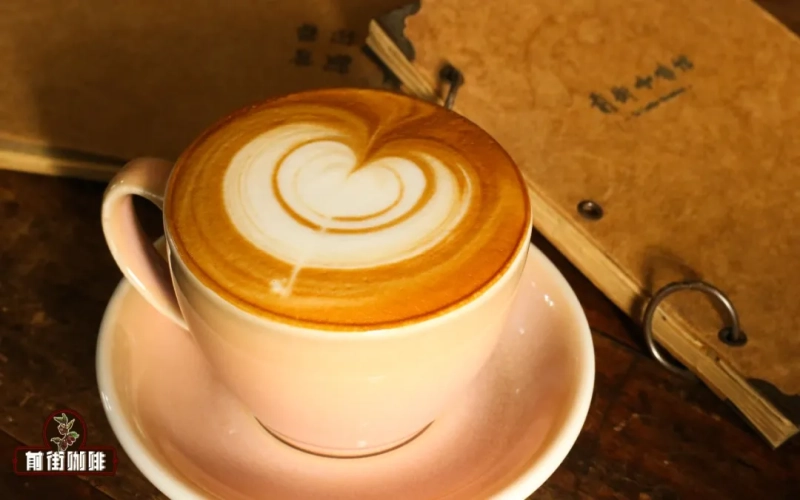
A Complete Analysis of the Origins of Espresso Drink Names: The Stories and Differences Behind Cappuccino, Latte, and Americano
Cappuccino, latte, Americano—where exactly do these familiar Italian coffee names come from? And what are the essential differences between them? Starting from Front Street's production practices, this article provides a detailed breakdown of the recipe ratios, flavor characteristics, and naming origins of these three classic coffees. You'll learn how cappuccino got its name from monks' attire, why ordering a latte in Italy can lead to an embarrassing misunderstanding, and how Americano was born from the drinking habits of American soldiers. The article also includes the specific parameters and flavor performance of Front Street's classic blend and Huakui beans when making different coffees, making it suitable for coffee enthusiasts who want to gain a deeper understanding of Italian coffee culture. [more…]
The Difference Between Single-Origin Coffee and Espresso: A Comprehensive Guide to Coffee Naming Rules, from Origin Labels to Roast Levels
Walking into a specialty coffee shop or opening the website of a professional coffee bean merchant, do you ever feel overwhelmed by the dazzling array of coffee names? Why are coffee bean names so long? How exactly do you tell the difference between single-origin, dark roast, and espresso? What information is actually hidden behind these complex names? This article will walk you through the key elements of coffee bean naming one by one, including origin labeling, roast level, grading systems, and small-lot estate farms. From the solo performance of single-origin coffee to the concerto of coffee blends, from Northern Italian light roast to French dark roast, and on to grading codes like SHB and AA+, you'll never be confused again the next time you shop for coffee—you'll easily read the ID card of every bag of coffee beans. [more…]