







Search Results for: typo
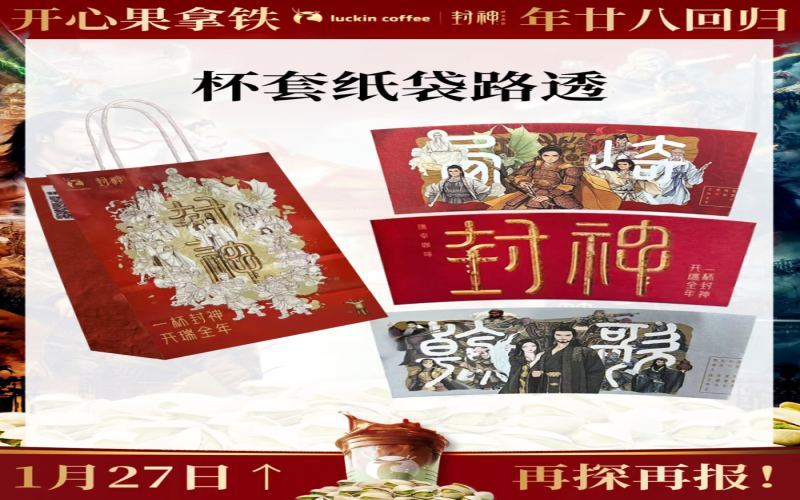
Luckin Coffee's collaboration with "Creation of the Gods II" featured a typo in its promotional materials, where "Xiqi" was mistakenly written as "Xiqi," sparking heated discussion among netizens.
Luckin Coffee's co-branding collaboration with the mythological film "Creation of the Gods II: Demon Force" had not yet officially launched when it drew widespread attention due to a typo on the cup sleeves. The cup sleeves, which should have borne the two characters "西岐" (Xiqi), were mistakenly printed with "西崎" (Xiqi). This error quickly fermented on social media. Netizens flooded online channels to call on Luckin Coffee officials, hoping for a swift recall and reprint. However, given the approaching Spring Festival, factory and logistics shutdowns for the holiday, and the film's release schedule, a reprint was nearly impossible. Ultimately, based on new merchandise photos shared by employees, Luckin appeared to have chosen to let the mistake stand and continued to roll out this batch of misspelled cup sleeves. This article will walk you through the entire sequence of events and also look at how brands like Front Street Coffee have performed with their co-branded merchandise. [more…]
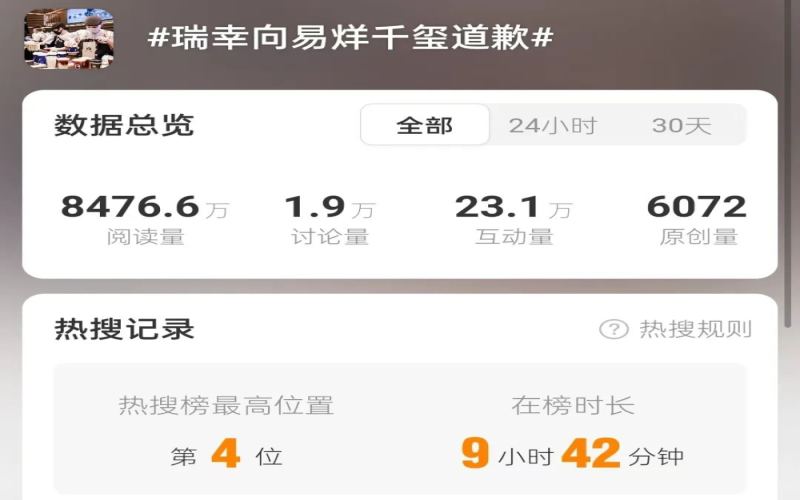
Luckin Customer Service Repeatedly Misspelled Jackson Yee's Name, Official Apology Issued but Fans Still Unappeased
Luckin Coffee has sparked strong dissatisfaction among fans after its online customer service and backend systems repeatedly misspelled the name of its brand ambassador, Jackson Yee, with related topics quickly trending on Weibo and ranking second on Xiaohongshu's hot list. Although Luckin subsequently posted an apology letter on Weibo, admitting the mistake and correcting it immediately, fans were not satisfied with the official response, believing that such disrespectful errors occurring repeatedly during the endorsement contract period were unacceptable. Previously, the roasted coconut latte endorsed by Jackson Yee surpassed 10.04 million cups in first-week sales, with fans contributing enormously, yet now the system cannot even correctly input the ambassador's name, which is truly lamentable. [more…]

Starting from the typo of "coffee" as "office": A cultural reflection behind showing off coffee knowledge
Recently, a netizen posted a question after returning to China: "Don't you guys usually drink office?" This slip of the tongue, mistakenly writing coffee as office, quickly sparked heated discussion and teasing among netizens. Starting from this little episode, we might as well talk about some interesting phenomena in coffee culture—some people confuse SEO with SOE, and some are confidently full of themselves despite knowing little about pour-over competitions. Drinking coffee is supposed to be an everyday little thing, but why do some people always treat it as capital for showing off? Let us review the evolution of coffee from a noble exclusive to a commoner's drink, and explore what kind of mindset we should have in understanding and enjoying coffee today, as specialty coffee culture becomes increasingly popular. [more…]
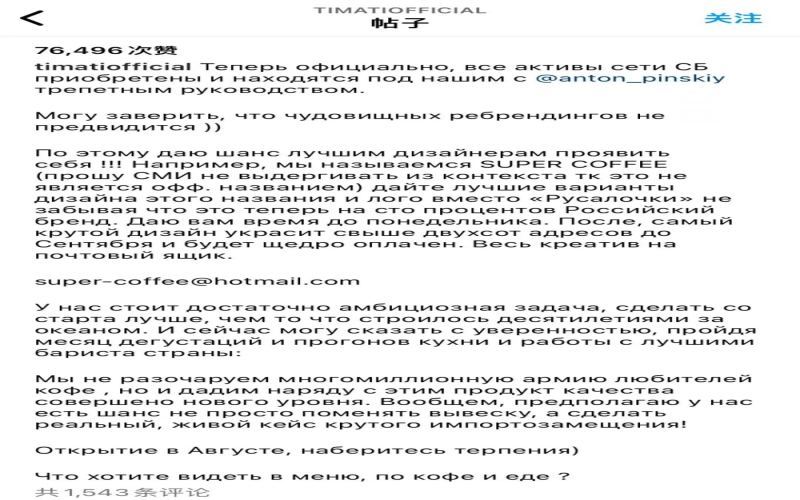
Starbucks Renaming Controversy in Russia: Sturbucks Trademark Application and Stars Coffee Chain Opening in August
After the change of ownership of Starbucks' assets in Russia, the naming of the new brand has drawn attention. On August 12, the Russian Federal Service for Intellectual Property (Rospatent) received applications for Sturbucks (not a typo) and three other trademarks, with the final name yet to be determined. Previously, rapper Timur Yunusov, along with Anton Pinsky, owner of the catering company Pinskiy&co, and the Syndicate company under Senator Arsen Kanokov, jointly acquired and managed Starbucks' assets in Russia. The new brand is planned to open in mid-August and will be open to the media on August 16. They had considered using a Lego bear as the logo and incorporating the singer's signature, but later switched to thermal printing due to the workload. This article reviews the sequence of events, trademark options, and netizen reactions. [more…]

The reported employee conflict incident at Mixue Bingcheng is rumored to be false; the store involved cannot be found at the stated location.
Recently, a rumor circulated online about a fierce conflict between a Mixue Bingcheng employee and the company's HR, involving multiple allegations such as being refused a late clock-in makeup, insulting HR staff, smashing up a store, canceling the cashier system, and even misappropriating public funds, which quickly sparked heated discussion among netizens. However, after verification by media outlets such as Red Star News and Southern Metropolis Daily, the rumor was confirmed to be false; the original blogger has deleted the related content, and the so-called involved store cannot be found on maps. This article sorts out the course of the incident and the responses from all parties, reconstructing the ins and outs of this online false alarm. [more…]
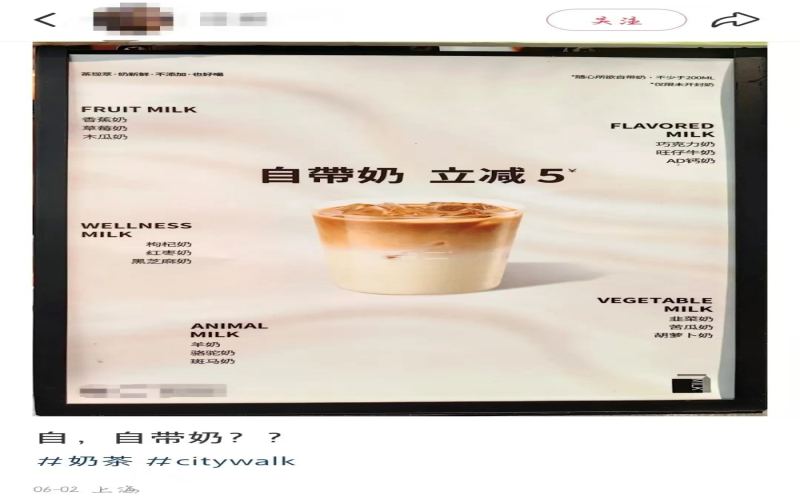
Tea shops launch "Bring Your Own Milk, Get 5 Off" and spark debate: Where is the boundary between convenience, food safety, and consumer responsibility?
Bringing your own cup to buy coffee is nothing new, but have you ever heard of "bringing your own milk"? A certain tea beverage brand launched a "bring your own milk, get 5 off" campaign, where customers bring their own dairy products and the store provides freshly brewed tea, sparking heated discussion among netizens. Supporters believe this is friendly to people with lactose intolerance and can also avoid additives like non-dairy creamer; opponents worry that food safety responsibilities are difficult to clarify. This article sorts out the views of all parties and compares the bring-your-own-cup rules of brands such as Starbucks and Manner, exploring how merchants should weigh the trade-off between offering discounts and risk control. [more…]
How Much Does Geisha Coffee Cost? The Origins, Flavor, and Aroma of the Authentic Geisha Variety Explained
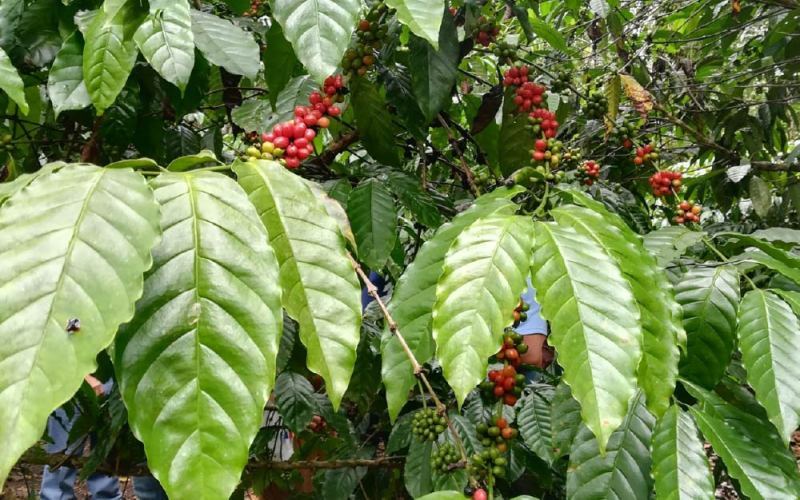
Geisha coffee is also known in China as "艺伎咖啡" (Geisha coffee), and is a member of the Ethiopian strain within the Arabica family, originally from Africa. Although it originated in Ethiopia, it rose to fame in Panama. Interestingly, the Geisha grown today in Panama and Central and South America is actually a different variety from the native Geisha of Ethiopia. Through comparison, Front Street Coffee has found that the two differ noticeably in flavor expression. This article will take you through the history of Geisha's discovery, analyze the varietal relationship between the two major producing regions, and introduce in detail the various Geisha coffee beans currently sold by Front Street Coffee along with their flavor characteristics, providing coffee lovers with a complete guide to Geisha knowledge. [more…]
Tracing the Origins of the Geisha Coffee Variety: Flavor Differences and Genetic Lineage Between Ethiopian Native Gesha and Panamanian Geisha
Although Geisha coffee originated in Ethiopia, it rose to world fame in Panama. What many people do not know is that the Geisha grown in Central America today and the native Geisha of Ethiopia are actually two different varieties, a fact hinted at by the difference in spelling between Gesha and Geisha. Through comparison, Front Street Coffee found that Panamanian Geisha is known for its refined fruit acidity, floral aroma, and tea-like body, while native Ethiopian Gesha presents notes of citrus, almond, and tea, with slightly less complexity. This article traces Geisha's century-long journey from being collected in the Kaffa forest to achieving fame in Panama, sorts out the genetic relationship between T2722 and Gesha1931, and introduces the flavor characteristics of the Ethiopian Gesha Village and Panamanian Hacienda La Esmeralda series Geisha coffee beans currently sold by Front Street Coffee. [more…]
A Comprehensive Guide to Costa Rican Specialty Coffee: Honey Processing, the Tarrazú Region, and a Flavor Comparison of the Musician Series
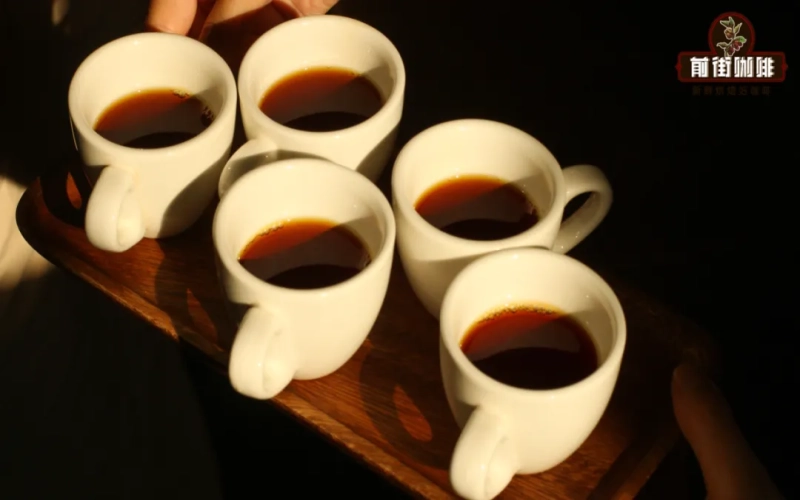
Costa Rica is known as the sweetest coffee-producing region in the Americas, and its honey processing methods combined with the high-altitude terroir of Tarrazú give rise to distinctly unique specialty coffee. The Musician Series launched by Front Street Coffee—Mozart, Beethoven, and Bach—is precisely a flavor representative of this region. This article will begin with the classification and principles of honey processing, outline the layout of Costa Rica's eight major producing regions, focus on introducing the cultivation background of Canet Estate, and analyze one by one the varieties, altitudes, processing methods, and flavor characteristics of the three Musician Series coffees. At the same time, it includes Front Street brewing parameters and tasting comparisons to guide you through a systematic understanding of the complete thread of Costa Rican coffee from processing method to flavor in the cup. [more…]

Analysis of the Oil-Washed Coffee Technique: From Principle to Practice, How Butter and Coconut Oil Reshape Coffee Flavor
The oil-washing method originated in the cocktail world and has now been introduced into the specialty coffee scene, becoming a new favorite among many coffee enthusiasts. It exploits differences in the freezing points of oils and fats to extract aromas from the oils into the coffee liquid, thereby giving the coffee a softer mouthfeel and richer layers of flavor. In this article, Front Street will walk through the origins of the oil-washing method, material selection, step-by-step procedures, and precautions one by one, and will use butter oil-washed Golden Mandheling and coconut oil-washed cold brew coffee as examples to demonstrate the specific production process in detail. Whether you want to DIY at home or want to understand the logic behind those oil-washed specialty drinks in coffee shops, this article can provide practical reference. [more…]