







Many years ago, the way coffee was named was quite simple—most coffees were directly named after the region where the producer was located. For example, coffee from Yirgacheffe was called Yirgacheffe coffee, coffee from Honduras was called Honduras coffee, coffee from Brazil was called Brazil coffee...
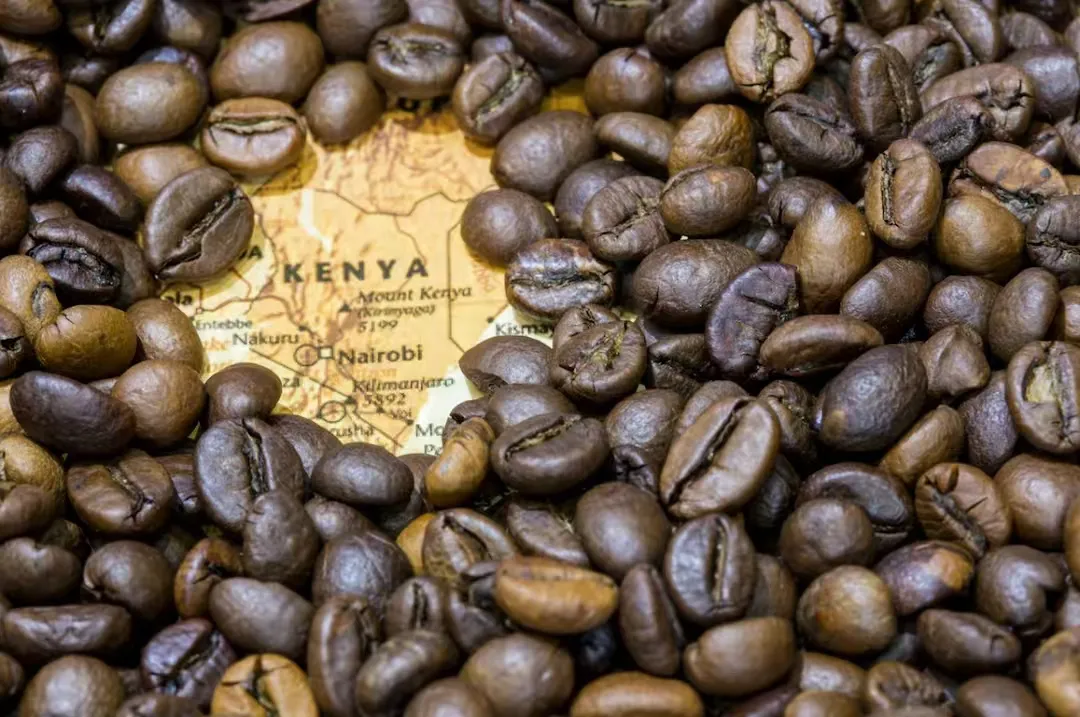
But gradually, coffee naming methods began to diversify. Geisha, Gutiti, Huakui, Little Tomato, and so on—these are all names of coffee beans. And there isn't much similarity between these names, which makes it hard for many newcomers to grasp the pattern and understand the meaning behind coffee bean names.
So at Front Street stores, you often see many friends standing in front of the bean list blackboard, trying to decipher the information in the names, but most end up failing, and then turn to Front Street to "seek help" and figure out what the names specifically mean.
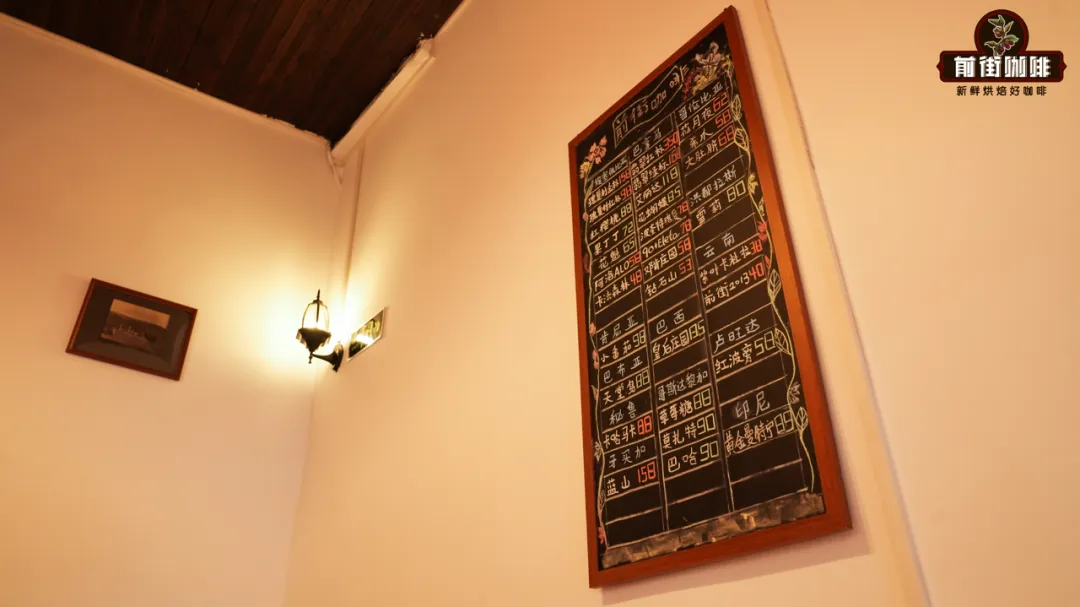
So today Front Street will share with you again how these coffee beans are named, and how we should understand the meaning conveyed by the names.
Actually, it's quite easy to understand. The reason early coffees were directly named after their place of origin is that at the time, coffee beans didn't emphasize much traceability information, and they were almost always sold as blends. This caused the distinctive flavors of the coffee to be drowned out by the names of various countries and regions.
As the concept of specialty coffee spread, everyone began pursuing coffee's unique and concrete "terroir flavors," such as bright, uplifting citrus acidity, wild berries, and red wine notes. But to make coffee's regional flavors stand out, producers need to improve coffee quality from the source.
To improve coffee quality, producers made meticulous management efforts in various aspects. Then they would separate out this information to increase the product's exposure. As a result, coffee naming methods changed accordingly, evolving from the original "region name" to "region + sub-region/producer/variety/commercial name."

Yirgacheffe in Ethiopia is a very good example! On the Front Street bean list, there are two coffee beans from Yirgacheffe, and from their names we can read the specific village/washing station/cooperative that produced them. They are Front Street Yirgacheffe·Gutiti and Yirgacheffe·Konga. The former comes from the Gutiti Cooperative in Yirgacheffe, and the latter comes from the Konga Cooperative in Yirgacheffe.
Besides cooperatives, we can also see coffee beans named after estates. For example, Hacienda La Esmeralda, Elida Estate, Duncan Estate, and so on. These names indicate that the coffee beans were largely independently handled by that estate from seedling selection to packaging and export. The difference from the former is that an estate refers to a privately owned, independently operated farm, while a cooperative refers to an organization jointly managed by coffee farmers. (Cooperatives collect coffee cherries grown and harvested by different farmers, then submit them to the cooperative for unified processing and sell them under the cooperative's name. Apart from the operational nature being different from cooperatives, washing stations follow roughly the same process.)
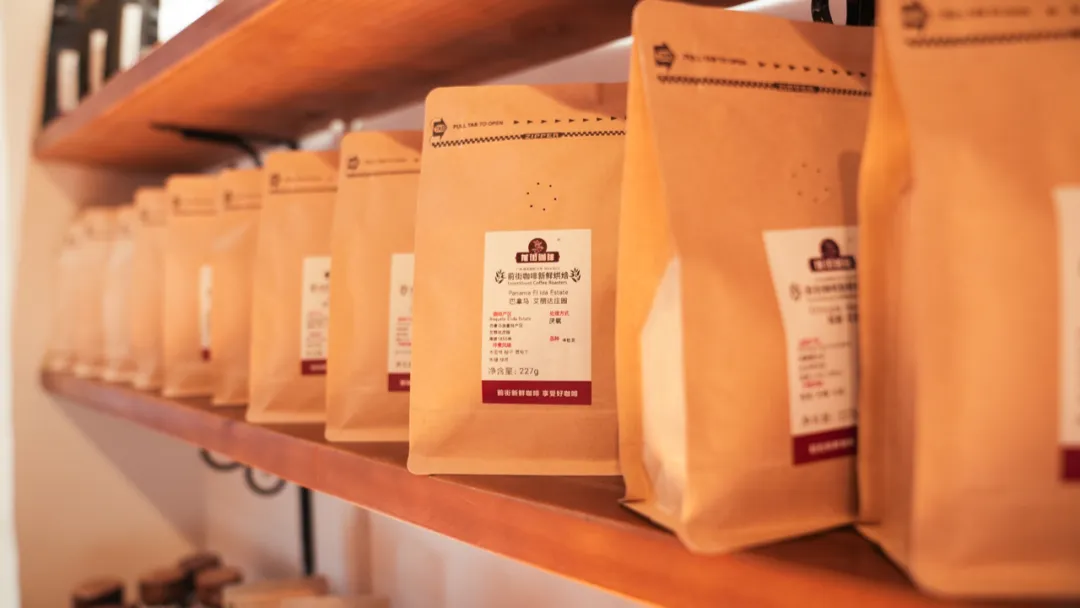
Besides producers, in order to emphasize certain varieties or the rarity of their varieties, producers or buyers will include the variety name as a suffix in the coffee bean name. For example, "Panama Elida Estate·Catuai" on the Front Street bean list means this bean comes from Elida Estate in Panama, and the variety is Catuai; or Brazil Queen Estate·Yellow Bourbon means this bean comes from Queen Estate in Brazil, and the variety is Yellow Bourbon.
There are also some coffee bean names that come from the beans themselves having unique aromas. To help consumers better associate with the flavor of these beans, processors give them names that evoke associations—elegant and fitting. For example, Front Street Costa Rica·Strawberry Candy on the Front Street bean list is named because this bean carries a fairly distinct strawberry gummy candy flavor; or Kenya·Little Tomato, because this bean itself carries a distinct tomato note, so Front Street renamed it from the original Kenya·Asali (washing station) to Little Tomato~
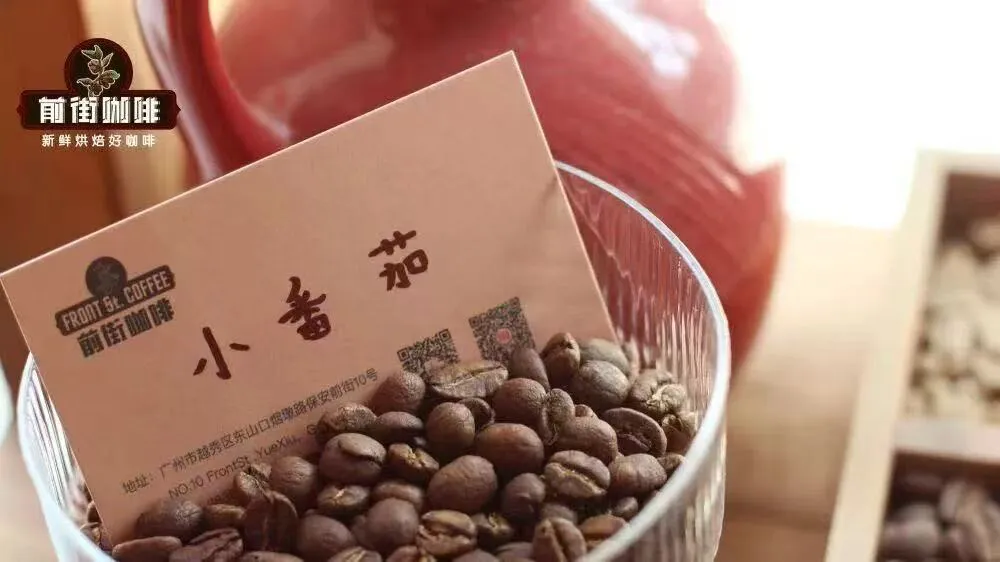
There are also some producers who give beans names with special meanings. For example, Huakui on the Front Street bean list is named because this bean won the championship in a green bean competition that year, and then the green bean company gave it a name when introducing it. It means "leader of a hundred flowers," which both points out its champion status and hints at its tremendous potential.
Of course, if a certain coffee bean wins a championship in some competition, or if it has a higher grade and higher quality, then the name of this coffee bean may also carry a corresponding grade suffix. For example, COE, BOP, TOH placement, or coffee grade suffixes like AA, G1, NO.1.

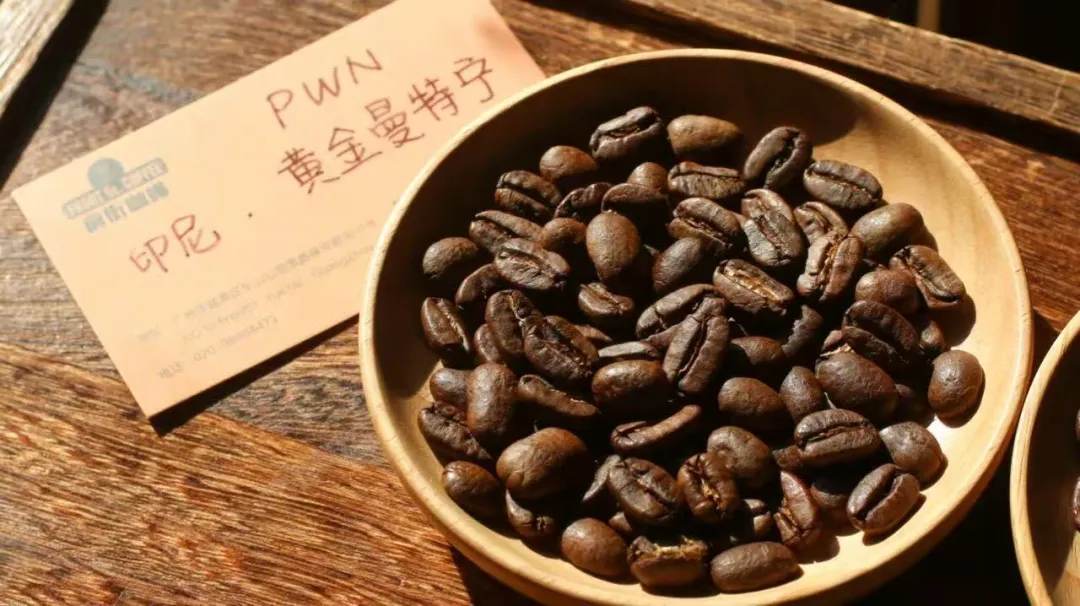
Besides the above naming rules, there are also some exceptional and unusual naming methods. For example, Mandheling, which Front Street often mentions—it is neither a place name, a variety name, nor the name of a certain producer. It is a mispronunciation of a local tribe called Mandailing, but through a series of twists and turns and coincidences, it became synonymous with all Sumatra coffee.
Almost all coffee from Sumatra can be sold under the name Mandheling, but to distinguish the differences between them, producers will name them based on the origin, green bean characteristics, or brand of the Mandheling they produce. For example, on the Front Street bean list, there are Golden Mandheling and Lintong Mandheling.
The above is a general collection of coffee bean naming rules. You should know how to interpret the name of a coffee bean now, right? Very simple~
- END -
The above content is compiled by CoffeeHunters, a coffee news website.

