







Search Results for: milk-to-coffee ratio

Iced Latte Making Guide: A Full Breakdown of Milk-to-Coffee Ratios, Ice Amounts, and Key Operational Points
Iced latte may seem like it only takes three steps—add ice, pour milk, add coffee—but if you want to make a flavor that rivals a coffee shop's, there are quite a few details involved behind the scenes. This article unfolds from three dimensions—ingredient selection, milk-to-coffee ratio, and technique—explaining how coffee beans and milk influence the final outcome, and provides reference pairing options with specific data. At the same time, the article also analyzes how factors such as espresso extraction quality and ice melting speed affect the taste, helping enthusiasts understand why the same steps can produce iced lattes with noticeably different results. [more…]
Insights on Making an Espresso Latte: A Complete Analysis from Ingredient Selection and Milk-to-Coffee Ratio to Key Operational Points
Latte is a required course for every barista. It seems that all you need to do is mix espresso with milk, but recreating a cafe-level drink at home is not easy. Based on Front Street Coffee's hands-on experience, this article systematically breaks down several key steps in making iced lattes: how to choose suitable coffee beans and milk, how to determine a reasonable milk-to-coffee ratio, and which easily overlooked details matter during operation. The article also introduces Front Street Coffee's classic espresso blend, as well as the specific ratio parameters for using Sunflower · Warm Sun Blend and Vitasoy fresh milk, helping enthusiasts consistently make a well-balanced iced latte at home. [more…]
How to Make a Delicious Iced Latte? A Full Analysis of Cup Size, Milk-to-Coffee Ratio, and Coffee Bean Selection
Iced latte is one of the easiest milk coffees to make among espresso drinks. It seems to involve only three steps—adding ice, pouring milk, and pouring coffee—but to make it smooth and delicious, there are still three aspects behind it: ingredient selection, milk-to-coffee ratio, and operational details. This article focuses on these three points: first, it explains how coffee beans and milk affect the flavor direction, then it provides the 1:6 ratio used by Front Street Iced Latte and a reference of about a 300ml cup size, and finally it supplements the details that are easily overlooked during extraction and cup assembly. The article also recommends beans suitable for iced lattes, such as Front Street Dark Cocoa Blend and Front Street Strawberry Candy Espresso, for coffee lovers' reference. [more…]
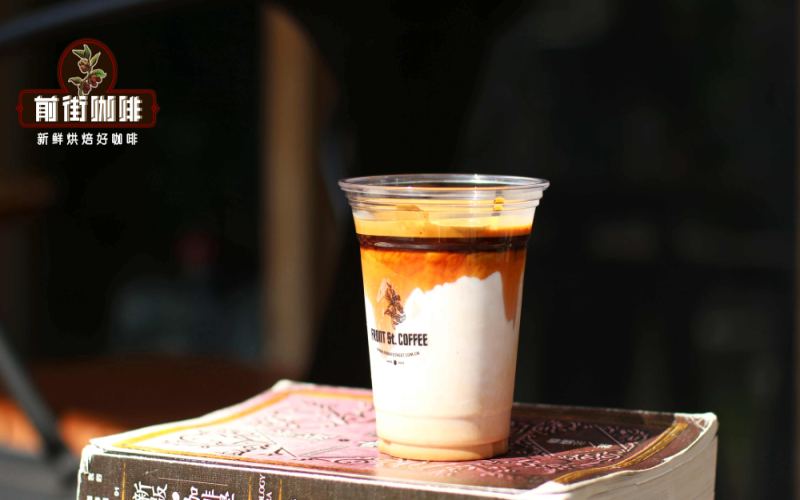
Recreating Café-Level Lattes at Home: A Complete Guide to Coffee Bean Selection, Espresso Extraction, and Milk-to-Coffee Ratios
Making a latte at home that tastes as good as one from a coffee shop isn't actually as hard as you might think. The key lies in three areas: choosing the right coffee beans and milk, pulling consistent espresso shots, and finding the right coffee-to-milk ratio. Drawing on Front Street Coffee's hands-on experience, this article first clarifies the traditional definition of a latte and how it differs from an Italian latte, then recommends four espresso blend beans suitable for making lattes one by one, covering different flavor profiles such as chocolate notes, floral and fruity notes, nutty cocoa, and caramel hazelnut. It also discusses the impact of the resting period on extraction, the real gap between home espresso machines and commercial ones, and why there is simply no universally applicable golden ratio. Whether you're a complete beginner or an experienced enthusiast looking to further improve the consistency of your output, you'll find practical ideas you can put into action. [more…]
Step-by-step Iced Latte Tutorial | What coffee beans to use for iced latte? What milk-to-coffee ratio tastes best? What to note when making iced latte at home?
Iced latte coffee seems like a very simple thing to make, [put ice, pour milk, pour coffee] and it's done. Though the operation looks simple, making a delicious iced latte still requires a good deal of mental understanding. First point: choose suitable materials. Why is iced latte so simple, yet basically every coffee bean menu has [more…]

Always feel like your homemade latte is missing that certain something? A practical guide to the whole process, from choosing beans to the milk-to-coffee ratio.
Many people share this confusion: even though they have followed tutorials at home, the latte they make always falls short of the taste from a coffee shop. In fact, replicating a decent latte is not complicated—the key lies in mastering a few core steps: selecting coffee beans, ensuring stable espresso extraction, and getting the ratio between milk and coffee right. This article will approach these three dimensions to systematically outline the essentials of making lattes at home, and recommend three espresso blend beans suitable for daily use based on different taste preferences, helping you find your own perfect cup of latte. [more…]

Coffee Latte | What are the methods and techniques for making a latte? Which espresso beans are suitable for making a latte? Introduction to the latte milk-to-coffee ratio and espresso extraction recipe
Making a latte can be said to be a skill for every barista: first extract the espresso, then prepare the milk, and let the two achieve a perfectly balanced taste. But many friends say that when they make lattes at home, they always fail to achieve the effect of a coffee shop, so they ask Front Street Coffee for tips on making latte coffee. Iced latte coffee see [more…]
How do you make an iced latte at home that's up to coffee shop standards? A complete guide to making it, from choosing beans and milk, to the milk-to-coffee ratio and operating details.
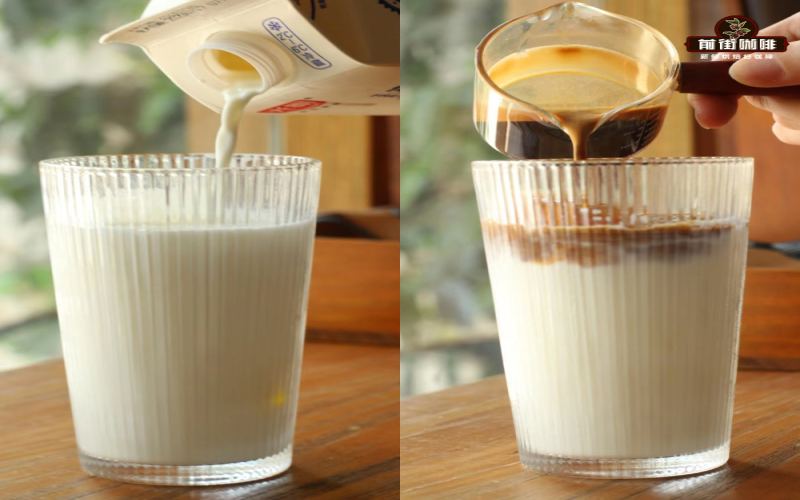
Replicating a delicious iced latte at home is not as simple as pouring ice cubes, milk, and espresso into a cup one after another. Many coffee enthusiasts find after trying that their homemade iced latte always falls a bit short—either the milk flavor overpowers the coffee, or it tastes too watery. In fact, a proper iced latte involves three key aspects: the choice of ingredients, the ratio of milk to coffee, and attention to detail during preparation. Drawing on Front Street Coffee's production experience, this article breaks down the craft of making iced latte item by item, including recommended espresso blend beans suitable for pairing with milk, reference ratios of espresso to iced milk, and why a freshly made iced latte shows a beautiful gradient layering—the answers to these questions will all be revealed below. [more…]

Latte Milk-to-Coffee Ratio | How Do Coffee Shops Make Hot Lattes? Which Coffee Beans and Milk Are Suitable for Hot Latte Coffee? How Many Seconds to Steam Milk for a Latte?
For more specialty coffee knowledge, please follow: Front Street Coffee (Frontsteet Coffee). For a delicious latte, Front Street believes the most important things are the quality of the coffee beans and milk, the ratio of coffee to milk, and the extraction and blending technique. Point one: choose suitable ingredients. Why is latte so [more…]

Latte Recipe Analysis: Milk-to-Coffee Ratio, Ingredient Selection, and Latte Art Integration Guide
To make a well-balanced latte, the key lies in the choice of ingredients, the ratio of coffee to milk, and the extraction and blending technique. Front Street Coffee believes that the quality of the coffee beans and milk is the foundation. An espresso blend will directly influence the flavor direction of the latte, while the milk should be chosen to pair well with the coffee, avoiding either an overly strong milky taste that masks the coffee's aroma or a thin, watery quality that makes the texture feel weak. There is no fixed ratio for milk coffee; it is generally recommended to float between 1:5 and 1:8, with the specific ratio adjusted according to the flavor performance of the espresso. Only by extracting a qualified espresso, steaming fine and dense milk foam, and mastering the correct blending technique can the coffee and milk fully combine to form a "golden ring" with a uniform surface color and no large bubbles. This article will provide a detailed explanation centered on ingredient selection, ratios, and operational steps. [more…]
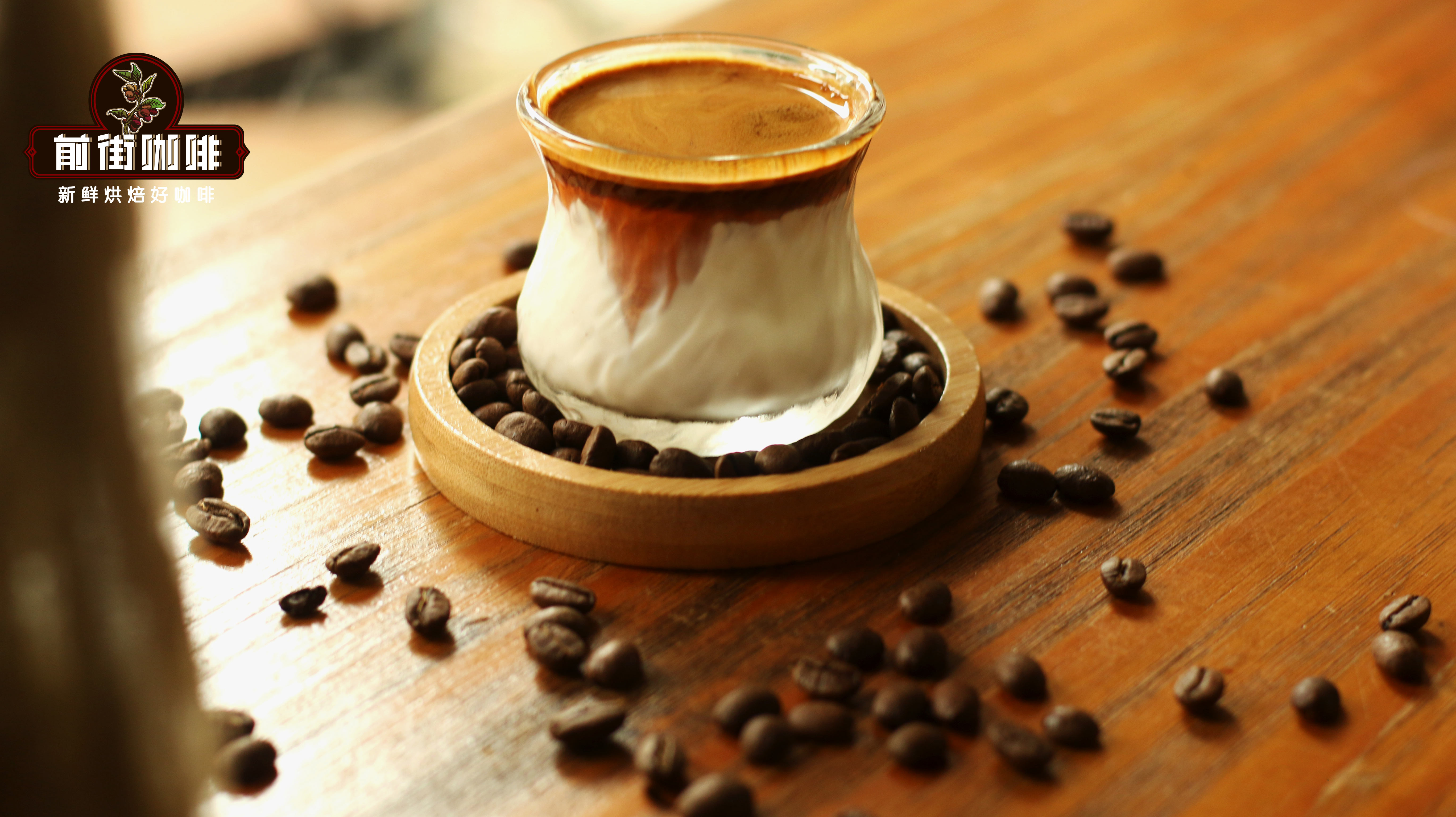
Dirty Coffee Recipe Ratio | How Can Coffee Beginners Make a Dirty Coffee? What's the Milk-to-Coffee Ratio for a Dirty Coffee? Which Coffee Beans Are Suitable for Making a Dirty Coffee?
Introduction: Dirty coffee burst onto the scene a few years ago, converting many latte loyalists into Dirty devotees. Unlike iced latte, Dirty coffee offers a visual and taste-bud double delight as you watch the espresso and milk create a gradient effect, and with one sip you go from rich coffee to sweet milk. [more…]
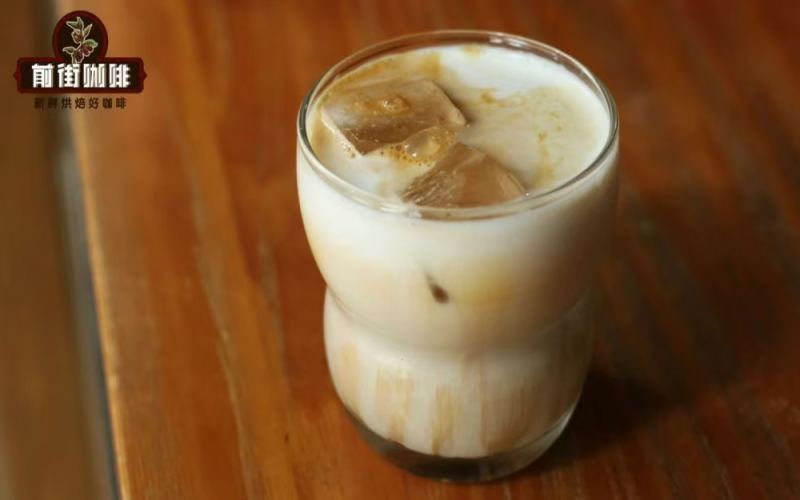
Spanish Latte Recipe | Can You Add Condensed Milk to Black Coffee? What's the Difference Between a Spanish Latte and a Regular Latte? What's the Milk-to-Coffee Ratio in a Spanish Latte?
Today, the menus in coffee shops are rich and diverse, and in order to cater to more people's tastes, adding various dairy products and flavored syrups to coffee is also very common. So have you ever heard of coffee with condensed milk? Adding condensed milk is to mask the strong bitterness in coffee. In Vietnam, the aroma of coffee drifts through the streets and alleys. [more…]

How to Make a Flat White Coffee? Full Analysis of the Starbucks-Style Flat White Recipe, Milk-to-Coffee Ratio, and Taste
Flat White is an Italian-style milk coffee that originated in Australia and highlights the true flavor of coffee. Compared with a latte, it has a stronger espresso, thinner milk foam, and a smaller overall volume. This article will start with the milk frothing steps, compare the differences between a latte and a Flat White in espresso extraction, coffee-to-milk ratio, and finished volume, and explain the flavor differences between espresso and ristretto. Finally, it will provide the complete parameters and blended bean recommendations for making a Flat White at Front Street Coffee stores, making it suitable for coffee lovers who want to recreate the Starbucks-style Australian white at home. [more…]
How to Make a Delicious Latte? A Complete Breakdown from Ingredient Selection and Milk-to-Coffee Ratio to Blending Technique
A latte may seem simple, but it is the drink that best tests the skill of pairing coffee beans with milk. Why does a latte taste different at every shop? The key often lies in three areas: the quality of the ingredients, the ratio of coffee to milk, and the operational details of extraction and integration. Drawing on Front Street's practical experience, this article first discusses how to choose an espresso blend and fresh milk suitable for making lattes, then explains the approximate range of the coffee-to-milk ratio, and finally breaks down step by step the key points of espresso extraction, milk frothing, and pouring techniques to help you make a latte with balanced flavor and a velvety mouthfeel. [more…]

Where Does the Bitterness in a Latte Come From? Analyzing the Key Effects of Milk-to-Coffee Ratio, Milk Foam Temperature, and Pouring Technique
Latte has always been considered the least bitter of espresso drinks, as the addition of a large amount of milk makes the overall flavor softer. But when you drink a latte with obvious bitterness, the problem may not lie in the espresso itself. This article starts with the choice of coffee bean roast level and gradually analyzes how the blending technique, milk frothing temperature, and the ratio of coffee to milk affect the final taste. It also introduces pairing suggestions for the Front Street Coffee espresso bean series, including the flavor characteristics of Strawberry Candy espresso, and provides a milk foam temperature range of 55°C to 69°C and a reference ratio of 1:5, helping you make a balanced and smooth latte at home. [more…]

Key Points for Making Flat White Coffee | Is Australian White Coffee a Latte? What Is the Milk-to-Coffee Ratio and Milk Foam Thickness for a Flat White? How to Properly Steam Milk, Integrate, and Pour Latte Art for a Flat White?
Many baristas mysteriously reach a consensus among themselves: to tell whether a café is good or bad, just order a Flat White and you'll know—if the Flat White is well made, the other coffees will basically be above standard too. When asked why, these baristas reply: because this is the milk coffee most prone to "mistakes." The most controversial Ita- [more…]

A Guide to Pairing Latte with Espresso Beans: Iced vs. Hot Preparation Differences, Extraction Parameters, and Milk-to-Coffee Ratios Explained
Latte is the espresso drink with the highest proportion of milk, available in both iced and hot versions; the two share the same recipe but differ in operational details. From the perspective of Front Street, this article traces the historical origins of latte, explains what roast level of espresso beans should be used to make latte, clarifies why lightly roasted single-origin beans are unsuitable for espresso machine extraction, and recommends several espresso blends such as Front Street. Strawberry Candy Espresso. It also details the extraction parameters for espresso, the frothing techniques and temperature control for hot latte milk foam, the ingredient ratios for iced latte, and Front Street's recommended coffee-to-milk ratio of 1:6.5. Whether you prefer iced or hot, you'll find actionable reference solutions here. [more…]

What's the difference between a cappuccino and a latte? A full breakdown of the dry and wet versions, the golden ring method, and the milk-to-coffee ratio
What exactly is the difference between a cappuccino and a latte? Why is cappuccino, despite sharing the same name, divided into "dry" and "wet" versions? This article begins with a special order request encountered at a Front Street store, taking you back through the origins of cappuccino, clarifying the difference between it and a latte in terms of the ratio of milk to coffee, and breaking down in detail the causes and characteristics of dry and wet cappuccinos. At the same time, the article will also share Front Street Coffee's recommended espresso blend bean choices, and how to use espresso and thick milk foam to make a cup of old-school cappuccino with a golden ring, helping you fully understand the layers and charm of this classic milk coffee. [more…]
SOE Latte | How to Extract Espresso from SOE Beans? What Is the Milk-to-Coffee Ratio for Making SOE Latte at Home? Which Kind of Italian Coffee Beans Should Be Used for a Hot Latte?
Friends who enjoy milk coffee know that what we commonly call a latte is actually a popular coffee drink made by combining espresso and milk. The addition of milk turns the originally strong and bitter espresso into something sweet and delicious, and it also makes even those who don't usually drink coffee feel [more…]
Step-by-step Guide to Making Iced Latte: A Full Breakdown from Bean Selection and Milk Choice to Ratio Control and Technique Tips
An iced latte may seem like it only takes three steps to make: add ice, pour milk, add coffee. But to truly make a delicious iced latte, there are quite a few details to consider behind the scenes. From choosing coffee beans and milk, to the ratio between espresso, milk, and ice, to the rhythm of operations during extraction and assembly, every step directly affects the final flavor performance. This article uses Front Street Coffee's iced latte preparation as an example to sort out three key aspects—material selection, milk-to-coffee ratio, and operational details—to help coffee enthusiasts consistently reproduce a balanced, layered iced latte at home. [more…]