








Is americano bitter or sweet, and why does a latte taste bitter?
A latte usually tastes less bitter than other espresso drinks because the milk dilutes the coffee, so the cup leans sweet. When a latte does taste clearly bitter, the roast level of the beans is the first thing to check: darker roasts build up more caramelization products and extract bitter. Medium-dark or medium roasts generally keep the cup smoother.
Preparation details add to the bitterness as well. Frothing milk within roughly 55C to 69C and holding a coffee-to-milk ratio near 1:5 helps balance the drink. A medium-roast espresso blend with floral and fruity notes, such as one combining Costa Rica, Colombia, and Ethiopia, pairs well with milk and softens the edge.
Latte has always been considered the least bitter of all espresso drinks, with the addition of a large amount of milk making the overall flavor more gentle. But when you drink a latte with an obvious bitter taste, the problem may not lie with the espresso itself. This article starts with the choice of coffee bean roast level and gradually analyzes how the blending technique, milk frothing temperature, and the ratio of coffee to milk affect the final taste. It also introduces pairing suggestions for the Front Street Coffee espresso bean series, including the flavor characteristics of Strawberry Candy Espresso, and gives a milk foam temperature range of 55°C to 69°C and a reference ratio of 1:5 to help you make a balanced and smooth latte at home.

Among the many espresso drinks, latte can be said to be the least bitter one (provided that no extra sugar is added). The reason is that it contains enough milk, which greatly dilutes the bitterness, so the overall drink actually leans sweet. For this reason, once you taste a relatively prominent bitterness in a latte, the first thing you should check is whether you have chosen the right coffee beans.
The darker the roast level of the coffee beans, the more caramelization products accumulate inside, and the stronger the bitterness presented after extraction. To avoid this problem at its root, when making a latte yourself, it is recommended to give priority to the medium-dark roasted Front Street Coffee espresso bean series.
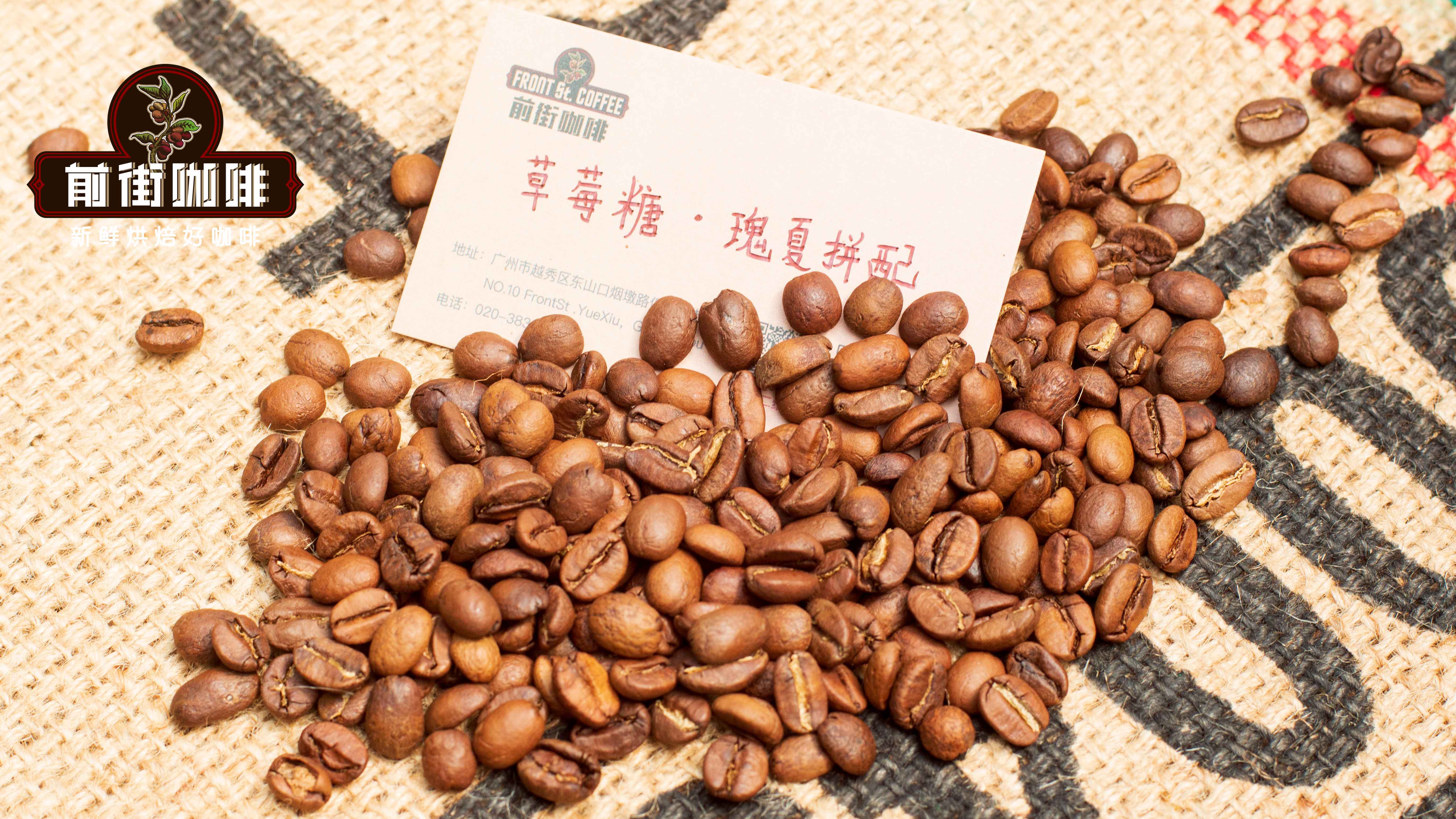
If you neither want to be troubled by the heavy bitterness of dark-roasted beans nor like the bright acidity of light-roasted beans, and you have just started making espresso drinks, then the medium-roasted Front Street Coffee. Strawberry Candy Espresso would be a good choice. This bean is specially designed for enthusiasts who prefer floral and fruity notes. The blend combines coffee from three origins: Costa Rica, Colombia, and Ethiopia. In the cup, you can catch notes of rose, citrus, grape, and dried blueberry, and when combined with milk it gives off a sweet aroma like strawberry gummy candy.
Such a judgment is not without basis; in most cases, the source of bitterness does indeed point to the espresso
.
However, there are also times when the obvious bitterness in a latte cannot be blamed on the espresso or the extraction process. Several details in the preparation process can also affect the final performance of the coffee, such as insufficient blending between the milk and the coffee.
Blending issues
Blending is a preliminary step before making a hot latte and preparing latte art. During the operation, rotate your wrist so that the coffee cup and the milk pitcher move together, while pouring milk into the coffee. This action allows the milk and coffee to blend with each other, providing a cleaner background for subsequent latte art, as well as a "canvas" with better flow and more suitable for carrying patterns. It should be noted that blending not only affects the latte art effect, but also plays an important role in the presentation of the coffee's flavor.
The flavor mentioned here mainly refers to the degree of harmony between the surface foam of the latte and the coffee liquid below. The reason Front Street Coffee emphasizes that blending affects the overall performance is that part of the milk foam on the surface of a latte is composed of crema. In addition to carbon dioxide, lipids, and aromatic components, coffee crema also suspends a certain amount of fine particles. Fine particles can increase body, but at the same time they also bring bitterness. If blending is not done properly, the latte will taste "layered": the top layer of milk foam is bitter, while the coffee liquid at the bottom is sweeter.
In the article "A Little Secret to Make Americano Sweeter," Front Street Coffee once mentioned that if you want to reduce the bitterness of Americano, you can try skimming off the crema. Although this will lose some aroma and body, the Americano will become cleaner and less bitter. However, the same idea does not work for lattes, because latte art needs crema to reduce the fluidity of the surface. Therefore, the blending step is particularly critical. As long as blending is done sufficiently, there is no need to worry about the latte tasting "clearly layered."
The specific operation is actually not complicated: during the blending stage, the espresso and milk foam need to be fully shaken and mixed, using the impact of the milk stream to stir up the surface of the coffee liquid. This can not only eliminate part of the crema on the surface of the espresso and improve fluidity, but also allow the fine particles attached to the crema to settle down, so that no obvious bitterness remains on the foam.

The issue of milk temperature
This is a key point that Front Street Coffee often mentions—milk temperature control. Maintain the frothing temperature between 55°C and 69°C because within this range the lactose in the milk is activated and the sweetness increases accordingly; at the same time, the milk foam is less likely to break because the temperature is suitable, allowing it to maintain longer stability, in other words, the latte art pattern can be preserved for a longer time.
But once it exceeds 70°C, some components in the milk will be damaged by the high temperature. The sweetness is no longer prominent, and the texture also loses its smoothness. Even if the amount of milk added to the coffee remains unchanged, the latte will taste more bitter because the sweetness has decreased. Therefore, the control of milk temperature cannot be ignored.
The issue of the ratio of coffee to milk
The last thing to discuss is the ratio. Many friends lack experience in making lattes and directly apply the ratios they find online when making a latte for the first time. Using them as a reference is certainly fine, but copying them completely is not recommended. After all, everyone uses different beans and milk, and with different materials, the suitable ratio will naturally differ.
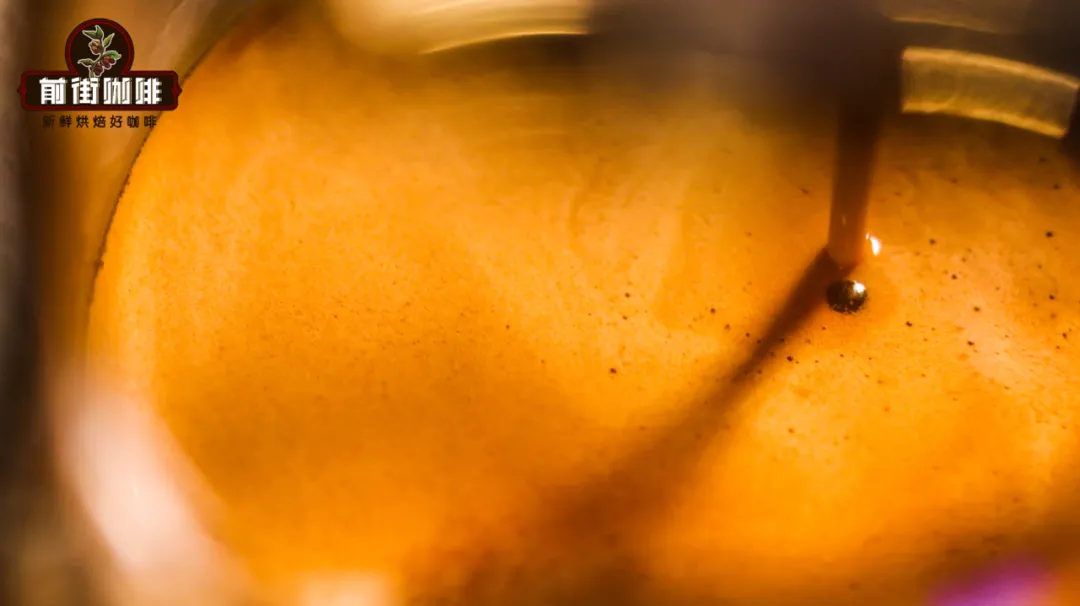
Taking the ratio as an example, the coffee-to-milk ratio for a latte at Front Street Coffee stores is 1:5, that is, one part espresso to five parts milk. This is because the beans used by Front Street Coffee are medium-dark roasted, and the milk chosen is Guangming fresh milk. The overall taste is relatively light and the body is thinner, so a 1:5 ratio just achieves balance, with milk and coffee not overpowering each other. But if you switch to dark-roasted coffee beans, the bitterness will be heavier. If you do not switch to milk with a stronger milky flavor, you need to appropriately increase the amount of milk to neutralize the excess bitterness. Otherwise, the coffee flavor will overpower the milk, and the latte will taste even more bitter.
(Of course, it is also possible that the milk foam was frothed too thick, causing the actual proportion of milk in the cup to decrease.)
Overall, in addition to the espresso itself, these details in the preparation process will also affect the overall performance of the latte. When problems arise, besides checking the extraction condition of the espresso, the above factors should also be included in the key scope of investigation.
The above content is compiled by CoffeeHunters, a coffee news website.


