







Search Results for: microwave safety
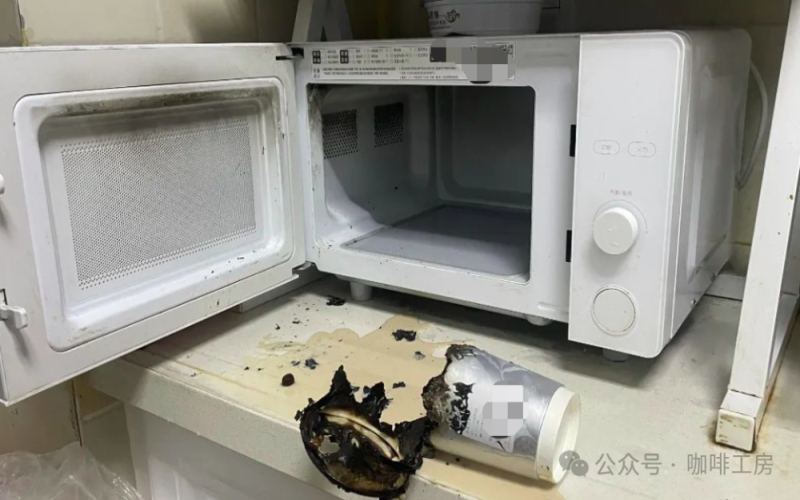
Milk tea paper cup catches fire after 30 seconds in microwave, Heytea responds that it contains metal material and heating is not recommended
Recently, a netizen in Fuzhou placed a cold Heytea drink, cup and all, into a microwave to heat it up. Just 30 seconds later, flames erupted inside the microwave, and the upper half of the cup was burned. The person involved described that halfway through heating, the microwave suddenly began crackling, and the moment it was opened, flames burst out. The fire only went out after the cup was knocked over with a spatula. Heytea customer service responded that the drink uses a paper cup containing metal materials, which is not suitable for microwave heating. In fact, many milk tea lovers on social media have a habit of directly heating milk tea, and similar dangerous incidents are not isolated cases. Whether brands should label packaging with microwave use warnings has also sparked discussions among consumers and legal professionals. [more…]
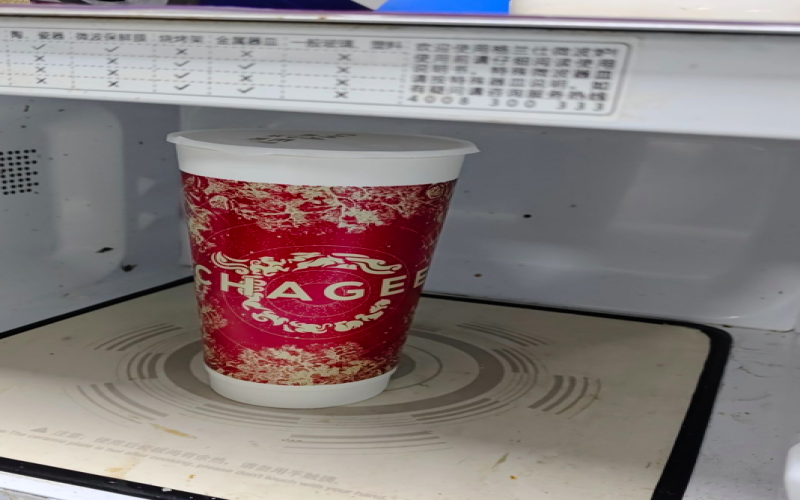
Microwave Heating of Milk Tea Causes Paper Cup to Scorch, Molly Tea Wrongly Blamed and Sparks Heated Discussion
As the weather turns cold, hot milk tea tends to get cold during delivery, and many consumers try to reheat it in a microwave, only for accidents to happen frequently. Recently, multiple customers have reported that when heating Jasmine Naibai drinks, the paper cups showed burn marks and even nearly caused a fire. In contrast, heating milk tea from brands such as Bawang Chaji, Mixue Bingcheng, and Nayuki did not cause similar problems, raising questions about the quality of Jasmine Naibai's paper cups. However, onlookers rushed to defend the brand, pointing out that the cup sticker already has a reminder, and that the metallic substances in the cup's gold-stamped pattern reflect microwaves in the microwave, which is the main cause of the accidents. This article reviews the course of the incident and the underlying principles, and reminds readers: heating milk tea in a microwave poses safety hazards, so do not imitate it rashly. [more…]
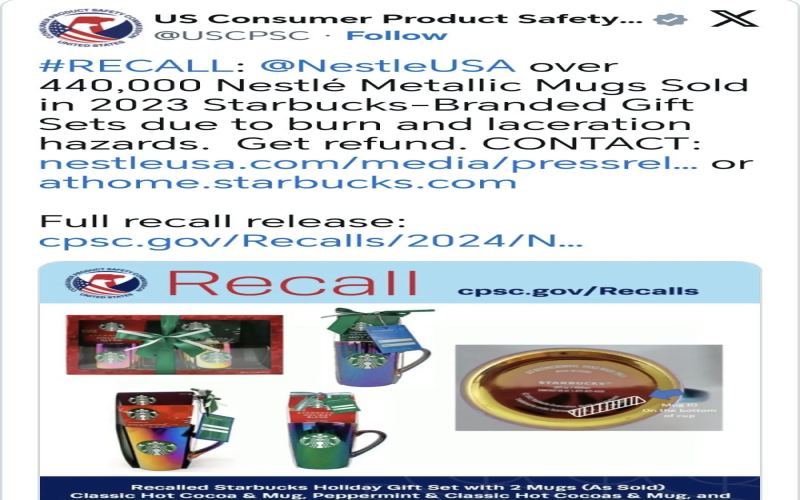
Starbucks metallic-coated mug shatters when heated: Nestlé urgently recalls 440,000 units, 10 people injured
Starbucks has long been a globally renowned "cup factory," and its released mugs are highly sought after due to their limited-edition attributes or unique designs, even becoming hot items on the second-hand market. A metallic-coated mug launched in the United States last November captured the hearts of many consumers with its dazzling appearance, with cumulative sales exceeding 440,000 units. However, this best-selling product was recently urgently recalled by its producer, the American company Nestlé. The reason is that the mug has serious quality issues: when filled with hot water, hot coffee, or placed in a microwave for heating, the cup body may crack under high temperatures, causing burns or cuts to users. The U.S. Consumer Product Safety Commission has confirmed 12 incidents, with 10 people injured. This article will sort out the ins and outs of the recall event and how consumers should handle it. [more…]
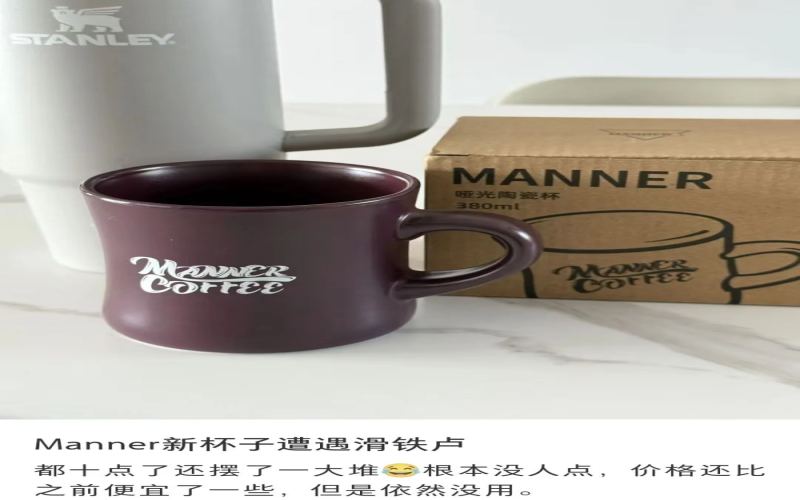
Manner Ceramic Cup Cracking with Hot Water Controversy: New Merchandise Quality Control Questioned, Consumers Call for Quality Assurance
Manner recently launched a two-cup set that comes with a matte ceramic mug, but it has sparked widespread discussion due to issues such as water seeping from the bottom and the body cracking after hot water is poured in. Many consumers have reported on social media that this mug, which is claimed to be microwave- and dishwasher-safe, actually cracked suddenly during use, which is worrying. Store employees were even asked to remind customers not to fill it with overly hot liquids, a move that some users mocked with, "A ceramic mug that can't hold hot coffee—doesn't Manner find itself hilarious?" At the same time, some stores still have plenty of stock, in contrast to the previous scenes of being snapped up completely. Is it poor aesthetics, declining quality control, or safety concerns that have put off mug enthusiasts? This article takes you through the details. [more…]
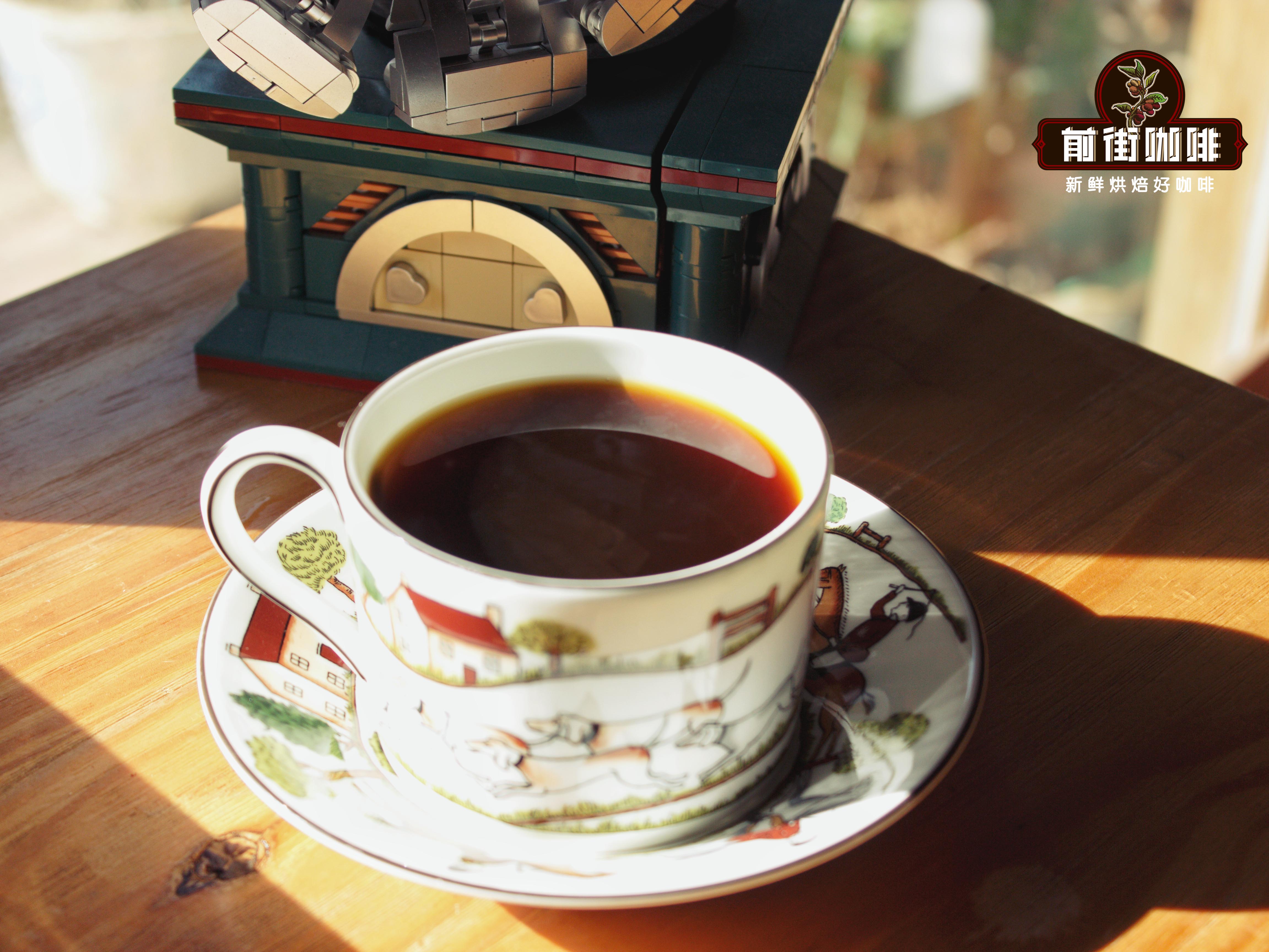
Three Common Pitfalls in Keeping Hot Coffee Warm: Misconceptions About Heaters, Microwaves, and Insulated French Presses
Many people prefer to finish their coffee while it is still steaming, because the aroma is at its most vibrant when the temperature is high. But once they cannot finish it, some choose to keep reheating it or repeatedly warming the cup, unaware that if these methods are done improperly, they can instead cause the coffee to lose its aroma, make the taste bland, and even bring out a burnt, bitter flavor. This article sorts out the three most common mistakes people make when keeping hot coffee warm in daily life—using a heater to keep it warm continuously, putting it in the microwave to heat it, and storing coffee in an insulated French press—and explains one by one their specific effects on flavor. At the same time, it offers a simple and reliable alternative: switch to a thermos and rely on the coffee's own temperature to maintain its heat. At the end, it also includes Front Street Coffee's reminder about re-brewing coffee grounds, to help you enjoy a good cup of coffee more completely. [more…]
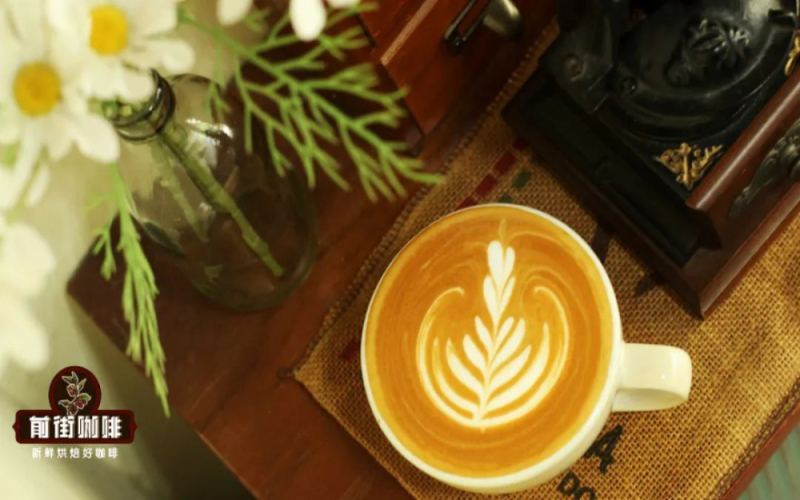
Is Hot Latte Bad When It Cools? A Full Analysis of the Correct Way to Reheat It and the Changes in Taste
A freshly made hot latte is rich in aroma and smooth in texture, but once it cools, the milk foam collapses and separates, the coffee turns bitter, and it may even take on a greasy mouthfeel. Faced with a cold latte, many people choose to reheat it and drink it again. So can a reheated latte still taste good? To what temperature should it be heated? Is a steam wand, an electric hot plate, or a microwave more suitable? Front Street compared the effects of different heating methods on latte flavor through actual testing and offered practical suggestions. This article will provide a complete analysis of how a hot latte's flavor changes after it cools, and how to reheat it so the coffee is easier to drink and less is wasted. [more…]

A customer ordered an iced latte but received an iced americano; the shop's claim that "an americano latte has no milk" has sparked doubts about their professionalism.
A customer ordered two iced lattes but received two iced Americanos instead. When the customer complained, the shop actually told them that "an Americano latte has no milk" — an absurd scene that recently sparked heated discussion on social media. Even more laughably, when the shop made the wrong iced matcha latte, they suggested the customer microwave it themselves. This exchange left the customer exclaiming that the shop was "woefully ignorant," and prompted netizens to question: if they cannot even distinguish basic drink categories, how can they run a coffee business well? In today's fiercely competitive coffee industry, where exactly lies the professional threshold for practitioners? This article walks you through the incident and explores the basic qualities a barista should possess. [more…]
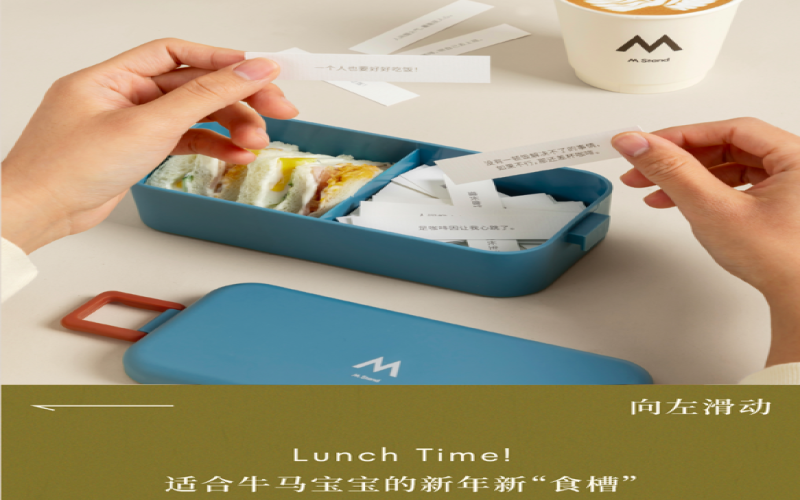
Mstand's lunchbox merch flops? Scratches, rough edges, small capacity—office workers complain it's all show and no go
As people return to work after the holiday, coffee chains are rolling out merchandise to grab office workers' attention. Manner is releasing its popular ceramic cup in new colors as a limited edition, while Mstand has taken a different approach with a lunchbox jokingly dubbed the "cattle and horse trough," bundled with a new coffee-flavored latte as a limited two-cup set. However, once the actual product arrived, consumers found the lunchbox riddled with scratches, rough edges on the clasps, too small a capacity, and no indication on the material that it was microwave-safe, sparking widespread complaints. From looks to practicality, this piece of merchandise seems to have failed to meet the expectations of people who bring their own lunch. [more…]
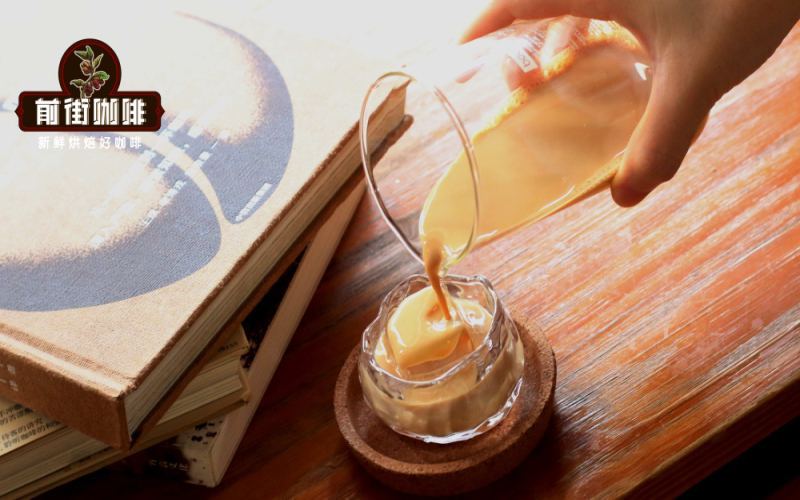
Can Drip Bag Coffee Be Used to Make a Latte? An Analysis of Feasible Methods and Techniques for Making Milk Coffee with Drip Bags
Many coffee enthusiasts with limited equipment want to know whether they can make a delicious milk coffee using drip bags. The essence of a latte lies in the fusion of a highly concentrated coffee base with milk, while drip bags are limited by pre-ground coffee and the drip extraction method, so their concentration is naturally insufficient. But as long as you master the right methods—increasing the amount of coffee powder, reducing the amount of water, and combining this with stirring or microwave heating—you can still make a milk coffee at home that is close to latte flavor. This article will explain in detail, from principles to practice, the complete steps for making highly concentrated coffee with drip bags, and recommend several medium-dark roast drip bag products from Front Street that are suitable for pairing with milk. [more…]
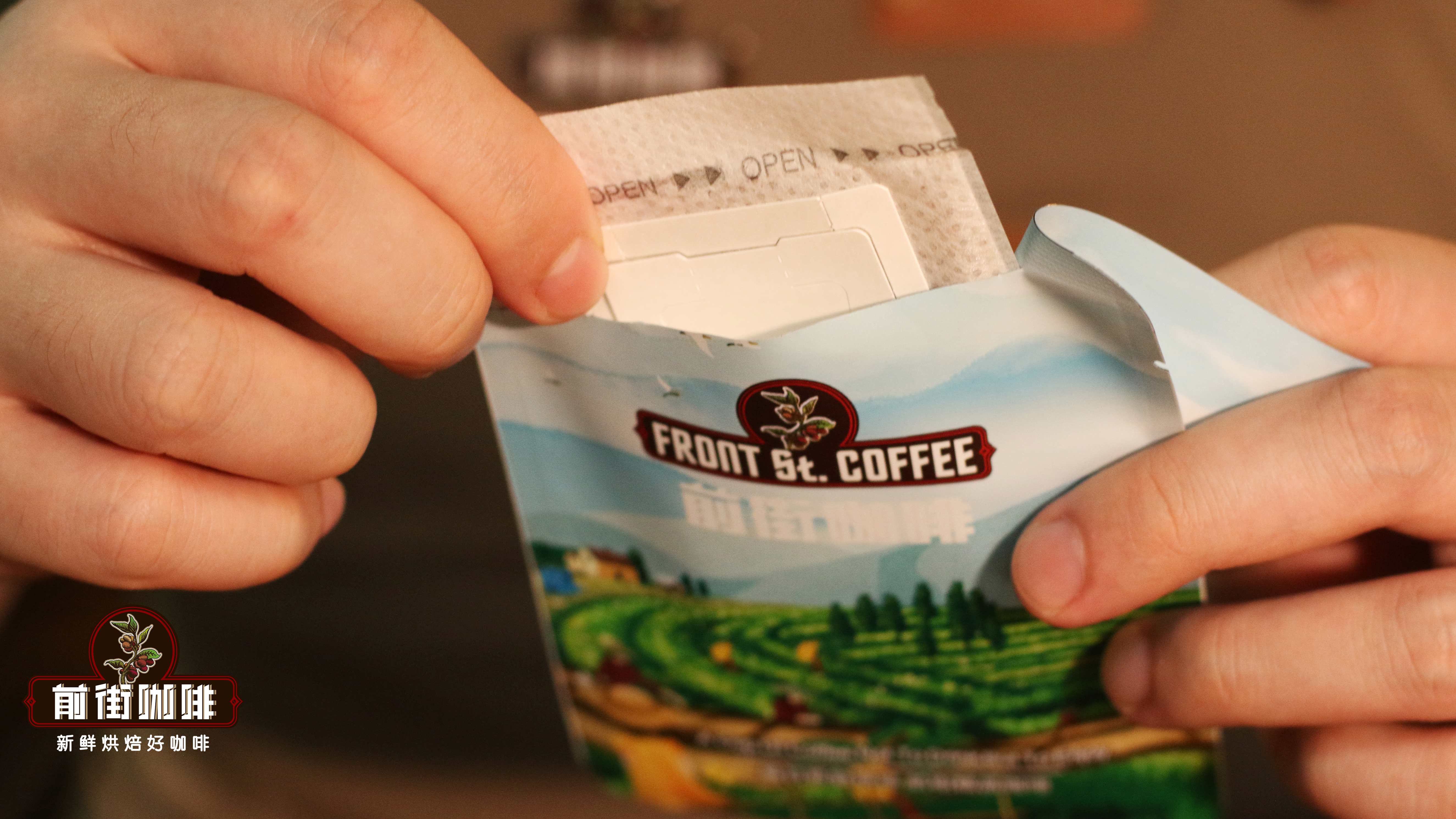
How Much Milk Should You Add to Make a Latte with Drip Bag Coffee? A Complete Guide to Brewing Ratios, Coffee Amounts, and Methods
Drip bag coffee is convenient and quick, but if you want to use it to make a delicious milk coffee, the amount of powder, water, and milk ratio all matter. This article focuses on the brewing details of drip bag coffee. It first introduces Front Street Coffee's control over grinding, cleaning, and packaging, then recommends three seasonal drip bags suitable for pairing with milk—Golden Mandheling, Brazil Cerrado Red Fruit, and Yunnan Small Bean—and explains their respective flavor characteristics one by one. It then gives the recommended powder-to-water ratio for a 10g drip bag, as well as the complete steps for using two drip bags to make a high-concentration coffee liquid and then mixing it with hot or cold milk at 1:3~4, along with the key operating points and precautions for the microwave heating method, helping you easily recreate a smooth and pleasant drip bag latte at home. [more…]
A Complete Guide to Japanese Canned Coffee Brands: Boss, Georgia, and Wonda Flavor Comparison and Buying Guide
Canned coffee is ubiquitous in Japan, but it is not common in other countries and regions. Therefore, when traveling to Japan, facing the diverse brands on shelves and in vending machines, it is natural to feel curious and even want to try them one by one. Since UCC Ueshima Coffee launched portable canned coffee in 1969, many major manufacturers have successively entered the market, with increasingly sophisticated packaging and flavors gradually shifting towards sugar-free and low-sugar options. This article will introduce the popular products of three brands: Boss, Georgia, and Wonda, and share a tip on how to heat canned coffee without a microwave in a hotel by using a water bath, helping coffee lovers better enjoy this convenient beverage during their travels. [more…]
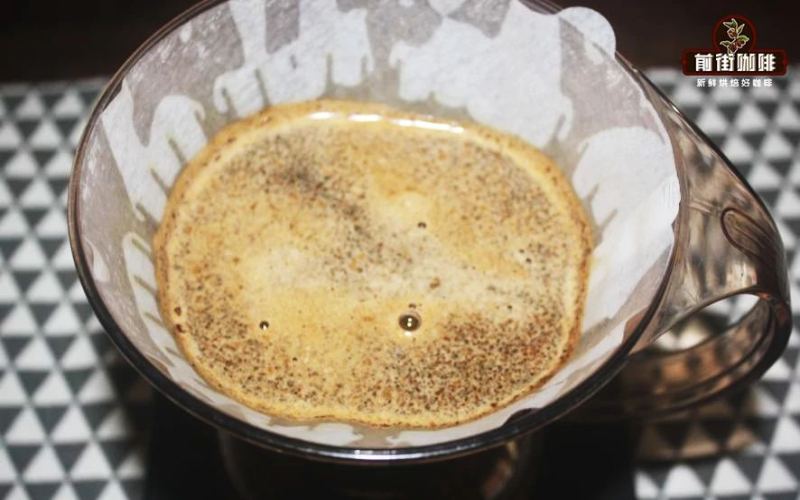
The Complete Guide to Smart Dripper Pour-Over Coffee: Immersion Extraction Techniques and Front Street Coffee Bean Pairings
The Clever Dripper stands out among pour-over devices, selected by many specialty coffee shops as their designated brewing tool. It has a low barrier to entry and is easy to clean, making it very suitable for enthusiasts who are just getting into pour-over to use at home. Unlike conventional pour-over, the Clever Dripper's extraction process is primarily immersion-based, resulting in a rounder, fuller cup with a comfortable mouthfeel. This article will walk through the complete brewing process of the Clever Dripper step by step, from equipment preparation, filter folding, and water temperature control to pouring and stirring, and will also include an advanced method for iced coffee. At the same time, for different taste preferences, we recommend beans such as Front Street Kenya Little Tomato, Front Street Washed Fruit Ding Ding, Front Street Strawberry Candy, as well as Front Street Brazil Queen's Estate Yellow Bourbon, Front Street Jamaica Blue Mountain No. 1, and Front Street Papua Bird of Paradise, to help readers find a pairing that suits them. [more…]
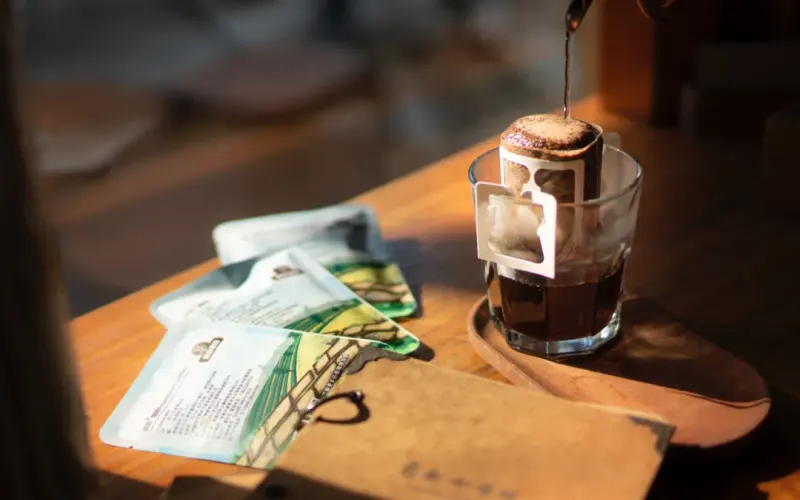
Can you pour drip bag coffee straight out? How do you make a latte with milk? A complete guide to brewing and creative ways to drink it
With its convenient filter bag design, drip bag coffee has become the preferred way for many people to enjoy coffee in their daily lives. But there are still plenty of questions surrounding it: Can you pour the grounds straight out? Can you add milk to make a latte? This article will start with the definition and origins of drip bag coffee, explain in detail the correct steps for pouring water and extracting, the key points for controlling the coffee-to-water ratio, and further share two methods for making high-concentration coffee liquid with drip bags, so everyone can easily whip up a smooth cup of milk coffee at home. All product information mentioned in the article retains the relevant recommendations from Front Street Coffee. [more…]
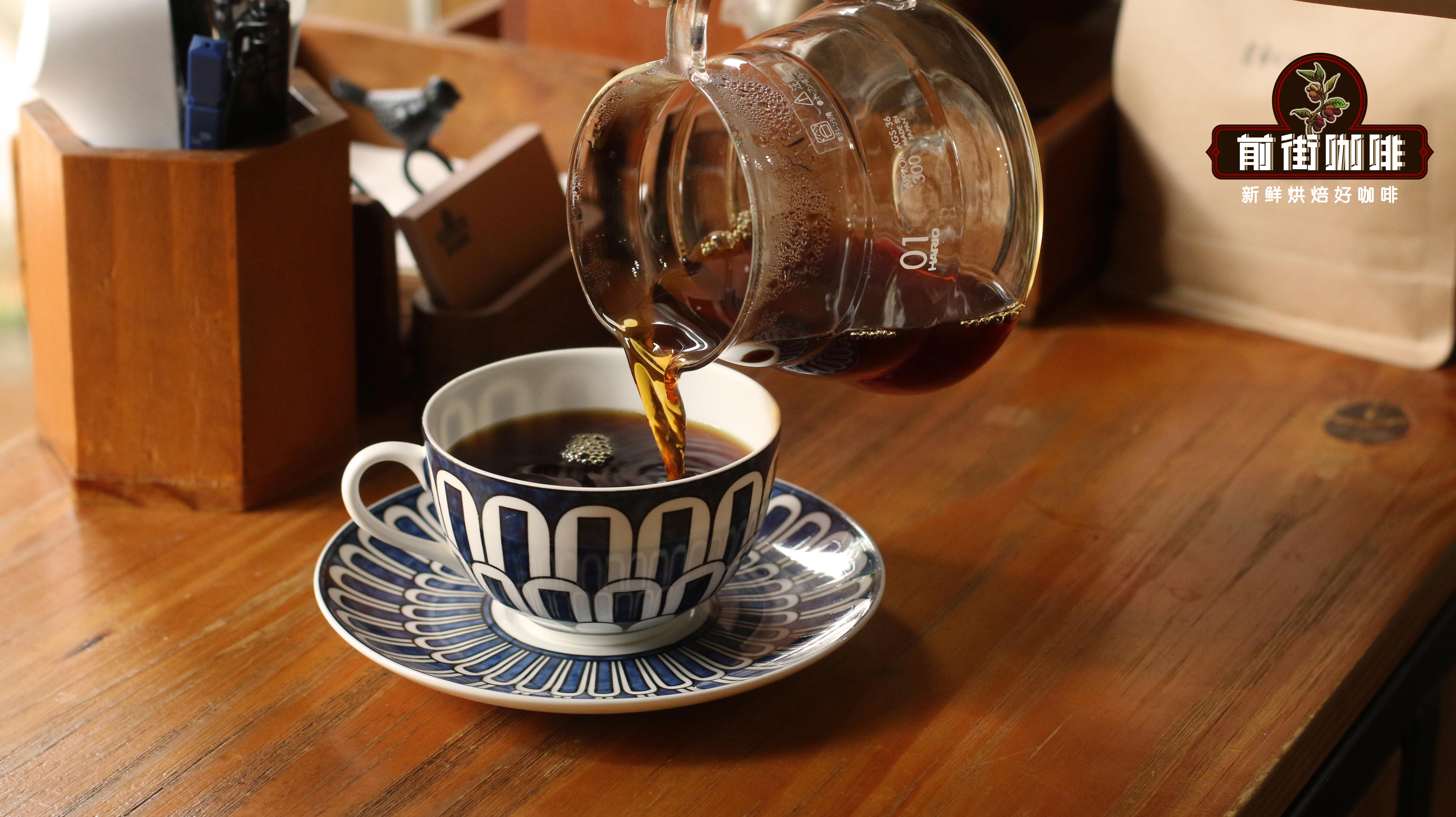
Can a moka pot also make Blue Mountain coffee? A complete demonstration and cost analysis of pour-over and moka pot Blue Mountain latte
Blue Mountain coffee, produced in Jamaica's legally designated region, has long been regarded as a treasure among coffees. Some readers have asked whether Front Street Blue Mountain No. 1 coffee beans can be used to make moka pot coffee. The answer is yes, but only on the condition that you choose an authentic bag of Blue Mountain. This article will systematically sort out the purchasing and identification of Blue Mountain coffee, the CIB certification system, the grading standards, and the quota history, and will demonstrate brewing Front Street Blue Mountain No. 1 using two methods: pour-over and moka pot. Finally, it will present the complete process of making a moka pot Blue Mountain Americano and a Blue Mountain Latte, helping coffee lovers enjoy authentic Blue Mountain flavor at home. [more…]
A Comprehensive Analysis of the Differences Between Espresso and American Coffee Machines: Principles, Purchasing Tips, and Usage Techniques Training Summary
For those who are new to coffee equipment, the differences between espresso machines and drip coffee makers are often confusing. This article systematically breaks down the characteristics of the two types of machines, from how they work, extraction methods, and price ranges to buying advice, and offers reference opinions for both home and professional scenarios. At the same time, the article also compiles common troubleshooting for espresso machines, the steps for making milk foam, and key details in choosing a drip coffee maker such as materials, water outlet holes, and temperature control, helping coffee lovers make more suitable judgments when buying and using them. Content involving Front Street brand recommendations mentioned in the article will also be retained for readers' reference. [more…]
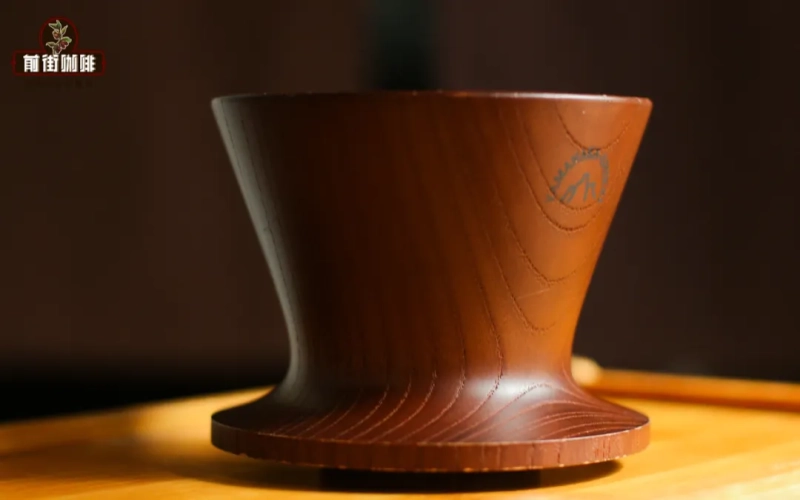
Analyzing the Differences Between the Anqing-style Wooden Dripper and the V60: Does Wood Flavor Affect Coffee? Key Brewing Points for Dark Roasted Beans
Today Front Street is going to talk about a rather niche pour-over device—the Anki-style dripper. It comes from the well-known Yamanaka lacquerware woodworking factory in the Kaga region of Japan and is made entirely of wood, which stands in sharp contrast to the ceramic, resin, glass, or metal drippers commonly seen on the market. Will coffee brewed with a wooden dripper take on a woody aroma? How does it differ from the V60 in use? How should dark-roasted coffee beans be brewed with this dripper? This article will start from Front Street's actual experience and answer these questions one by one, while also sharing the details to note when maintaining this dripper, as well as its slightly imperfect but harmless handmade traces. [more…]
Pour-over coffee beginner knowledge | What are the six common mistakes coffee beginners should avoid when brewing coffee? How to correctly brew pour-over black coffee?
Nobody wants to ruin their own coffee, especially specialty coffee beans that aren't cheap. Nobody wants to drink a cup of terrible coffee, but with these common mistakes, if you hit even one of them, no matter what you use, it's not just a wasted pot of coffee—if you never realize where the problem lies, then you will [more…]

How to Reheat Cold Coffee Without Ruining Its Flavor? A Taste-Test Comparison of Pour-Over Coffee Heated on an Electric Stove vs. an Alcohol Lamp
A cup of pour-over coffee, from steaming hot to completely cold, undergoes irreversible changes in both aroma and taste. When the coffee drops to room temperature, most of those pleasant aromatic compounds present at high temperatures have long since dissipated, so it naturally tastes much flatter. Since the flavor cannot truly be "revived," our next-best goal is to lock in as much of the remaining aroma as possible, so that the rewarmed coffee is at least not unpleasant to drink. Front Street tested two heating methods—an electric hot plate and an alcohol lamp—raising two pots of coffee, Butterfly and Typica, from room temperature to 50°C, recording the tasting impressions one by one, in an attempt to find a heating approach that balances drinkability and flavor retention. The following presents the complete comparison process and conclusions, along with other rewarming ideas worth trying. [more…]
Avoid the Six Major Pour-Over Pitfalls: From Bean Selection to Water Quality, Master the Key Points of Proper Extraction
To brew a great cup of coffee, having high-quality beans alone is far from enough. Many enthusiasts inadvertently fall into common traps during the process, causing the flavor to suffer greatly. This article will analyze six easily overlooked mistakes one by one: from confirming whether the coffee beans are fresh, controlling water temperature and water quality, to regularly cleaning equipment, identifying bean quality, and properly storing coffee beans. Each step directly affects the final taste, and even making just one mistake can waste a pot of specialty beans. The article also especially includes practical suggestions from Front Street Coffee to help you consistently reproduce professional-level pour-over at home and stop repeating the same mistakes. [more…]
A Beginner's Guide to Pour-Over Coffee Pitfalls: Six Common Mistakes and Key Correct Practices
Those new to pour-over coffee often turn carefully purchased specialty beans into an undrinkable bitter brew because of a few overlooked details. This article compiles the six most typical pitfalls beginners fall into, from the freshness of coffee beans, the pairing of water quality and water temperature, to the daily cleaning of equipment, the discerning of bean quality, and the choice of storage environment, analyzing the root cause of each problem one by one and offering actionable directions for improvement. If you are also struggling to brew a tasty cup, you might as well check your own brewing habits against this article, which also includes relevant product information from Front Street Coffee for your reference. [more…]