







How do coffee machines and water choice affect pour-over flavor?
Pour-over goes wrong in six common ways, and each one dulls the cup. Stale beans, wrong water temperature, poor water quality, dirty equipment, low-quality beans, and bad storage all matter. Water temperature for pour-over should sit between 85 and 95 degrees Celsius, adjusted to the bean's roast level and freshness, and a scale, thermometer, and timer help keep brew variables steady.
Roast level guides the setting: roughly 85, 87, 90, 92, and 95 degrees Celsius for extra dark, medium dark, medium, light, and extra light beans, with a longer bloom while degassing is active and a 1 to 2 degree drop once it fades. Water quality should be moderate; both very low and very high TDS harm aroma, and equipment needs regular cleaning.
Brewing a great cup of coffee takes far more than just good beans. Many enthusiasts unknowingly fall into common traps during brewing, which drastically diminishes the flavor. This article will analyze six easily overlooked mistakes one by one: from checking whether the coffee beans are fresh, controlling water temperature and quality, to regularly cleaning equipment, identifying bean quality, and properly storing coffee beans. Each step directly affects the final taste—even one mistake can waste a pot of specialty beans. The article also includes practical tips from the Front Street brand to help you consistently replicate professional-level pour-over at home and stop repeating mistakes.
No one wants to brew a failed cup, especially when the beans in hand are expensive. But with these high-frequency mistakes, encountering even one can ruin even the best beans. What's worse, if you never realize the root cause, the same errors will keep recurring.
First, ask yourself: are the coffee beans you're using fresh enough?
This question is easily overlooked, and even some experienced baristas forget to check the roast date. Once the beans are no longer fresh, it's no surprise that the brewed taste is less than ideal.
A digital scale, thermometer, and timer are essential tools for pour-over.
Second, are you using the right water temperature?
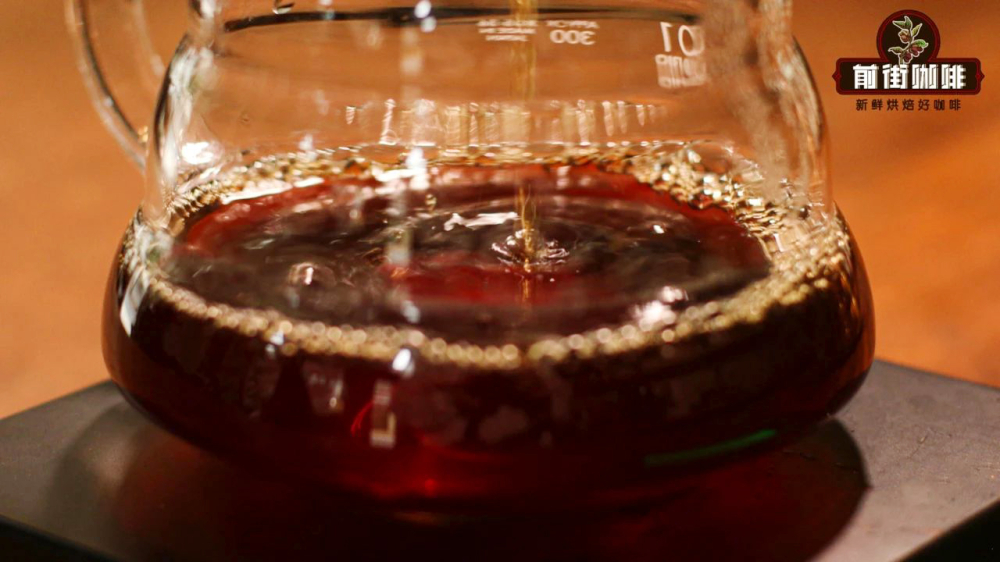
Water temperature directly affects extraction: too high can bring out bitterness, while too low makes the coffee taste weak and sharply acidic. Generally, the ideal water temperature for pour-over is between 85 and 95 degrees Celsius, adjusted based on the bean's roast level and freshness. Of course, the pour-over coffee ratio is equally important.
My approach is to divide roast levels into five categories: extra dark, medium dark, medium, light, and extra light, corresponding to 85, 87, 90, 92, and 95 degrees Celsius respectively; when degassing is active, extend the bloom appropriately, and after degassing weakens, lower the temperature by 1 to 2 degrees.
Additionally, the mineral content in water also affects the coffee's flavor, aroma, and even smoothness. As for which water is suitable, it requires specific analysis, but the industry consensus is that water quality should be moderate—too soft (low TDS) or too hard (high TDS) are both undesirable.
How often do you clean your brewing equipment?
Everyone has moments of laziness, and skipping a wash once or twice doesn't seem to make a noticeable difference. But one day, you might encounter a cup with a burnt, rancid, or even rotten smell—absolutely a nightmare for any enthusiast.
More critically, equipment like coffee machines and grinders, where moisture and oils easily accumulate inside, can breed bacteria if not cleaned for a long time, affecting health. By then, even the finest specialty beans won't save your stomach.
Are the beans you're using up to standard?
The market offers a wide variety of beans, and not all specialty-grade beans are necessarily delicious, nor are non-specialty beans necessarily bad. But overall, specialty coffee beans provide a more consistent experience with a lower chance of disappointment. Setting aside cupping scores, in my view, there are only two types of poor-quality coffee:
As the saying goes, "you get what you pay for," which holds true in most cases. But the coffee world often has exceptions, because there's also the saying: "you get what you pay for, three times the price for twice the quality, ten times the price for thrice the quality." Some specialty beans with just slightly lower cupping scores can cost several times more.
Are you storing your coffee beans correctly?
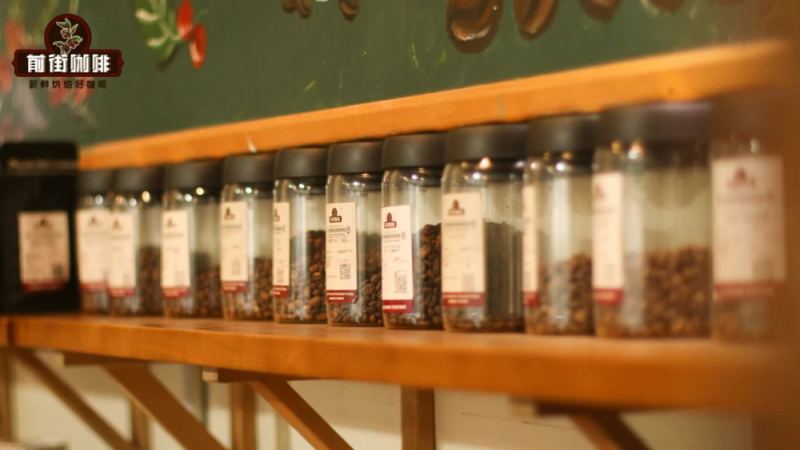
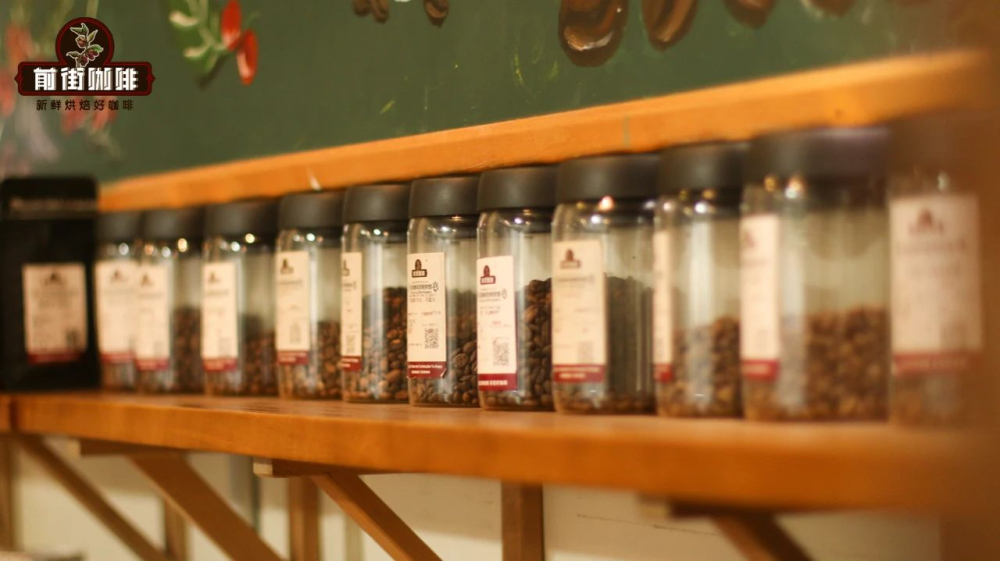
Coffee beans are essentially fresh agricultural products, so they can't just be stored anywhere. Usually, we don't need to overthink storage, because beans generally stay in their original bag or container—no need to transfer them specially. Just place them in a cabinet or corner. But some locations are unsuitable for long-term storage: humid kitchens, near heat-generating appliances like ovens and microwaves, and windowsills with direct sunlight—oxygen, moisture, high temperatures, and light all accelerate bean oxidation and deterioration.
The above content is compiled by CoffeeHunters, a coffee news website.


