





Does a Coffee Cup Metal Material Make Microwaving Unsafe?
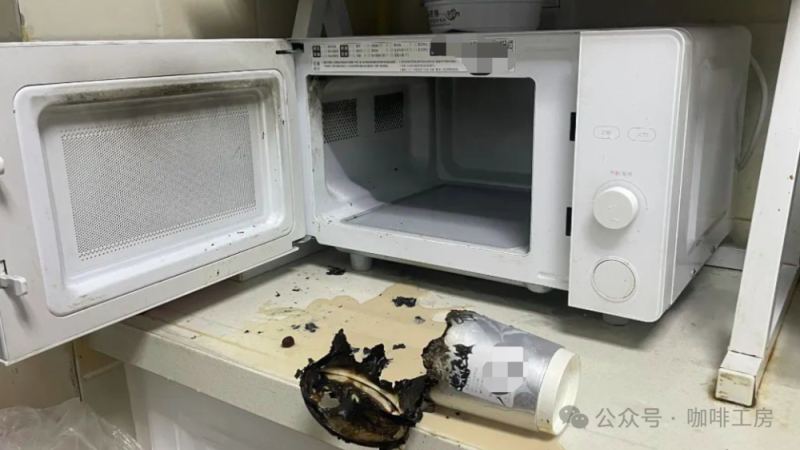
A netizen in Fuzhou put a cold HEYTEA drink, cup and all, into a microwave and within 30 seconds flames erupted inside, burning the upper half of the paper cup. The person described a crackling sound, then fire rushing out when the door opened, and only knocked the cup over with a spatula to put it out. HEYTEA said the paper cup contained metal material and should not be microwaved.
Similar incidents have been reported by milk tea drinkers who routinely reheat drinks, prompting debate over whether brands should print microwave warnings on packaging. The core issue is coffee material and packaging construction: laminated and metallized paper cups can interact with microwave energy, while what coffee contains and how a cup is built both affect safe reheating. Consumers and legal professionals have joined the discussion about clearer labeling.
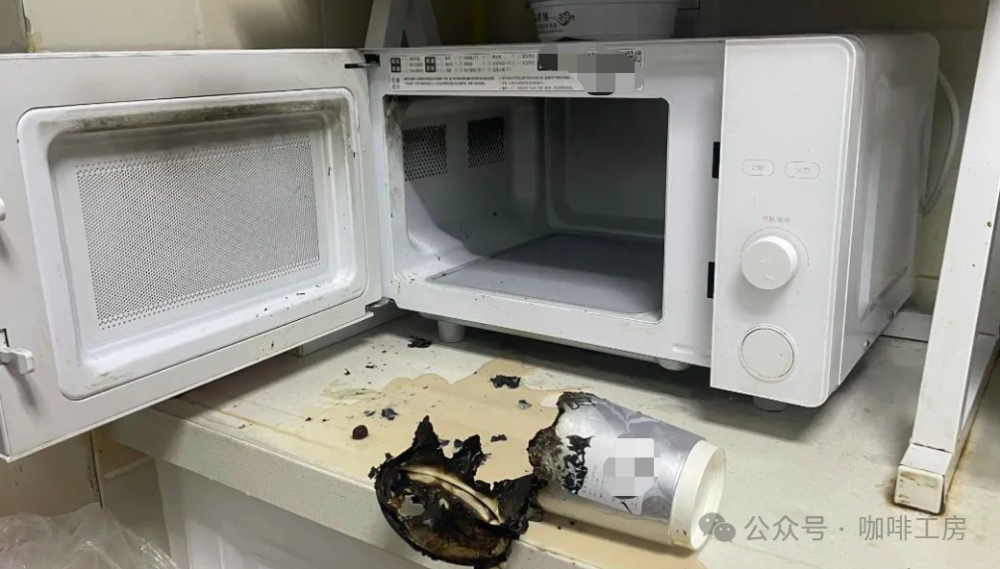
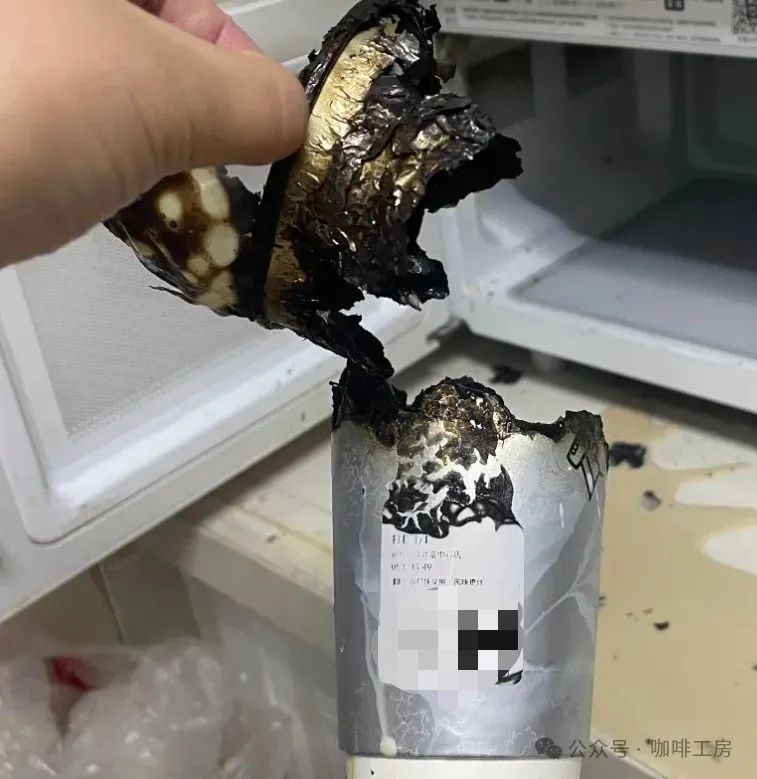
Recently, a netizen in Fuzhou placed a cold HEYTEA drink, cup and all, into a microwave to heat it up. Just 30 seconds later, flames erupted inside the microwave, and the upper half of the cup was burned. The person involved described that halfway through heating, a crackling sound suddenly came from the microwave. The moment it was opened, flames rushed out. Only after knocking the cup over with a spatula did the fire go out. HEYTEA customer service responded that the drink used a paper cup containing metal material, making it unsuitable for microwave heating. In fact, many milk tea lovers on social platforms have a habit of heating milk tea directly, and similar dangerous incidents are not isolated cases. Whether brands should label microwave use prohibitions on packaging has also sparked discussions among consumers and legal professionals.
▲
Click to follow | Daily specialty coffee culture magazine Coffee Workshop
According to media reports, a netizen in Fuzhou recently experienced a frightening scene: putting milk tea, cup and all, into a microwave to heat it. After only 30 seconds, a large fire broke out inside, and the upper half of the paper cup was burned beyond recognition.
The person involved recalled that she had only wanted to heat up a cup of HEYTEA that had gone cold, set it for 1 minute, and then went to do other things. Halfway through heating, a crackling noise suddenly came from the microwave. Worried it might explode, she immediately opened the microwave door. "The fire burst out all at once. I used a spatula to knock over the milk tea cup, and only after the cup fell did the fire go out."
Looking at the paper cup with only half left and the blackened inner wall of the microwave, the person involved was filled with lingering fear. She said she had previously heated milk tea from several brands in the microwave without any problems, and never expected this time to be so dangerous, nearly causing a fire.
Afterward, the netizen reported the situation to HEYTEA customer service. The customer service reply stated that the paper cup used for the drink purchased by the customer contained metal material, so it was not recommended to heat it in a microwave.
It is worth mentioning that many "milk tea heating enthusiasts" online are used to putting milk tea directly into the microwave, and some have shared their heating tips. But others have nearly set their homes on fire because of a cup of milk tea.
At the beginning of this year, Molly Tea launched a paper cup using a gold-stamping printing process. At that time, during the cold winter, many customers who loved hot drinks put it into the microwave to heat it. As a result, within just a few dozen seconds, flames flashed and black smoke poured out from the microwave, giving the "heating enthusiasts" quite a fright.
In response to the large number of feedback posts on social platforms about heating milk tea cups in microwaves, some consumers suggested that since everyone has different consumption habits, brands should take into account that some people will put cooled milk tea into the microwave to heat it. Therefore, they should add conspicuous reminders on product packaging to clearly state whether the material can go into a microwave.
Regarding this, the reporter contacted HEYTEA customer service. The brand's customer service stated that the milk tea cups used for packaged drinks in stores are all disposable items that meet food safety standards, but the product itself was not designed for microwave scenarios. Therefore, users are not advised to place them directly into a microwave for heating, and it is best to transfer the drink to another container before heating.
As for the heating labeling issue mentioned by the person involved, HEYTEA said that many consumers had previously raised similar suggestions, and they had kept records and fed them back to the company's relevant departments as a reference for subsequent product optimization.
A lawyer pointed out that according to the provisions of the General Safety Requirements for Food Basic Materials and Products, products with special use requirements should indicate the use temperature; for products that pose relatively high safety risks when used beyond the conditions of use, the conditions of use should be explained in a special and conspicuous manner.
Therefore, although there is currently no direct regulation requiring milk tea packaging cups to indicate whether they can be used in a microwave, from the perspective of risk prevention and in light of consumers' actual usage scenarios today, businesses should, where conditions permit, try to indicate on packaging cups whether they can be heated in a microwave, so as to avoid unnecessary disputes and trouble.
Image source: internet screenshot
Disclaimer: Some images in this article are from the internet. For some content on the website, such as images, we will respect the original author's copyright and indicate the source. However, due to the large volume, a few images and texts may not have been credited in time. Please forgive us. If the original author has any dispute, they may contact the website for handling. Once verified, we will correct it immediately. Compiled and edited by "Coffee Workshop." Please indicate the source when reposting. If there is infringement, please inform us for deletion. Thank you~!
The above content is compiled by CoffeeHunters, a coffee news website.


