








Why does coffee taste like alcohol after it cools down?
Reheating cold pour-over coffee cannot restore the aroma lost as the cup cooled. Front Street Coffee raised two pots of coffee, Butterfly and Typica, from room temperature to 50°C on an electric hot plate and with an alcohol lamp, then tasted each. The goal is not revival but retention: keep as much remaining aroma as possible so the rewarmed cup stays drinkable.
At 28°C the Butterfly liquid turned cloudy, tasting mostly of tea with faint fruit acidity and little aroma; the Typica kept some nutty notes but turned dull when reheated. This is why cooled coffee can seem off, and why some drinkers ask why does coffee taste like alcohol once it sits. Heating to 50°C is the balance point tested here.
A cup of pour-over coffee, from steaming hot to completely cold, undergoes irreversible changes in both aroma and taste. When the coffee drops to room temperature, most of the pleasant aromatic compounds present at high temperatures have long since dissipated, making it taste much weaker. Since the flavor cannot truly be "revived," our next-best goal is to lock in as much of the remaining aroma as possible, so that the rewarmed coffee is at least palatable. Front Street Coffee tested two heating methods—an electric hot plate and an alcohol lamp—raising two pots of coffee, Butterfly and Typica, from room temperature to 50°C, recording the tasting experience one by one, in an attempt to find a heating approach that balances drinkability and flavor retention. The full comparison process and conclusions are presented below, along with other rewarming ideas worth trying.

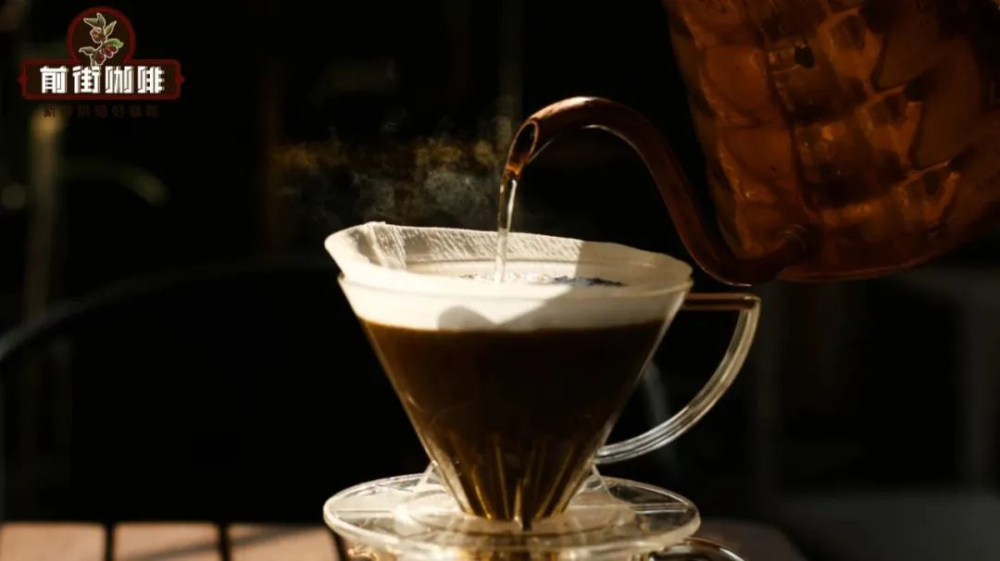
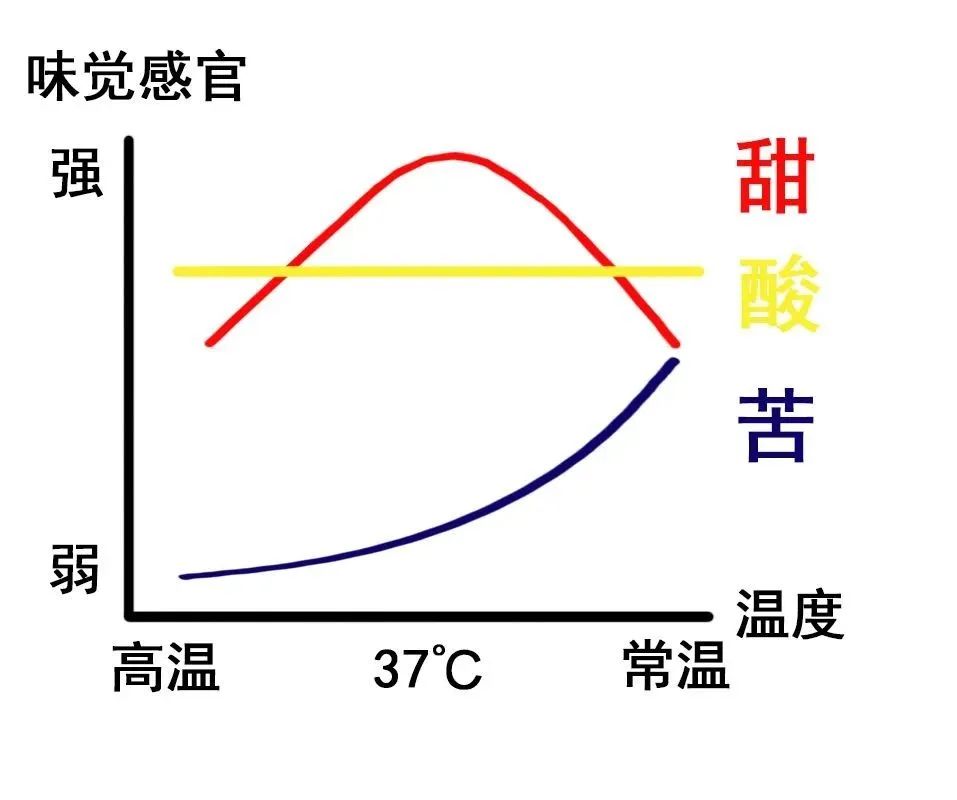
Front Street Coffee has covered related science in past articles: as coffee goes from hot to cold, flavor changes manifest mainly in two dimensions—aroma and taste. Right after brewing, the coffee continuously releases volatile aromatic compounds, but once the temperature has fully dropped to room temperature, many of the aromas that stood out in the high-temperature range have long since dissipated, making it taste noticeably inferior.
Precisely because this flavor decay process is irreversible, reheated coffee theoretically cannot be restored to the state it was in right after brewing. Since the flavor cannot be fully "revived," the core goal of heating coffee should instead be adjusted to: retaining as much of the residual aromatic compounds as possible.
Cooled to room temperature (28°C): Front Street Coffee observed that the liquid of this pot of Butterfly coffee had become somewhat cloudy; on tasting, it was mainly tea-like, with faint fruit acidity and no obvious aroma.
Tasting the flavors of Front Street Coffee's Typica coffee at different stages
Next, samples from the two pots of coffee were taken and heated in three different ways until reaching 50°C, with the tasting experience of each group recorded one by one.
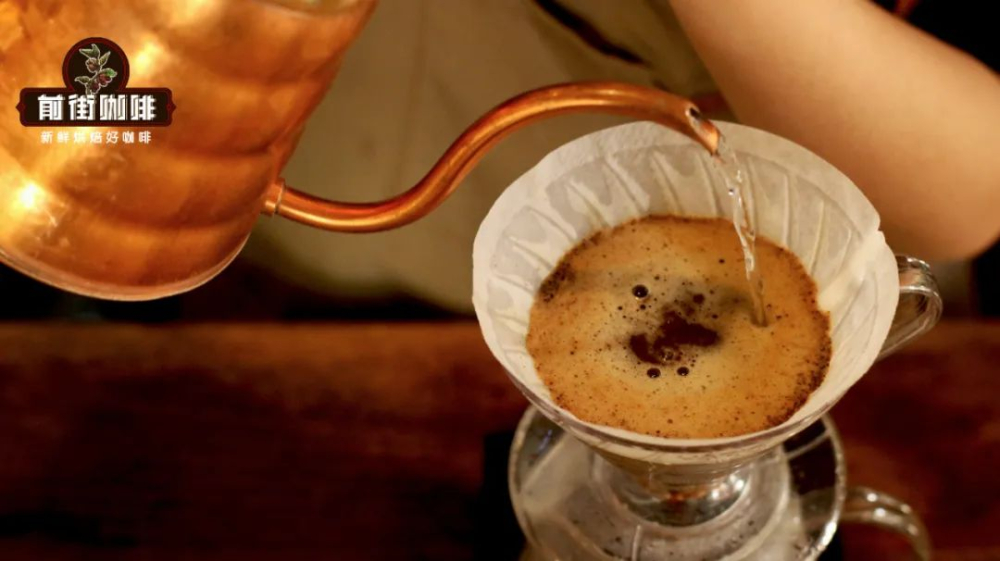
Electric hot plate group : The heated Butterfly tasted of berry and citrus peel acidity, with a slightly flat mouthfeel, but no negative flavors appeared; the other pot, Front Street Coffee's Typica, after being reheated, retained some nutty notes but also developed some dull acidity that felt rather jarring.
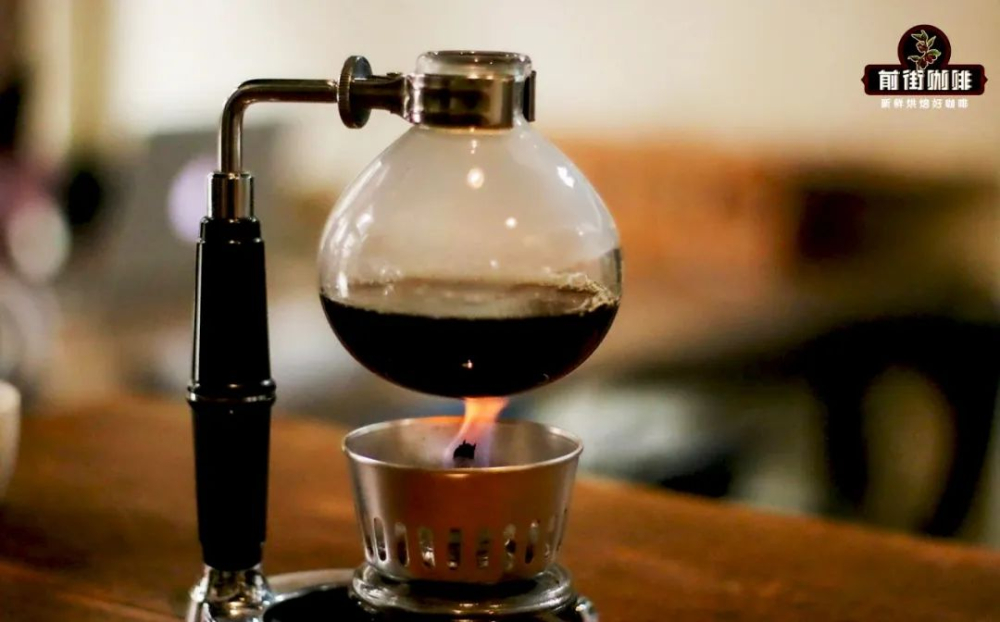
Alcohol lamp group : When the two pots of coffee were heated directly over a flame to 50°C and tasted, although the flavor expression was not as rich as when freshly brewed, the rise in temperature did indeed improve the coffee's mouthfeel, with acidity, sweetness, and bitterness in fairly good harmony and a rounded texture.
It can thus be seen that, to some extent, reheating coffee with an external heat source such as a direct flame cannot restore the original rich aroma, but it can indeed effectively reduce the unpleasant drinking experience caused by coffee going cold, making the coffee more palatable. Of course, besides the heating methods mentioned by Front Street Coffee, if conditions allow, you can also try other ways to improve cold coffee, such as a microwave.
Front Street Coffee (FrontStreet Coffee)
No. 10, Baoqian Street, Yandun Road, Dongshankou, Yuexiu District, Guangzhou, Guangdong Province
The above content is compiled by CoffeeHunters, a coffee news website.


