







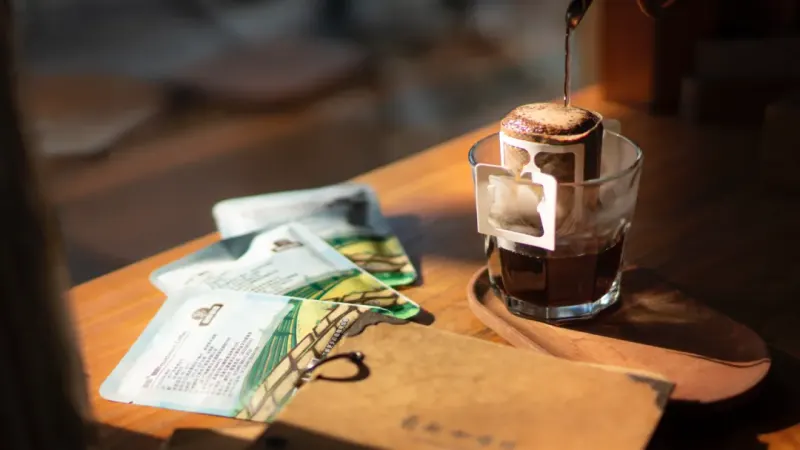
Can You Pour Drip Bag Coffee Straight Out and Add Milk?
Drip bag coffee holds real ground coffee, not instant powder, so the grounds stay in the bag after brewing and should not be poured into the cup. Tear the bag open, fold the two cardboard tabs over the rim, and pour hot water through it. The liquid that drips through is the coffee; the wet grounds are discarded with the bag.
A latte works if the brewed coffee is strong enough. For a usual latte coffee milk ratio of roughly one part coffee to three or four parts steamed milk, brew a concentrated liquid first, using less water per bag or a second short pour. Standard bags hold about 10 grams, so a 1:15 coffee-to-water ratio keeps the cup balanced.
With their convenient filter bag design, drip bag coffee has become the go-to choice for many people's daily coffee. But plenty of questions still surround it: Can you pour the grounds straight out? Can you add milk to make a latte? This article starts with the definition and origins of drip bag coffee, then explains the correct steps for pouring water and extracting, the key points for controlling the coffee-to-water ratio, and further shares two methods for making a highly concentrated coffee liquid with drip bags, so everyone can easily whip up a smooth cup of milk coffee at home. All product information mentioned in the article retains Front Street Coffee's relevant recommendations.
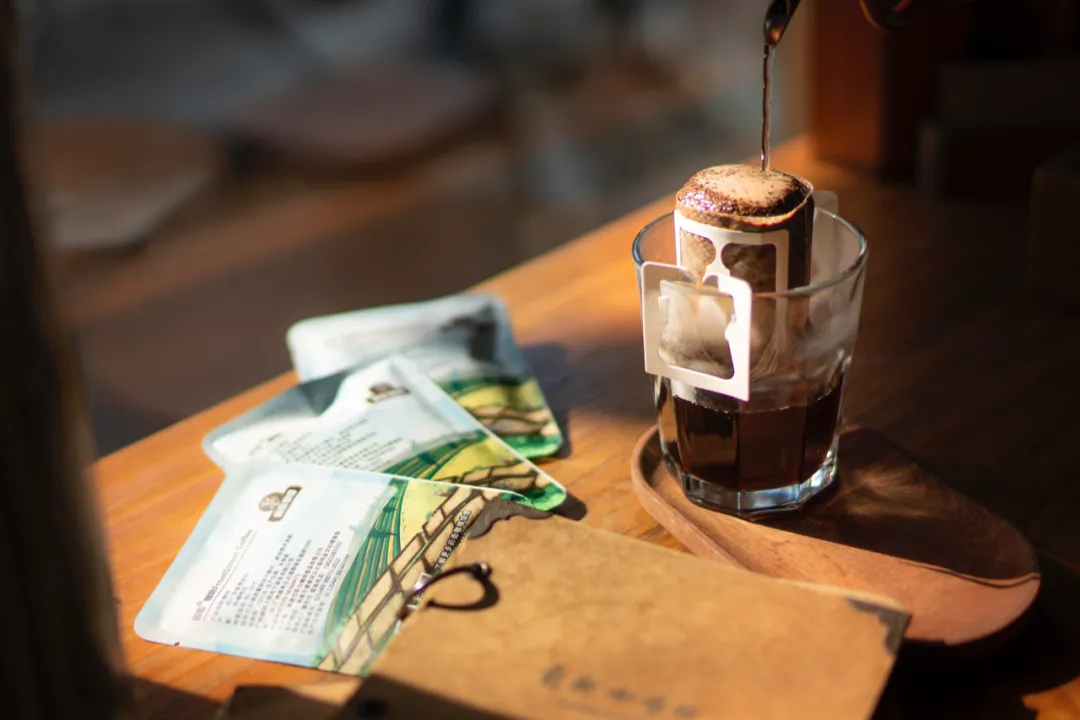
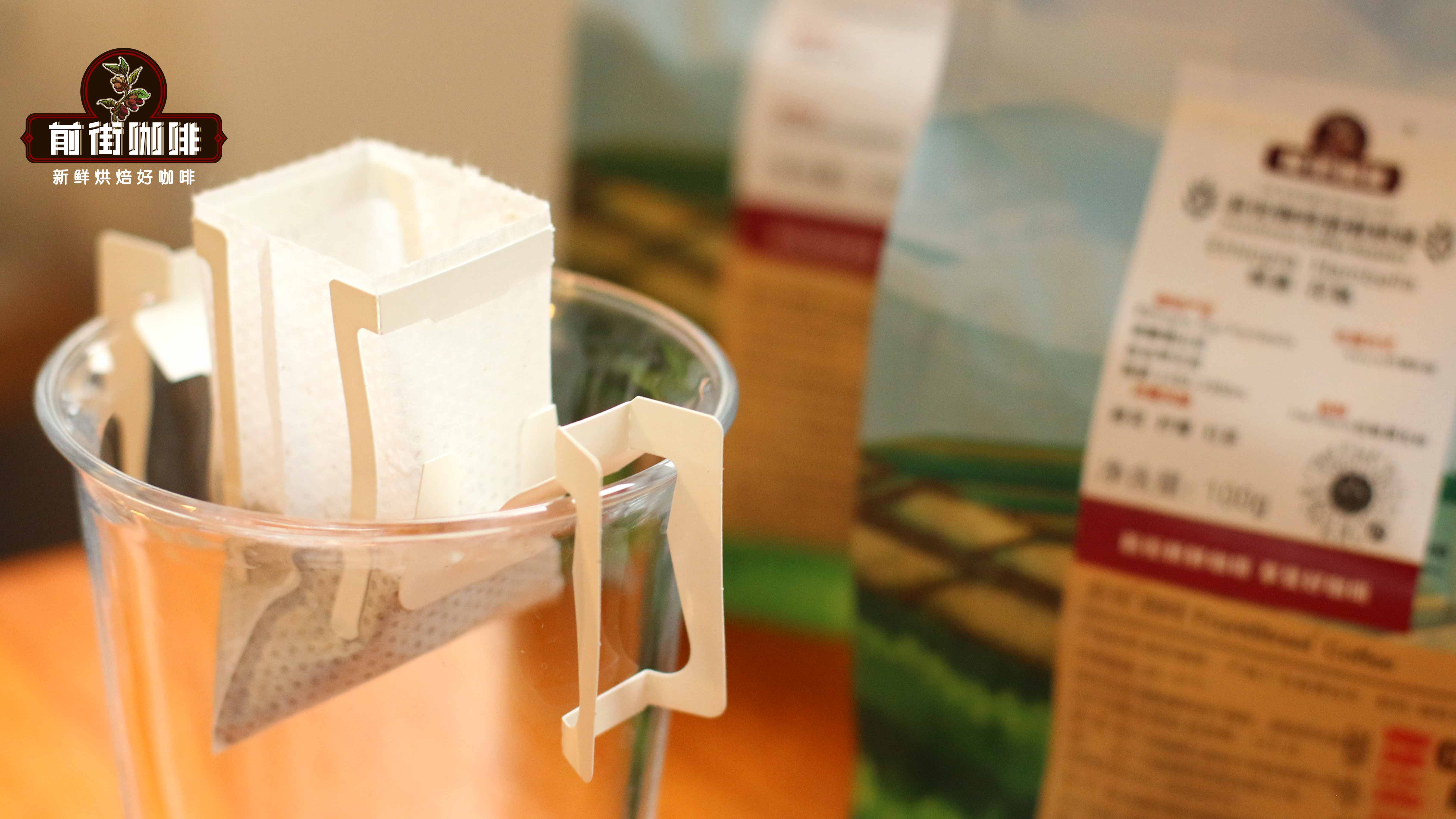
What kind of coffee does drip bag coffee actually belong to? Simply put, it is an extremely hassle-free form of coffee extraction. Its name comes from its structure—when we fold the two supporting cardboard tabs at the top of the filter bag outward, they sit on the rim of the cup like two little ears, which is how drip bag coffee got its name.
The Correct Way to Brew Drip Bag Coffee
The extraction process for drip bag coffee isn't complicated. Compared with pour-over coffee, it places almost no demands on technique. There's no need to practice pouring in circles, and no need to precisely control the flow rate—just pour an appropriate amount of hot water into the filter bag and you'll get a drinkable cup of coffee.
Before actually getting started, though, it's still very necessary to understand some basic common sense about drip bag coffee, otherwise it's easy to make a fool of yourself.
The first point to be clear about: what's inside a drip bag is already ground coffee powder, and it is a completely different thing from instant coffee. Drip bag coffee relies on pouring water through it to complete extraction, not on water dissolving the powder. The two have different production processes, so drip bag coffee can't dissolve with a stir the way instant coffee does—after brewing, there will always be coffee grounds left behind.
The second point is to know the weight of a single drip bag. For example, each bag of Front Street drip bag coffee is 10 grams. Why remember this number? Because the amount of water to pour needs to be calculated or estimated based on the coffee weight, and this is the only variable you need to pay attention to when brewing drip bag coffee.
Since the extraction logic of drip bag coffee comes from pour-over, the range of flavors available is also very broad. If you want a thick, full-bodied taste, you can choose Front Street. Mandheling; if you prefer floral and fruity notes, you can try Front Street. Sun-Dried Huakui.
The amount of water recommended by Front Street's barista is 150 grams to 180 grams, which converts to a coffee-to-water ratio of about 1:15 to 1:18. This amount roughly fills an ordinary mug, and the easiest approach is to find a single-serving-sized cup and pour water to about seven-tenths full.
Why is the amount of water so crucial? This brings us back to the core factors that affect coffee flavor: the coffee-to-water ratio, water temperature, grind size, and extraction time. The coffee-to-water ratio refers to the ratio between the weight of coffee grounds and the amount of water poured; the smaller the ratio, the stronger the taste, and the larger the ratio, the weaker the taste. Drip bag coffee can only be extracted once and can't be brewed repeatedly like tea leaves, so adding too much water makes it weak, and adding too little makes it strong.
Back to the main topic: how exactly should drip bag coffee be brewed? The baristas at Front Street Coffee (FrontStreet Coffee) offer the following suggestions:
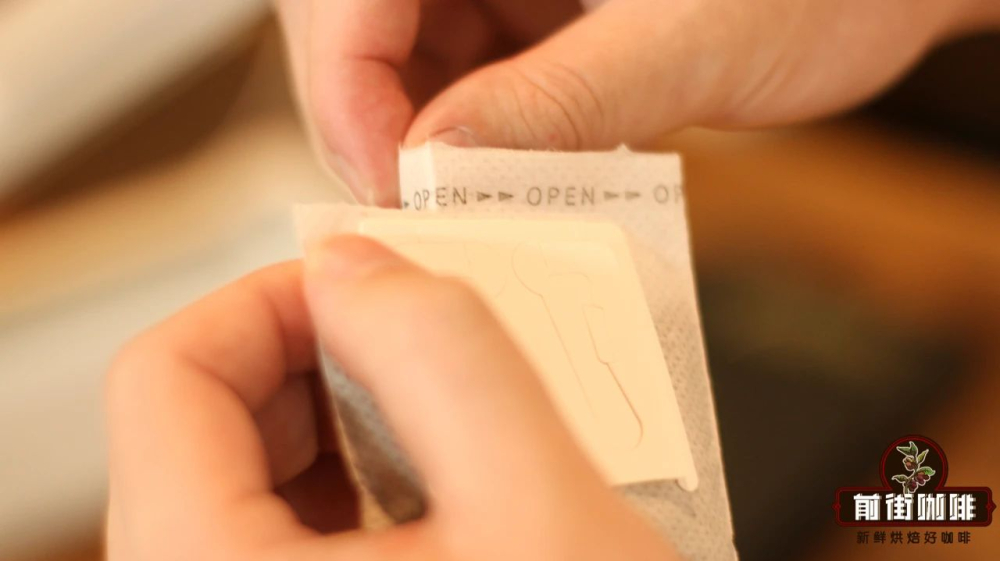
The first step is to tear open the packaging correctly. Taking Front Street Coffee's drip bag as an example, both the outer packaging and the inner bag have tear-open markings printed on them. After opening the outer packaging, you'll see a square drip bag filter; just tear open the seal according to the instructions.
Here Front Street's barista wants to emphasize once again: drip bag coffee is not instant coffee. After tearing it open, you cannot pour the grounds out and add water, nor can you throw the whole filter bag into water to soak. The correct way is to unfold the supporting cardboard tabs on both sides to form the two "ears" mentioned earlier, then rest them on the rim of the mug.
Next, you can pour water and extract. The advantage of drip bags is convenience; if conditions allow, you can of course check the water temperature first like with pour-over, but if you're out and about and it's inconvenient, you can also boil the water and let it sit for about half a minute before using it. For the first pour, add a small amount of hot water to bloom, for about 10 to 20 seconds; for the second pour, fill the filter bag, at which point about 80 milliliters of coffee liquid has already been extracted, and wait for the liquid level to drop; when it's almost finished filtering, pour the third round, again filling the filter bag, bringing the total to about 150 milliliters. Once all the coffee liquid has filtered through, it's ready to enjoy.
Can Drip Bag Coffee Make a Latte?
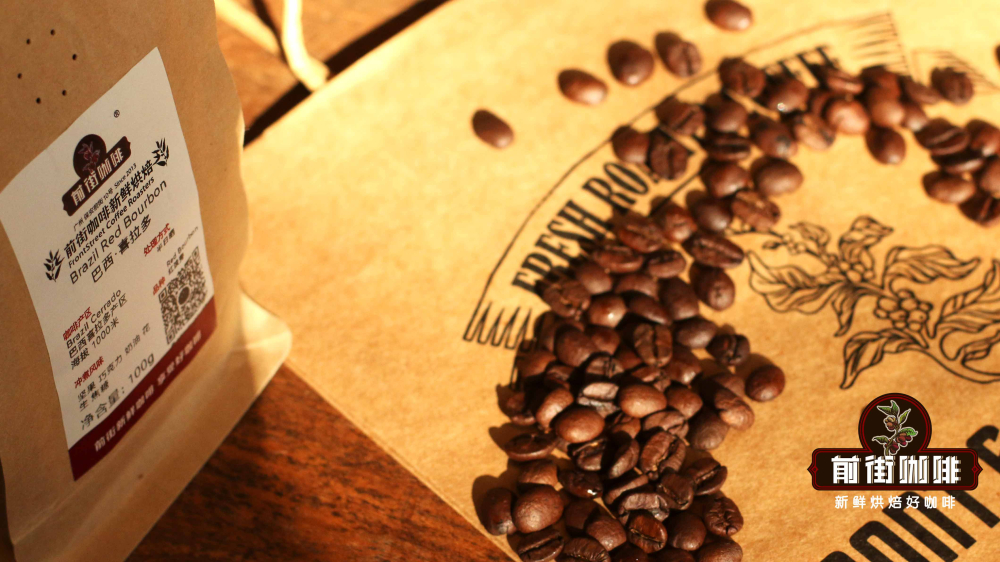
When making a "latte" with drip bags, be sure to choose medium-to-dark roasted beans, so the finished drink tastes robust enough and the aroma isn't easily masked after adding milk. If it's your first time trying, you can choose the higher-grade Front Street. Golden Mandheling, which carries notes of dark chocolate, caramel, and roasted nuts.
Here at Front Street, we use 20 grams of grounds to extract 60 milliliters of coffee liquid. Each bag of Front Street drip bag coffee is 10 grams, so you'll need to open two bags. The beans are best dark-roasted for a richer taste.
Take out two drip bags, tear off the seals, and pour all the coffee grounds inside into a prepared container. The container is best with a pouring spout; don't throw away the drip bag filters yet, as you'll need them later.
Then heat water to 100°C and pour it into the cup. The coffee-to-water ratio is 1:5, meaning 20 grams of coffee grounds to 100 milliliters of boiling water. The coffee grounds themselves will absorb about twice their own weight in water, so you'll end up collecting about 60 milliliters of coffee liquid.
Start the timer and at the same time use a stirring stick to stir for thirty seconds, with the aim of quickly releasing the flavor compounds in the coffee. After stirring, let it sit and steep for a minute and a half.
Once the time is up, take out the inner drip bag filter—that little white bag—and set it over another cup.
Then pour all the coffee liquid from the pitcher into it, using the drip bag to filter out the coffee grounds.
Once the coffee liquid has fully filtered through, you'll have a highly concentrated coffee base. After that, add iced milk or hot milk according to your preference, with the ratio kept anywhere between 1:3 and 1:4. That completes a cup of milk coffee made with drip bags—just stir it evenly and it's ready to drink.
Besides the stirring method, you can also refer to the microwave heating method shared by some well-known vloggers. Prepare a heatable container, add the coffee grounds and boiling water, put it in the microwave and heat it repeatedly, then take it out and filter it. This also quickly produces a cup of highly concentrated coffee liquid. But note that it's best not to heat the milk together with the coffee, because high temperatures will break down the lactose in the milk and reduce its sweetness.
The above content is compiled by CoffeeHunters, a coffee news website.


