







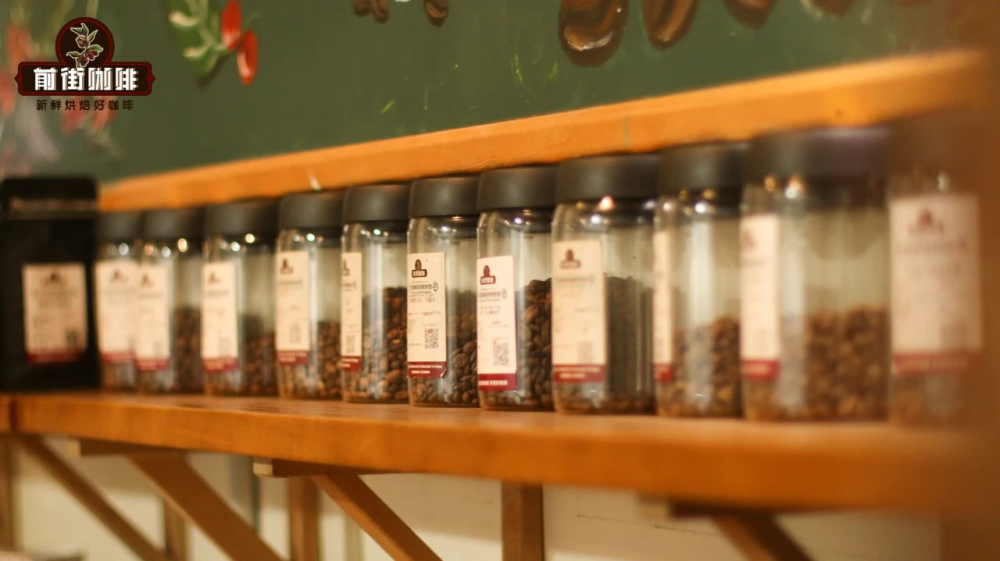
No one wants to ruin their own coffee, especially expensive specialty coffee beans. No one wants to drink a bad cup of coffee, but these common mistakes—if you hit even one of them, no matter what you use—it's not just a wasted pot of coffee. If you never realize where the problem lies, you'll keep repeating the same mistakes. Are your coffee beans fresh specialty beans?
This is an easy problem to overlook. Even many professional baristas forget to check the date on their coffee beans when brewing. If you can't guarantee you're using freshcoffee beans, then no matter how bad your coffee tastes, it's no surprise.
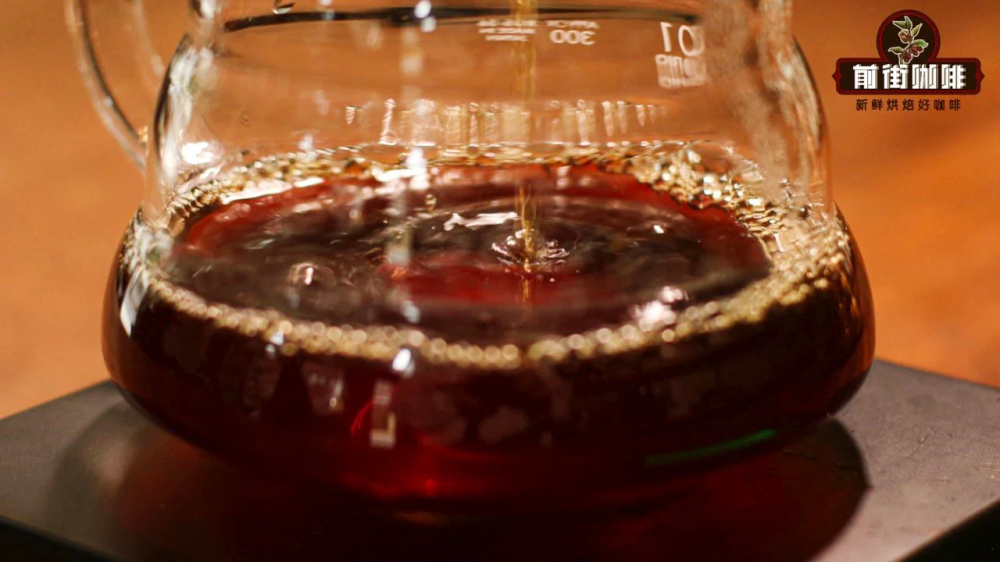
The essential trio: digital scale, thermometer, and timer
Are you using the right water?
On one hand, water temperature affects coffee extraction. If the temperature is too high, it easily extracts bitterness and astringency; if too low, the coffee tastes weak with sharp acidity and imbalance.
However, the normal brewing temperature range spans 85–95°C. Generally, you need to determine the brewing temperature based on the roast level and freshness of the beans. Also pay attention topour-over coffee ratios.
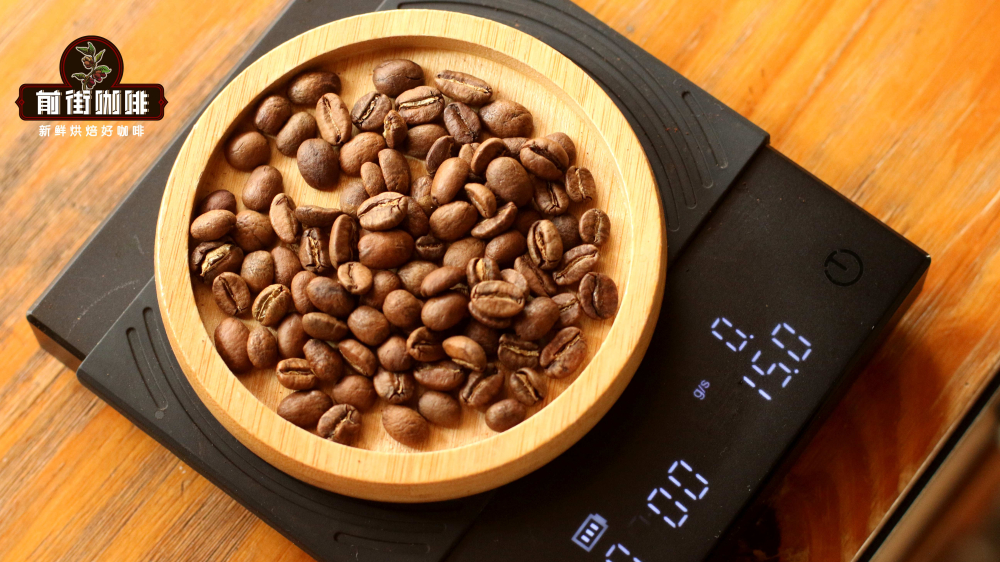
My personal suggestion is to divide beans into five levels—extremely dark, medium-dark, medium, light, and extremely light—corresponding to 85, 87, 90, 92, and 95°C respectively. When degassing is vigorous, extend the bloom time; when degassing slows, lower the water temperature by 1–2°C.
On the other hand, the amount of minerals in the water will affect the taste, aroma, and even the smoothness of the coffee. Which water is suitable or not requires case-by-case analysis, but the industry consensus is that water quality for brewing should be moderate—neither too soft (TDS too low) nor too hard (TDS too high).
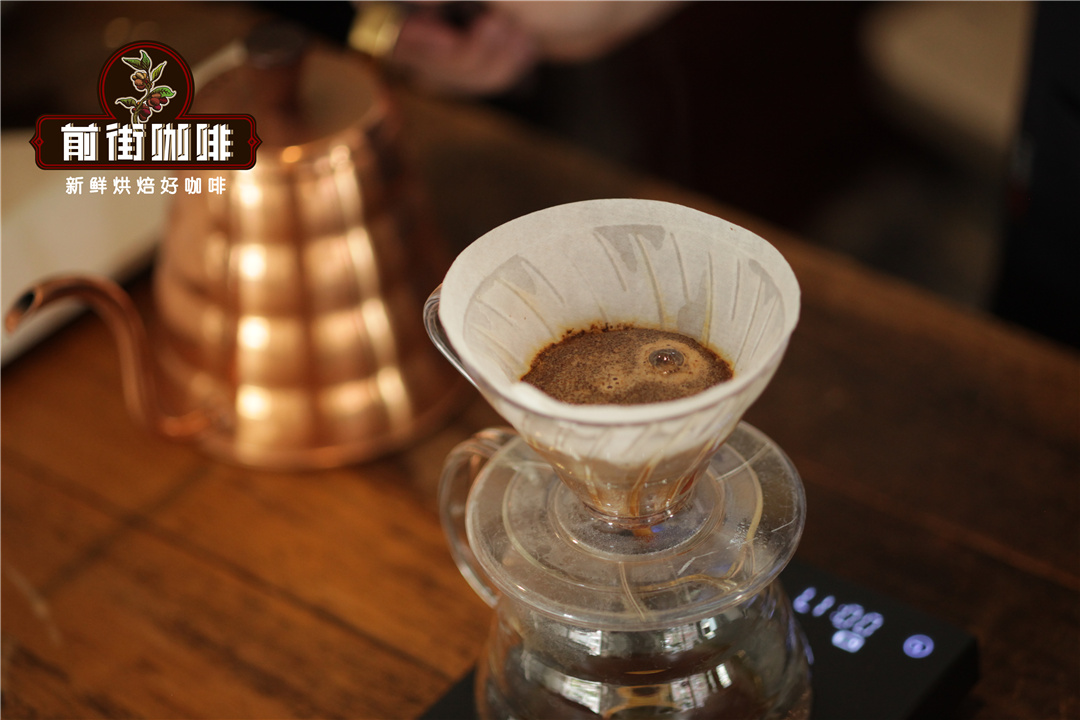
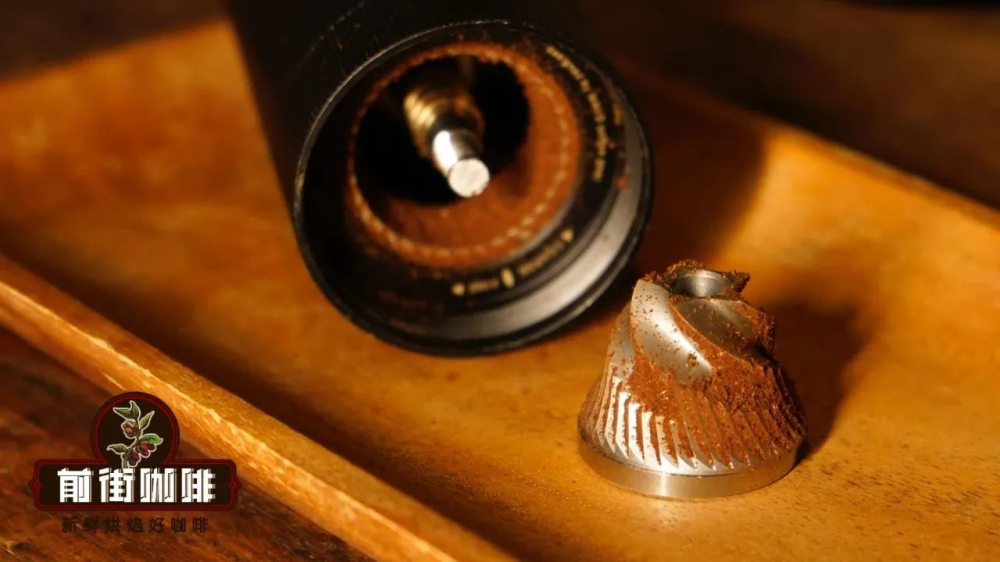
Do you clean your brewing equipment regularly?
We all have moments when we want to be lazy, especially when we notice that skipping cleaning once or twice doesn't noticeably affect coffee quality. But you never know when you'll drink a cup full of burnt, rancid, or spoiled flavors—that would surely be a coffee lover's nightmare.
More importantly, if complex equipment like coffee machines and grinders that contain moisture and oils aren't cleaned for a long time, they can easily spoil and breed bacteria, harming your health. At that point, no matter what premium specialty coffee beans you use, drinking it will likely give you an upset stomach.
Are you using inferior coffee?
With so many beans on the market, it's not to say that specialty-grade beans are necessarily delicious, or that non-specialty coffeegrade beans are necessarily bad. But drinking specialty coffee beans generally offers a relatively higher overall quality experience, with a much lower chance of disappointment. Aside from cupping scores, I believe there are only two types of inferior coffee:
We often say "you get what you pay for," and this holds true in most cases. But there are many exceptions in the coffee world, because there's also the saying: "Pay one unit, get one unit of quality; pay three, get two; pay ten, get three." So some specialty coffee beans, differing by just one point in cupping score, can have a price difference of several times.
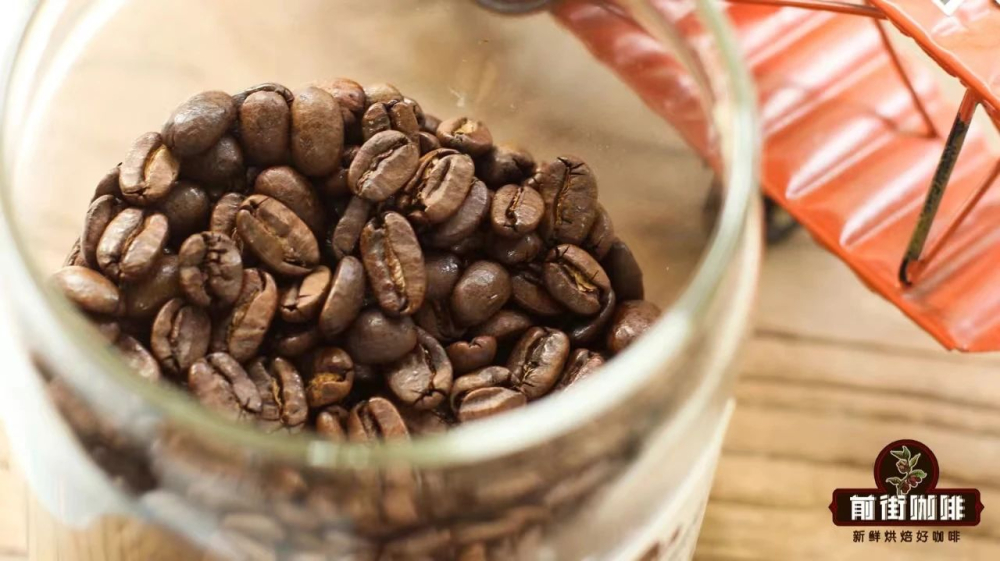
Are you storing your coffee beans correctly?
Coffee beans are also a type of fresh agricultural product, so of course you can't just put them anywhere. Generally, we don't need to overthink coffee bean storage, because they're usually already in a coffee bag or canister—there's no need to deliberately switch to a different storage container. We just need to put them in a cabinet or corner. But some places are best avoided for long-term storage: humid kitchens, near heat-generating appliances like ovens and microwaves, and windowsills with direct sunlight. Oxygen, moisture, high temperatures, and sunlight will all accelerate the oxidation and deterioration of coffee beans.
The above content is compiled by CoffeeHunters, a coffee news website.


