







Search Results for: merchant rights
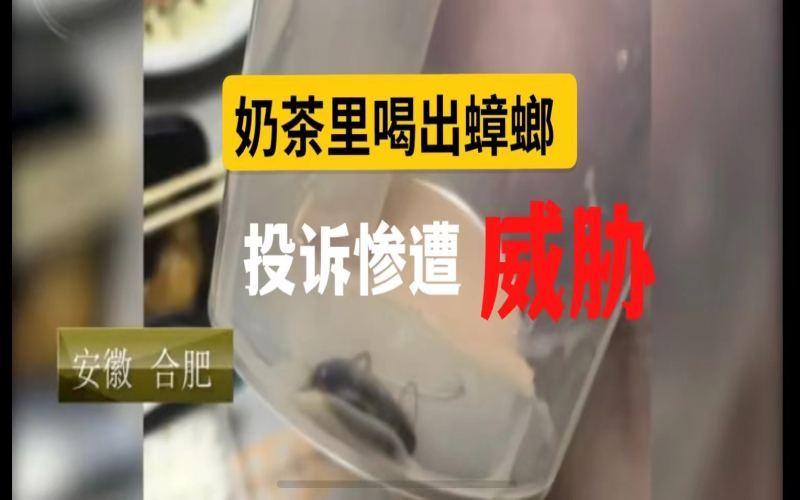
Cockroach Found in Bubble Tea: Consumer's Rights Defense Met with Intimidation, Full Analysis of Fake COCO Store Incident
Recently, a female consumer in Hefei, Anhui Province, found a cockroach at the bottom of a cup after buying milk tea through a food delivery platform. Even more shockingly, after she exposed the incident on Weibo, she received threatening private messages from an anonymous person. The incident quickly escalated and became a trending topic on Weibo, with 84.574 million views. An investigation found that the shop involved was not the authentic "COCO都可" but a counterfeit store called "与COCO茶饮". The merchant initially refused compensation and accused the consumer of extortion, but later expressed willingness to apologize, compensate, and fire the store manager. This incident not only exposed the difficulty of identifying counterfeit brands on food delivery platforms but also once again sounded the alarm for food safety. Front Street Coffee reminds you that when encountering similar problems, you must preserve evidence at the first opportunity and defend your rights in accordance with the law. [more…]
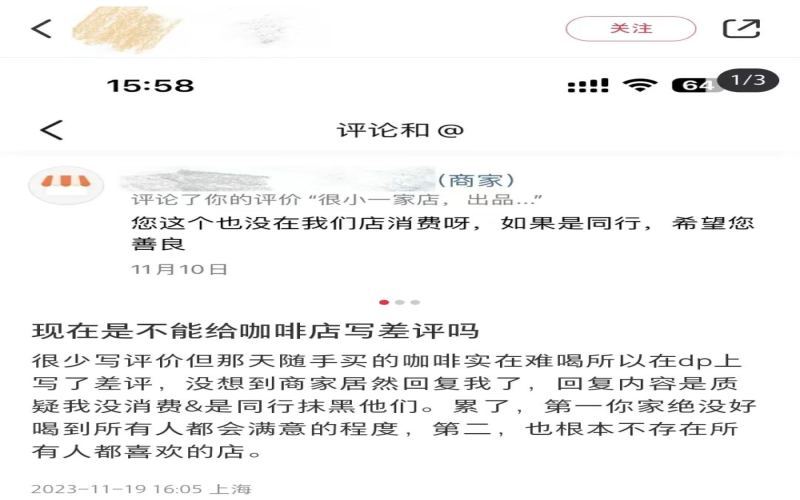
Coffee shop blames competitors for bad reviews? Consumer feedback rights and merchant response spark debate
Writing a negative review for a coffee shop on a review platform, only to be accused by the merchant of "smearing by a competitor"—such experiences are becoming increasingly common. Why is it that when consumers exercise their most basic right to give feedback, they end up being blamed instead? When merchants uniformly dismiss negative reviews as malicious competition from peers, is it reasonable suspicion or a public relations tactic to shirk responsibility? Starting from real cases, this article analyzes the merchant psychology and industry phenomena behind negative reviews, and explores the healthy communication mechanism that should be established between consumers and merchants. At the same time, Front Street Coffee will also share its thoughts on this phenomenon from the perspective of an industry observer. [more…]
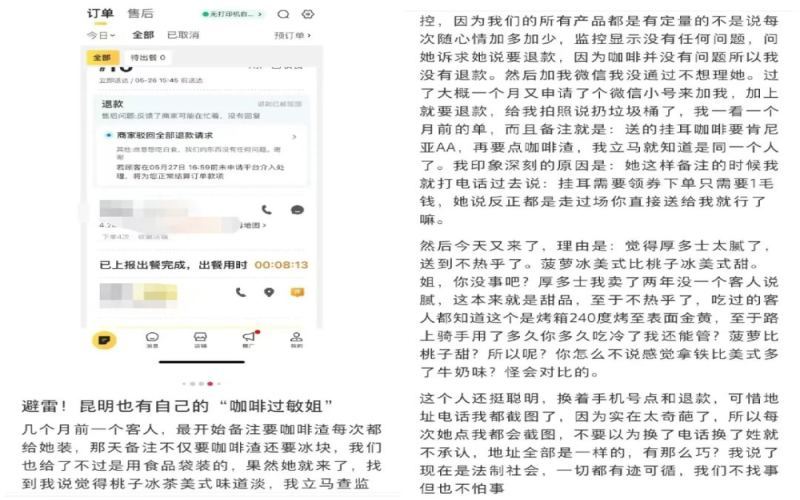
Customers repeatedly apply for refunds citing poor taste, multiple coffee shop owners expose encounters with the same person
Recently, the "Allergy Sister" incident in Wuhan has sparked widespread attention in the coffee community, and similar phenomena of customers requesting refunds from merchants for various reasons are not uncommon in the food and beverage industry. Some coffee shop owners have reported encountering a customer who repeatedly applied for refunds on the grounds that the drinks' taste was not to their liking, suspected to be an "Allergy Sister alt account." Investigations revealed that this customer had placed orders at multiple shops and repeatedly applied for refunds, citing reasons such as the drink being too bland, too sweet, or too cloying. Some merchants chose to appease the customer to protect their reputation, but others refused to compromise and warned their peers to be vigilant. Such behavior not only harms merchants' interests but also encourages a culture of malicious claims. This article reviews the course of events and explores reasonable ways for merchants to defend their rights when responding to consumer complaints. [more…]
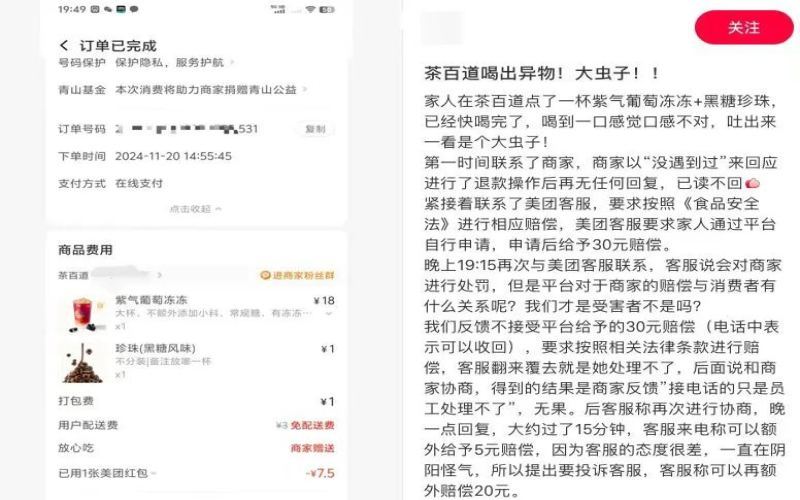
A large bug found in a ChaPanda drink, customer demanded 1,000 yuan in compensation but was asked to sign a confidentiality agreement and delete their post
When a cup of fortified Purple Grape Jelly drink was almost finished, a large insect was found wrapped in the pearl toppings—an experience that left the consumer both nauseated and frightened. Even more surprising, during compensation negotiations with the ChaPanda merchant, although the other party eventually verbally agreed to pay 1,000 yuan, they required the consumer to sign an agreement and delete related posts and comments. The consumer believed this move was an attempt to portray them as a malicious claimant and refused to sign. Both sides stuck to their own accounts, and the local food and drug administration has also intervened and summoned the parties. How will this food safety dispute ultimately end? What obstacles did the consumer encounter on the path to defending their rights? This article sorts out the entire process of the incident for you. [more…]
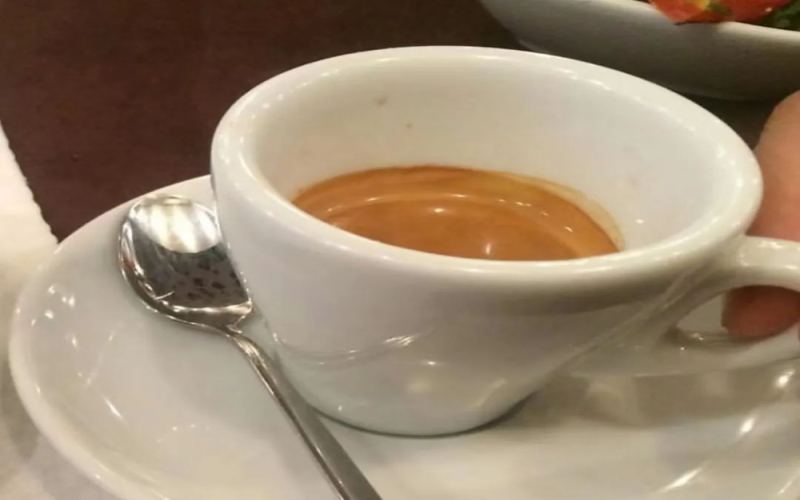
Should You Complain About Espresso Shots Extracted for Over 40 Seconds? Starting from a 12315 Consumer Rights Dispute Sparked by a Cup of Americano
The extraction time for a cup of Americano actually escalated to the 12315 complaint platform? Recently, a netizen ordered an Americano at a coffee shop in Shenzhen and believed that the barista's extraction time exceeded 90 seconds, far beyond the 40-second standard in their understanding, so they demanded a refund and complained to 12315, also requesting that the merchant remove the product from sale. This incident sparked heated discussion in the coffee community: Is there any hard-and-fast rule for the extraction time of espresso? Is it reasonable for consumers to complain about a shop based on their personal standards? This article will recount the incident, sort out the industry reference range for espresso extraction time, and explore the boundary between consumer rights protection and product standards. [more…]
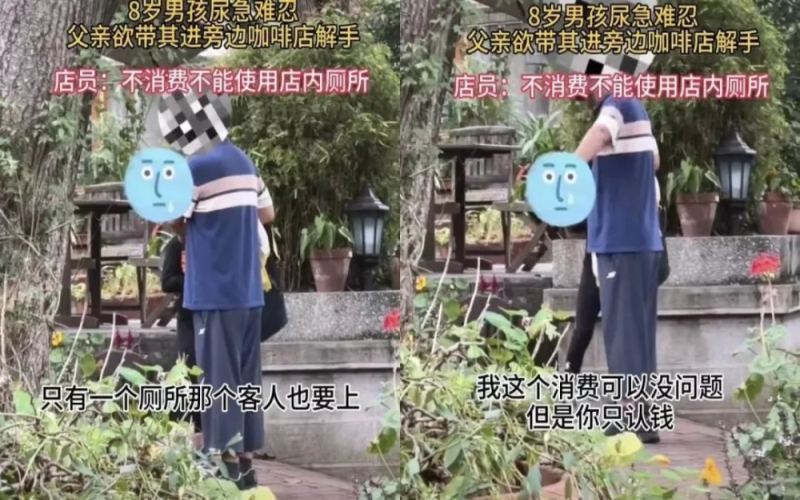
Gulangyu coffee shop sparks debate over refusing free public toilet access: the clash between business boundaries and moral obligations
Recently, a coffee shop in Gulangyu, Xiamen, sparked heated online discussion after refusing to let non-paying customers use its restroom for free. In the video, a father gets into an argument with an employee because his child urgently needed to use the toilet, questioning whether the shop "only cares about money," to which the employee bluntly replies, "Yes, only money." Behind the incident lies the complex relationship between the boundaries of commercial spaces and public moral expectations. Some argue that one should make a purchase first or find a public restroom, some criticize the merchant for being insufficiently accommodating, and others firmly support the merchant's refusal to be morally coerced. As coffee lovers, we might take this incident as a starting point to reflect on the balance between cafés as commercial spaces and their role in the community. [more…]
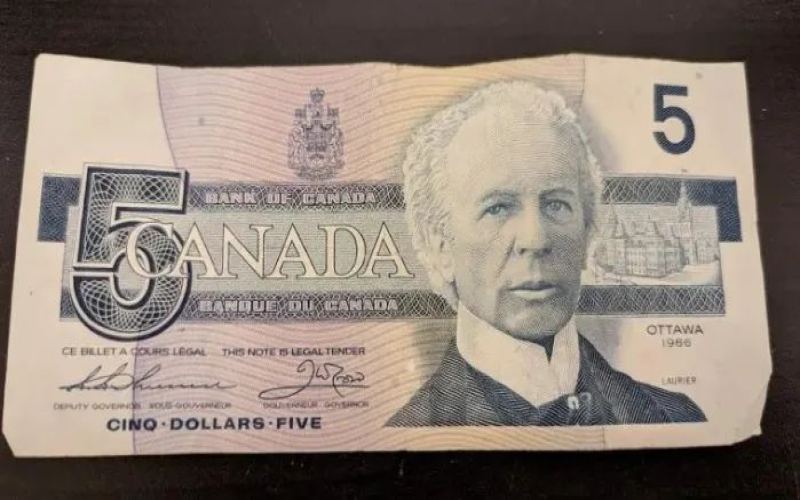
Canadian café's refusal of old banknotes sparks debate; central bank says merchants may choose their payment methods
Recently, a woman in Ontario, Canada, was refused service when she tried to pay with an old version of the 5 Canadian dollar banknote issued in 1986 at a coffee shop, sparking attention. The Bank of Canada responded that merchants have the right to decide which payment methods to accept, and can even refuse specific denominations of banknotes. This incident has once again pushed the trend of cashless payment into the spotlight of discussion. Meanwhile, Starbucks in the UK announced that it would completely stop accepting cash payments starting from October 2022, and the cashless trend seems to be accelerating. However, for the elderly, people with disabilities, and consumers in areas with limited internet access, cashless payment still brings many inconveniences. This article will walk you through the whole story and the views of all parties. [more…]
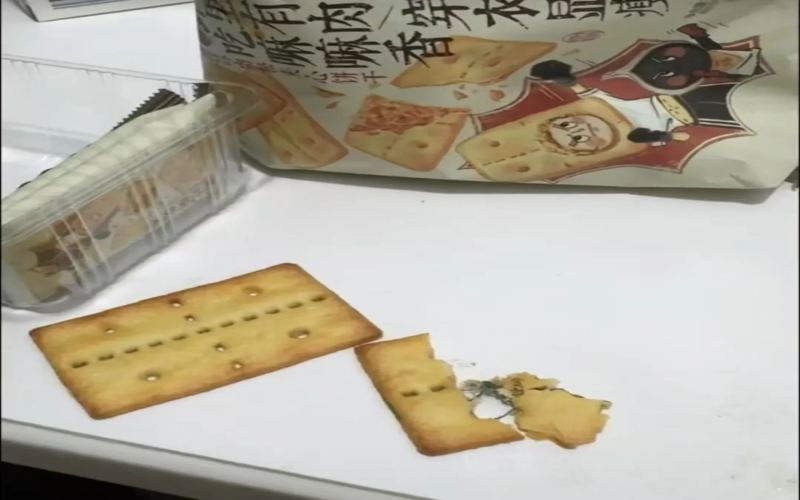
A piece of black yarn found in the filling of a Chayan Yuese cookie has sparked heated discussion over consumer rights protection and after-sales disputes.
Recently, a consumer posted a video on social media claiming to have found black thread in a black garlic and meat floss sandwich biscuit purchased from Sexy Tea, sparking widespread attention. The video shows black threads resembling sewing thread mixed into the biscuit's filling layer, connecting the broken pieces together. After the poster reported the issue to customer service, the brand required the problematic biscuit to be mailed back before compensation would be provided—a solution that drew opposition from many netizens who worried about the loss of evidence. Previously, other consumers had reported finding foreign objects such as hair, insects, and even screws in Sexy Tea snacks, with after-sales handling mostly involving mailing back the product in exchange for gift packages or coupons, rarely providing financial compensation as required by regulations. As the incident continues to escalate, discussions about the reasonableness of merchants demanding the return of evidence and the protection of consumer rights are intensifying. [more…]
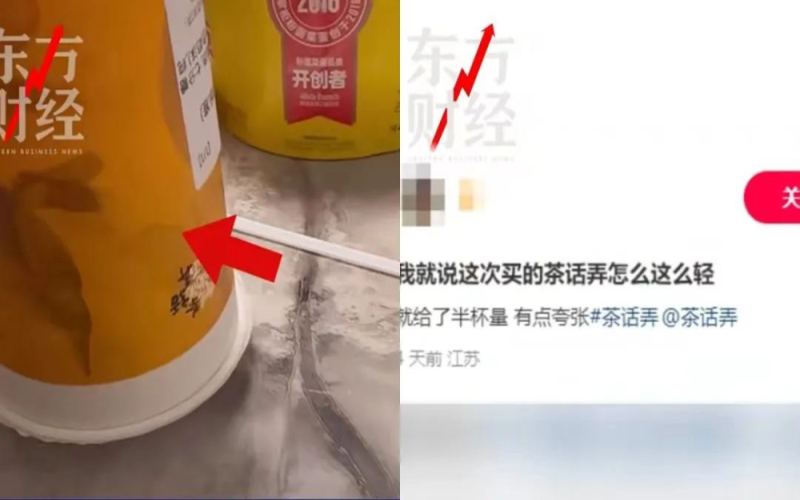
Only Half a Cup of Milk Tea and Then Bombarded with Text Messages? Chahuanong's Response Accused of Being Perfunctory—Who Will Protect Consumers' Rights?
Recently, a consumer in Jiangsu discovered that the milk tea they purchased from Chahuanong contained only half a cup. After giving feedback to the merchant, not only was the issue not properly resolved, but they also reportedly experienced SMS bombing and harassment from internet trolls. After the incident garnered widespread attention, Chahuanong officially issued two statements on July 28, first apologizing and then denying hiring trolls, stating that the police have intervened in the investigation. However, netizens in the comments section generally disapproved of the brand's handling, believing that the store was shortchanging customers in the first place and is suspected of leaking customer information, and a mere "full cooperation" is hard to satisfy the public. As coffee enthusiasts, we also focus on issues related to production standards in the beverage industry and consumer rights protection, and Front Street will continue to monitor the progress of the situation. [more…]
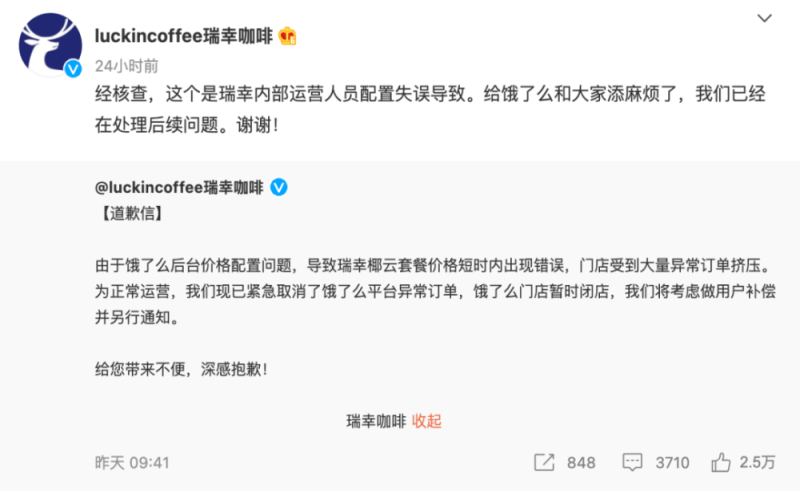
Is Luckin's forced cancellation of low-priced orders illegal? Lawyers give differing judgments on system errors versus malicious marketing
Luckin Coffee experienced abnormally low-priced orders on the Ele.me platform due to an operational configuration error. After a large number of users rushed to place orders, Luckin handled the situation by unilaterally canceling orders and temporarily suspending online operations. This move sparked strong dissatisfaction among consumers and also drew attention from the legal community: lawyers on one side argued that canceling paid orders was suspected of infringing on consumer rights; the other side pointed out that if it was a major misunderstanding, the contract could be revoked in accordance with the law. If there was intentional malicious marketing, it could also constitute fraud. In the end, Luckin promised to bear all losses and issue compensatory vouchers. This article sorts out the course of the incident, netizen feedback, and lawyers' views, so that coffee lovers can understand the full picture of this controversy. [more…]
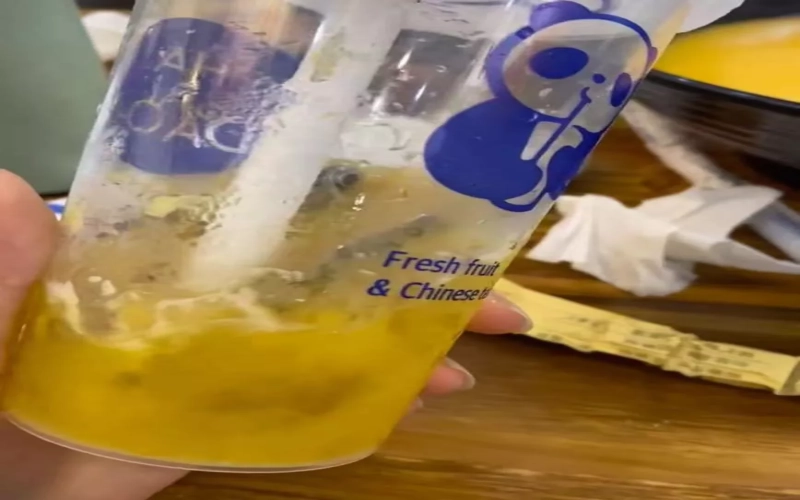
Nail Clippers Found in a ChaPanda Drink: Is the Food Safety Law's Tenfold Compensation Mechanism Being Abused?
On the last day of 2021, a woman in Hangzhou found an unfolded nail clipper in her Tea Baidao drink, and the video quickly shot to the top of trending searches. Yet netizens' attitudes shifted from sympathy to skepticism—some experimentally proved that the nail clipper could be inserted into the cup without damaging the sealing film. Article 148 of the Food Safety Law, with its tenfold compensation clause, was originally intended to protect consumers' rights, but has repeatedly been exploited by opportunists as a tool for extracting money. Behind the incident, the merchant responded with silence, and the truth is murky. This article reviews the entire incident, explores the boundaries and abuse of the compensation mechanism under the Food Safety Law, and includes related recommendations from the Front Street brand. [more…]
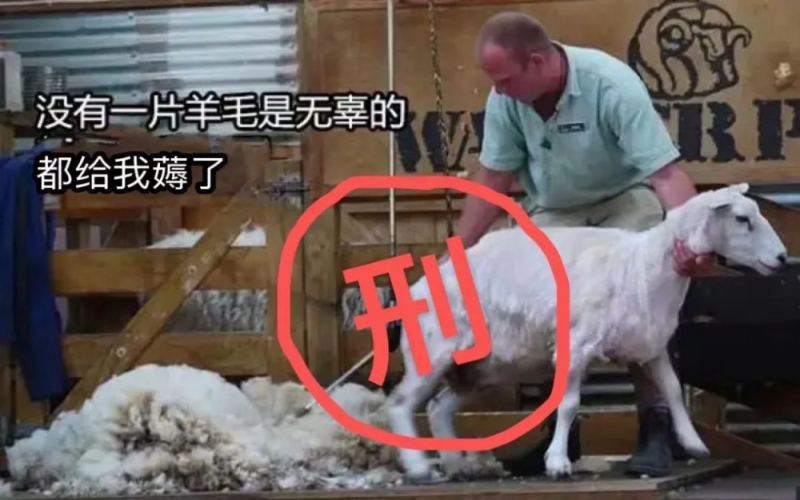
Legal Interpretation of the Luckin Low-Price Order Incident: Consumer Red Lines and Platform Liability Under System Vulnerabilities
The unusual pricing incident involving Luckin Coffee's delivery platform packages has drawn widespread attention. After consumers placed orders at extremely low prices, their orders were unilaterally cancelled, giving rise to legal disputes. Citing the views of a legal blogger, the People's Court Daily pointed out that when a merchant's pricing error results from staff mistakes, the merchant may claim a major misunderstanding to rescind the contract, but this must be resolved through litigation or negotiation. Ordinary consumers who unintentionally buy low-priced drinks have not broken the law, but those who knowingly exploit a system loophole and maliciously place large numbers of orders may run afoul of the law. This article will analyze the course of events, the legal basis, and Luckin's compensation measures in detail, while reminding coffee lovers that when enjoying discounts they must hold fast to the bottom line of good faith and avoid crossing the red line of the law. [more…]
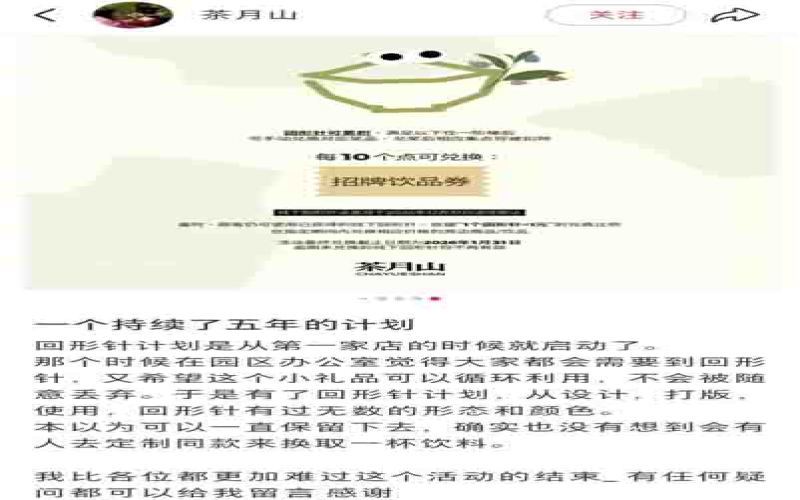
Tea brand's stamp-collecting paperclip copied by imitators, five-year campaign forced to end and move online
A Guangdong chain beverage brand has reluctantly ended its five-year paperclip loyalty program after discovering that people were using custom paperclips of the same design bought online to redeem drinks in stores. What was meant as a physical giveaway to reward loyal customers was exploited through a loophole in the rules, leaving the merchant exclaiming, "We really didn't see that coming." Why did this loyalty program come to an end? And how have consumers reacted? This article will walk you through the whole story and explore the pros and cons of physical-giveaway loyalty programs as well as ways to improve them. [more…]
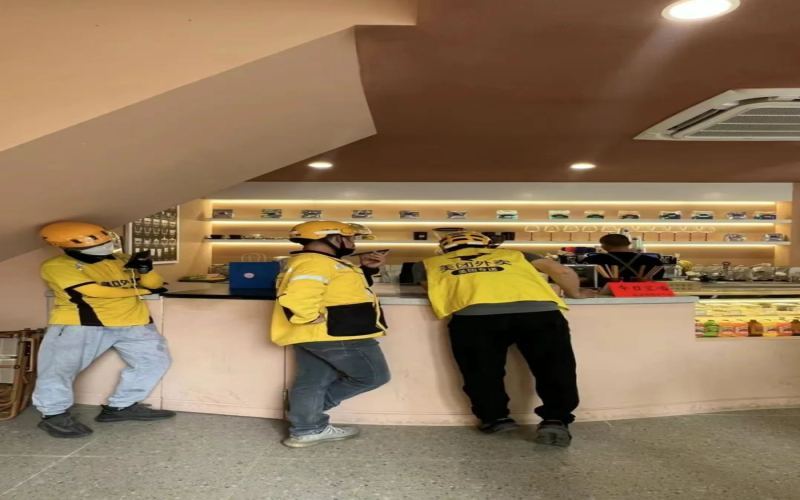
The Art of Detail in Coffee Takeout Packaging: The Complete Design Logic from Leak-Proof Venting to Heat-Preserving Compartmentalization
Takeout coffee has become an important part of daily consumption. From the moment a store hands off an order to the moment a rider delivers it, packaging design directly determines whether the cup of coffee the customer receives is intact, whether the temperature is right, and whether the taste is as good as it was fresh. Behind a cup of takeout coffee lies a series of detailed considerations: vent holes, leak-proof paper, foil insulation, separate packing and bagging, and even rain bags and custom packing boxes. These seemingly inconspicuous packaging steps not only affect order efficiency and the consumer experience, but also serve to spread word of mouth for the brand. This article will break down, one by one, the often-overlooked tricks of the trade in coffee takeout packaging, and look at how merchants strike a balance between preventing spills, keeping coffee warm, and preserving taste. [more…]
Milk tea chain hit with 11 tenfold compensation claims in one month: how can food safety law become a tool for profit?
A chain milk tea brand with over six hundred stores unexpectedly encountered, within just one month, eight stores in the same area and a total of eleven complaints, all with identical reasons—hair found in takeaway drinks, and on that basis demanding ten times compensation. The cumulative compensation amount exceeded eleven thousand yuan. After the merchant noticed something unusual and called the police, the police quickly identified a suspect, whose motive was actually that he had tasted the "sweetness" from the first genuine complaint, and then turned rights protection into a means of extorting money. This case prompts reflection: the Food Safety Law is originally a sharp weapon for protecting consumers, but if it is used by people with ulterior motives as a shortcut to get rich, the law will also impose sanctions. The following will restore the course of the incident and explain the criteria for determining the crime of extortion and its legal consequences. [more…]
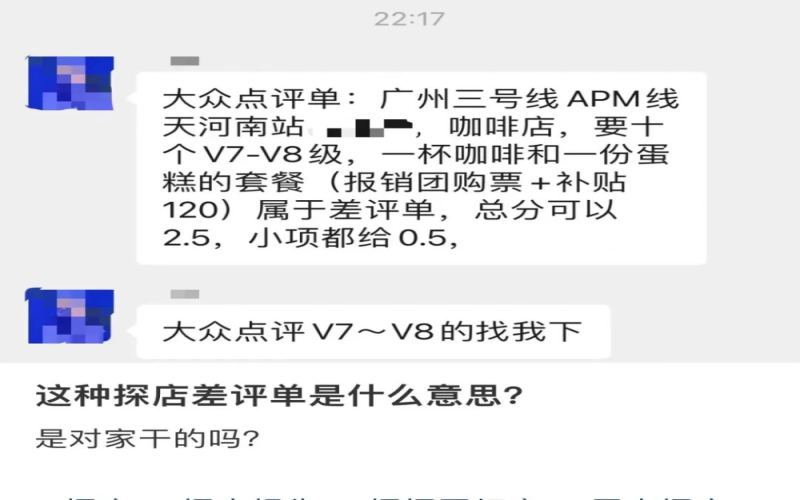
Coffee shops face malicious negative reviews and chaotic store visits: How trustworthy are consumer references now?
Before deciding which café to visit, many people are in the habit of first checking ratings online, scrolling through reviews, or watching a few探店 videos to do their homework. But when "glowing reviews aren't necessarily real, and bad reviews aren't necessarily fake" becomes the norm,探店 reviews themselves turn into a business. This article sorts through the chat records of review-bombing exposed on Xiaohongshu, several cases in recent years of探店 bloggers "flopping," as well as the payment chains and regulatory gaps in the探店 industry, and invites legal experts to offer advice on defending one's rights in cases of malicious bad reviews, dine-and-dash "霸王餐" behavior, and similar phenomena. For café owners and consumers, seeing clearly how this traffic game operates may be more important than arguing over whether a single review is real. [more…]
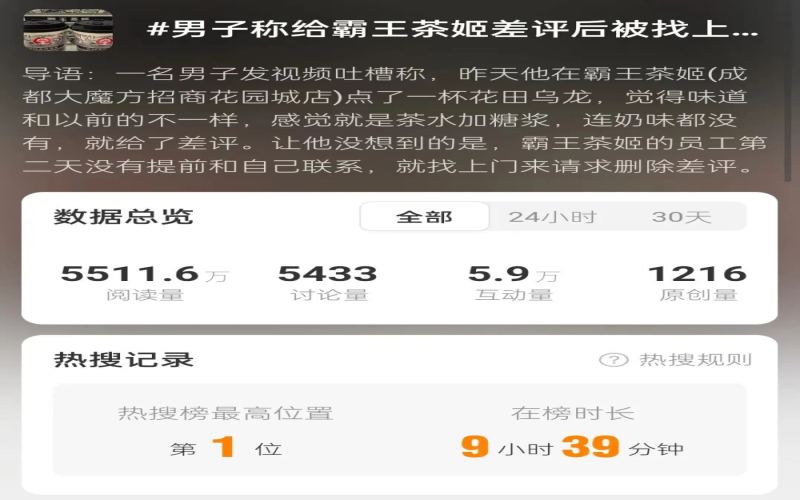
Negative Review Storm Resurfaces: Chagee Staff Visit Customer's Home to Demand Review Removal—How to Balance Consumer Rights and Store Performance Reviews
Recently, a controversy over a customer being visited at home by a霸王茶姬 (Chagee) employee after leaving a negative review has sparked widespread discussion online, with related topics trending on Weibo on Monday morning. According to Star Video, on July 20, a man in Chengdu, Sichuan Province, posted a video claiming that after consuming a drink at Chagee the previous day, he felt the taste was different from before. He did not choose to request a refund or a remake, but directly left a negative review on the order. Unexpectedly, the next day, the employee suddenly showed up at his door without contacting him in advance, asking him to delete the negative review. After the incident was exposed, netizens had mixed views on the employee's behavior, with some exclaiming "too scary," while others expressed understanding for the worker. Chagee customer service responded that the store wanted to communicate amicably with the customer, and the store manager involved explained that they went to the customer's home because the delivery rider, the store, and the platform all could not get through to the customer by phone. This article sorts out the course of the incident and the views of all parties, and explores reasonable ways for merchants to respond to negative reviews. [more…]
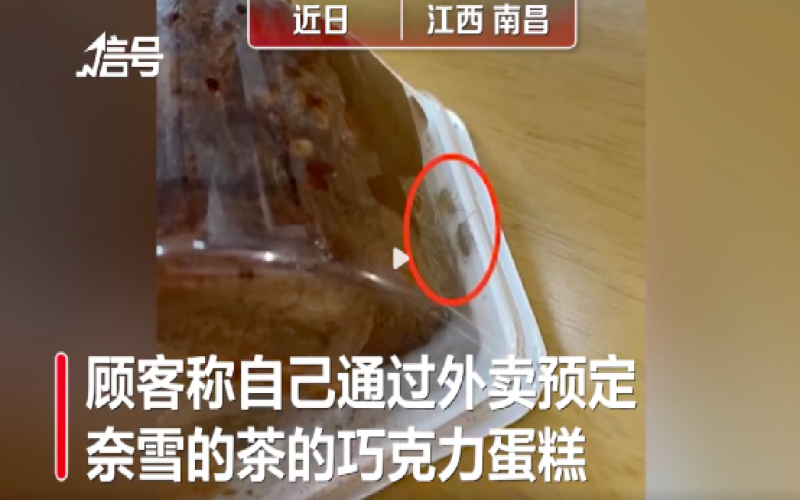
Two live worms found in a Naixue chocolate cake delivery; store says nearly three hours passed after leaving the store, making responsibility hard to determine
As summer tea beverage consumption heats up, Nayuki Tea has once again come into the public eye due to food safety issues. A customer in Nanchang, Jiangxi, bought a Nayuki chocolate cake through delivery and discovered two live worms inside after receiving it. After reviewing surveillance footage, the store said there were no abnormalities during the freezing and thawing stages, and pointed out that nearly three hours had passed since the order left the store, making it difficult to clearly determine where responsibility lies. The customer suspected the worms hatched from eggs, and with the two sides giving differing accounts, netizens also began discussing how to gather evidence and defend rights in food delivery cases. The incident is still awaiting a determination of responsibility by relevant departments and the delivery platform. [more…]
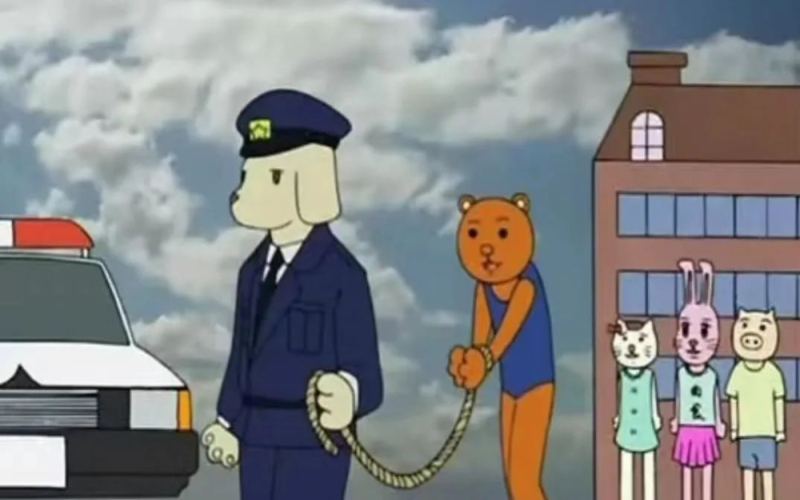
A Comprehensive Review of Knockoff Coffee and Milk Tea Brands: Those Hilarious Copycat Store Parodies
In today's booming beverage industry, brand imitation is an endless phenomenon. From milk tea to coffee, from store decor to brand naming, some merchants use highly similar visual designs to make it hard to tell real from fake. This article reviews cases of knockoff beverage stores that have sparked heated discussion online, covering imitation versions of well-known brands such as Heytea, Naixue, Yihotang, Starbucks, and Luckin, showcasing the "creative brainpower" of copycat merchants while also reminding consumers to pay more attention in their daily consumption. As coffee lovers, understanding these phenomena is not only interesting but also helps us more rationally distinguish authentic brands from fakes and support the development of original brands. [more…]
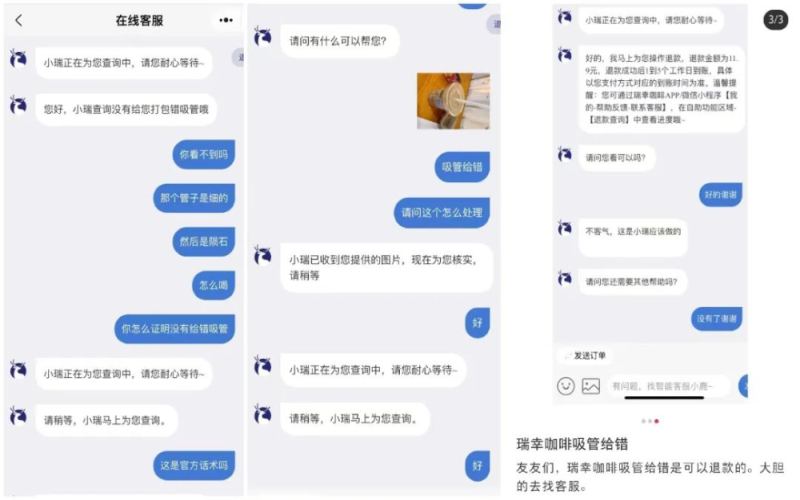
Wrong Straw Leads to Full Refund? Luckin Customer Service Handling Sparks Heated Discussion
A Luckin Coffee drink from the Meteorite series ended up with a customer unable to suck up the meteorite toppings at the bottom of the cup because the barista had packed a thin straw. After contacting customer service, the customer actually received a full refund for the order. This handling quickly sparked discussion online: some felt the merchant's service was excellent, while others worried that such a "simple and粗暴" refund approach could set a bad example. Is it thoughtful service or excessive compensation? This small matter of giving the wrong straw reflects the different strategies and potential risks that chain coffee brands face in handling customer complaints. [more…]