







Where do costa coffee beans come from? Milk tea chain compensation case
A bubble tea chain with over six hundred stores received eleven complaints within a single month, filed by eight stores in the same area. Each claim reported hair in a takeaway drink and demanded tenfold compensation under China's Food Safety Law. Combined payouts exceeded eleven thousand yuan. Police identified a suspect who had turned consumer rights protection into a way to profit.
The scheme began with one genuine complaint. After receiving compensation once, the suspect repeated the pattern, and call recordings show her pressing staff with the threat of negative publicity and citing the tenfold penalty provision. Merchants often settle to protect their brand, which is what makes such claims hard to resist. The case now serves as an example of how extortion standards apply when the law is misused for gain.
A chain bubble tea brand with over six hundred stores encountered, within just one month, eight stores in the same area and a total of eleven complaints, all with the same reason—hair found in takeaway drinks, with tenfold compensation demanded on that basis. The cumulative compensation amount exceeded eleven thousand yuan. After the merchant sensed something was wrong, they called the police, and the police quickly identified a suspect, whose motive was actually that she had tasted the "sweetness" from the first genuine complaint and then turned rights protection into a means of profiting. This case raises a question for thought: the Food Safety Law is originally a sharp tool for protecting consumers, but if it is used by people with ulterior motives as a shortcut to get rich, the law will also impose sanctions. The following text will reconstruct the course of events and explain the standards for determining the crime of extortion and its legal consequences.
Recently, a fairly large chain bubble tea brand received multiple customer complaints in succession within one month, and almost every call followed the same pattern: the customer first claimed to have drunk hair in the takeaway drink they ordered, and then immediately demanded tenfold compensation.
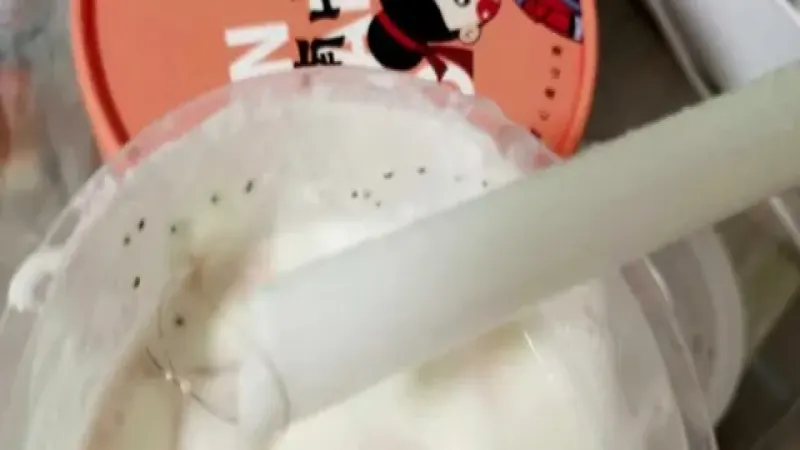
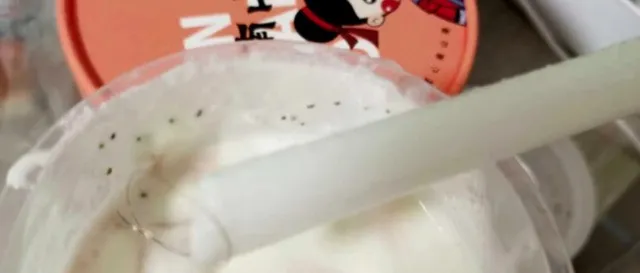
The first complaint came from a customer claiming to be Ms. Zhang, who said there was a hair in the takeaway milk tea and insisted that the shop compensate her at ten times the amount. In the call recording, Ms. Zhang emphasized: "I have already made the greatest possible concession, not causing you trouble and not creating negative public opinion. Once I speak out, it will definitely spread from one to ten and from ten to a hundred." At first, the merchant suggested simply waiving the bill, but Ms. Zhang did not back down at all and said bluntly: "I understand the law, so I am talking to you using the Food Safety Law. Right now it is I who am making demands of you, not you who are making demands of me." She cited a provision from the Food Safety Law: "Where food produced does not meet food safety standards, consumers may, in addition to demanding compensation for losses, also demand from the producer or seller payment of compensation ten times the price." To avoid damage to the brand's reputation, the shop eventually agreed to her demand, not only waiving the bill but also paying ten times the compensation.
Unexpectedly, only a few days later, another chain store of the same brand in the same area also received a similar complaint. This time it was a customer claiming to be Ms. Wang, who likewise reported hair in the takeaway milk tea and likewise demanded tenfold compensation, and the shop also paid compensation as usual.
After that, other stores of the same brand in the same area began receiving complaints one after another. Within just one month, eight stores received eleven complaints from different phone numbers and different "customers" but with exactly the same reason, and the cumulative compensation amount reached more than eleven thousand yuan. For a chain brand with more than six hundred stores, hygiene standards had always been extremely strict. The dense outbreak of "hair incidents" in a short period made the managers of each store feel that something was suspicious. By comparing information, the merchant found that these complainants were all women, and the delivery addresses all pointed to the same residential community (only the recipients and specific locations differed), so they decided to report the matter to the police.
Based on the clues provided by the merchant, the police preliminarily determined that the same person was responsible, and soon identified and arrested the suspect Wang at an accounting firm, on suspicion of extortion. Facing the police at her door, Wang appeared somewhat caught off guard.
Liability for the crime of extortion is closely related to the amount involved. According to legal provisions, the perpetrator's extortion of public or private property must reach a "relatively large amount" to constitute a crime, and the starting point for a "relatively large amount" is two thousand to five thousand yuan. Wang's cumulative "claim" amount exceeded eleven thousand yuan, and her conduct was already suspected of the crime of extortion.
According to Wang's account, her first claim was indeed because she had drunk hair in the milk tea, but that communication made her discover that claiming compensation was surprisingly easy. After easily succeeding the first and second times, Wang decided to embark on this "path to wealth." However, she did not expect that her conduct had already violated the crime of extortion, and after being caught she said she had recognized her mistake.
At present, Wang has been criminally detained by the police, and the case is still under further investigation. If the investigation results are true, according to China's Criminal Law, for extorting public or private property, where the amount is relatively large or extortion is committed multiple times, Wang will face fixed-term imprisonment of not more than three years, criminal detention, or control, and shall also, or shall only, be fined.
Merchants' business activities should comply with laws and regulations, and if the goods sold have problems, they naturally must bear corresponding legal or compensatory liability. But if someone treats the law as a tool for making money, in the end they will hardly escape legal sanctions.
Image source: screenshot from the Weibo video of "Rule of Law in Progress"
For professional coffee knowledge exchange and more coffee bean information, please follow Coffee Workshop (WeChat public account: cafe_style)
For more specialty coffee beans, please add the private WeChat of Front Street Coffee (FrontStreet Coffee), WeChat ID: kaixinguoguo0925
The above content is compiled by CoffeeHunters, a coffee news website.


