







Search Results for: medium roast coffee beans
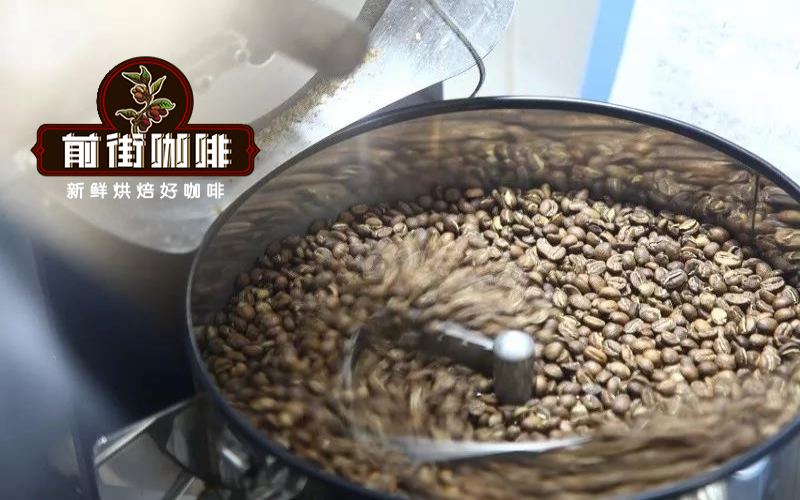
Flavor Analysis of Medium and Medium-Dark Roasted Coffee Beans: How to Choose Beans with Balanced Bitterness and Acidity, Mild and Mellow
The roast level of coffee beans directly determines the flavor profile in the cup. The medium and medium-dark roast ranges often deliver less bitterness and acidity with a mild, balanced body, making them the everyday choice for many coffee lovers. This article systematically breaks down the flavor characteristics and suitable applications of medium roast, medium-dark roast (City roast), medium roast, and dark roast, and recommends a range of representative beans from Front Street Coffee for each roast level, including Colombia Huila, Brazil Cerrado, and Golden Mandheling, to help you pinpoint the cup that suits you in pour-over, siphon, or blended recipes. [more…]
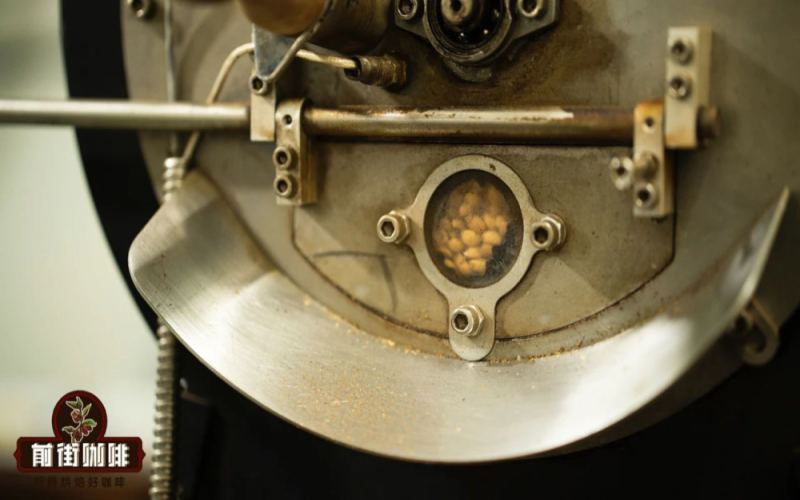
What is the difference between light roast and medium-light roast coffee beans? A guide to buying medium-light roast pour-over single-origin beans
The roast level of coffee beans directly affects the flavor in the cup. This article starts with the difference between light roast and medium-light roast, sorting out the evolution logic of acidity, sweetness, and bitterness during the roasting process, helping readers understand why beans roasted below medium level are more likely to present floral and fruity notes. At the same time, it compiles a shopping list of medium-light roast pour-over single-origin coffee beans, covering many popular beans under Front Street Coffee such as Huakui, Geisha, Blackberry, Yirgacheffe, Little Tomato, Butterfly, Strawberry Candy, Xizhua, etc., with recommendation ratings and flavor descriptions attached for daily purchasing reference. [more…]
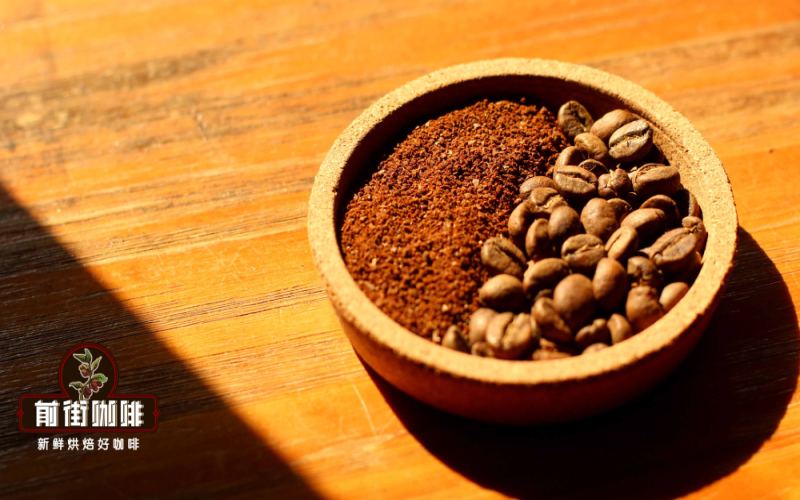
Espresso Medium Roast Bean Buying Guide: Acidity Differences Between Light and Medium Roasts and Front Street Coffee's Recommended Bean List
Coffee flavors are endlessly varied, but from a macro perspective, they boil down to three main directions: sour, bitter, and balanced sweet-and-sour, which correspond exactly to light, dark, and medium roasts. The degree of roasting largely determines the final flavor expression of coffee beans. If you want to make good espresso, choosing the right roast level is the first step. In this article, Front Street will systematically sort out the flavor characteristics and suitable uses of light, medium, medium-dark, and dark roasts, with a focus on medium-roast coffee beans suitable for making espresso, and will include a specific list of Front Street recommended beans to help coffee lovers quickly find the right choice according to their taste preferences. [more…]
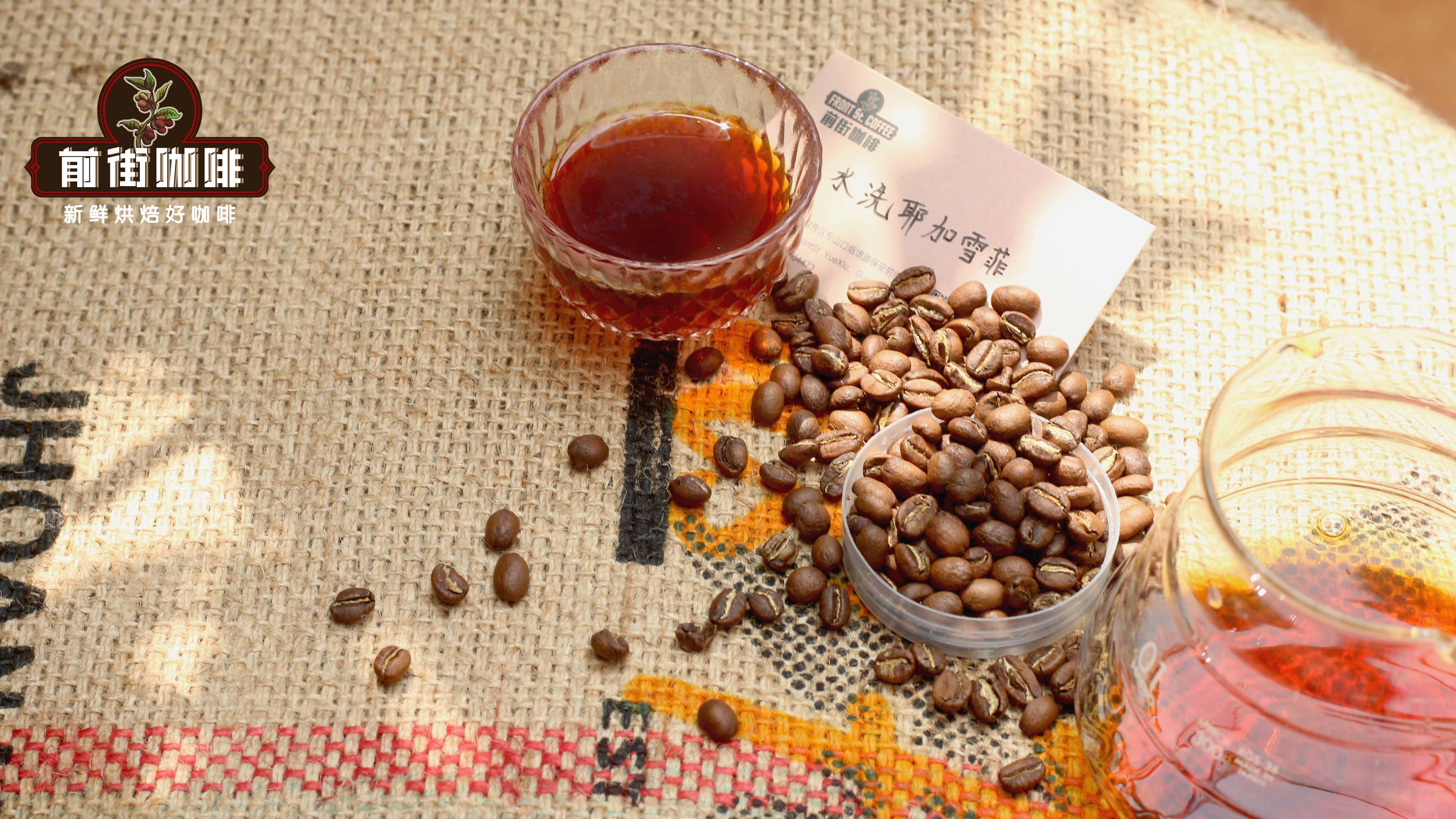
A Complete Guide to Coffee Roast Levels: Flavor Differences from Light to Medium-Dark Roast and Bean Selection Guide
The roast level of coffee directly influences the flavor expression in the cup, from the bright fruit acidity of light roasts to the rich chocolate notes of medium-dark roasts, each roast level has its unique charm. This article systematically introduces four roast levels: light roast, medium-light roast, medium roast, and medium-dark roast, covering the appearance characteristics, bean discharge temperature, Agtron value range, and flavor performance of each roast level. At the same time, for each roast level, it recommends representative coffee beans from the Front Street brand, helping coffee enthusiasts choose suitable coffee beans and brewing methods according to their personal taste preferences. [more…]
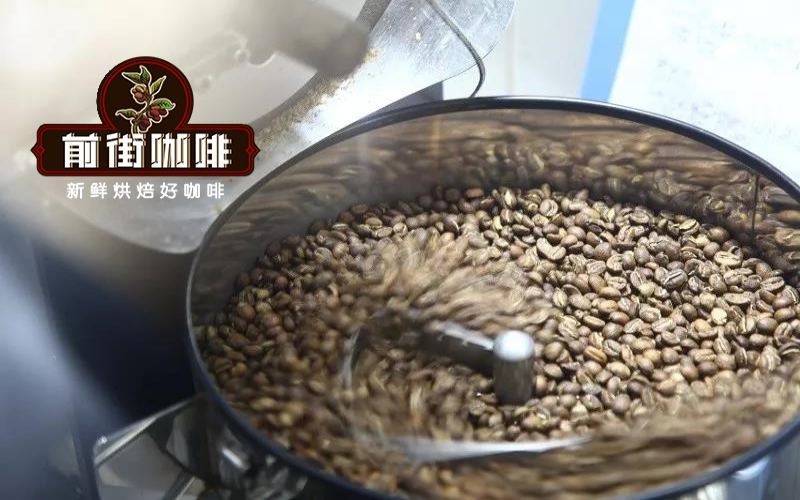
An Analysis of the Flavor Differences Between Light, Medium, and Dark Roasted Coffee Beans: Medium Roast Flavor Characteristics and Bean Selection Strategies for a Cup That Is Neither Sour Nor Bitter
The roast level of coffee beans directly influences the flavor direction in the cup. The darker the roast, the more the acidic compounds are destroyed, and caramel, smoky, and bitter notes gradually take over; the lighter the roast, the easier it is to preserve bright fruit acidity and floral aromas. For coffee lovers who neither like too much acidity nor want to taste bitterness, a medium roast is often the more balanced choice. So what flavor characteristics does medium-roast coffee actually have? And how do you distinguish between medium-light and medium-dark roasts? This article starts from the principles of roasting, combines them with the first crack milestone, sorts out the flavor differences among light, medium, and dark roasts, and offers specific Front Street Coffee bean recommendations to help you find the cup that suits you between acidity and bitterness. [more…]
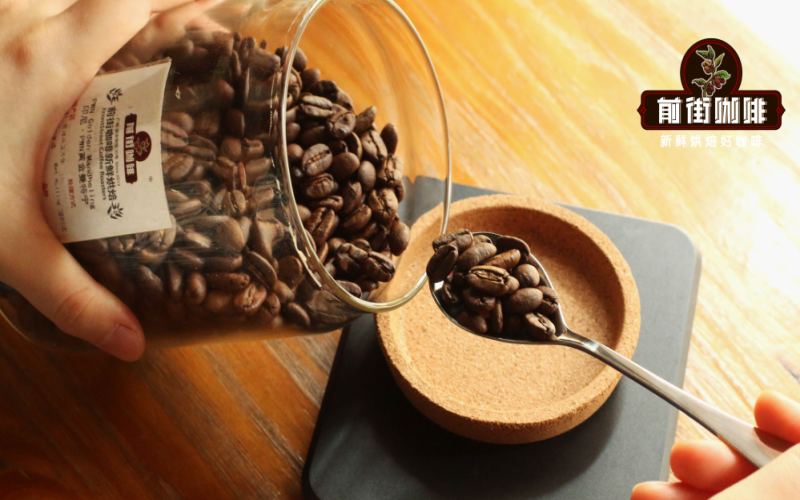
What Are the Differences Between Light, Medium, and Dark Roast Coffee Beans? A Detailed Explanation of Roast Level Differences and Buying Guide for Medium Roast Beans
The same coffee beans, from light roast to dark roast, take only a few minutes with a temperature difference of no more than about 10°C, yet the flavor changes dramatically. How does roast level affect the balance of acidity and bitterness and the complexity of aroma? This article will analyze in turn the flavor characteristics and dropping times of the three stages—light roast, medium roast, and dark roast—and offer specific buying guidance for medium-roasted coffee: if you prefer fruity notes, choose light-medium or medium-roasted beans; if you seek a balanced taste, consider medium-dark roast, along with several representative beans from Front Street Coffee for reference. [more…]
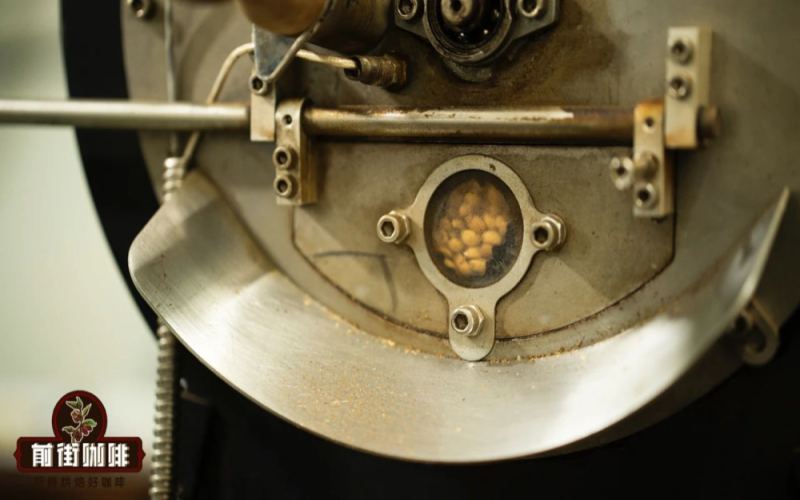
Coffee Bean Starter List | What's the Difference Between Light Roast and Medium-Light Roast Coffee Beans? Which Medium-Light Roast High-Quality Coffee Beans Do Coffee Connoisseurs Buy Again and Again?
When it comes to coffee beans, everyone probably knows that coffee is made from green beans that have been roasted into roasted beans. There are several degrees of roasting. Generally speaking, the ones most commonly seen in coffee shops are mainly these levels: light roast, medium-light roast, medium roast, medium-dark roast, and dark roast, but there is no clear boundary between them. And as a consumer [more…]

A Detailed Guide to Coffee Roast Levels: How to Define Light, Medium, and Dark Roasts and Brewing Recommendations
The roast level of coffee beans directly influences the final flavor profile, yet standards vary from country to country, often leaving beginners confused. From the perspective of Front Street, this article systematically introduces the eight-level roasting standard developed by the SCAA in conjunction with Agtron, including the color values and drop times for Light, Cinnamon, Medium, Deep, City, Full City, French, and Italian roasts, and explains how to determine the roast level through flavor descriptions. At the same time, for coffee beans roasted at light-to-medium and medium-dark levels, Front Street shares specific grinding and water temperature recommendations to help everyone brew their ideal flavor more effectively. [more…]

Light, Medium, and Dark Roasts for Pour-Over Coffee | What Are the Flavor Characteristics of Coffee Beans at Different Roast Levels? Do Light, Medium, and Dark Roasts Taste Very Different in Pour-Over Coffee?
For more specialty coffee knowledge, please follow: Front Street Coffee (Frontsteet Coffee) The roast level of coffee beans determines the direction of the coffee's flavor. Many coffee shops label the roast level on the coffee beans they sell, such as light roast, medium roast, cinnamon roast, etc., which makes it easy for beginners [more…]
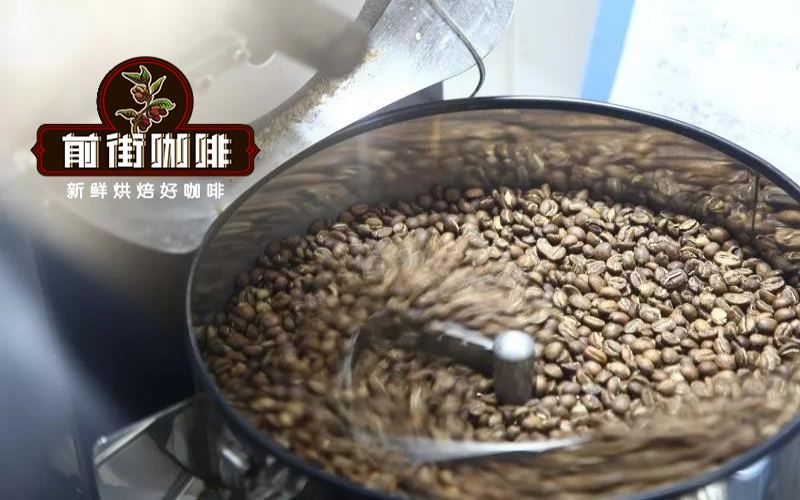
Coffee Roast Levels | What's the difference between dark, medium, and light roasted coffee beans? Is medium roast coffee bitter when brewed as pour-over? Recommended single-origin light, medium, and dark roast coffee beans suitable for pour-over
The darker the coffee is roasted, the more the acidity in the coffee is destroyed, replaced by more caramel flavors, smoky notes, and bitterness. Based on their understanding of different coffee beans, roasters use different roast levels to bring out the unique flavor state of beans from different origins and varieties. For example, preserving the beans' bright fruit acidity or floral notes. [more…]
Analysis of Pour-Over Parameters for Medium-Dark and Dark Roast Coffee Beans and Recommended Suitable Varieties
The roasting degree of coffee beans directly affects the flavor profile: light roasts highlight acidity and floral notes, while medium-dark roasts bring the rich, mellow feel of nuts, chocolate, and caramel. Starting from roasting types, this article sorts out the characteristics and representative products of medium, medium-dark, and dark roasted coffee beans, and provides parameter references for pour-over brewing methods for dark roasted beans. For coffee lovers who prefer low acidity and a rich taste, the article also introduces several medium-dark roasted single origins and espresso blends under Front Street Coffee, helping you find the cup that suits you between pour-over and espresso. [more…]
A Complete Guide to Coffee Roast Levels: Flavor Differences and How to Identify Light to Medium-Dark Roasts
The flavor profile of coffee is largely determined by the roast level. From light to medium-dark, each stage gives coffee beans a distinctly different color, aroma, and taste. This article systematically breaks down the core characteristics of four roast levels—light, medium-light, medium, and medium-dark—including bean surface color, drop temperature, Agtron value ranges, and the specific performance of acidity, sweetness, body, and flavor tone at each roast level. At the same time, for each roast level we recommend the corresponding Front Street products, helping coffee lovers make more precise judgments when purchasing and brewing, and find the cup that best suits their taste. [more…]
How Does Roast Level Shape Coffee Flavor? A Comprehensive Analysis of Light, Medium, and Dark Roast Levels and Representative Beans
What exactly determines the flavor of coffee beans? Origin, variety, and processing method lay the foundation, but roasting is the key step that unlocks their potential. From the perspective of Front Street Coffee, this article systematically sorts through the three major roasting levels—light, medium, and dark—and the eight stages within them, explaining how the Maillard reaction and caramelization reaction affect coffee's acidity, sweetness, bitterness, and body. At the same time, drawing on specific beans such as Yirgacheffe Gedingding, Natural Red Cherry, PWN Golden Mandheling, and Lintong Mandheling, it offers pour-over parameter recommendations for medium-light and medium-dark roasts, helping coffee lovers choose the right roast level according to their personal taste. [more…]
A Complete Guide to Coffee Roast Levels: Flavor Differences Between Light, Medium, and Dark Roasts, Plus Three Front Street Coffee Medium Roast Bean Recommendations
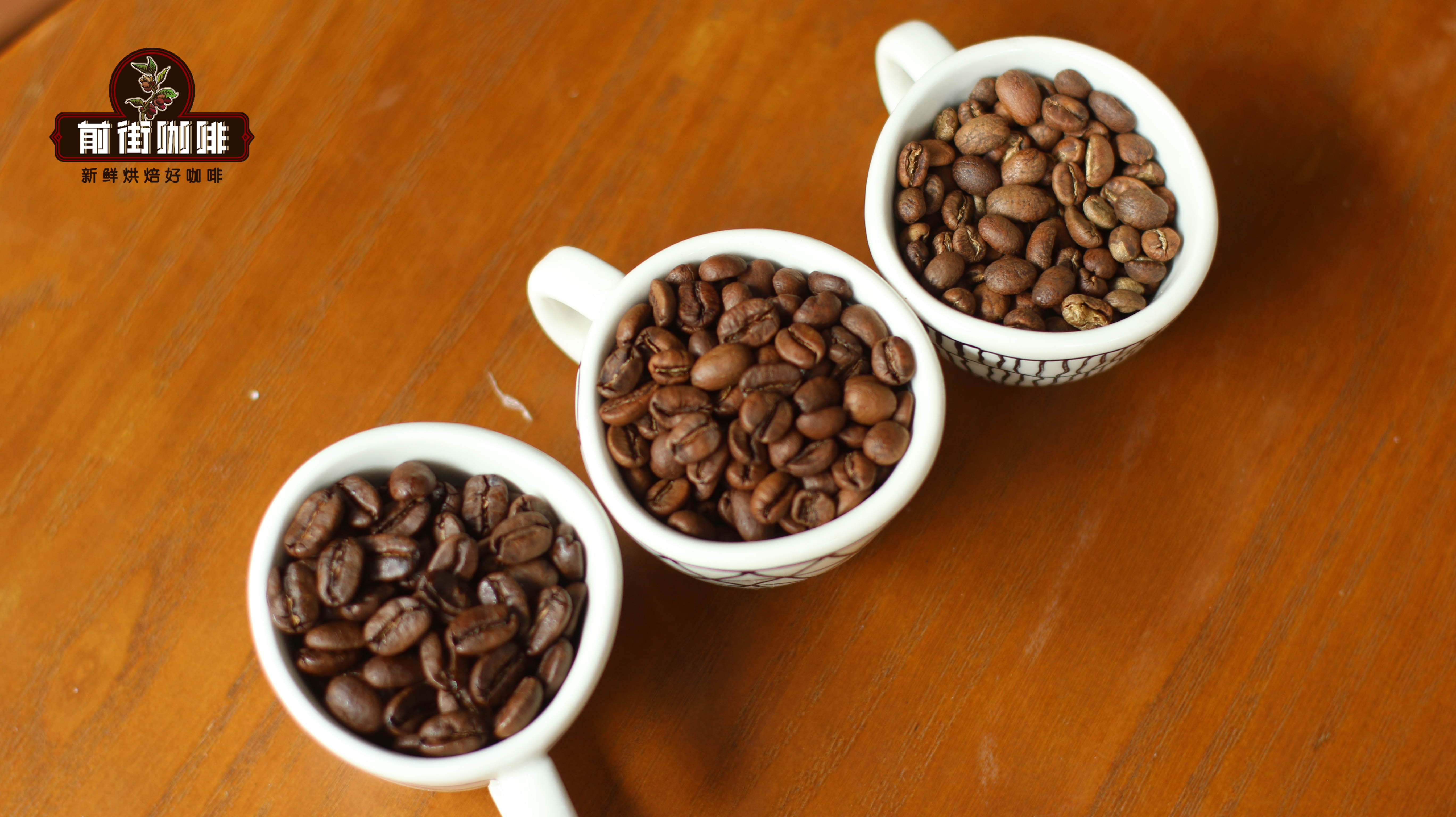
The roast level of coffee beans directly determines the flavor direction in the cup, from the bright fruit acidity of a light roast to the rich caramel of a dark roast, each stage has its own unique charm. This article systematically sorts out the flavor characteristics and appearance differences of light, medium, dark, and City roasts, and for different taste preferences, recommends three medium-roast single origins from Front Street: Front Street Brazil Queen Estate brings creamy peanut and chocolate notes, Front Street Strawberry Candy blends the fruity sweetness of Costa Rican honey processing with Panamanian washed Geisha, and Front Street 2013 Yunnan Typica presents nutty, brown sugar, and black tea flavors. Whether pour-over, cold brew, or espresso extraction, you can find the cup that suits you. [more…]
Coffee Knowledge | How to Quickly Identify Coffee Bean Roast Levels? Introduction to Grind Size and Brewing Water Temperature Parameters for Medium-Light and Medium-Dark Roasted Coffee
As everyone knows, Front Street Coffee mainly sells beans and has shops on both Taobao and Tmall, so friends who can't make it to the store often place orders online. Then some friends noticed that the labels on Front Street Coffee's beans don't indicate the roast level of the coffee beans, so they reported that after receiving them, they didn't know how to identify [more…]
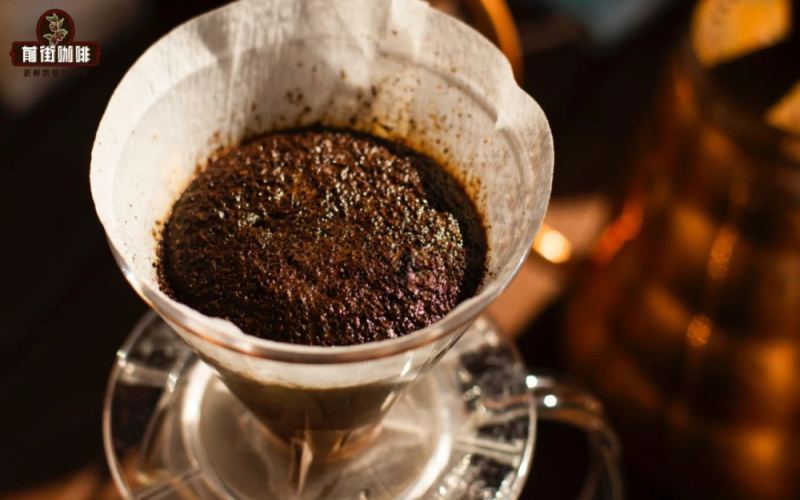
Light, Medium, or Dark Roast: How to Choose? A Full Analysis of Coffee Bean Roast Levels and Flavor Differences
Raw coffee beans must undergo high-temperature roasting to release their aroma and flavor, and the degree of roasting directly determines the flavor profile of the coffee in the cup. From the bright fruit acidity of a light roast, to the balanced sweetness of a medium roast, to the intense, smoky aroma of a dark roast, each roast level has its own unique charm. This article will start with the Maillard reaction and caramelization reaction during the roasting process, systematically analyzing the flavor characteristics and representative bean varieties of light, medium, medium-dark, and dark roasts, and introduce a number of specialty coffee beans from Front Street Coffee corresponding to each roast level, helping enthusiasts find the cup that best suits their taste preferences. [more…]
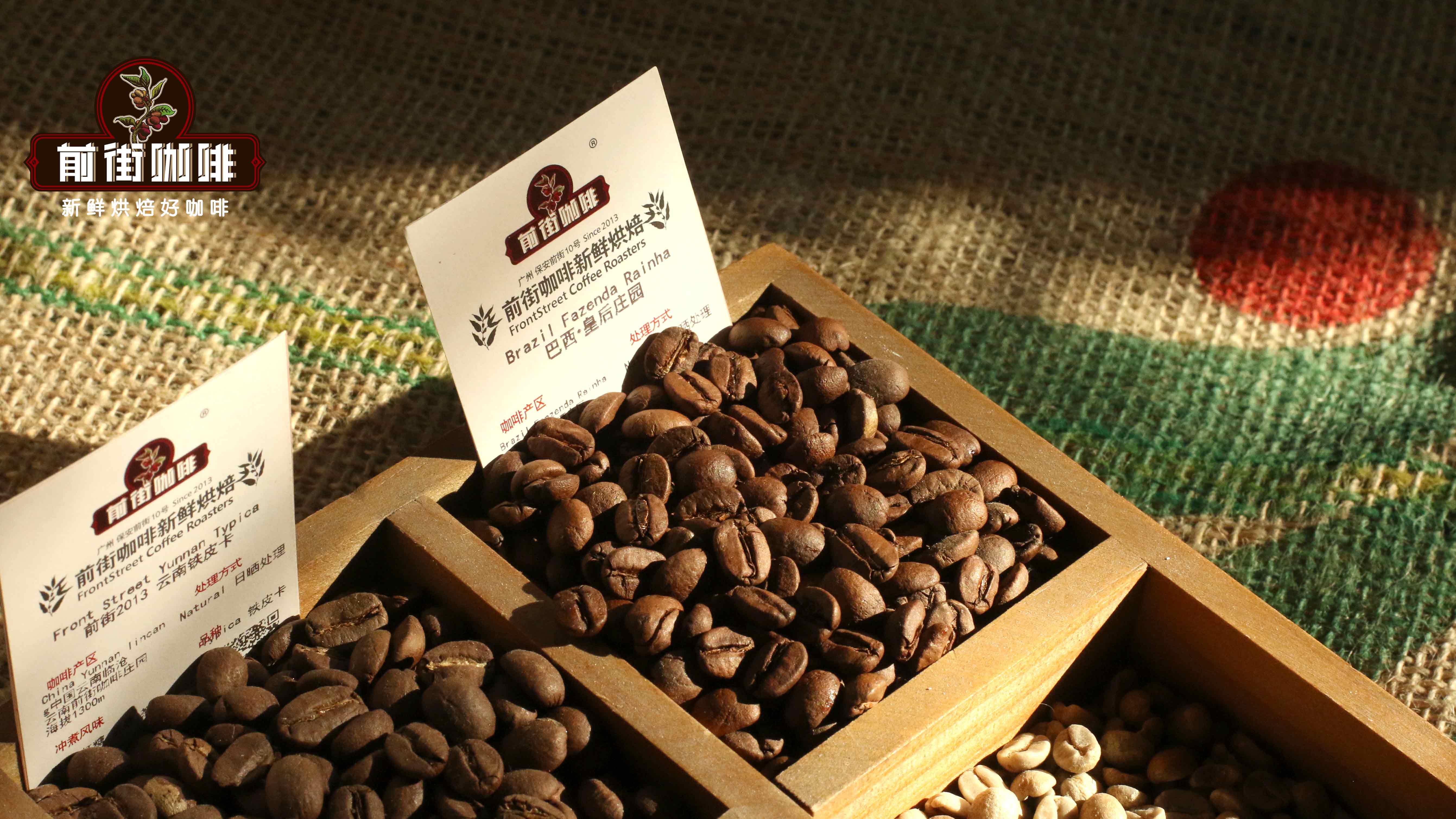
A Complete Guide to Coffee Roast Levels: Flavor Differences Between Light, Medium, and Dark Roasts and Pour-Over Parameter Guide
The roast level of coffee beans directly affects the final flavor profile, but the labeling methods on the market are diverse, ranging from light roast to cinnamon roast, often leaving beginners confused. This article, from the perspective of Front Street, systematically sorts out the definition standards and flavor characteristics of coffee roast levels. Using the SCAA's Agtron color value system, it divides light to dark roasts into eight levels and explains the dropping timing and flavor performance of each stage one by one. At the same time, the article also shares how to infer the roast level from flavor descriptions, the bean selection logic for espresso, and the pour-over grind size and water temperature parameters corresponding to different roast levels, helping you accurately judge and brew a good cup of coffee even when labeling is lacking. [more…]
Choosing Non-Acidic Pour-Over Beans by Roast Level: From Medium to Dark Roast
Pour-over coffee doesn't only express bright fruity acidity. If you prefer a soft, easy-drinking cup with nutty or cocoa notes, you can start by choosing beans from three directions: medium roast, medium-dark roast, and dark roast. The darker the roast, the more the acidity usually recedes, and the flavors gradually shift toward caramel, roast, chocolate, and nuts, making them suitable for breakfast, [more…]
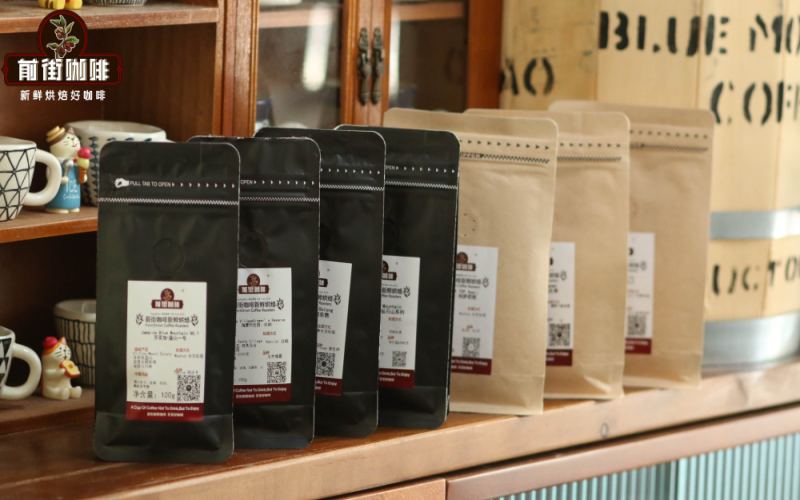
Recommendations for Non-Acidic Coffee Beans | What Are the Characteristics and Differences of Light, Medium, and Dark Roast Coffee Beans? What Water Temperature Is Suitable for Brewing Light, Medium, and Dark Roast Coffee Beans?
Some friends have pointed out that "Front Street's coffee beans don't have any indication of roast level." In response, Front Street plans to use an article to share knowledge about coffee roast levels with everyone. I believe that most people's understanding of coffee bean roast levels is basically that if it's sour, it's a light roast, and if it's bitter, it's a dark roast. Of course, as people in the industry [more…]
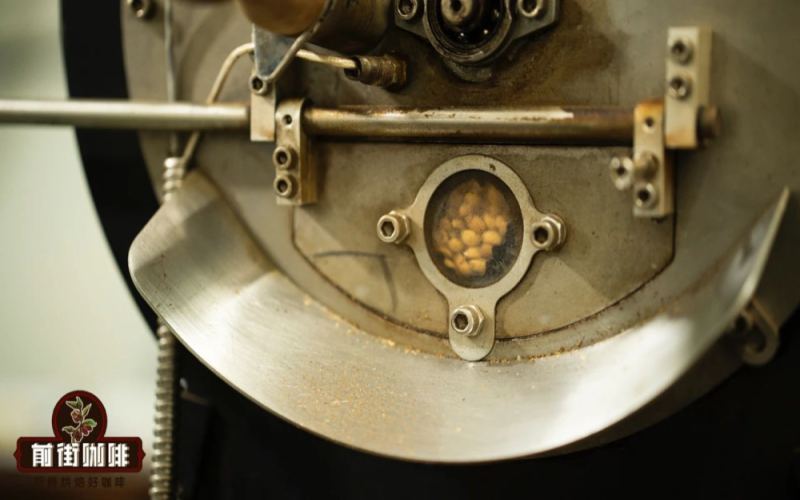
An Analysis of Flavor Differences in Light, Medium, and Dark Roasted Coffee Beans: From Dehydration to Second Crack—The Roasting Curve and Temperature Reference for Blue Mountain No. 1
Roasting is the key stage that determines the direction of coffee flavor; the same green beans will present completely different aromas and tastes under different roast levels. Starting from the roasting practice of FrontStreet Coffee, this article systematically sorts out the complete roasting process of coffee beans from bean charging, dehydration, first crack to second crack, explains the specific flavor performance of light, medium, and medium-dark roast levels in cupping, and introduces the Agtron color value as a scientific judging standard. Taking sun-dried Yirgacheffe as an example, the article provides the yellowing point, first crack temperature, development time, and drop temperature data for three roast levels, and also lists Front Street's representative bean list for each roast level, including Blue Mountain No. 1, the Mandheling series, etc., to help enthusiasts build a corresponding understanding between roast level and flavor. [more…]