







How Does Roast Level Shape Coffee Flavor?
Roast level shapes coffee flavor through the Maillard reaction and caramelization, which build acidity, sweetness, bitterness and body as the beans heat. Light roasts keep more origin acidity, medium roasts balance sweetness with body, and dark roasts push toward bittersweet, smoky depth. Origin, variety and processing set the potential; roasting decides how much of it reaches the cup.
Each of the three levels breaks down further into sub-stages, and small shifts there change the final profile. Beans such as Yirgacheffe Gedingding, sun-dried Red Cherry and Mandheling from PWN and Lintong behave differently at the same roast degree. Medium-light and medium-dark roasts each call for their own pour-over parameters, so matching roast to brewing method matters as much as the bean itself.
What exactly determines the flavor of coffee beans? Origin, variety, and processing method lay the foundation, but roasting is the key step that unlocks the potential. From the perspective of Front Street Coffee, this article systematically sorts through the three major roasting levels — light, medium, and dark — along with the eight sub-stages within them, and explains how the Maillard reaction and caramelization reaction affect coffee's acidity, sweetness, bitterness, and body. At the same time, drawing on specific beans such as Yirgacheffe Gedingding, sun-dried Red Cherry, PWN Golden Mandheling, and Lintong Mandheling, it offers pour-over parameter recommendations for medium-light and medium-dark roasts, helping coffee lovers choose the right roast degree according to their personal taste.
Friends new to specialty coffee often ask Front Street Coffee which beans are worth recommending, and Front Street Coffee usually responds from three dimensions — acidity, sweetness, and bitterness: those who prefer bright acidity should look to African origins, those who enjoy balanced sweetness should look to Latin America, and those who seek a rich, full-bodied cup should start with Asian origins. However, origin is not the only factor determining flavor; the degree of roast also has a profound impact on the final cup. Next, Front Street Coffee will take you through an in-depth look at exactly how roast degree influences coffee flavor.
Factors That Affect Coffee Bean Flavor
As Front Street Coffee mentioned in previous articles, the flavor foundation of a coffee bean is jointly determined by origin, variety, and processing method, but these only endow it with the potential to taste good. Roasting is the key step that releases this potential to the fullest; conversely, a failed roast can waste even high-quality green beans. It can be said that roasting is the finishing touch for green beans.
To use cooking as an analogy, the quality of ingredients depends on the growing environment, variety, and cultivation management, but these only lay the foundation for a delicious dish. What truly makes a dish fragrant and appetizing still depends on the chef's skill. Coffee is the same. It is itself an agricultural product, and only with solid quality can it display more captivating aromas through proper roasting.
Why Do Coffee Beans Need to Be Roasted?
As Front Street Coffee said above, coffee beans are originally just the seeds of the coffee fruit, which become green beans after processing. Only after roasting can the flavor compounds inside green beans be activated, and different roasting curves can make the same bean reveal completely different faces.
So why do green beans release flavor at high temperatures? The answer lies in a series of chemical changes that occur during roasting. They are explained one by one below.
【Maillard Reaction】
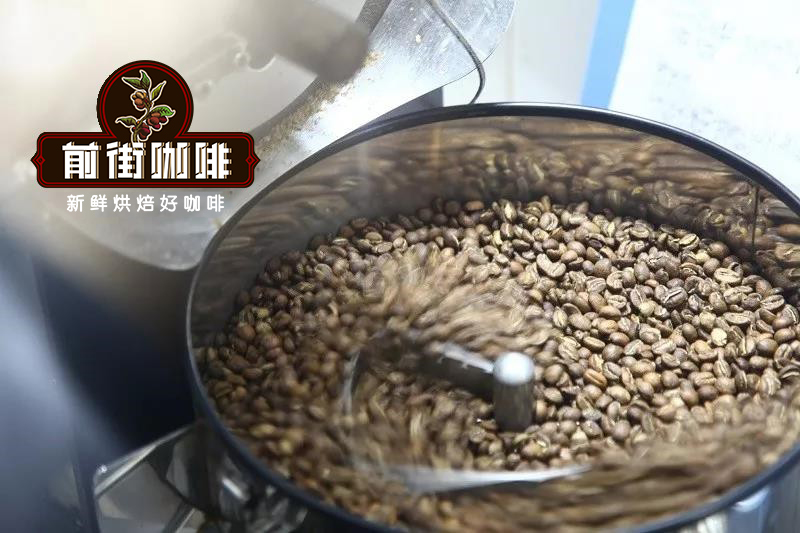
According to Front Street Coffee's understanding, this reaction begins at about 150°C, when the coffee beans are still in the endothermic stage while continuously releasing heat during roasting. Heat prompts the carbohydrates and amino acids inside the beans to interact, thereby bringing about changes in color, taste, and nutritional composition.
The color change mainly comes from the formation of melanoidins. These substances not only turn the coffee beans brown, but also affect the coffee's mouthfeel and body.
During the Maillard reaction stage, even a tiny fluctuation in temperature or time may have a significant impact on the final flavor.
Coffee with a longer Maillard reaction will have somewhat increased viscosity; a shorter reaction time, meanwhile, can retain more sweetness and acidity, because once the reaction goes on too long, fruit acids and those acids that could have been converted into sweetness will all be destroyed.
Front Street Coffee's roasters also deliberately adjust the length and intensity of the Maillard reaction during test roasts, and record the effects of these variables on the finished flavor.
【Caramelization Reaction】
When the temperature rises to about 170°C, heat causes large amounts of complex carbohydrates to break down into small water-soluble sugars, which means the final brewed coffee will have somewhat increased sweetness.
This reaction continues until the end of roasting and also helps form caramel- and almond-like sweet aromas.
Taking the Maillard reaction and caramelization reaction together, the chemical changes produced by roasting have an obvious impact on the flavor of a cup of coffee. It was previously said that among the factors affecting a cup of coffee, green beans account for about 70%, roasting about 20%, and brewing about 10%.
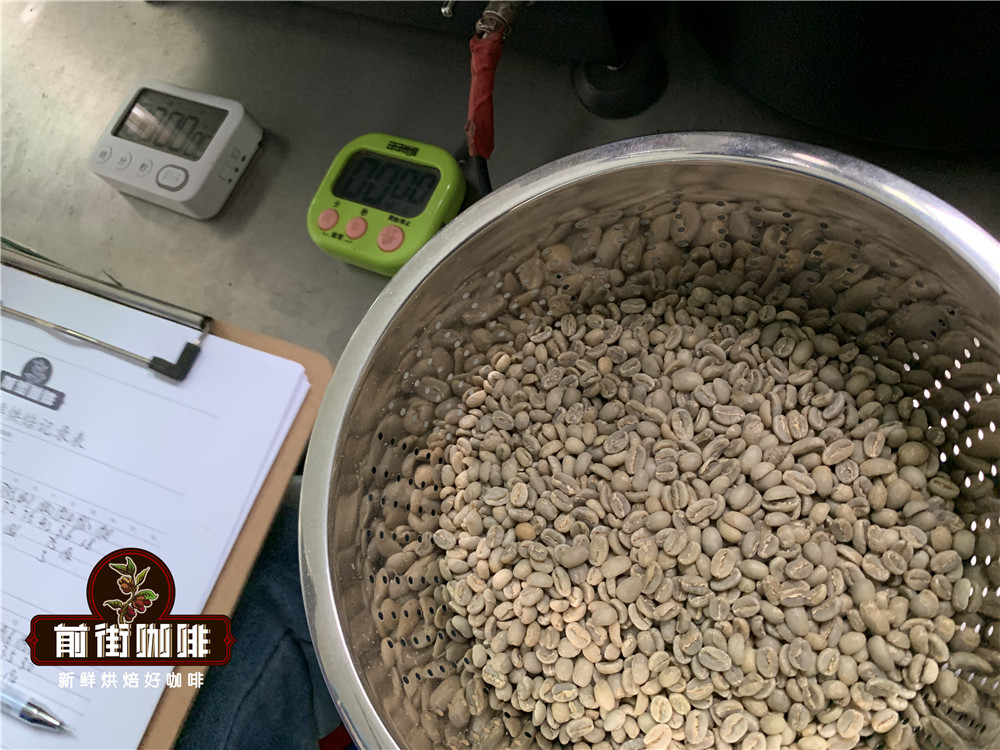
Only after undergoing high-temperature roasting can coffee beans possess such intense aroma and rich layers of mouthfeel. As roasting time and temperature change, the same bean can present diverse appearances.
What Is Roast Degree?
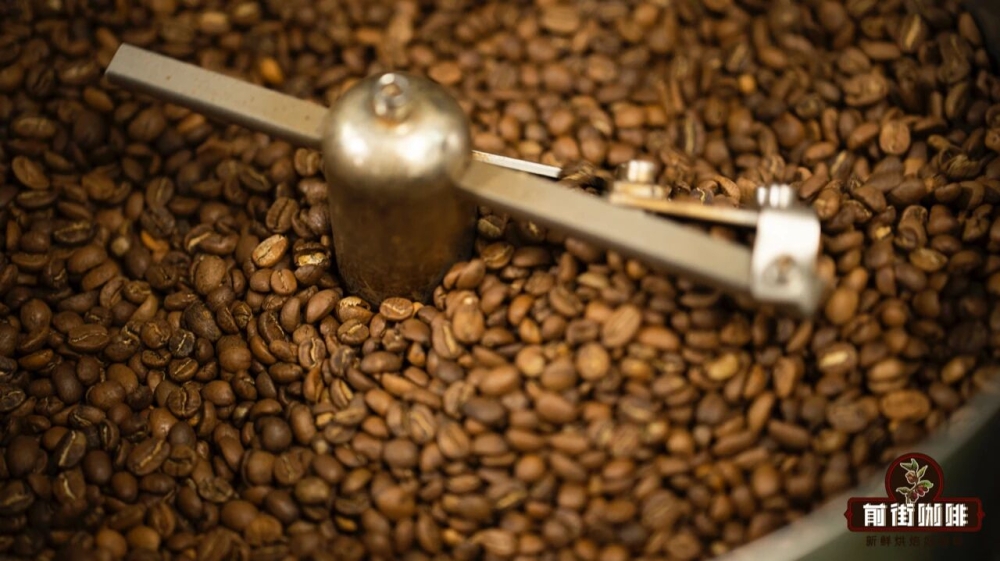
So what exactly does roast degree refer to? According to Front Street Coffee's understanding, coffee roast levels follow American terminology and are divided into light roast, medium roast, and dark roast, which can be further subdivided into eight stages. Different regions also differ in how they define roast degree. The following briefly introduces each roast level and its corresponding flavor:
1. Light Roast: extremely light roast, also called "light roast" Drop time: around the start of first crack Flavor: the bean surface is pale cinnamon colored, with a strong grassy taste, insufficient mouthfeel and aroma, generally used for experiments and rarely for tasting.
Light-roasted Yirgacheffe coffee beans
2. Cinnamon Roast: light roast, also called "cinnamon roast" Drop time: from the start to the height of first crack Flavor: the bean surface is cinnamon colored; at this point the grassy taste has disappeared, the acidity is intense, and there is a slight aroma. Often used to brew American-style coffee.
3. Medium Roast: medium roast, also called "medium-light roast" Drop time: between the height and end of first crack Flavor: the bean surface is chestnut colored, with a light mouthfeel, somewhat acidic with bitterness, and moderate aroma. It retains the coffee bean's original flavor and is often used for American-style coffee or blended coffee.
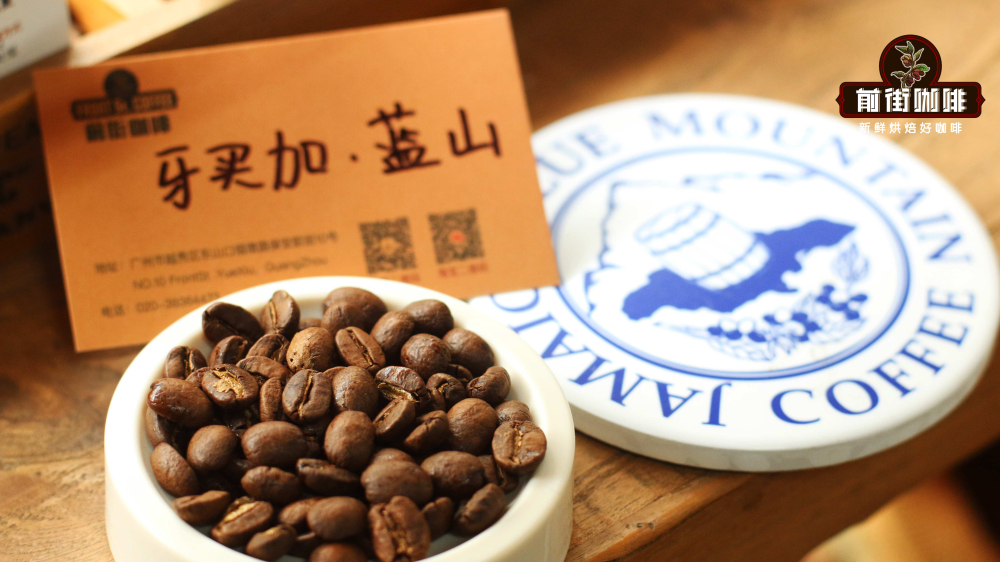
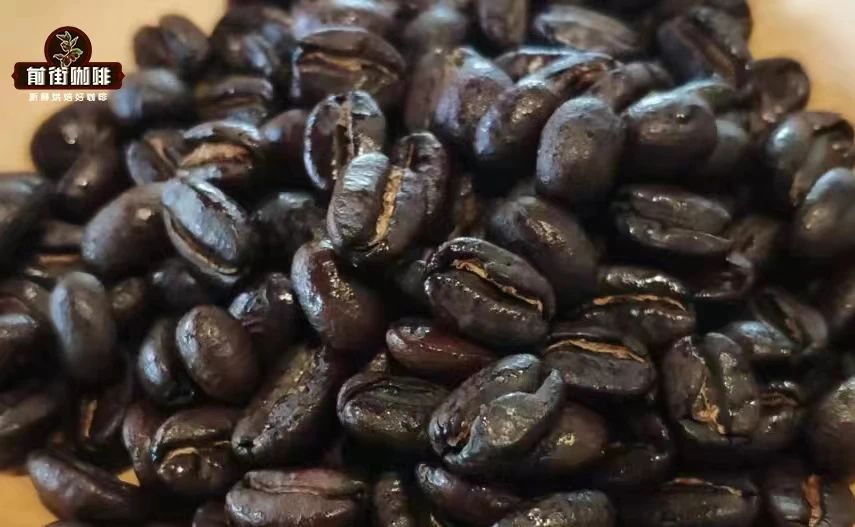
Dark-roasted Blue Mountain coffee beans
4. High Roast: medium-light dark roast, also called "deep roast" Drop time: end of first crack Flavor: the bean surface is light reddish brown, with a refreshing and rich mouthfeel, balanced acidity and bitterness without being sharp, and a slight sweetness. Both aroma and flavor are good. Blue Mountain and Kilimanjaro coffees are both suited to this roast level, and it is favored by people in Japan and north-central Europe.
5. City Roast: medium-dark roast, also called "city roast" Drop time: after first crack, that is, between first and second crack Flavor: the bean surface is light brown, with a bright and lively mouthfeel, balanced acidity and bitterness while the acidity is somewhat lighter, and it releases the coffee's high-quality flavors. It is the standard roast level and also the roast level most loved by the public. Brazilian and Colombian coffees are both suited to this roast level, and it is often used for French coffee.
6. Full City Roast: slightly dark roast, that is, dark roast, also called "deep city roast" Drop time: second crack Flavor: the bean surface is brown, with a steady, full mouthfeel, bitterness stronger than acidity, a sweet aftertaste, and a full aroma. It is a Central and South American roasting method, mostly used for iced coffee and black coffee.
7. French Roast: extremely dark roast, that is, dark roast, also called "French roast" Drop time: from the height to the end of second crack Flavor: the bean surface is dark brown tinged with black, with a powerful and intense mouthfeel, stronger bitterness, light acidity that is almost imperceptible, and rich chocolate and smoky aromas. It is most prevalent in Europe, especially France, and is mostly used for café au lait and Viennese coffee.
Italian-roasted coffee beans
8. Italian Roast: extremely dark roast, that is, very dark roast, also called "Italian roast" Drop time: from the end of second crack until the bean surface turns black and oily Flavor: the bean surface is black with an oily sheen. Before the coffee bean fibers carbonize, the mouthfeel is strong and complex, with powerful bitterness and rich roasting and burnt aromas. It is mainly popular in Latin countries and Italy, and is mostly used for espresso.
The above is Front Street Coffee's complete guide to coffee roasting. Coffee fans also often ask Front Street Coffee whether medium-roast or dark-roast beans taste better, and what roast degree is better and tastier to brew at home with pour-over. Front Street Coffee's stores mainly feature medium-light roast and medium-dark roast beans. Next, it will share several typical and common medium-light roast and medium-dark roast beans, along with their respective flavor characteristics.
Do Medium-Roast Coffee Beans Taste Better or Dark-Roast Coffee Beans Taste Better?
Actually, whether medium roast or dark roast, whether it tastes good mainly depends on personal taste. As Front Street Coffee said above, medium-light roast beans have more prominent acidity and rich mouthfeel changes; medium-dark roast beans have a mellow, smooth mouthfeel. So no matter which roast degree, as long as it suits your personal taste, it tastes good. There is no question of one being superior to another.
Medium-light roasted coffee beans — Yirgacheffe coffee beans
Next, Front Street Coffee will share medium-light roasted Yirgacheffe coffee beans. As Front Street also mentioned at the beginning of the article, beans from African origins have good acidity and a refreshing mouthfeel, so they are more suitable for medium-light roasting to highlight their bright acidity. Among them, Ethiopian Yirgacheffe is very representative.
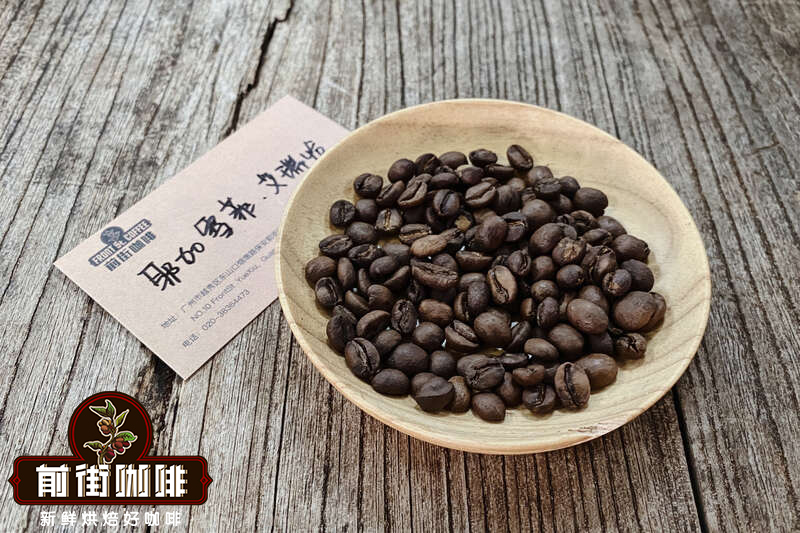
Front Street Coffee Yirgacheffe Gedingding coffee beans Country: Ethiopia
Region: Yirgacheffe Altitude: 1900-2300m Variety: local heirloom varieties Processing method: washed processing Flavor: tropical fruit, cream, honey, berries, citrus
According to Front Street's understanding, the Gedingding cooperative was originally part of the Worka cooperative under the Yirgacheffe Coffee Farmers Cooperative Union (YCFCU), and became independent as the Gedingding cooperative in 2012. It currently has more than 300 smallholder members. Also, precisely because Gedingding village was the earliest village area to become independent, and many small farmers were originally members of the Worka cooperative, their coffee production skills are naturally excellent. The coffee beans they produce naturally have excellent flavor.
Front Street Coffee Ethiopian Yirgacheffe sun-dried Red Cherry coffee beans Country: Ethiopia
Region: Yirgacheffe Altitude: 2300m Variety: local heirloom varieties Processing method: sun-dried processing Flavor: berries, lemon, strawberry, fermented wine aroma
Front Street Coffee's sun-dried Red Cherry coffee beans are made from 100% ripe coffee beans dried in the sun, so they are full of aroma, rich in sweetness, and carry a fermented note.
The origin of this coffee bean comes from the "Red Cherry Project" jointly initiated by local Ethiopian coffee farmers and the Dutch trader Trabocca. It aims to improve the quality of coffee from small-scale farms and increase farmers' income. Picking fully ripe coffee cherries means not only picking fully red, highly ripe fruit, but also harvesting entirely by hand, yet this is only the most basic requirement. There are corresponding requirements for coffee bean processing methods as well.
Dark-roasted coffee beans — Mandheling coffee beans
For example, a relatively typical dark-roasted bean in Front Street Coffee's stores is Indonesian Mandheling. Its basic regional flavor is spice and herbs, with a mellow, smooth mouthfeel, so dark roasting better highlights Mandheling's basic flavor; if light roasting were used, it would weaken its original flavor and thus lose the original soul of Indonesian Mandheling. Next, Front Street Coffee will introduce several dark-roasted Indonesian Mandheling coffee beans.
Front Street Coffee PWN Golden Mandheling coffee beans
Country: Indonesia
Region: Sumatra, Aceh, Mount Gayo Altitude: 1100-1600m Variety: Ateng Processing method: wet-hulled process Flavor: baked toast, nuts, pine, caramel, herbs
Front Street's Golden Mandheling is the latest release from PWN in recent months. Unlike the previous PWN Golden Mandheling, the latest batch comes from Mount Gayo in Aceh, Sumatra, whereas the previous one came from Lake Tawar in Sumatra. According to Front Street's cupping and brewing of this latest Golden Mandheling, compared with the previous Golden Mandheling, it has more of a baked toast flavor, so its mouthfeel is also a bit fuller.
In addition, the specification standard for PWN Golden Mandheling coffee beans is 18 screen or above, with fewer than 3 defective beans (in a 300g green bean sample), belonging to the highest grade, G1. The color is on the darker green side, and the shape is neat flat beans. After strict screening, Front Street Coffee found that Golden Mandheling not only lacks the earthy, miscellaneous flavors unique to ordinary Mandheling, but also drinks cleaner and more transparent.
Front Street Coffee Indonesian Lintong Mandheling coffee beans
Country: Indonesia Region: Sumatra (Lintong) Altitude: 1100-1600m Variety: Typica, Caturra Processing method: wet-hulled process Flavor: baked toast, nuts, caramel, pine, herbs
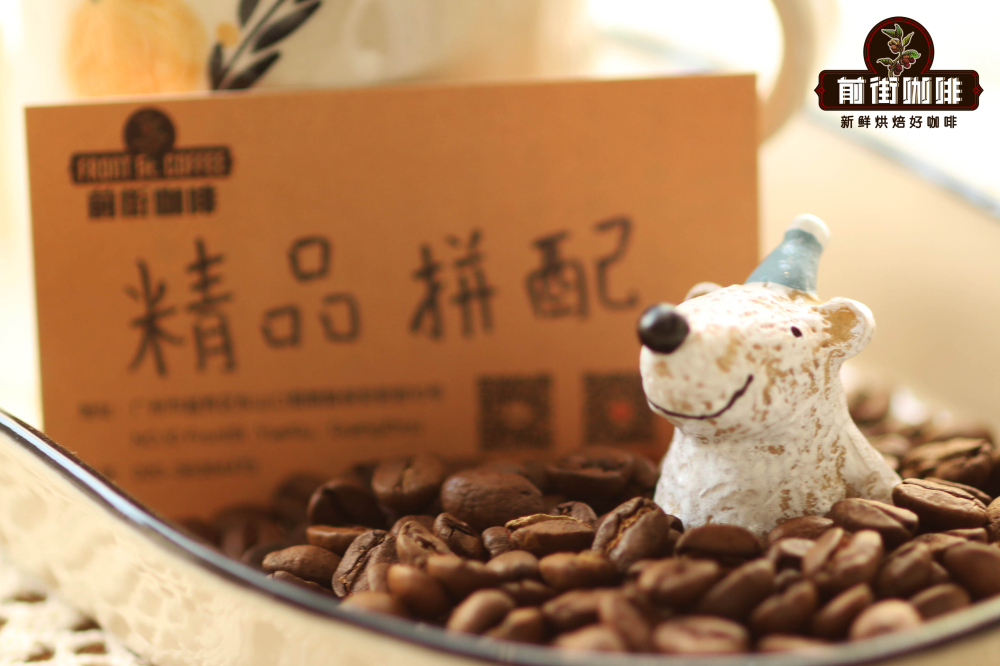
Lintong Mandheling comes from the Lintong hill area in north-central Sumatra, near Lake Toba. Front Street Coffee's entry-level everyday beans from the Indonesian Mandheling region come from here. Lintong Mandheling also uses the unique wet-hulled process, which gives it the characteristics of low acidity and high body.
What Roast Degree of Coffee Beans Is Better to Choose for Pour-Over Coffee?
In addition, as Front Street Coffee said above, coffee fans who are just starting out ask Front Street Coffee what roast degree of beans is better to choose for pour-over coffee. Actually, it just depends on personal preference; the only difference is that in pour-over parameters, dark roast and medium-light roast will differ. Next, Front Street Coffee will share the pour-over parameters for these two roast degrees of beans and the flavor performance they produce when brewed.
Front Street Coffee Indonesian PWN Golden Mandheling coffee bean pour-over parameter recommendations:
Brewing recommendations Dripper: Kono dripper Water temperature: 86°C Dose: 15 grams Coffee-to-water ratio: 1:15 Grind size: medium-fine grind (BG#6W) *Reason for choosing the Kono dripper: the Kono dripper has few ribs and they are located at the lower end. The filter paper fits closely against the dripper, which can restrict airflow and lengthen the contact time between water and coffee grounds, allowing the coffee grounds to be fully extracted and enhancing the body.
Brewing method: staged extraction
Use 30 grams of water for a 30-second bloom, then pour in a small stream in circles until 125 grams, at which point pause. When the water level drops and is about to expose the coffee bed, continue pouring until 225 grams and stop. When the water level drops and is about to expose the coffee bed, remove the dripper. (Start timing from the beginning of the bloom.) The extraction time is 2'00".
Flavor description: Layered and varied, mellow and clean, with high balance, strong nut and chocolate flavors, rich spice and caramel aromas, a fruity note, and a lasting finish.
Front Street Coffee Ethiopian Yirgacheffe Gedingding coffee bean pour-over parameter recommendations:
Dripper: V60 #01 Water temperature: 90-91°C Dose: 15g Coffee-to-water ratio: 1:15 Grind size: BG6m/medium-fine grind (sift with a No. 20 sieve to 80%)
*The reason for choosing the V60 dripper is its inner ribs, whose spiral shape extends all the way from the bottom to the top. Their function is to guide flow, leaving enough gap between the filter paper and the dripper, so that water flow is more fluid and the flow rate is relatively fast. It is also one of the faster-flowing drippers among many drippers. In addition, the ribs of the V60 dripper turn clockwise. When pouring clockwise, the water flows more smoothly along the grooves; if pouring counterclockwise, it will slow the flow rate. The large hole at the bottom of the V60 dripper is also meant to promote flow rate. This kind of dripper is very suitable for medium-light roasted coffee beans.
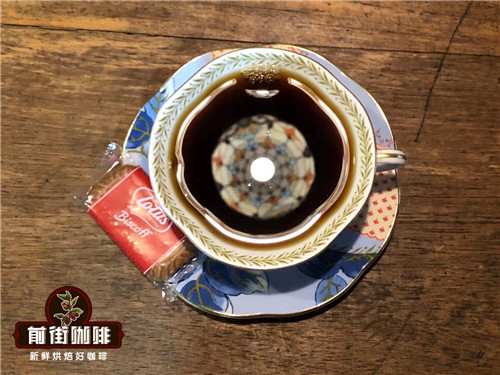
Flavor description: The overall mouthfeel is solid, with fermented aroma and tropical fruit relatively prominent. As the temperature changes, berry and cream flavors emerge, and the citrus sweet-and-sour sensation lingering between the teeth and lips is relatively lasting.
The above is the relevant information compiled by Front Street Coffee on how the roast degree of coffee beans affects coffee flavor. It is hoped that it can help coffee fans who want to learn related knowledge, so that in the future they can choose coffee beans that suit their own taste.
The above content is compiled by CoffeeHunters, a coffee news website.


