








How Does the Roasting Process Change Acidity and Sweetness?
Light and medium-light roasts sit below medium on the roast scale, so the beans spend less time in the roaster and keep more of their fruity, floral character. Acidity fades as total roasting time grows, while bitterness becomes more prominent, so drinkers who prefer a less bitter cup should choose beans roasted below medium.
Throughout the roasting process, the Maillard reaction and caramelization drive aroma and color change, and three elements need control: acidity, sweetness, and bitterness. Because there is no clear dividing line between roast grades, consumers can judge the level from flavor and mouthfeel, then pick medium-light single-origin pour-over beans for daily brewing.
The roast level of coffee beans directly affects the flavor in the cup. This article starts with the difference between light roast and medium-light roast, sorting out the evolution logic of acidity, sweetness, and bitterness during roasting, to help readers understand why beans roasted below medium are more likely to present floral and fruity notes. At the same time, a shopping list of medium-light roasted single-origin pour-over coffee beans is compiled, covering many popular beans under Front Street Coffee such as Huakui, Geisha, Blackberry, Yirgacheffe, Little Tomato, Butterfly, Strawberry Candy, Sidra, etc., with recommendation ratings and flavor descriptions attached for daily purchasing reference.
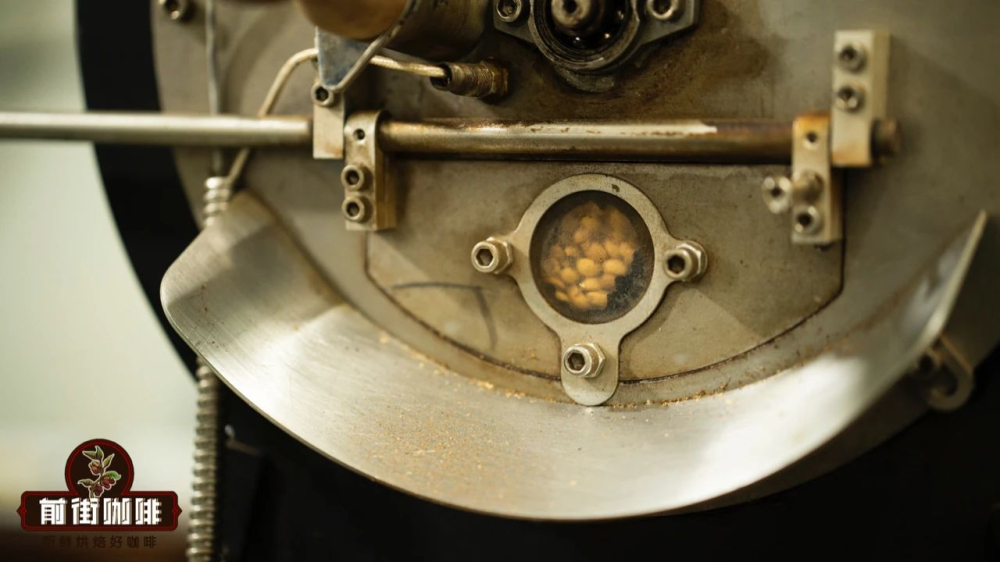
When it comes to coffee beans, everyone surely knows that they are green beans transformed into roasted beans through the process of roasting. Roast levels are divided into several grades. The common classifications in coffee shops are roughly light roast, medium-light roast, medium roast, medium-dark roast, and dark roast, though there is no clear dividing line between these grades. As ordinary consumers, we can absolutely infer the roast level from the flavor and mouthfeel after the coffee enters the mouth.
The generation of coffee bean aroma and the change in color are inseparable from the Maillard reaction and caramelization reaction. Throughout the roasting process, there are about three elements that need to be precisely controlled for the final flavor: acidity, sweetness, and bitterness. Generally speaking, the longer the total roasting time, the less acidity remains in the end; conversely, bitterness becomes more prominent as roasting time lengthens, and the darker the roast, the more bitter the coffee.
In other words, if you prefer coffee that is not bitter, you should choose beans roasted below medium. These beans are heated for a relatively shorter time and often present abundant fruity notes, with a sweet-and-sour interwoven floral and fruity acidity, and a more vivid acidity expression.
At present, the more favored medium-light roasted coffee beans on the market mainly include the following:
Medium-light roast pour-over bean ①: Front Street Coffee. Ethiopia Huakui
Recommendation rating: ★★★★☆
Reason for recommendation: Front Street Huakui is medium-light roasted. Its signature pink floral aroma and creamy strawberry flavor make it a daily staple bean for many people to drink at home. The aroma is appealing, the mouthfeel is smooth, and it is suitable for both pour-over and cold brew, and can also be made into drip coffee bags;
Medium-light roast pour-over bean ②: Front Street Coffee. Panama Boquete Geisha
Recommendation rating: ★★★★☆
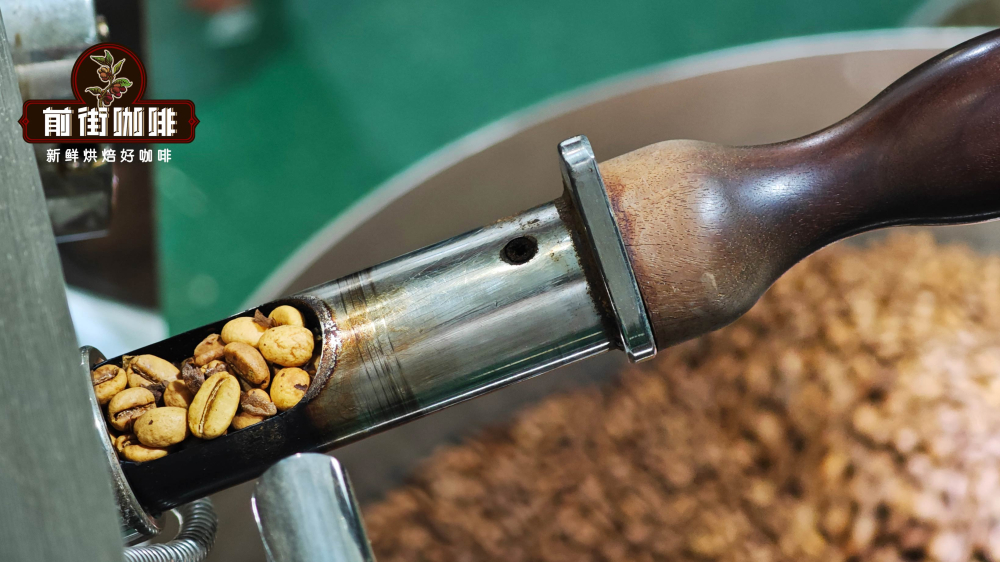
Reason for recommendation: Geisha is renowned worldwide for its delicate and fragrant floral and fruity aroma, with Panama being the most representative origin, and Boquete is precisely the core producing area of Panamanian specialty coffee. When this bean is presented as a light roast, it can display multiple flavors such as jasmine, honeydew melon, citrus, and Tieguanyin tea;
Medium-light roast pour-over bean ③: Front Street Coffee. Costa Rica Blackberry
Recommendation rating: ★★★★☆
Reason for recommendation: Costa Rica is most famous for its honey-processed coffee. Black honey processing fully retains the mucilage layer before drying, giving the coffee beans abundant sweetness and fermented aroma. After medium-light roasting, it has rich grape and berry flavors and is suitable for pour-over, cold brew, moka pot, SOE, and many other methods;
Medium-light roast pour-over bean ④: Front Street Coffee. Washed Yirgacheffe
Recommendation rating: ★★★☆☆
Reason for recommendation: It presents the classic Yirgacheffe style, with white floral aroma interwoven with bright citrus acidity. The taste is soft and not bitter, suitable for pour-over or making into drip coffee bags;
Medium-light roast pour-over bean ⑤: Front Street Coffee. Kenya Little Tomato
Recommendation rating: ★★★★☆
Reason for recommendation: The berry acidity is rich in layers, with cherry tomato and smoked plum flavors especially prominent, and a very distinct juicy quality. It is suitable for pour-over, and can show good flavor whether drunk cold or hot;
Medium-light roast pour-over bean ⑥: Front Street Coffee. Panama Butterfly
Recommendation rating: ★★★★☆
Reason for recommendation: You can taste the classic Geisha flavor, accompanied by the fresh scent of floral aroma and bergamot, with a slight tea-like finish. It is suitable for pour-over and cold brew;
Medium-light roast pour-over bean ⑦: Front Street Coffee. Strawberry Candy
Recommendation rating: ★★★★★
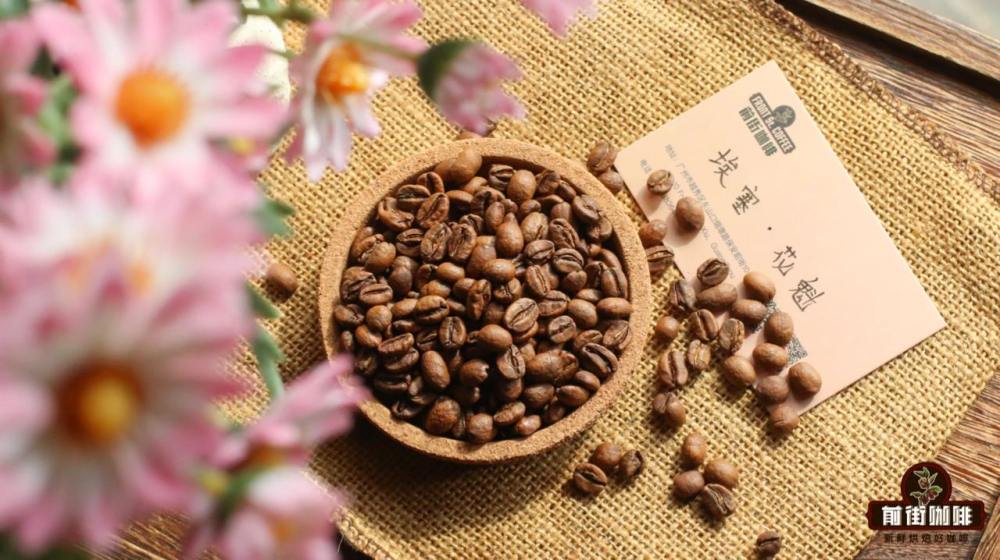
Reason for recommendation: It has both the fruity sweetness brought by honey processing and the elegant floral aroma of Geisha, with just the right amount of fermented note. Drinking it feels like chewing a strawberry fruit candy. It is suitable for many methods such as pour-over, cold brew, moka pot, and home coffee machine;
Medium-light roast pour-over bean ⑧: Front Street Coffee. Colombia Sidra
Recommendation rating: ★★★★★
Reason for recommendation: Sidra is a variety that has frequently appeared in major world coffee competitions in recent years, originating from Colombia, the world-famous coffee country. The complex aromas of passion fruit, grape, blueberry, dried fruit, and more released during brewing have attracted a large following for it. It is suitable for many extraction methods such as pour-over, cold brew, Clever Cup, moka pot, and SOE.
The above content is compiled by CoffeeHunters, a coffee news website.


