








How Does SCAA Coffee Roast Level Define Light, Medium and Dark?
The SCAA, together with Agtron, set a roast reference that divides coffee color into eight levels, from Light and Cinnamon through City, Full City, French and Italian. Each level carries an Agtron color value and a drop time, which is why two cafés can label the same beans differently.
The Specialty Coffee Association of America measured roast depth with an infrared Agtron meter, reading how far sugars inside the bean have caramelized. That number, not the label on the bag, is the reference point. For medium-light to medium-dark beans, grind and water temperature recommendations follow the same logic: match the brew to the actual roast, not the name.
The roast level of coffee beans directly influences the final flavor profile, but standards vary from country to country, often leaving beginners confused. From the perspective of Front Street, this article systematically introduces the eight-level roasting standard developed by the SCAA in collaboration with Agtron, including the color values and drop times for Light, Cinnamon, Medium, High, City, Full City, French, and Italian roasts, and explains how to determine the roast level through flavor descriptions. At the same time, for coffee beans ranging from medium-light to medium roast and medium-dark roast, Front Street shares specific grinding and water temperature recommendations to help everyone brew their ideal flavor more effectively.
The roast depth of coffee beans is the core factor affecting the final flavor. Many cafés label the roast level when selling beans, such as light roast, medium roast, cinnamon roast, etc., and those new to coffee often find themselves bewildered. Today, Front Street will walk you through the classification of coffee roast levels and their corresponding flavors, and also discuss how to judge the roast level of the beans in your hands when the packaging doesn't indicate it, as well as what grind and water temperature to use for a more delicious brew.
How exactly is roast level defined?
In the early days, each country had its own system for coffee roasting, with no unified standard. Different regions had different understandings of light, medium, and dark roast, making them difficult to compare. Later, the Specialty Coffee Association of America (SCAA), together with Agtron, used the coffee Agtron value as a benchmark to try to establish a unified roast level standard, and this method gradually became one of the means for verifying roast level.
SCAA Coffee Roast Level Standards
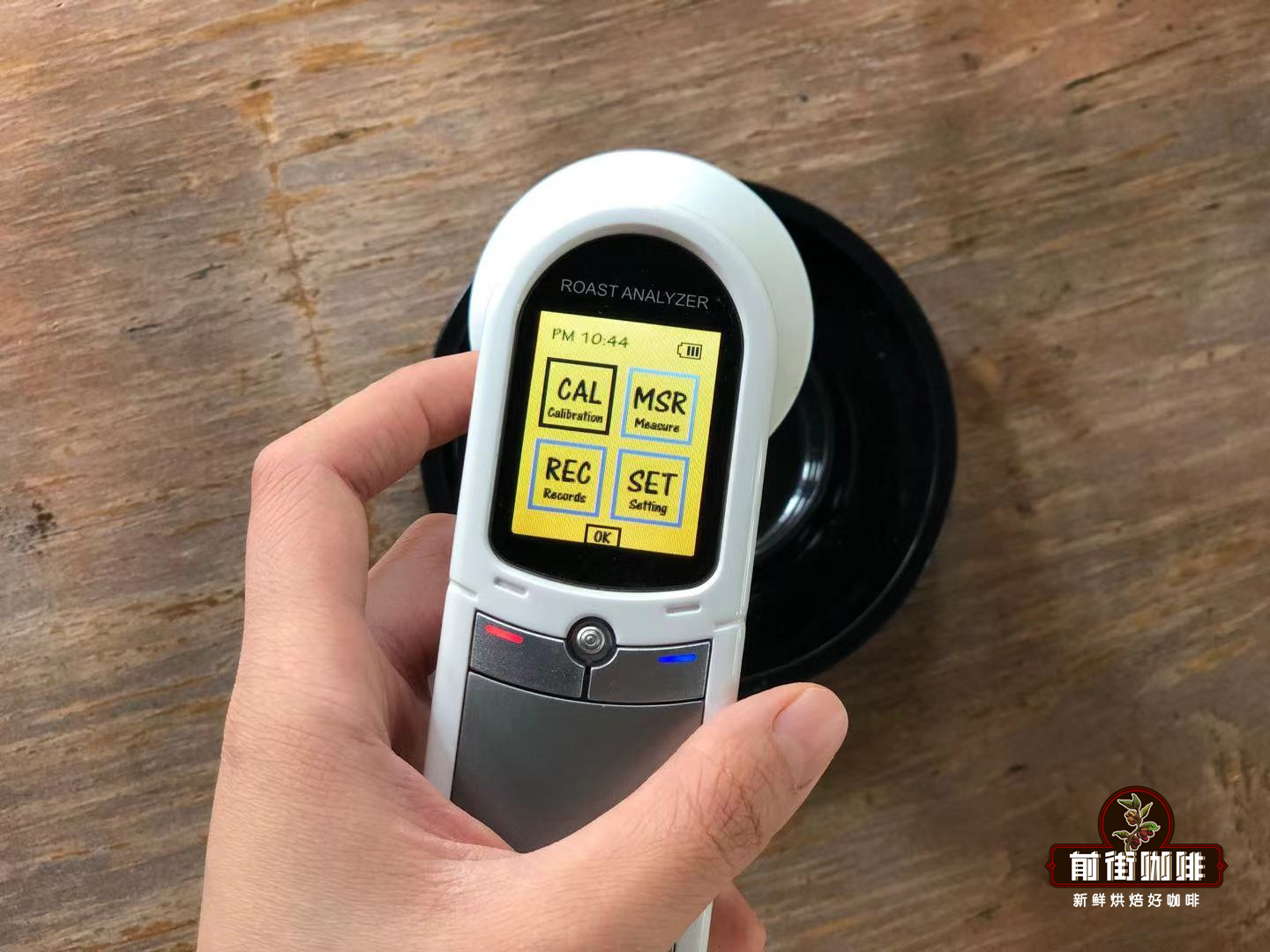
The SCAA uses infrared caramelization measurement technology (Agtron) to measure the color of coffee beans, thereby determining roast depth, and divides the colors from light to dark into eight levels, creating eight standard color plates for the coffee industry to use as a reference for roast identification. (Note: The Agtron caramelization meter is an optical instrument that uses infrared wavelength to measure roast level, determining the degree of caramelization of sugars inside the coffee bean and expressing it as a numerical value. The scale shows a range of 25 to 100 from light to heavy roast, but according to the SCAA Technical Standards Committee, the identifiable range for coffee flavor is actually 30 to 90.)
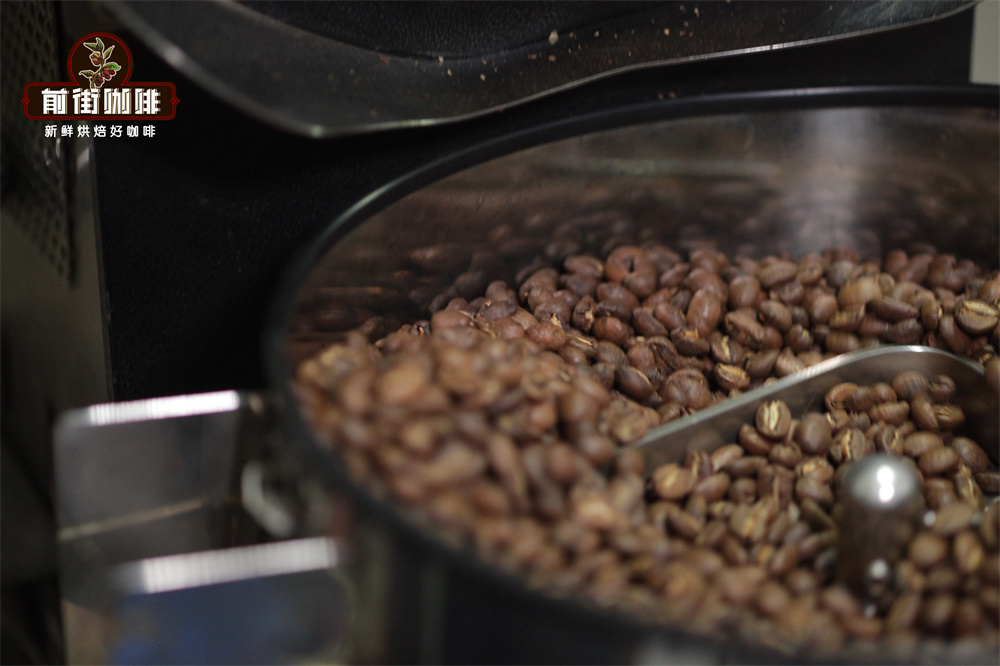
/Light Roast (Rich in fruity acidity and floral/fruit aromas)
Agtron color value #95: Light Roast: Drop time: When the first crack is about to finish densely, recommended: Front Street Red Cherry Coffee;
Agtron color value #85: Cinnamon Roast: Drop time: Around the end of first crack, recommended: Front Street Mozart Coffee;
/Medium Roast (Prominent sweetness, balanced flavor)
Agtron color value #75: Medium Roast: Drop time: After first crack ends, Front Street Bird of Paradise Coffee;
Agtron color value #65: High Roast: Drop time: The silent period between first and second crack, Front Street Golden Mandheling Coffee
/Medium-Dark Roast (Mellow and sweet)
Agtron color value #55: City Roast: Drop time: Start of second crack
Agtron color value #45: Full City Roast: Drop time: Before dense second crack
/Dark Roast (Rich and intense)
Agtron color value #35: French Roast: Drop time: During dense second crack
Agtron color value #25: Italian Roast: Drop time: When oils begin to seep onto the bean surface
Judging Coffee Bean Roast Level from Flavor Descriptions
The coffee bean packaging sold by Front Street does not indicate the roast level, because Front Street's roasting is mostly concentrated between medium-light and medium-dark. However, you can identify the roast level of the beans from the flavor description.
For example, if citrus, berry, or floral notes appear, it can be classified as medium-light roast (such as Front Street Ethiopia Huakui, Front Street Kenya Little Tomato coffee beans and other African origin beans, or Front Street Panama Geisha coffee beans); those with nutty aromas can be considered medium roast (such as Front Street Colombia Sidra coffee beans, Front Street Costa Rica Tarrazu coffee and other Central and South American origin beans); and those described with nuts, cocoa, and low acidity can be judged as medium-dark roast (such as Front Street Brazil Red Bourbon, Front Street Indonesia Mandheling, Front Street Jamaica Blue Mountain coffee beans, etc.).
How to Brew Coffee Beans of Different Roast Levels
Taking Front Street's coffee beans as an example, when brewing medium-light to medium roast beans, Front Street uses a medium-fine grind (about 75-80% passing through a Chinese standard No. 20 sieve), with water temperature controlled at 90-92°C. This combination can fully extract the sweet and sour substances while retaining a certain mellowness.
For medium-dark roast coffee beans, a medium grind is used (about 65-70% passing through a Chinese standard No. 20 sieve), with a brewing water temperature of 87-89°C. The coffee brewed this way is rich, mellow, and solid, and less likely to turn bitter.
The above content is compiled by CoffeeHunters, a coffee news website.


