







How do roast levels change coffee flavor and bean appearance?
Roast level largely determines coffee flavor. Light roast beans look light tea or cinnamon colored, drop near the start of first crack at about 205-209°C, and measure 70-80 on the Agtron scale. They carry bright, fine acidity, floral and fruity aroma, a juicy quality, and a lighter body, though careless roasting can leave them underdeveloped with astringent, grassy notes.
Medium-light roast beans turn chestnut or light brown and drop around the dense stage of first crack at 210-214°C, with a smoother surface than light roasts. The longer late-stage development raises sweetness and lowers bitterness, so the beans suit pour-over, cold brew, American drip, and French press. Light roasts stay matte, while roast development also influences whether coffee beans look oily.
The flavor profile of coffee is largely determined by the roast level. From light to medium-dark roast, each stage gives coffee beans a completely different color, aroma, and taste. This article systematically sorts out the core characteristics of four roast levels—light roast, medium-light roast, medium roast, and medium-dark roast—including bean surface color, drop temperature, Agtron number range, and the specific performance of acidity, sweetness, body, and flavor tone under each roast level. At the same time, for each roast level, it recommends corresponding Front Street Coffee products to help coffee lovers make more precise judgments when purchasing and brewing, and find the cup that best suits their taste.
Introduction to several coffee roast levels:
01 Light Roast Coffee
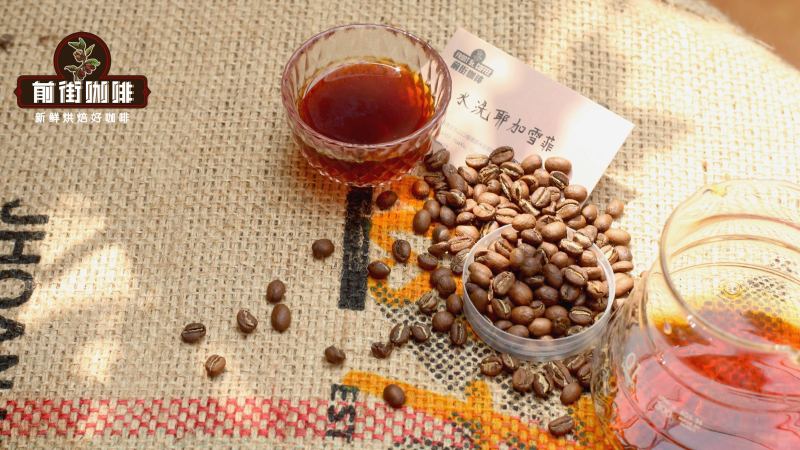
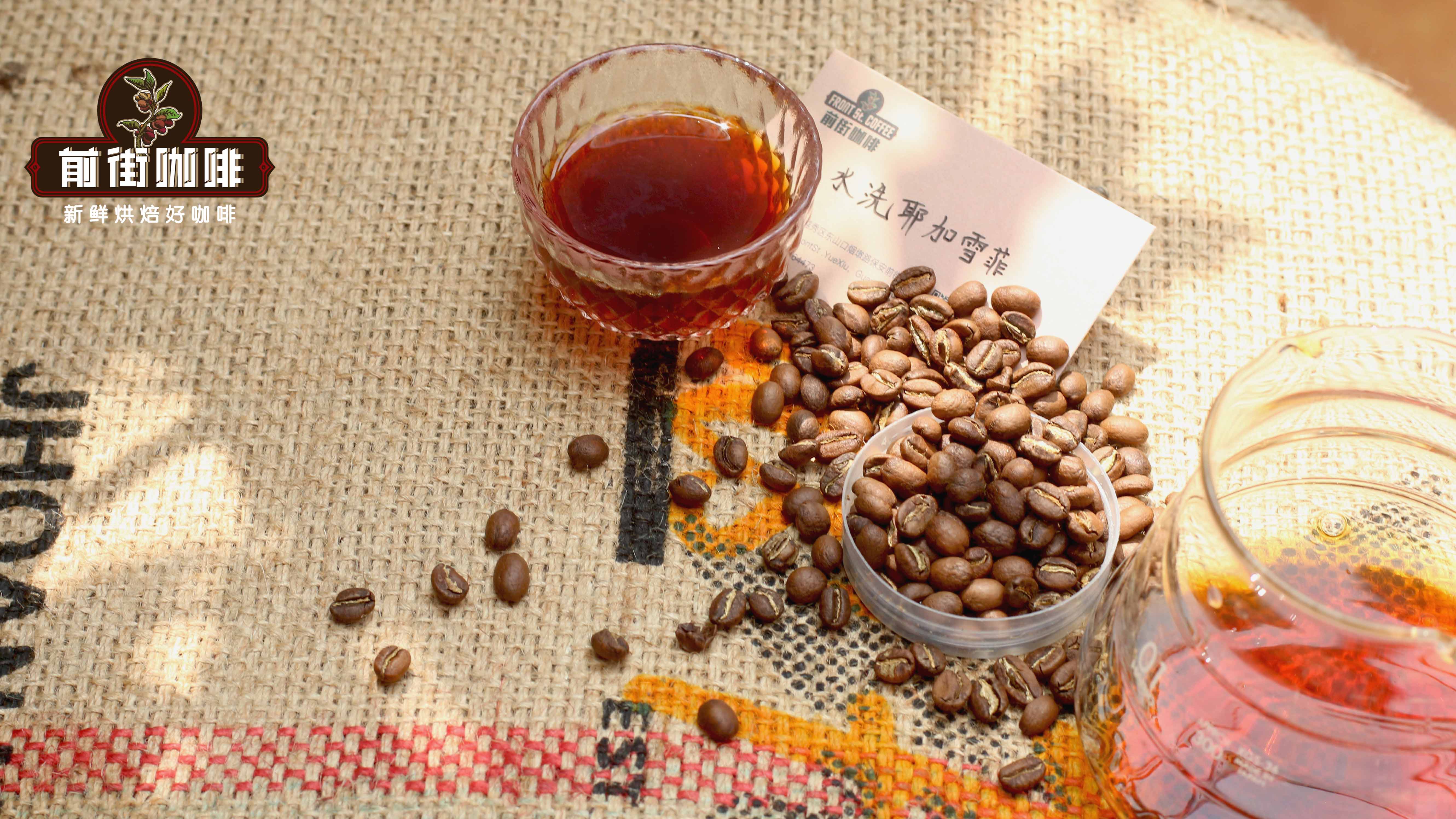
Light roast coffee beans appear light tea-colored or cinnamon-colored, and because of their color they are also called cinnamon roast. To drink light roast coffee, Front Street Coffee washed Yirgacheffe is the first choice, with classic white floral notes plus a light lemon acidity. It feels like drinking a cup of fruit tea, with a bright and transparent finish.
The surface will not be shiny or oily, and dark lines or rougher textures often appear. The drop time is around the beginning of first crack, the drop temperature is roughly 205-209°C, and the Agtron number is between 70-80.
Light roast coffee has fine, bright acidity, exuberant floral and fruity aromas, and a strong juicy quality, with a lighter body. It shows the coffee’s original flavor. The disadvantage is that the roast level is quite light, and if care is not taken during roasting, the coffee can easily be underdeveloped, producing the astringent and grassy flavors that most people dislike.
02 Medium-Light Roast Coffee
Medium-light roast coffee beans appear chestnut or light brown, and are also called light medium roast or medium roast. To drink medium-light roast coffee, buy Front Street Coffee Strawberry Candy. The unique honey process gives the coffee higher sweetness and lower bitterness. Besides pour-over, it can also be made as cold brew, American drip, French press, and so on.
Because roasting lengthens the late-stage development period, the surface is smoother than that of light roast coffee beans. The drop time is around the dense stage of first crack, the drop temperature is 210-214°C, and the Agtron number is between 60-70.
Medium-light roast coffee emphasizes the balance between acidity and sweetness, smoothly rounding out floral and fruity aromas and the coffee’s original flavor. It also performs better in body than light roast coffee. A full mouthfeel and rich layers are the characteristics of medium-light roast coffee.
03 Medium Roast Coffee
Medium roast coffee beans appear reddish-brown or brown, and are also called concentration roast or city roast. If you want to try medium roast coffee, Front Street Coffee Brazil Queen Estate is recommended. With a taste that is neither sour nor bitter, it lets us drink obvious roasted peanut, chocolate, and nutty flavors.
The surface becomes quite glossy and rounded, and the degree of caramelization increases greatly. The drop time is around the end of first crack and the beginning of second crack, the drop temperature is 216-220°C, and the Agtron number is between 50-60.
Medium roast coffee pursues sweetness and body. In flavor, the acidity and bitterness are balanced yet not sharp, and the taste is sweet and refreshing. Cocoa and nutty tones clearly replace floral and fruity tones, with an even layer performance, yet it still has its own charm.
04 Medium-Dark Roast Coffee
Medium-dark roast coffee beans are relatively darker in color, appearing black-brown or dark brown, and are also called deep city roast or Vienna roast. For medium-dark roast coffee beans, the premium Front Street Coffee PWN Golden Mandheling is preferred. Three rounds of hand sorting plus one round of machine sorting thoroughly remove defective beans from the green coffee, thereby ensuring superior coffee quality. After extraction, it presents rich aromas of caramel, spices, dark chocolate, almonds, and more.
The surface is rich in gloss and may even be oily. The drop time is around the dense stage of second crack, the drop temperature is 226-230°C, and the Agtron number is between 40-50.
Medium-dark roast coffee retains very little of the coffee’s original flavor, with most of the flavor coming from roasting. The mouthfeel is steady and full, the acidity is less obvious, and the flavor emphasizes dark chocolate and sweetness. The disadvantage is that medium-dark roast coffee can easily develop smoky or charred flavors.
The above content is compiled by CoffeeHunters, a coffee news website.


